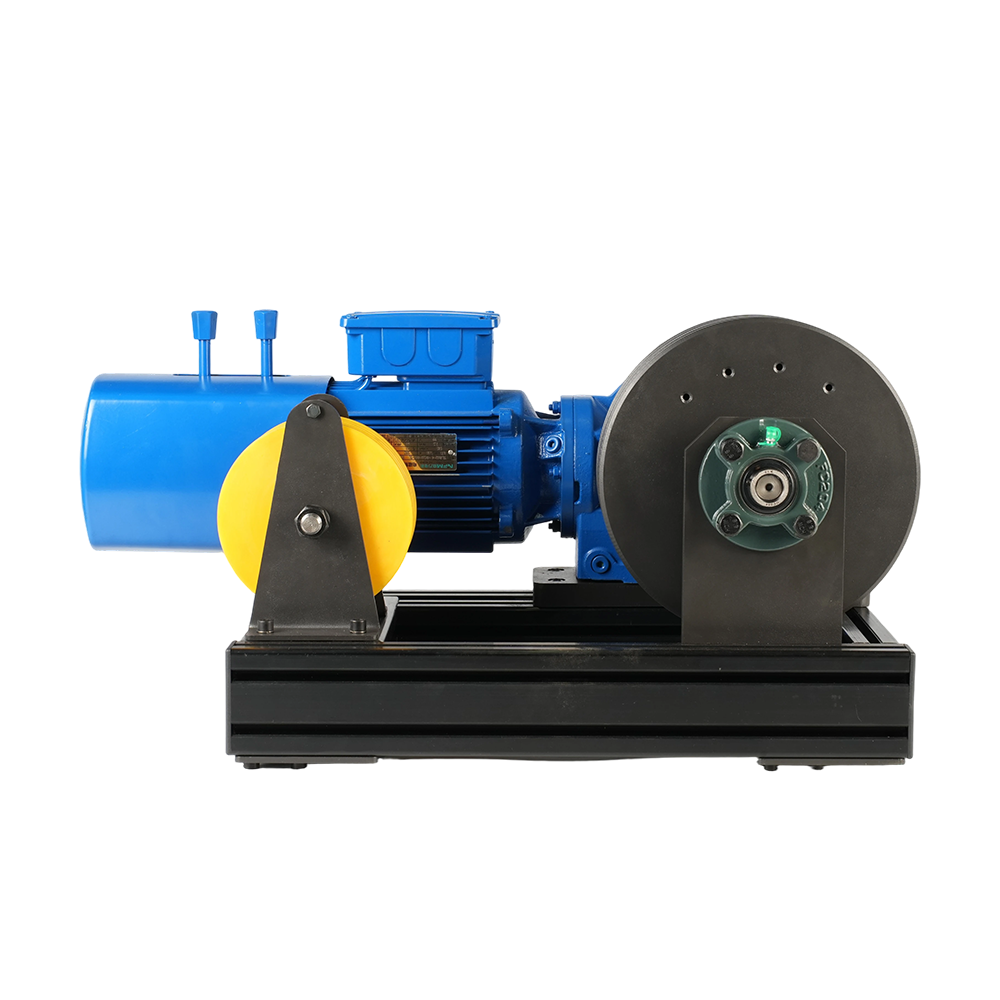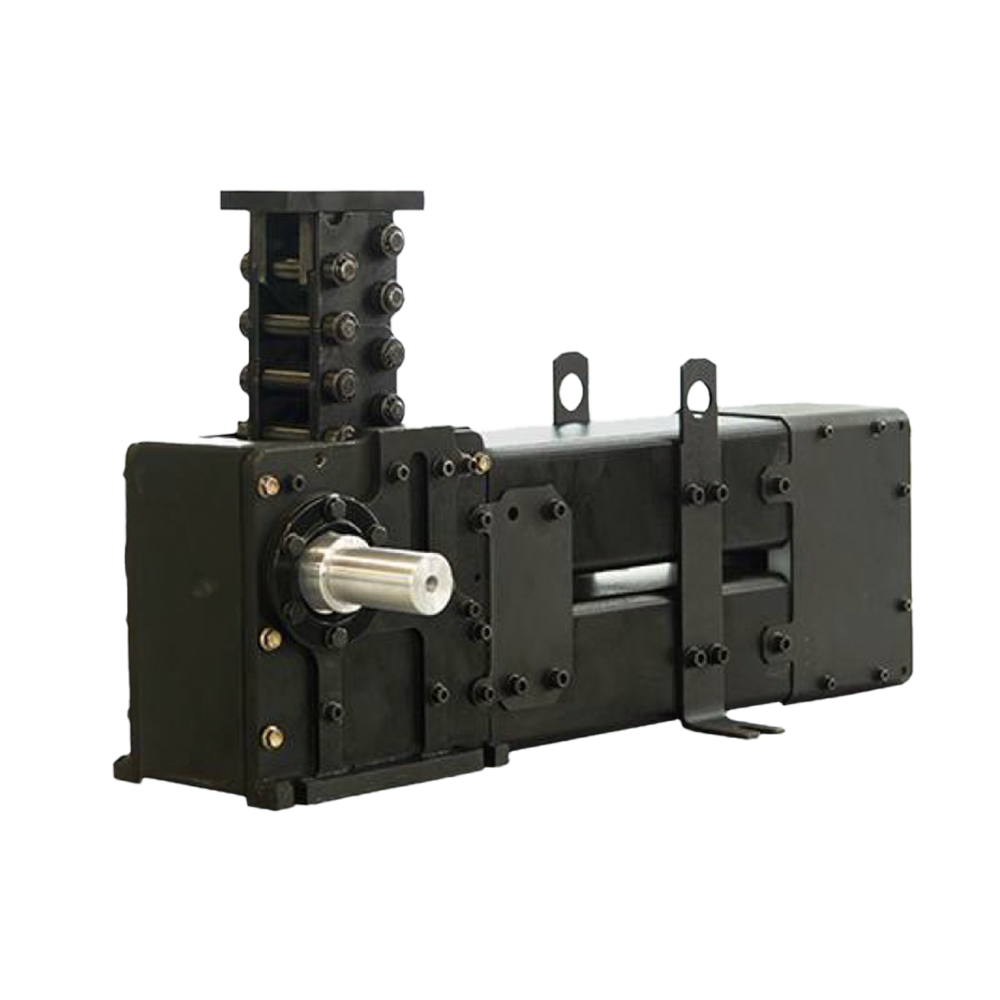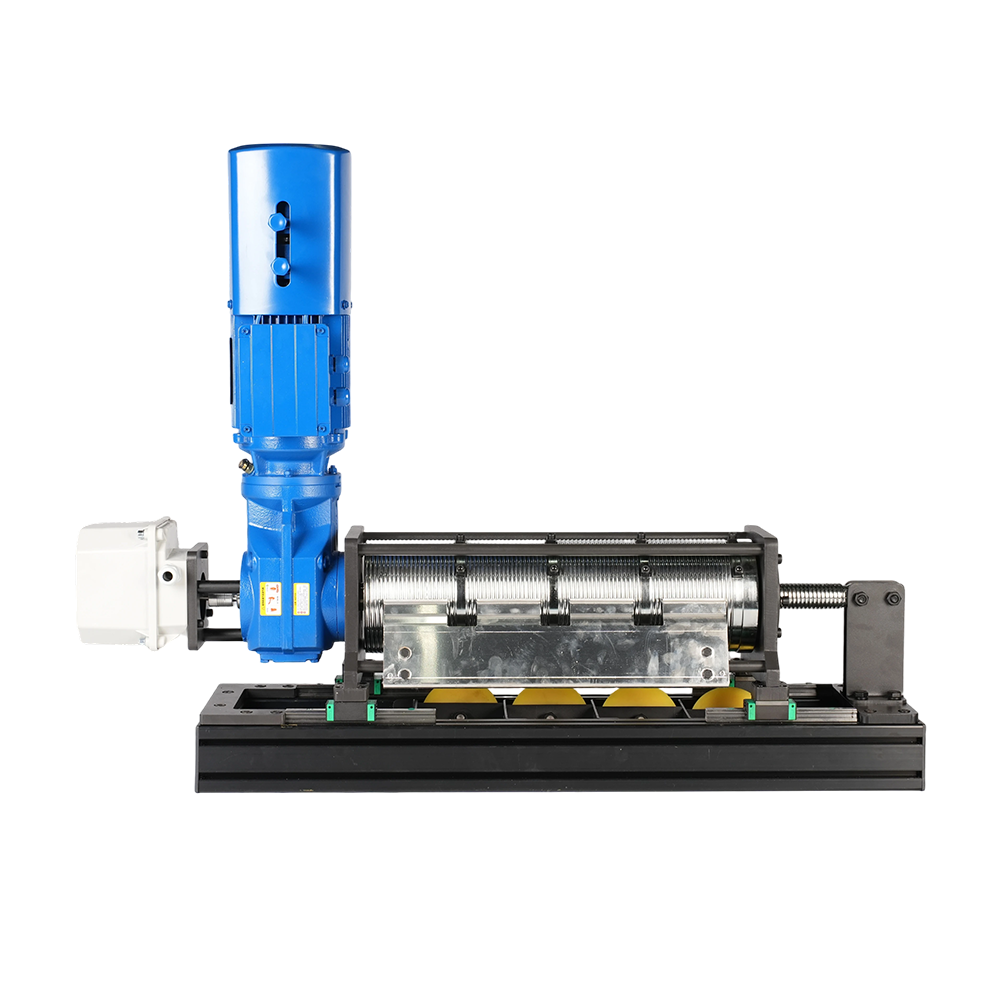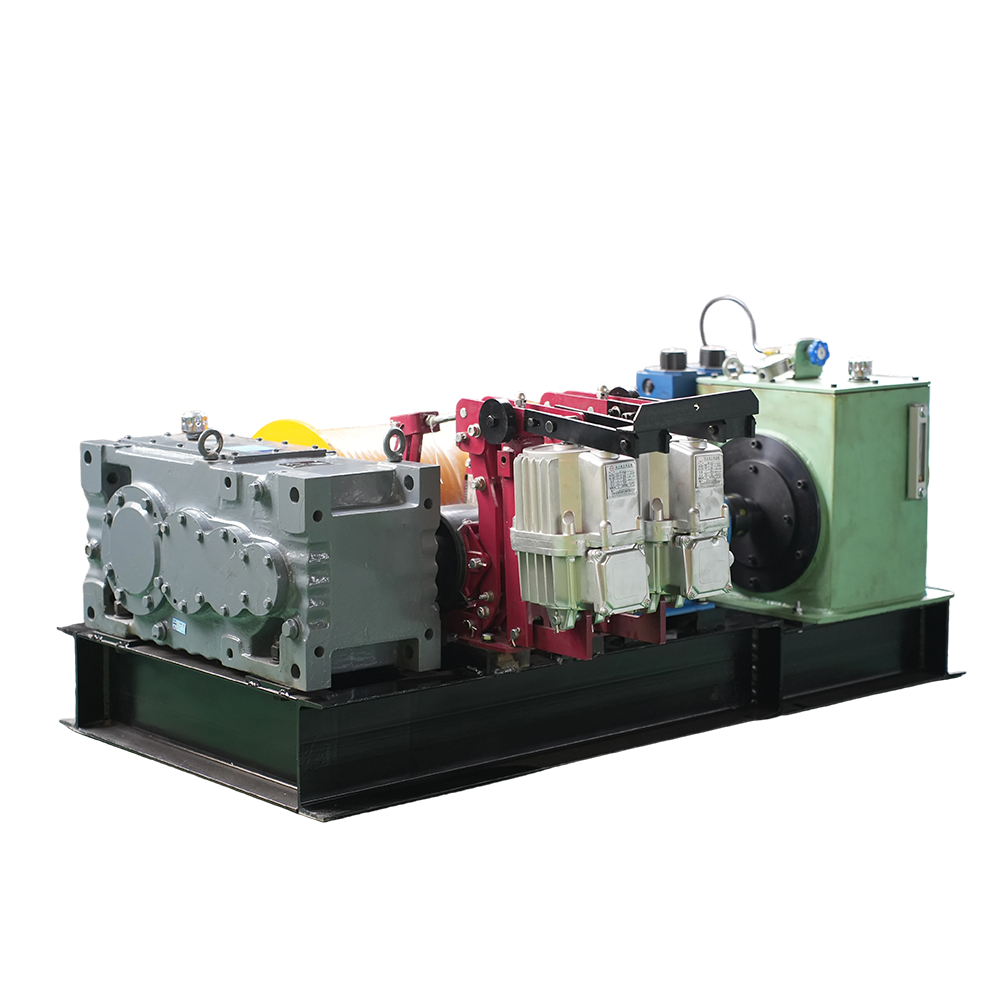
When you are specifying or purchasing stage machinery, you will encounter safety standards such as BGV-C1, EN 17206, and SIL3. Each one plays a different role, and confusing them can lead to non-compliant equipment, delayed approvals, or even unsafe operation.
Here is the straight answer: BGV-C1 is a German accident-prevention regulation for entertainment venues, EN 17206 is the European safety standard for stage machinery, and SIL3 is a functional safety integrity level for control systems. They are not competing certifications; they operate at different levels and complement each other. Understanding how they relate is the key to selecting equipment that will be accepted in your target market.
Stage machinery moves heavy loads above people’s heads. A single failure in a hoist, lift, or its control system can cause serious injury or property damage. National and international rules exist to reduce these risks to an acceptable level.
The three terms you are asking about address this challenge from three different directions:
You might need to meet all three on the same project, especially if the equipment is destined for a German theatre or for an automated system with complex control logic.
BGV-C1 is the short name for the German regulation formerly known as Berufsgenossenschaftliche Vorschrift für Sicherheit und Gesundheit bei der Arbeit, specifically the section covering venues and production sites for scenic performances. In recent years it has been renumbered as DGUV Vorschrift 17, but the industry continues to call it BGV-C1.
This regulation is directly applicable in Germany. It places obligations on the venue operator, not only on the machinery manufacturer. Among other things, it requires:
For a machinery supplier, complying with BGV-C1 means delivering equipment that meets the design assumptions and providing enough documentation for the operator's inspection regime. Many German theatres will ask for proof of BGV-C1 compliance even if the equipment was built to EN 17206.
Although BGV-C1 is not a design standard itself, it refers to technical rules and accident statistics that influence design. For example, it insists on adequate safety factors for load-bearing parts, protection against overspeed, and compliance with basic electrical safety. If a hoist is equipped with a load sensor and a safety brake, the overall system can demonstrate a higher level of protection.
EN 17206 (entitled “Entertainment technology – Stage machinery – Safety requirements and inspections”) is the harmonised European standard used to demonstrate presumption of conformity with the Machinery Directive 2006/42/EC for stage machinery. It replaces older national standards such as DIN 56950 in Germany and BS 7905 in the UK, bringing a single set of requirements across Europe.
EN 17206 applies to various types of stage machinery: hoists, point winches, vertical and horizontal lifts, revolves, fire curtains, and even complete control systems. The standard covers:
If a manufacturer states that its product complies with EN 17206, it is claiming that the mechanical and electrical design has been reviewed according to these requirements. Project engineers can use that declaration as part of the risk assessment for the whole venue.
EN 17206 also defines a set of inspections: type tests for new products, and periodic checks during operation. It gives requirements for test loads (typically 1.25 times the rated load for acceptance tests) and for verifying that safety functions actually stop the machinery within defined distances.
SIL, or Safety Integrity Level, comes from IEC 61508 and related standards such as IEC 62061 for machinery. It is not a legal requirement for every stage machine, but it becomes necessary when the control system is used to reduce risk. SIL3 is one of four possible levels (SIL1 through SIL4). In stage machinery, control systems that protect people from hazards often need SIL2 or SIL3, depending on the risk assessment.
A SIL3 rating means the safety function has a high probability of working when it is demanded. In quantitative terms, for high-demand mode, the average probability of failure per hour (PFH) must be between 10⁻⁸ and 10⁻⁷. For low-demand mode, the probability of failure on demand (PFD) must be between 10⁻⁴ and 10⁻³. For most users, the important point is that SIL3-compliant components and architecture are engineered to fail safely, with redundant sensing, logic, and output paths.
Typical safety functions that may be assigned SIL3 include:
SIL is not a certificate for the whole machine. It is a claim for a specific safety function, backed by a safety case (a file of calculations, component failure rates, and architecture analysis). A manufacturer should provide the safety integrity level for each safety-related function in the control system.
The table below summarises the most important points.
| Aspect | BGV-C1 | EN 17206 | SIL3 |
|---|---|---|---|
| Nature | Regulation | European Standard | Safety Integrity Level |
| Scope | Venues for scenic performances | Stage machinery equipment | Safety-related control systems |
| Legal force | Binding in Germany | Harmonised under Machinery Directive | Only when referenced |
| Focus | Operational safety and inspection | Design and manufacturing safety | Control reliability |
| Example documents | Inspection logbook | CE declaration, technical file | Safety case, PFH calculation |
Notice that the three elements are not alternatives. You can build a hoist that complies with EN 17206, document it according to BGV-C1, and use a SIL3-rated emergency stop chain. Most professional control systems integrate these requirements from the start.
A sensible approach is to start by applying EN 17206 as the baseline for mechanical and electrical design. This covers load cases, safety factors, and inspection procedures. Then check whether the target venue is in Germany or owned by a German operator; if so, align the acceptance and inspection records with BGV-C1/DGUV V17. Finally, analyse the control system using functional safety methods. Decide which safety functions require SIL2 or SIL3 based on the risk assessment.
The practical integration usually looks like this:
When these steps are completed, the machinery has a clear compliance story for European projects and for German venues in particular.
To avoid costly surprises, ask direct questions during procurement:
Getting clear, written answers separates genuine compliance from paperwork that merely looks promising.
Ultimately, BGV-C1, EN 17206, and SIL3 answer different questions. BGV-C1 tells you how the venue should manage safety. EN 17206 tells you how the machinery should be built. SIL3 tells you how trustworthy the safety controls are. A strong specification will include all three, because modern stage machinery is expected to be mechanically sound, legally compliant, and functionally safe.
We specialize in delivering advanced stage machinery, rigging systems and intelligent control solutions for performance spaces worldwide.

No. 111 Runfeng Road, Hailing District, Taizhou City, Jiangsu Province, China

rtstage@163.com

+86-139 1771 1698

+86-139 1771 1698
rtstage@163.com
 中文简体
中文简体
 English
 русский
 Français
 Español
 عربى
عربى