How Does a High-Capacity Pilewind Stage Winch Improve Lifting Efficiency?
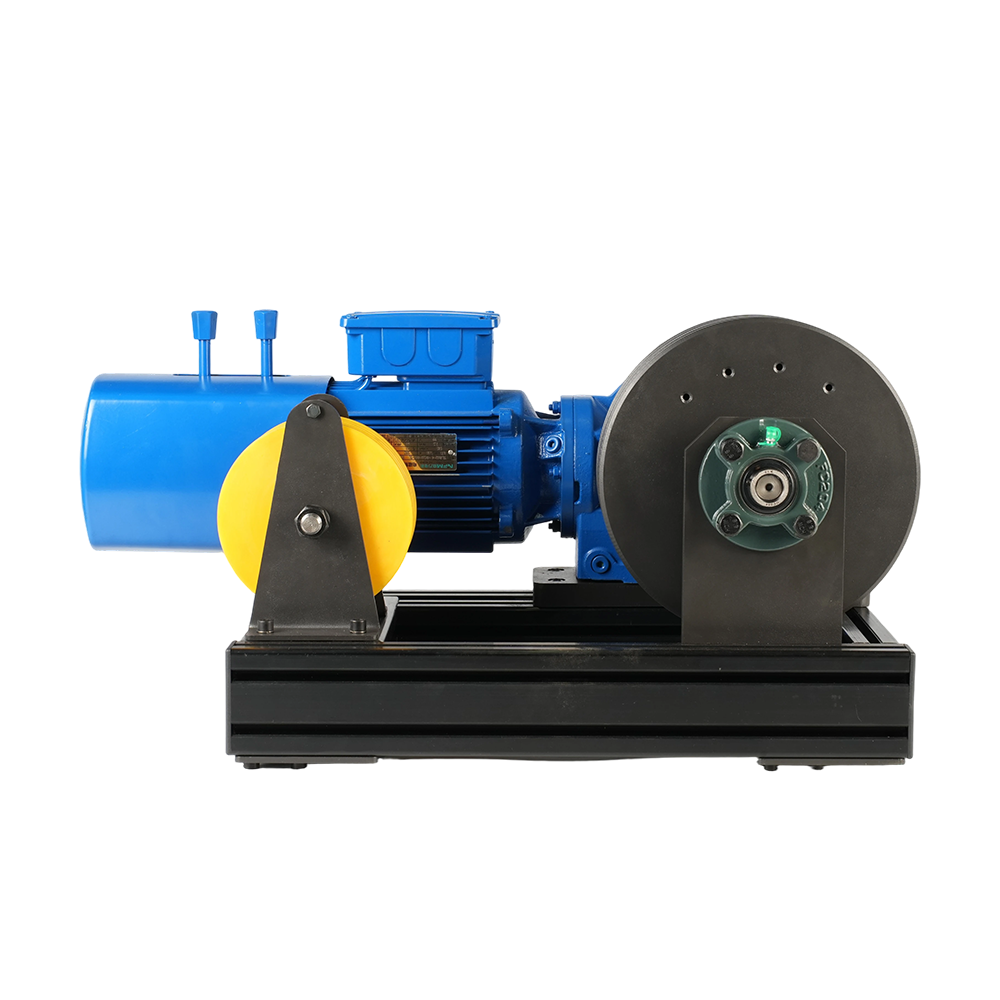
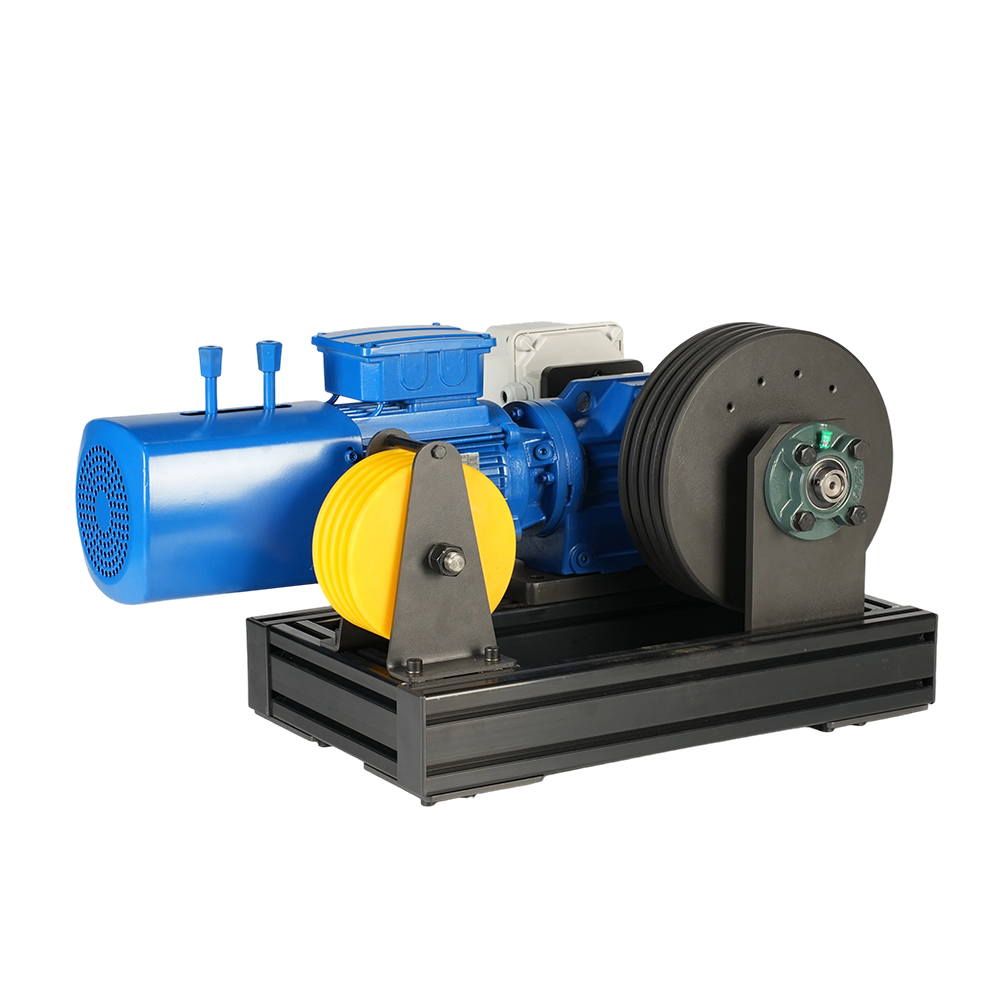
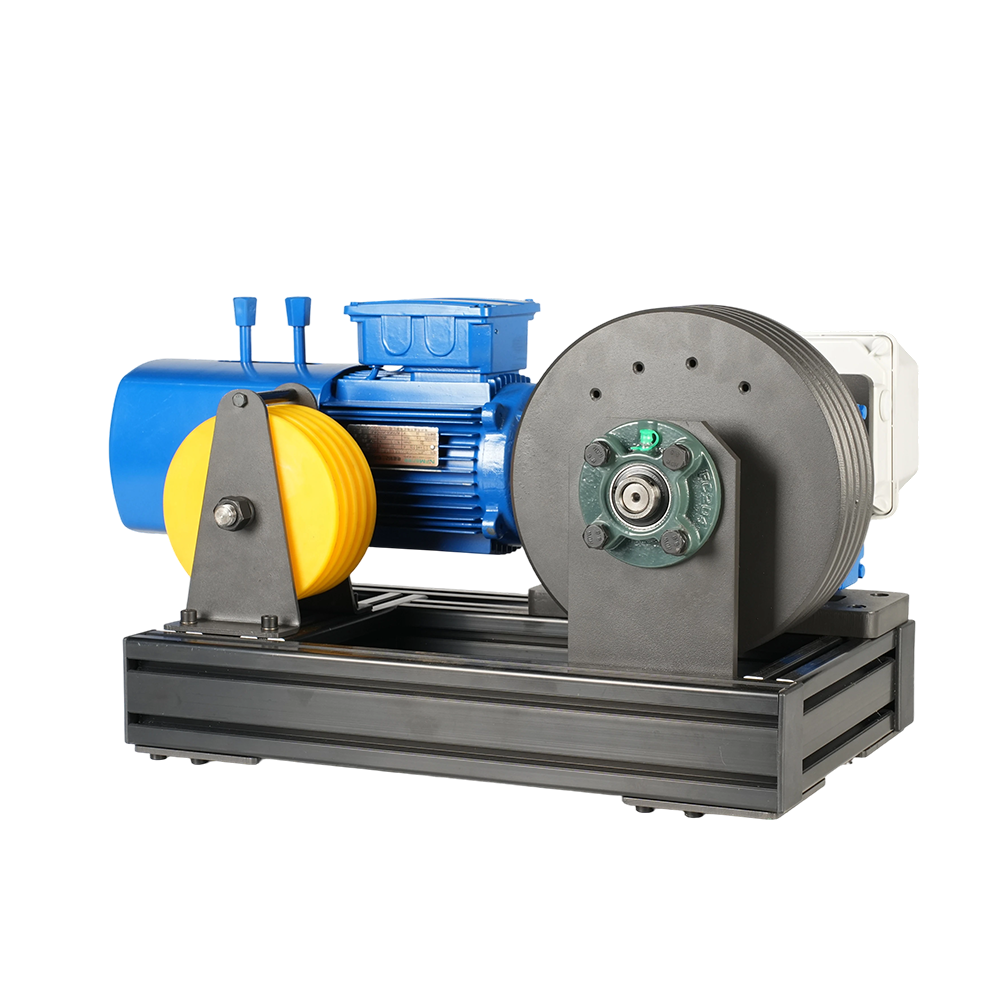
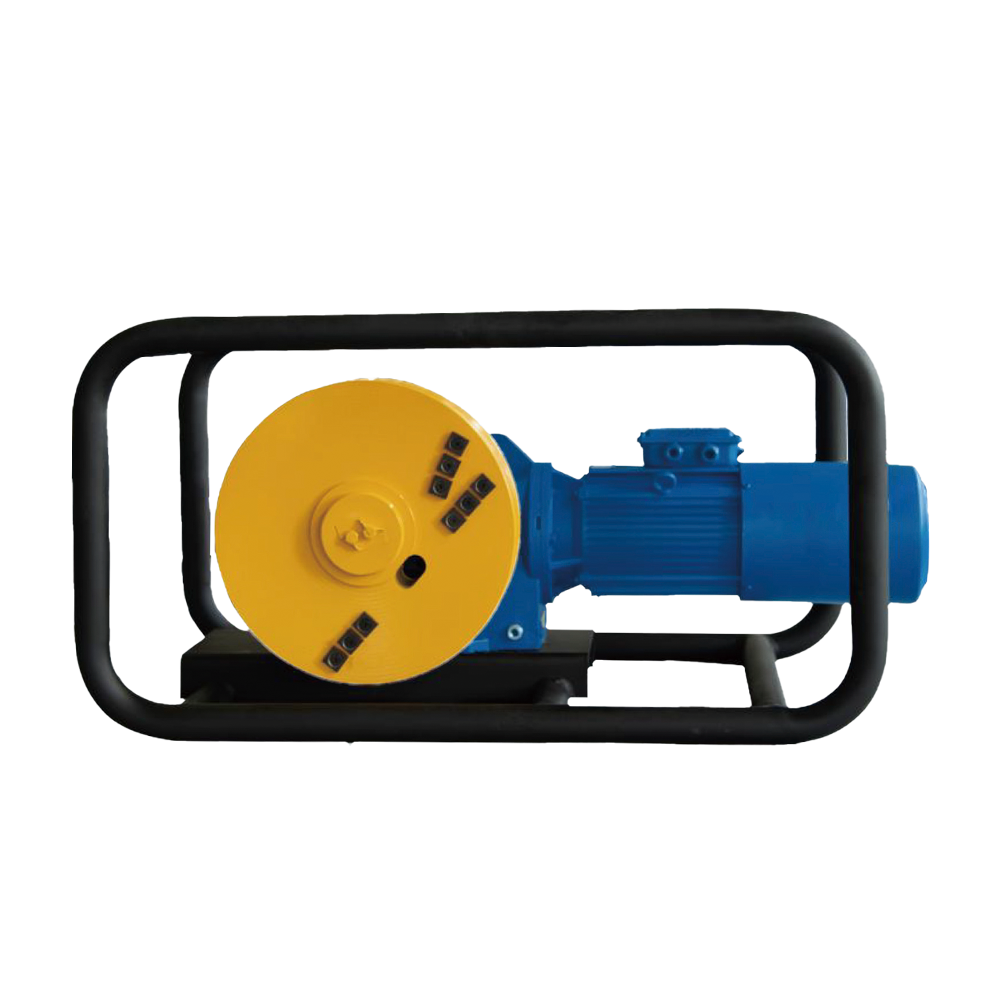
As performance venues continue to adopt larger stages, heavier equipment, and more complex automation systems, lifting technology has become one of the most critical factors affecting operational efficiency and safety. A high-capacity pilewind stage winch is specifically designed to handle heavy loads while maintaining orderly cable winding, accurate positioning, and stable operation. Compared with conventional lifting systems, this type of winch combines high load capacity with intelligent cable management, making it an ideal solution for theaters, concert halls, cultural centers, stadiums, conference facilities, and multi-functional performance spaces.
Understanding the High-Capacity Pilewind Stage Winch
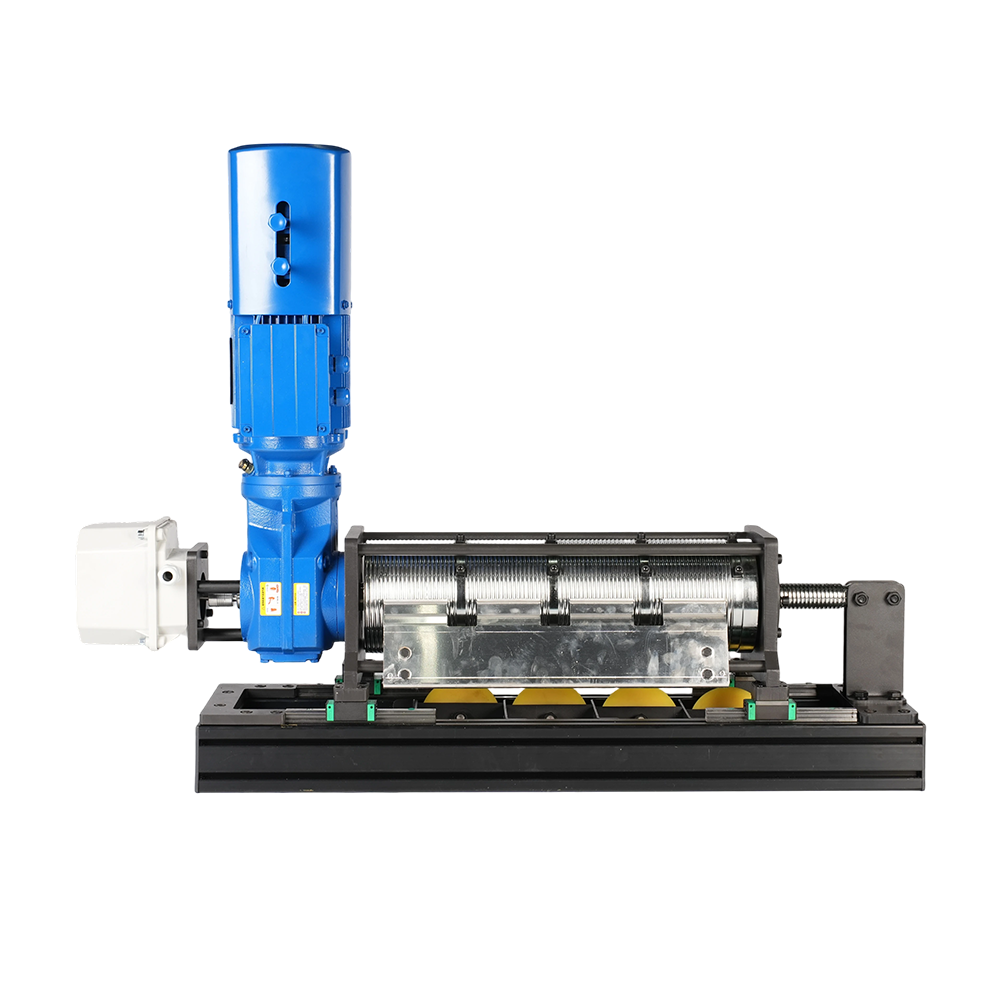
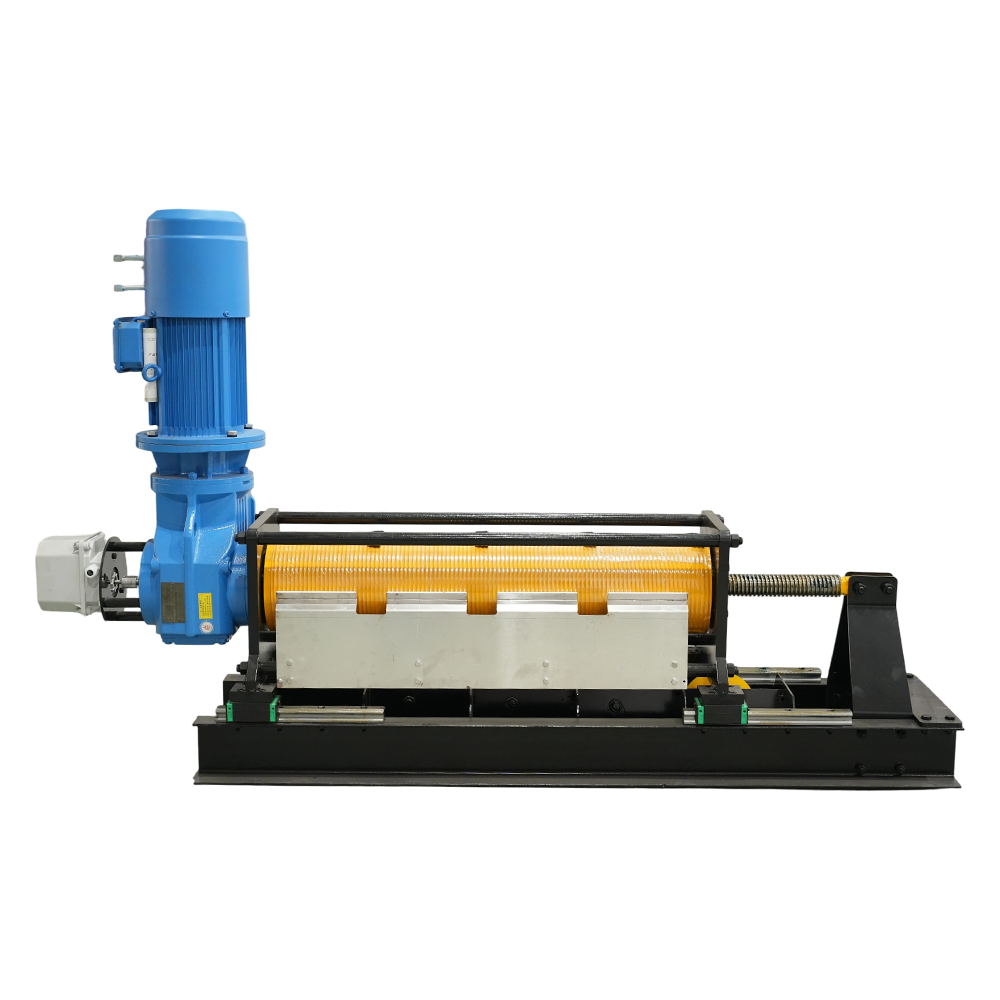
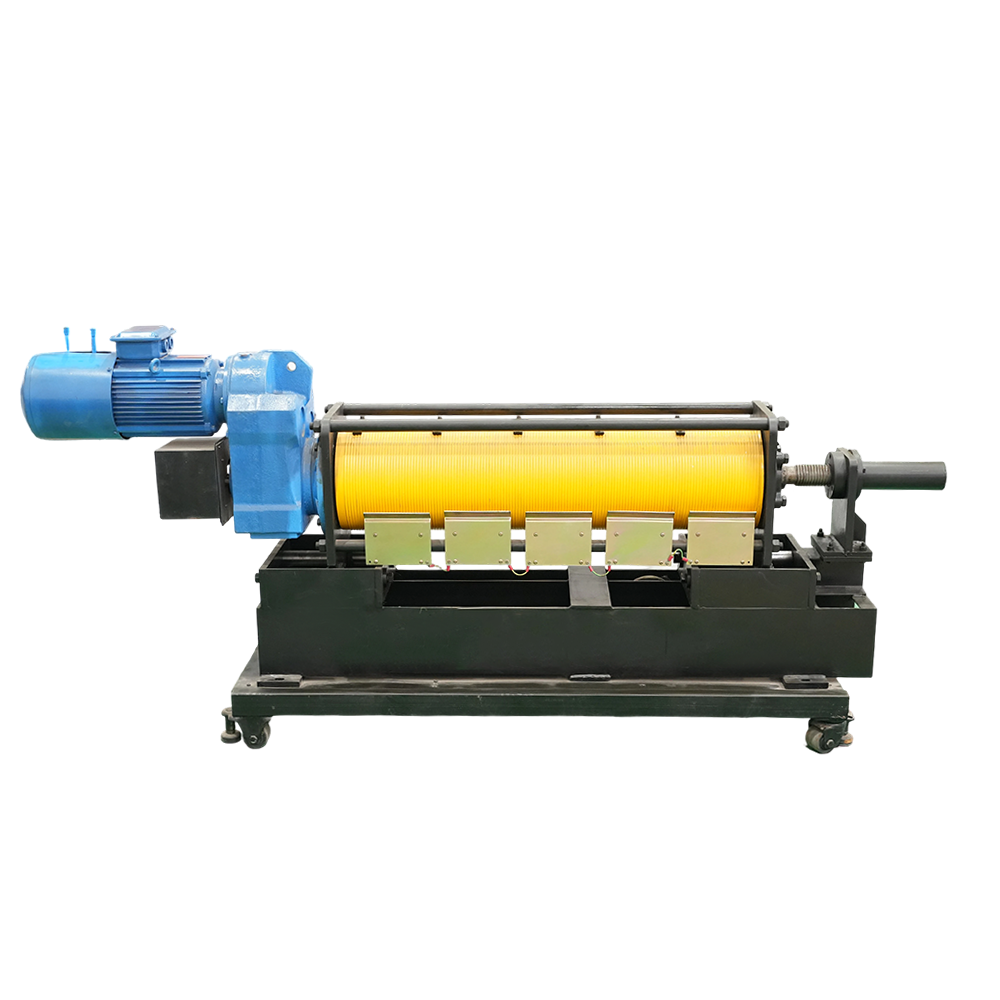
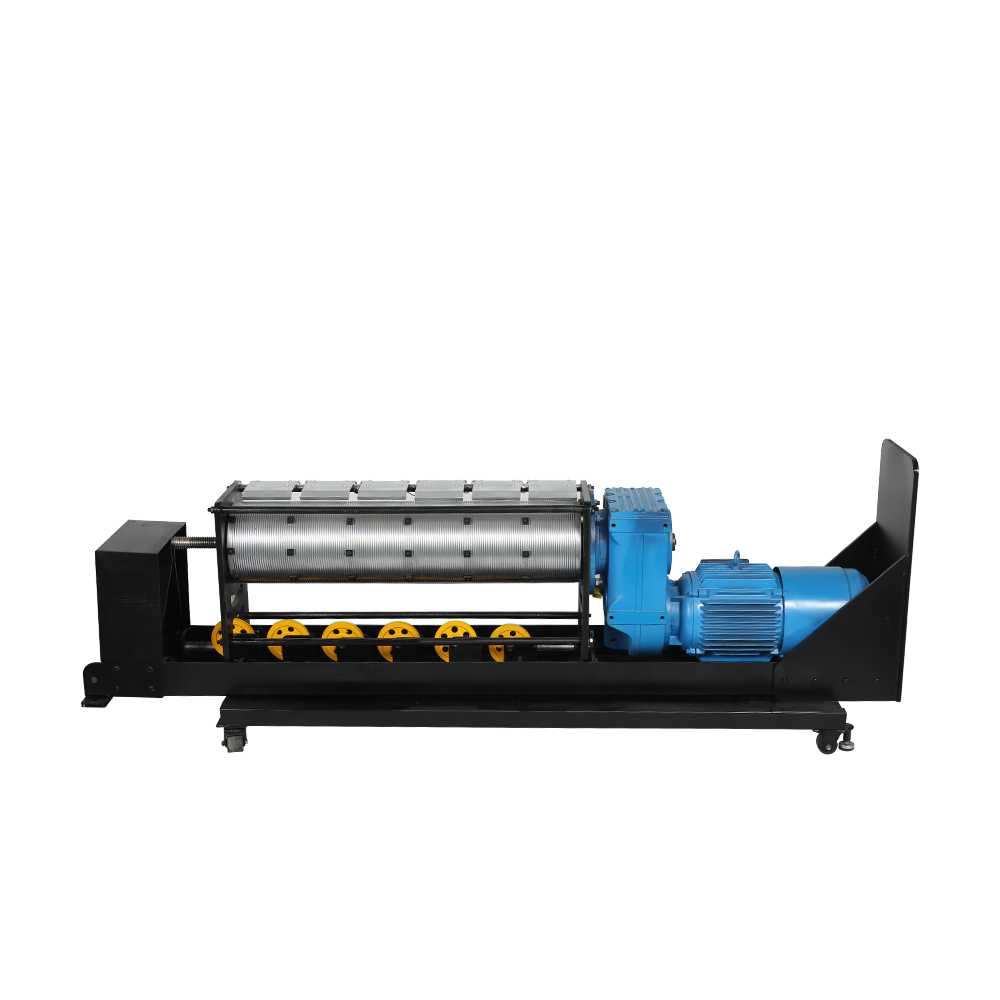
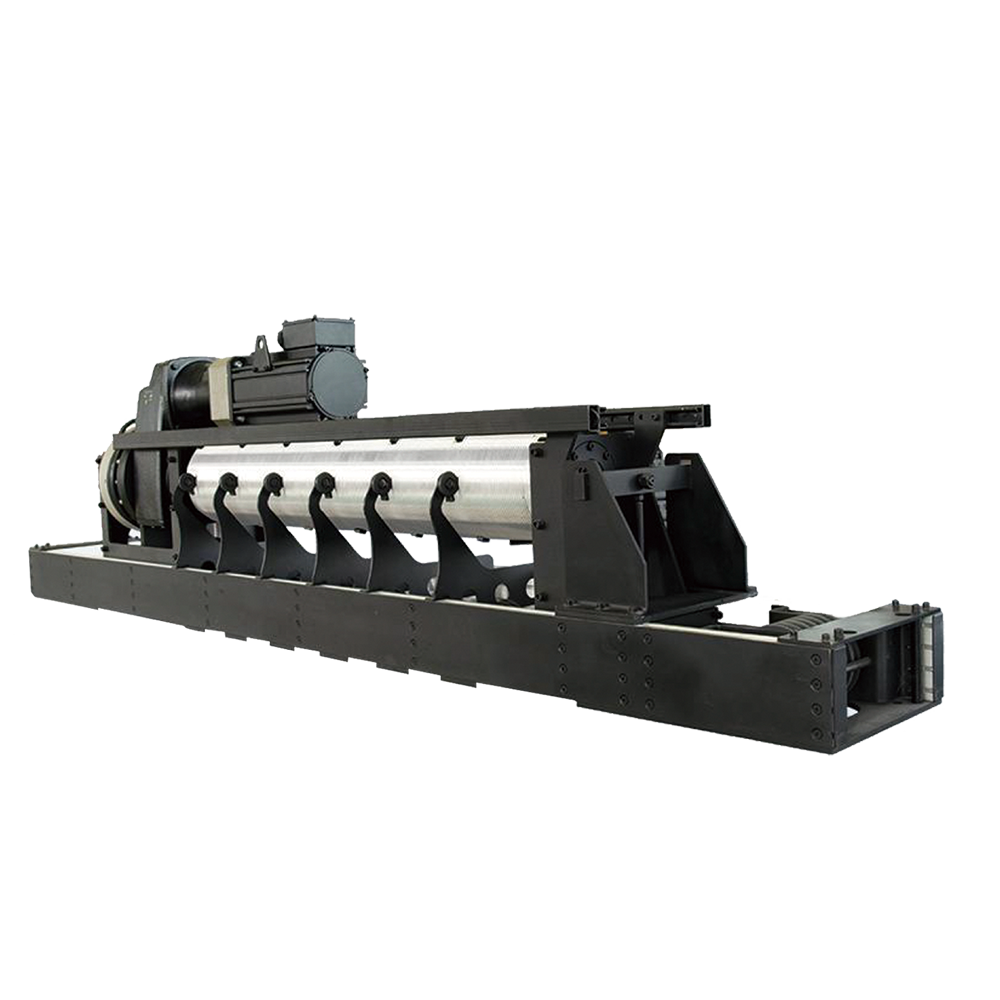
A high-capacity pilewind stage winch is a specialized lifting device that combines powerful lifting capability with an advanced pilewind cable arrangement mechanism. Instead of allowing cables to accumulate randomly on the drum, the pilewind system guides the wire rope into orderly layers throughout the lifting cycle.
This controlled winding process delivers several important advantages:
- Uniform cable distribution
- Reduced cable overlap
- Stable lifting performance
- Lower mechanical stress
- Longer wire rope service life
- Consistent lifting accuracy
Unlike traditional drum winches, the pilewind mechanism ensures that each layer of cable remains aligned even during frequent operation under heavy loads.
Why Lifting Efficiency Matters in Stage Applications
Modern performance venues require lifting systems to perform numerous tasks throughout rehearsals, productions, and maintenance operations. These tasks often include:
| Application |
Operational Requirement |
| Lighting trusses |
Fast and precise positioning |
| LED display systems |
Stable heavy-load lifting |
| Acoustic equipment |
Accurate synchronization |
| Scenic elements |
Smooth movement without vibration |
| Stage curtains |
Reliable repeated operation |
| Mechanical stage platforms |
High load capacity and positioning accuracy |
Common stage lifting applications and their operational requirements.
Every lifting cycle directly affects production schedules. Any interruption caused by cable disorder, positioning errors, or equipment downtime increases operational costs.
A heavy duty pilewind hoist helps minimize these issues by improving the consistency of every lifting movement.
How High-Capacity Design Improves Operational Efficiency
Higher Load Capacity Reduces Equipment Requirements
Large venues often require multiple lifting devices when equipment exceeds the capacity of conventional winches.
A high-capacity pilewind stage winch can handle heavier stage equipment within a single lifting system, reducing the number of lifting points required for many applications.
Benefits include:
- Simplified mechanical layouts
- Reduced installation complexity
- Easier synchronization
- Lower maintenance workload
- Improved operational efficiency
Fewer lifting systems also reduce inspection time and simplify long-term maintenance planning.
Stable Cable Winding Minimizes Downtime
Cable management is one of the most overlooked contributors to lifting efficiency.
Poor cable winding may cause:
- Rope crossover
- Uneven drum loading
- Increased friction
- Cable deformation
- Unexpected stoppages
The pilewind mechanism automatically arranges the cable into uniform layers, preventing accumulation in one area of the drum.
This results in:
- Smoother lifting cycles
- Faster operation
- Less manual intervention
- Reduced maintenance frequency
For venues operating daily performances, minimizing downtime significantly improves scheduling flexibility.
Accurate Positioning Enhances Production Speed
Stage productions frequently require lifting equipment to stop at predetermined positions.
Whether lifting lighting rigs or scenery, inaccurate positioning often leads to repeated adjustments.
A modern motorized stage winch equipped with precision control systems enables:
- Smooth acceleration
- Stable deceleration
- Repeatable positioning
- Controlled lifting speed
- Better synchronization between multiple lifting points
Accurate positioning reduces setup time while improving production consistency.
Intelligent Control Supports Automated Operation
Today's intelligent performance venues increasingly integrate stage machinery into centralized control systems.
An advanced high-capacity pilewind stage winch can work alongside intelligent control technologies to achieve:
- Remote operation
- Group synchronization
- Position memory
- Speed adjustment
- Real-time monitoring
- Automatic fault diagnosis
These functions reduce manual operation while improving coordination between multiple stage systems.
Automation also lowers the possibility of operational errors during complex performances.
Structural Design Contributes to Long-Term Performance
High lifting efficiency depends not only on motor power but also on structural durability.
A high-quality heavy duty pilewind hoist typically incorporates robust mechanical components designed for continuous operation.
| Component |
Function |
Benefit |
| High-strength steel frame |
Structural support |
Excellent rigidity |
| Precision drum |
Controlled cable winding |
Smooth operation |
| Heavy-duty gearbox |
Efficient power transmission |
Stable torque output |
| Wire rope guide |
Cable alignment |
Reduced cable wear |
| Industrial bearings |
Rotational stability |
Lower maintenance |
| Intelligent controller |
Operational management |
Higher precision |
Key structural components and their contribution to long-term winch performance.
Each component contributes to reliable long-term operation under demanding working conditions.
Material Selection Improves Reliability
Material quality directly influences service life, operational stability, and maintenance requirements.
| Material |
Typical Application |
Performance Advantage |
| Carbon steel |
Structural frame |
High mechanical strength |
| Alloy steel |
Load-bearing components |
Excellent fatigue resistance |
| Stainless steel |
Corrosion-prone environments |
Improved corrosion resistance |
| Hardened gears |
Transmission system |
Increased wear resistance |
| High-quality wire rope |
Lifting mechanism |
Longer service life |
Material choices and their corresponding performance advantages.
Selecting appropriate materials ensures consistent performance throughout extended operating cycles.
Reducing Maintenance Improves Overall Productivity
Maintenance interruptions reduce available operating time.
Because the pilewind mechanism distributes cable evenly, several maintenance issues can be minimized:
- Reduced cable abrasion
- Lower drum wear
- Fewer cable replacements
- Reduced gearbox stress
- Improved bearing life
As maintenance intervals become longer, equipment availability increases, improving the overall efficiency of stage operations.
Typical Applications
A high-capacity pilewind stage winch is suitable for numerous professional environments, including:
- Professional theaters
- Opera houses
- Performing arts centers
- Television studios
- Cultural centers
- Exhibition halls
- Convention centers
- Stadiums
- Indoor arenas
- Multi-functional performance venues
Its ability to provide stable lifting under demanding operating conditions makes it suitable for projects requiring high reliability and long-term performance.
Manufacturing Quality Supports Reliable Performance
Reliable lifting efficiency begins with professional manufacturing and strict quality control.
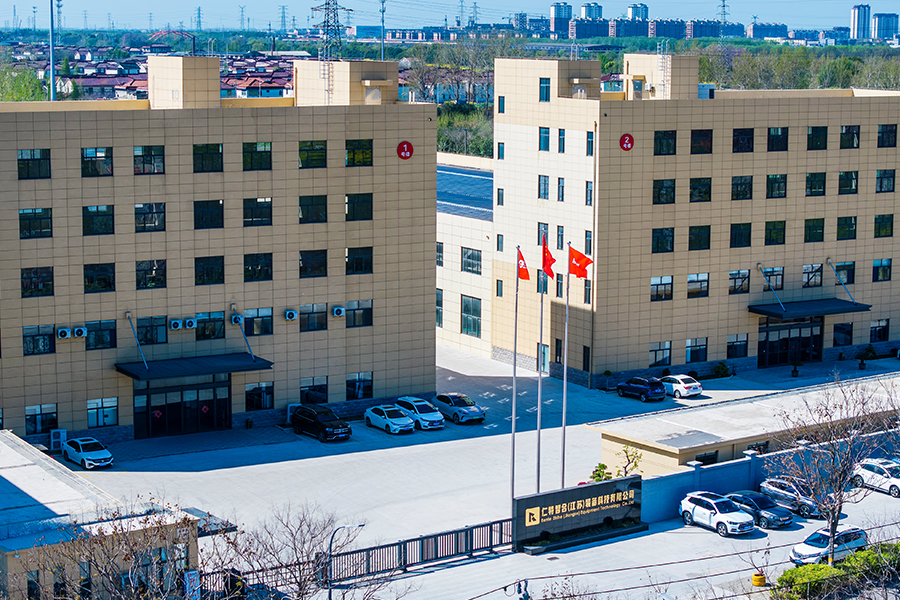
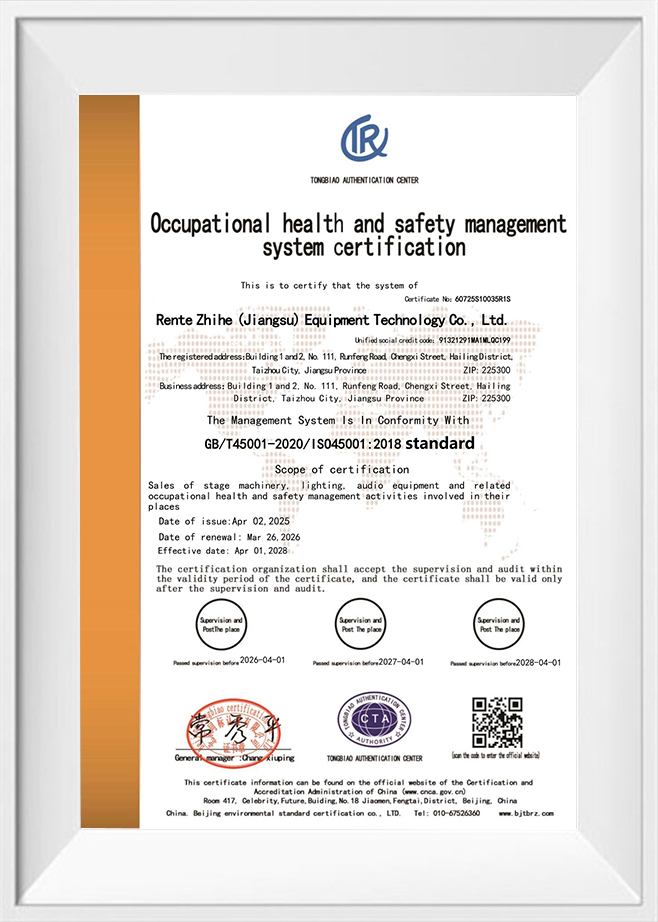
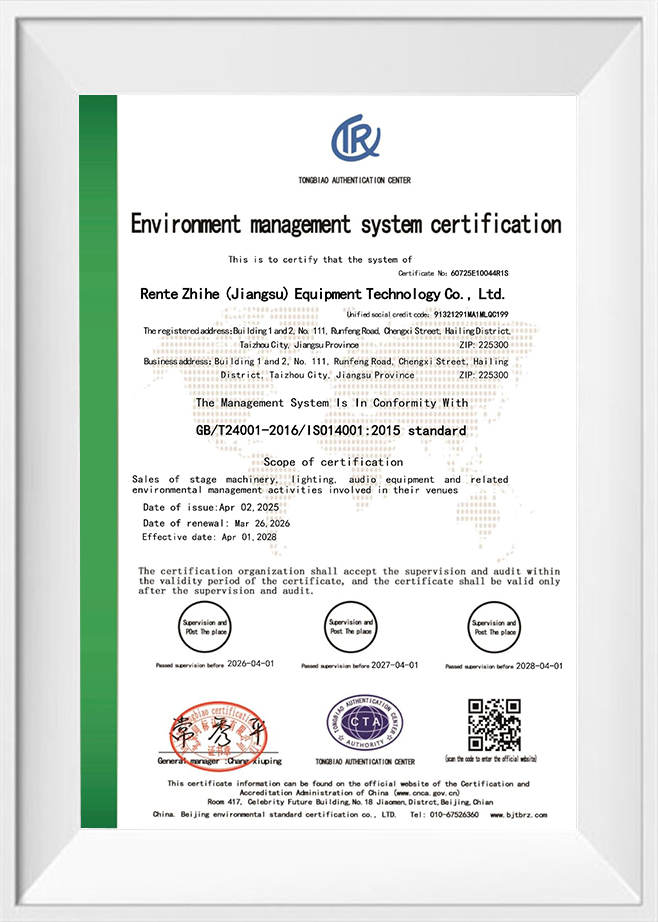
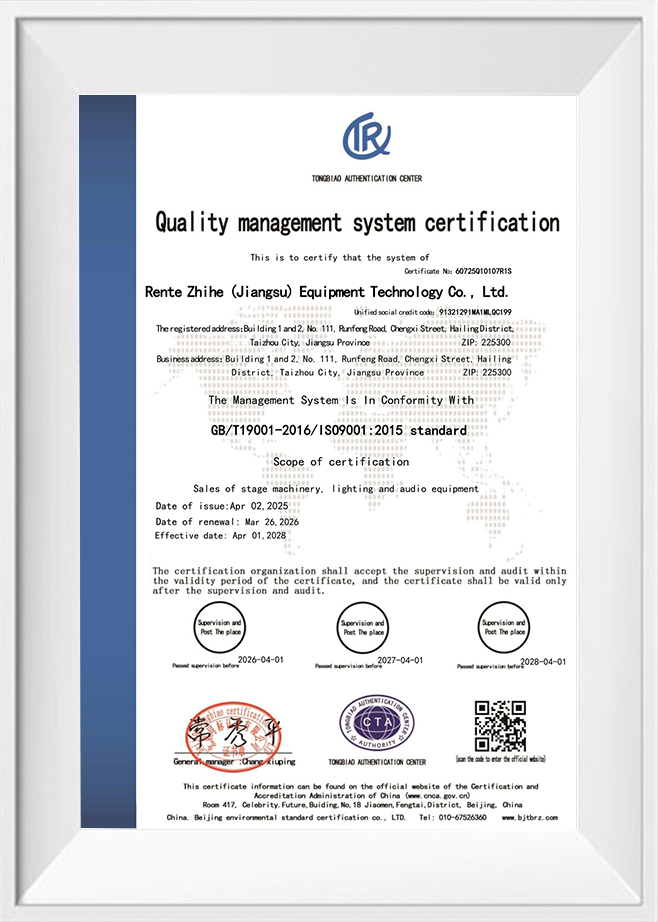
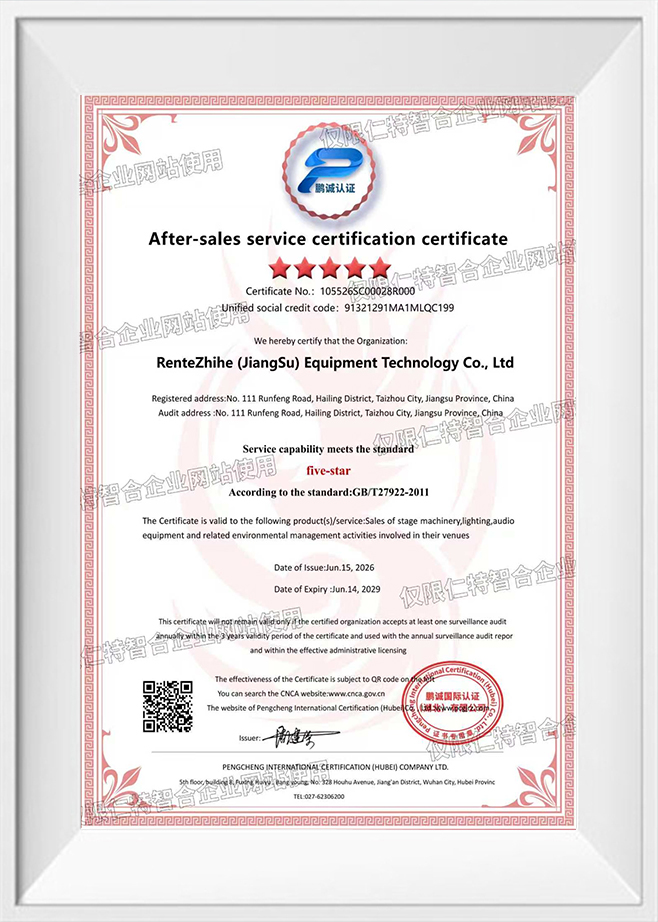
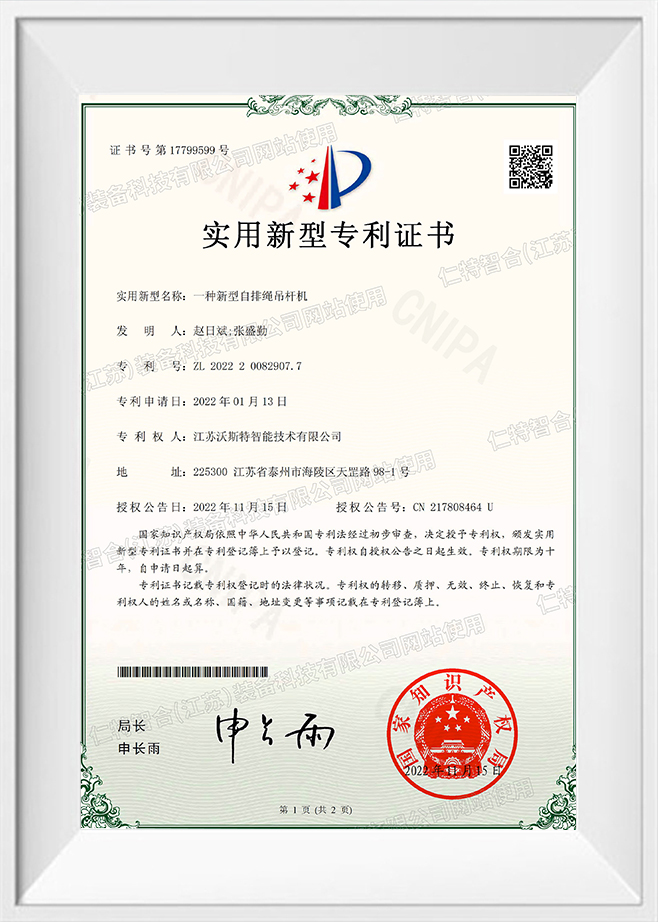
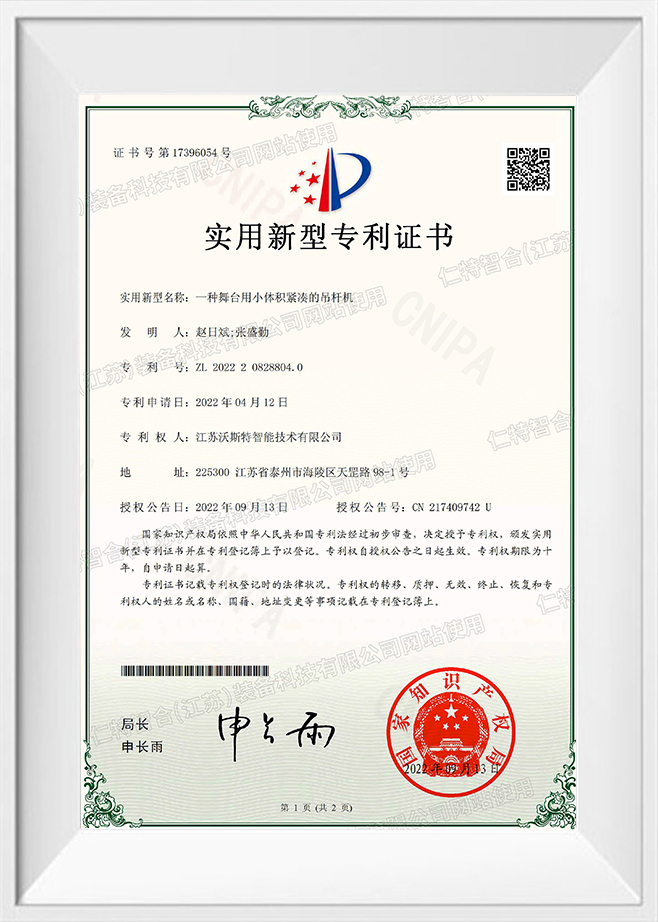
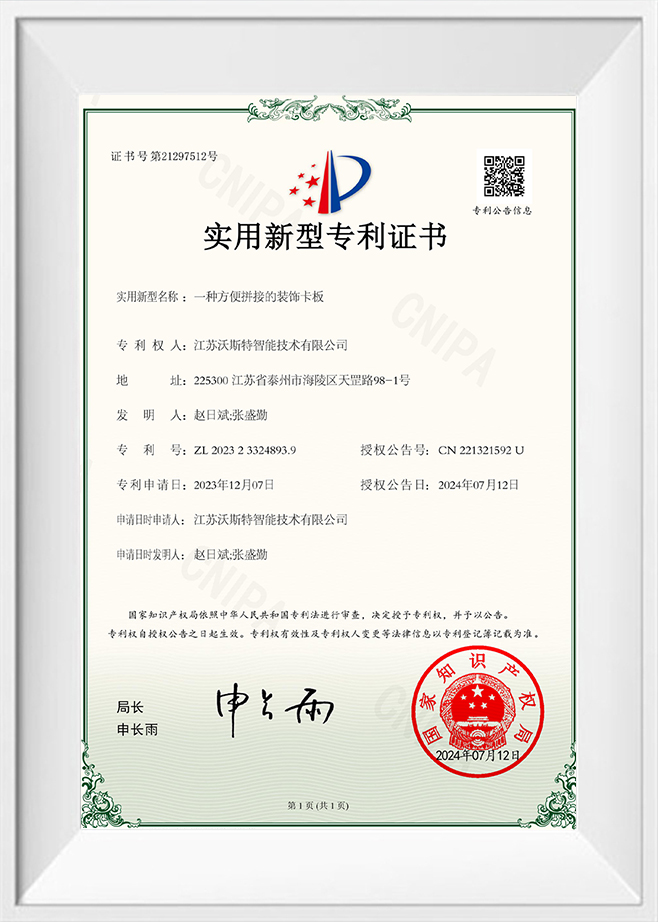
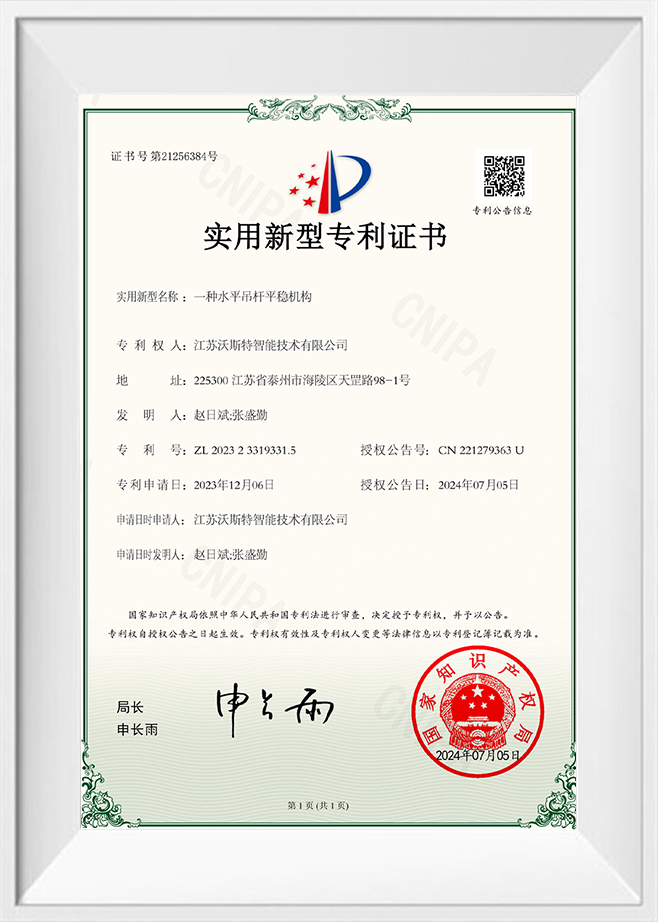
Rentezhihe (Jiangsu) Equipment Technology Co., Ltd. is a high-tech enterprise specializing in the research, development, and manufacturing of stage machinery, performance equipment, and intelligent control systems. The company provides integrated intelligent solutions designed to deliver safe, stable, and efficient operation for modern performance venues.
Its production base covers approximately 20,000 square meters, including an 11,000-square-meter manufacturing workshop and 7,500 square meters dedicated to research, development, and office facilities. The factory is equipped with more than 30 advanced CNC processing machines, supporting precision manufacturing across the complete production process—from raw material processing to final assembly.
The company also supports the customization of multiple specifications of stage machinery while maintaining an annual production capacity exceeding 5,000 units, enabling efficient delivery for projects of varying scales.
To ensure dependable product performance, comprehensive quality management is implemented throughout every manufacturing stage, including:
- Full-process quality inspection
- Process control during manufacturing
- Multiple verification procedures for key components
- Complete testing and commissioning before delivery
- Continuous optimization of the quality management system
This manufacturing capability provides a strong foundation for producing reliable high-capacity pilewind stage winches capable of supporting demanding stage applications.
Conclusion
A high-capacity pilewind stage winch significantly improves lifting efficiency by combining high load capability, orderly cable management, precision positioning, intelligent control, and durable structural design. Compared with traditional lifting equipment, it reduces cable wear, minimizes maintenance, shortens setup time, and enhances operational reliability.
FAQ
1. What is the main advantage of a high-capacity pilewind stage winch?
Its primary advantage is combining heavy lifting capability with automatic cable arrangement, which improves lifting stability, reduces cable wear, and increases operational efficiency.
2. How does a heavy duty pilewind hoist reduce maintenance?
The pilewind mechanism distributes the wire rope evenly across the drum, minimizing friction, preventing cable overlap, and extending the service life of both the rope and mechanical components.
3. Where are high-capacity pilewind stage winches commonly used?
They are widely used in theaters, concert halls, cultural centers, stadiums, television studios, exhibition venues, conference centers, and other multi-functional performance facilities.
4. Can a high-capacity pilewind stage winch support intelligent control systems?
Yes. Modern systems can integrate with intelligent control platforms for remote operation, synchronized lifting, position control, speed adjustment, and real-time monitoring.
5. Why is cable management important in stage lifting systems?
Proper cable management ensures smooth winding, prevents rope damage, improves lifting accuracy, reduces downtime, and enhances the overall reliability of stage machinery.

 中文简体
中文简体
 English
 русский
 Français
 Español
 عربى
عربى