How Does a Self-Aligning Pilewind Stage Winch Reduce Cable Wear?
Cable wear is one of the most common factors affecting the service life, operational stability, and maintenance costs of stage lifting equipment. During repeated lifting cycles, uneven cable winding, excessive lateral force, poor alignment, and inconsistent tension can gradually damage steel wire ropes, resulting in reduced performance and increased maintenance requirements.
A self-aligning pilewind stage winch is designed to address these challenges through an intelligent cable-guiding mechanism that automatically maintains orderly cable winding throughout the lifting process. Compared with conventional systems, this solution significantly improves cable management while supporting precise and stable stage operations.
As theaters, cultural centers, concert halls, and multi-functional venues continue to adopt intelligent stage machinery, the demand for highly reliable stage pilewind stage winch systems has steadily increased. Understanding how these systems reduce cable wear helps engineers, designers, and venue operators select more efficient stage lifting equipment.
Understanding the Working Principle of a Self-Aligning Pilewind Stage Winch
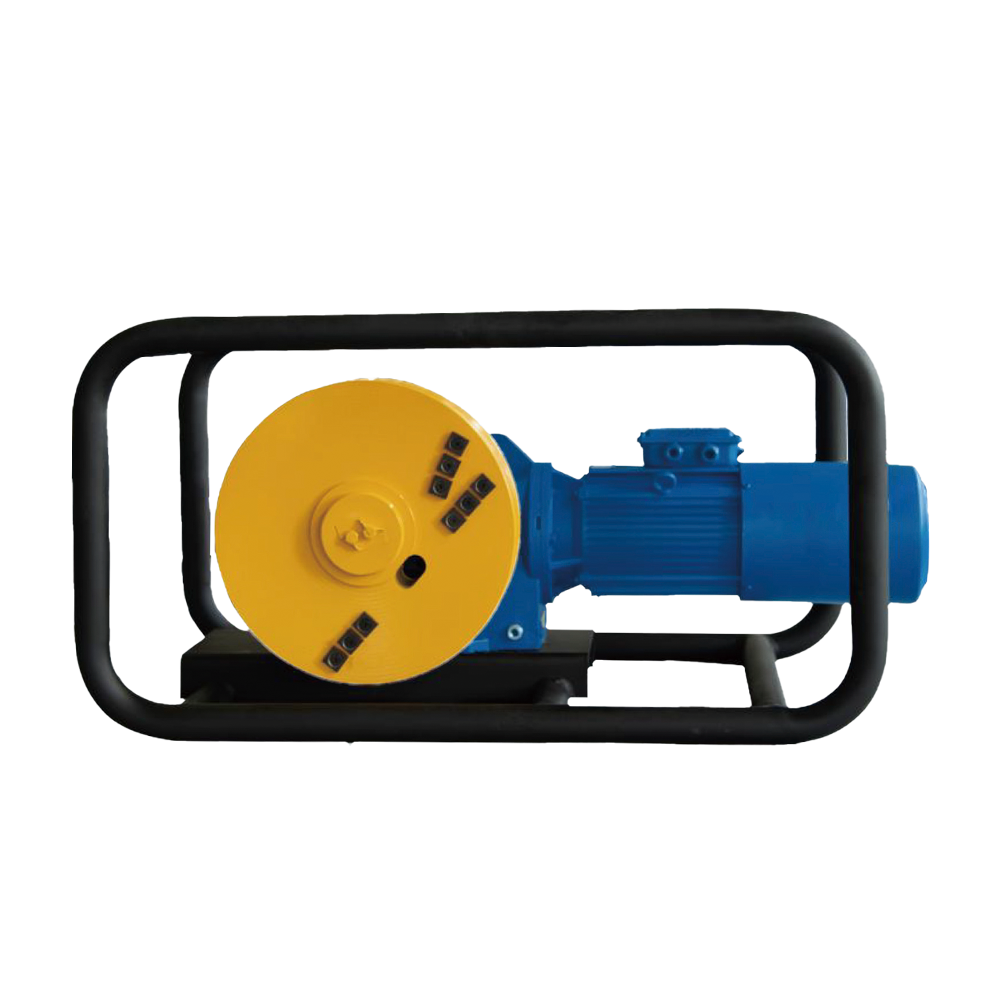
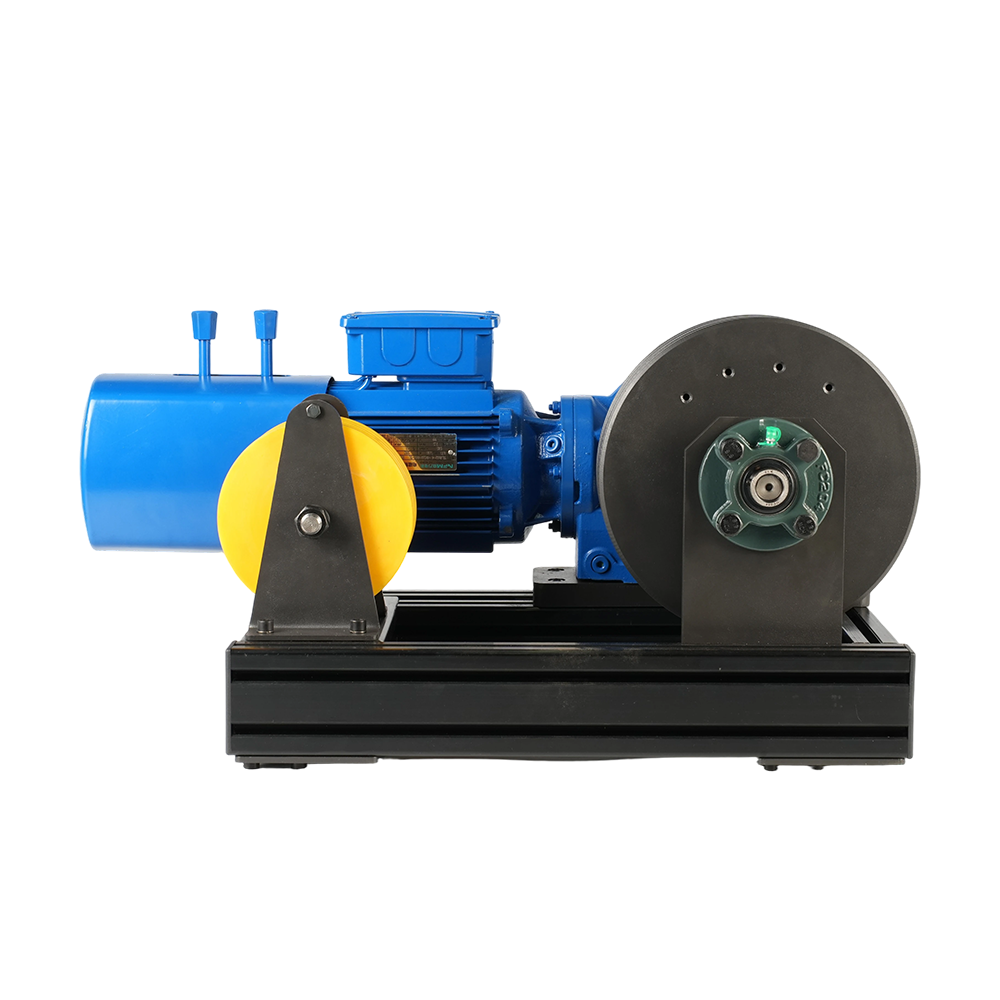
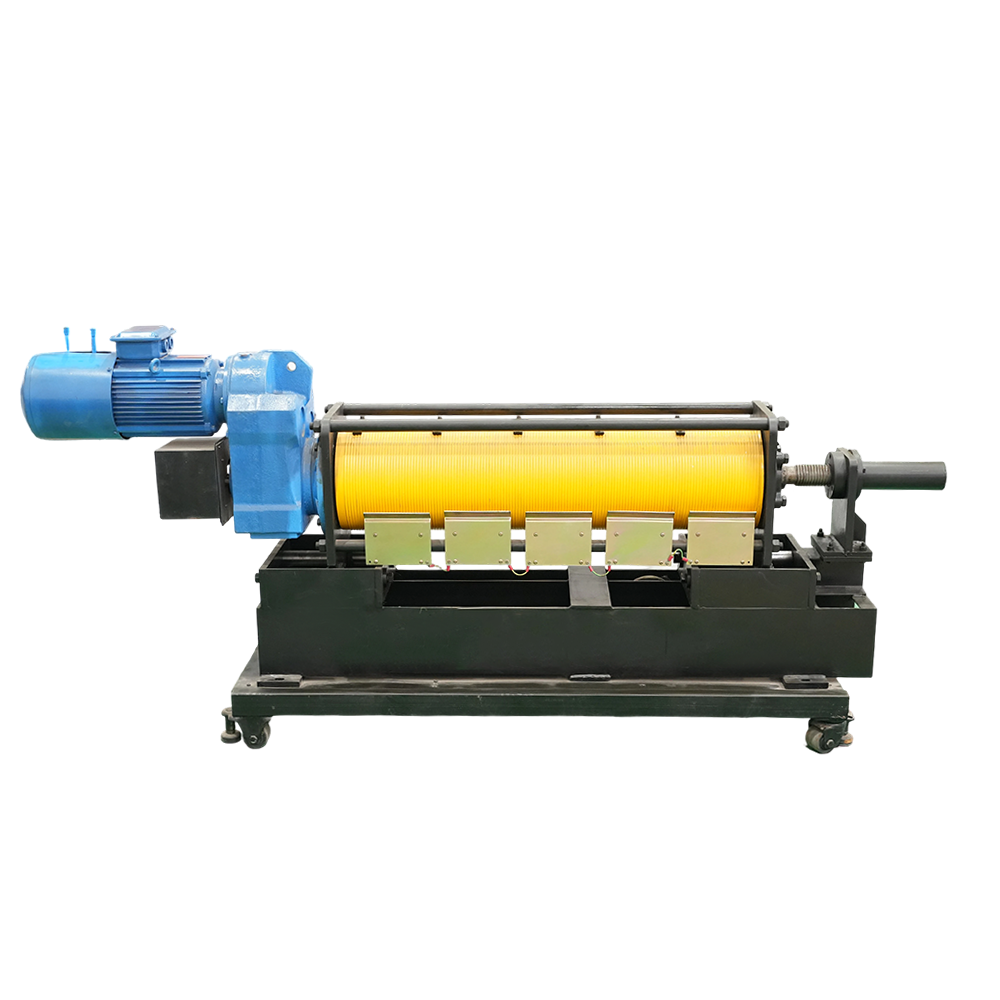
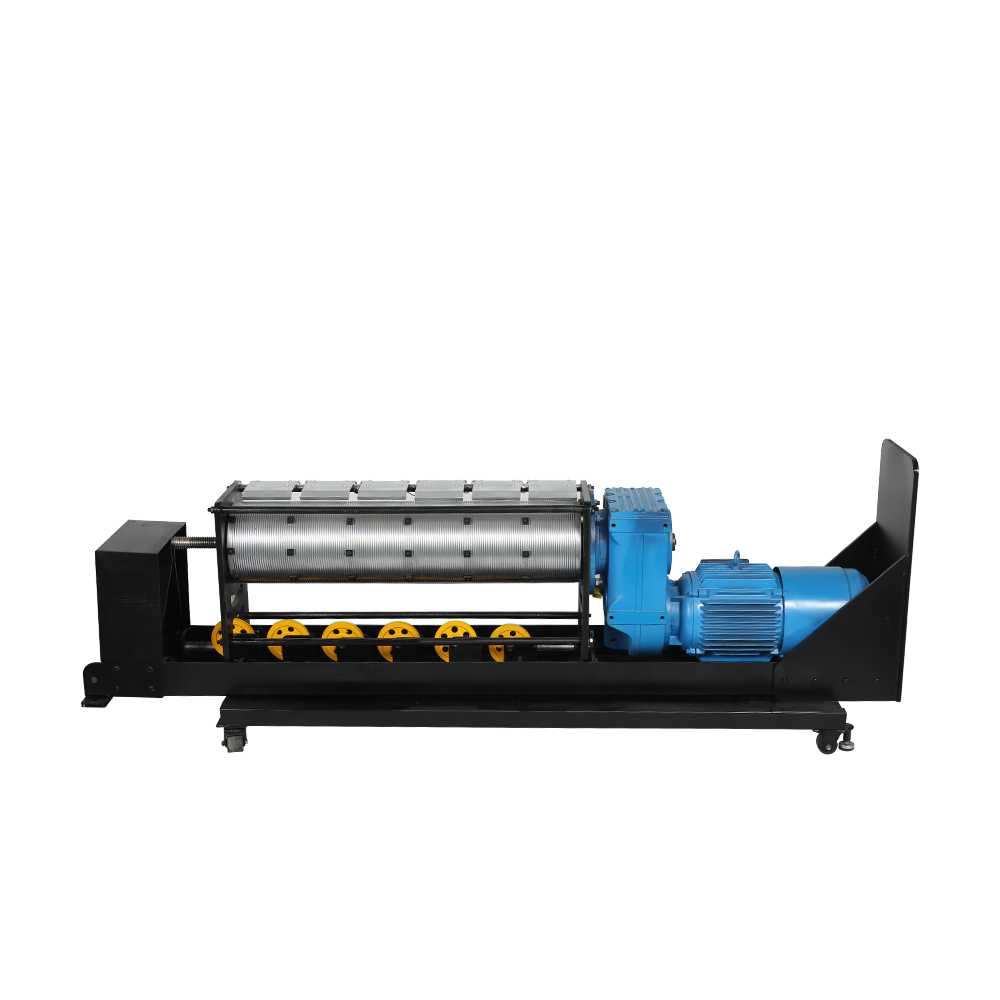
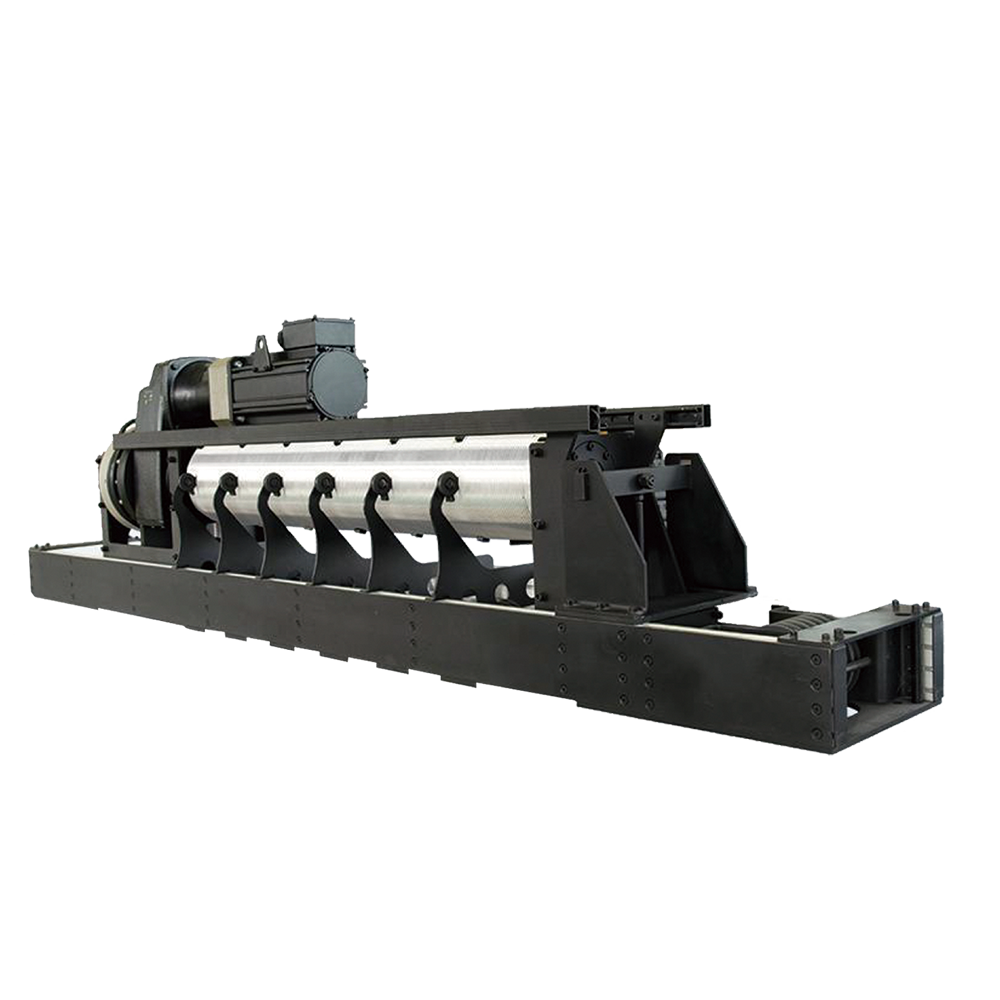
A self-aligning pilewind stage winch is an advanced lifting device designed for stage machinery applications where steel wire ropes must be wound repeatedly onto a drum while maintaining consistent alignment.
Unlike conventional winches that rely on fixed winding paths, the self-aligning mechanism continuously adjusts the cable position as the drum rotates. This automatic positioning ensures that each cable layer is evenly distributed without overlapping or excessive side pressure.
The result is:
- Uniform cable winding
- Stable lifting performance
- Reduced friction between cable layers
- Improved wire rope lifespan
- Higher positioning accuracy
This design makes the self-aligning pilewind stage winch particularly suitable for performance venues that require frequent lifting operations and precise synchronization.
Why Does Cable Wear Occur in Traditional Stage Winches?
Cable wear is rarely caused by a single factor. Instead, it is usually the result of multiple mechanical stresses accumulating over time.
Common causes include:
| Cause |
Effect on Cable |
| Uneven cable winding |
Localized abrasion and deformation |
| Cable crossover |
Increased surface friction |
| Excessive side pressure |
Wire rope flattening |
| Misaligned cable path |
Accelerated strand fatigue |
| Inconsistent tension |
Irregular cable stretching |
| Frequent start-stop operation |
Repeated mechanical stress |
Common causes of cable wear in traditional stage winches and their effects.
When these conditions continue during daily operation, the cable gradually loses flexibility, increasing the possibility of premature replacement.
How the Self-Aligning Mechanism Reduces Cable Wear
1. Automatic Cable Alignment
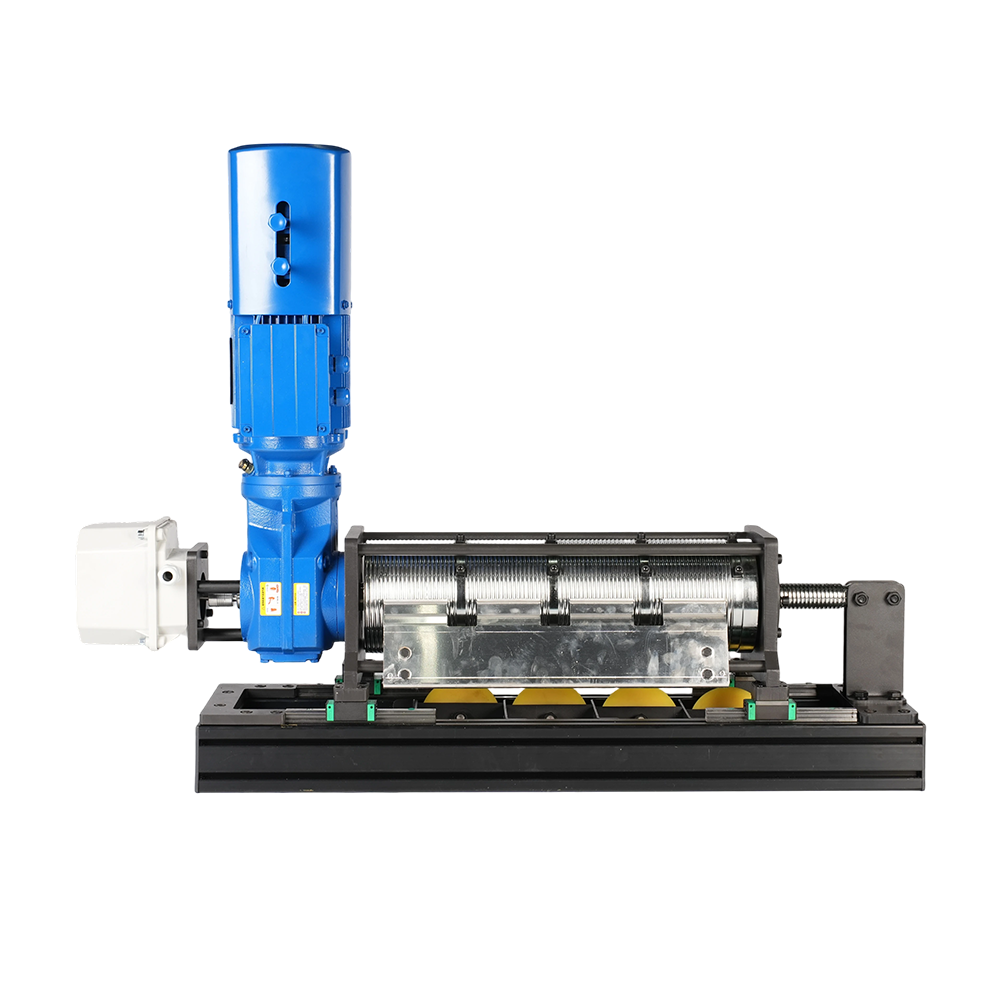
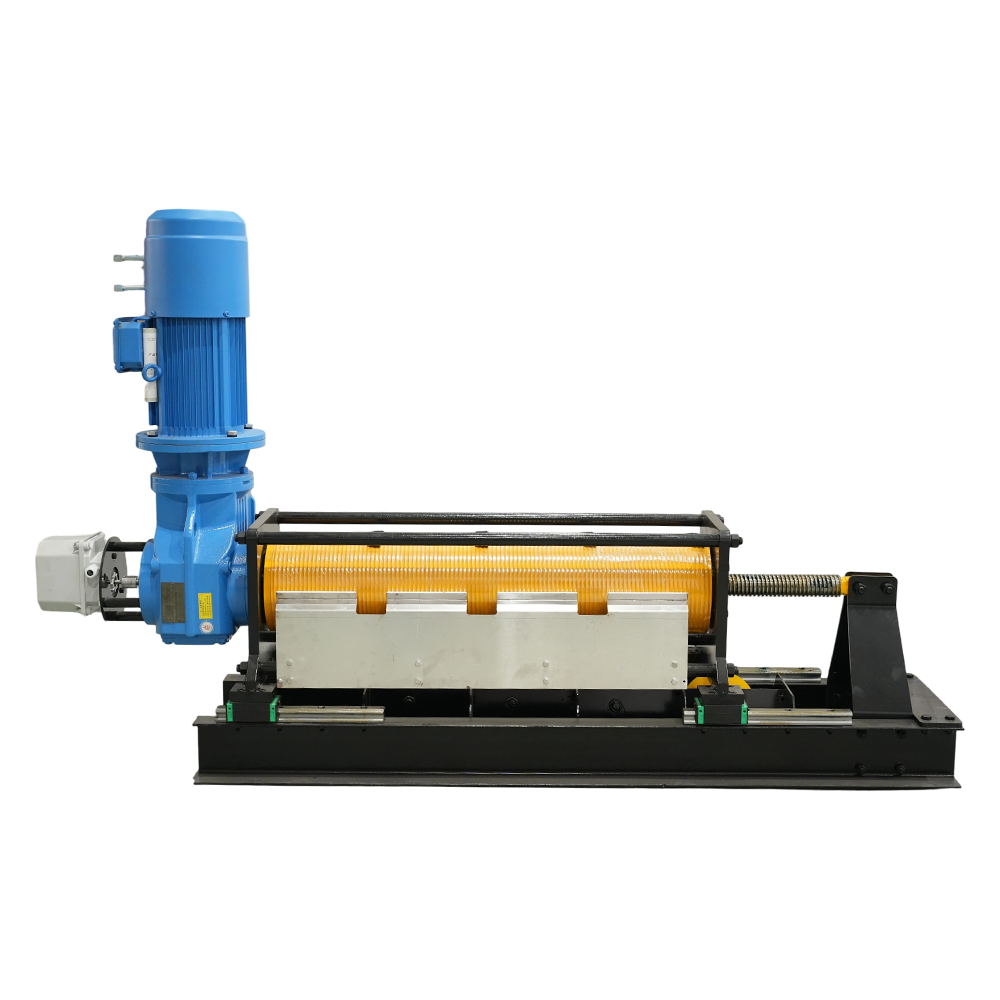
The most important feature of a self-aligning pilewind stage winch is its automatic cable-guiding capability.
As the drum rotates, the guide system continuously adjusts the cable position so that every winding layer remains parallel and evenly distributed.
Benefits include:
- Reduced cable crossing
- Consistent winding pattern
- Lower contact pressure
- Less surface abrasion
Because the cable follows its intended path naturally, unnecessary mechanical stress is greatly reduced.
2. Uniform Load Distribution
Uneven loading is one of the leading causes of wire rope fatigue.
A properly designed stage pilewind stage winch distributes lifting forces evenly across the entire cable length instead of concentrating stress at individual contact points.
This balanced load distribution helps:
- Prevent localized deformation
- Reduce internal strand fatigue
- Improve lifting consistency
- Extend service intervals
Uniform force transmission also contributes to smoother lifting motion throughout the entire travel distance.
3. Reduced Friction Between Cable Layers
When cables overlap or wind irregularly, friction increases significantly during each lifting cycle.
The self-aligning mechanism maintains orderly cable stacking, allowing adjacent cable layers to contact each other evenly without excessive rubbing.
Lower friction means:
- Reduced surface wear
- Lower heat generation
- Improved lubrication retention
- Longer cable service life
This becomes particularly valuable in venues with frequent rehearsals and daily performances.
4. Stable Cable Entry Angle
The cable entry angle directly influences bending stress.
If the cable enters the drum at an improper angle, repeated bending accelerates fatigue and shortens the lifespan of the wire rope.
A self-aligning pilewind stage winch continuously maintains an optimized cable entry position, reducing unnecessary bending during every winding cycle.
Advantages include:
- Lower bending fatigue
- Improved cable flexibility
- Smoother drum winding
- Better long-term reliability
5. Consistent Cable Tension
Stable tension is essential for maintaining orderly cable winding.
Modern self-aligning systems help keep cable tension more consistent throughout lifting and lowering operations, preventing loose winding and sudden tension fluctuations.
Consistent tension supports:
- Accurate positioning
- Reduced vibration
- Improved lifting stability
- Lower maintenance frequency
Functional Advantages of a Self-Aligning Pilewind Stage Winch
| Function |
Practical Benefit |
| Automatic cable alignment |
Reduces cable crossover |
| Precise pile winding |
Improves winding consistency |
| Stable lifting control |
Enhances operational accuracy |
| Intelligent cable guidance |
Minimizes friction |
| Smooth drum winding |
Extends wire rope lifespan |
| Reliable load transmission |
Improves equipment durability |
Key functions of the self-aligning mechanism and their practical benefits.
Material Selection Also Influences Cable Durability
The effectiveness of cable protection depends not only on the alignment system but also on the materials used throughout the winch structure.
| Component |
Typical Material |
Benefit |
| Drum |
High-strength steel |
Excellent structural rigidity |
| Wire rope |
Galvanized or stainless steel |
High fatigue resistance |
| Cable guide |
Wear-resistant alloy |
Reduced friction |
| Bearing system |
Precision alloy steel |
Smooth rotation |
| Frame |
Structural steel |
Long-term stability |
Typical materials used across key winch components and their benefits.
Selecting suitable materials helps ensure that the self-aligning pilewind stage winch maintains reliable performance under continuous operation.
Typical Applications
Because of its precision and durability, the stage pilewind stage winch is widely used in a variety of performance environments.
Typical applications include:
- Professional theaters
- Performing arts centers
- Cultural venues
- Concert halls
- Conference centers
- Television studios
- Stadium performance systems
- Multi-functional event spaces
In these environments, frequent lifting operations require dependable cable management and long-term operational reliability.
Intelligent Stage Systems Require Reliable Cable Management
As intelligent stage control systems continue to evolve, lifting equipment is expected to operate with greater precision and lower maintenance requirements.
A self-aligning pilewind stage winch integrates mechanical precision with intelligent control, making it an important component of modern stage automation systems.
Its orderly cable winding supports:
- Accurate synchronization
- Stable lifting performance
- Reduced maintenance downtime
- Improved operational safety
- Longer equipment service life
These advantages contribute to more efficient stage operation while helping reduce the total lifecycle cost of lifting equipment.
About Rentezhihe
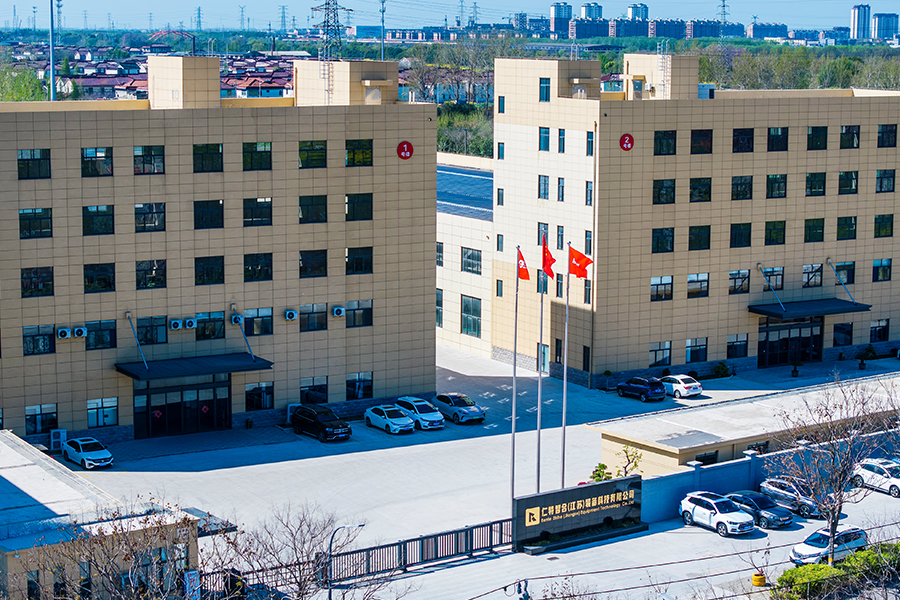
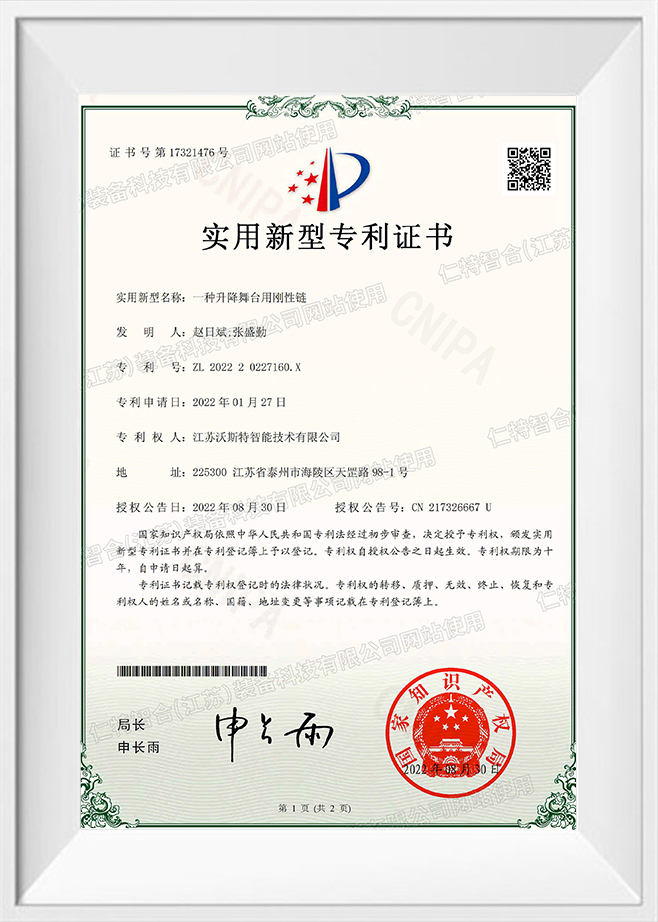
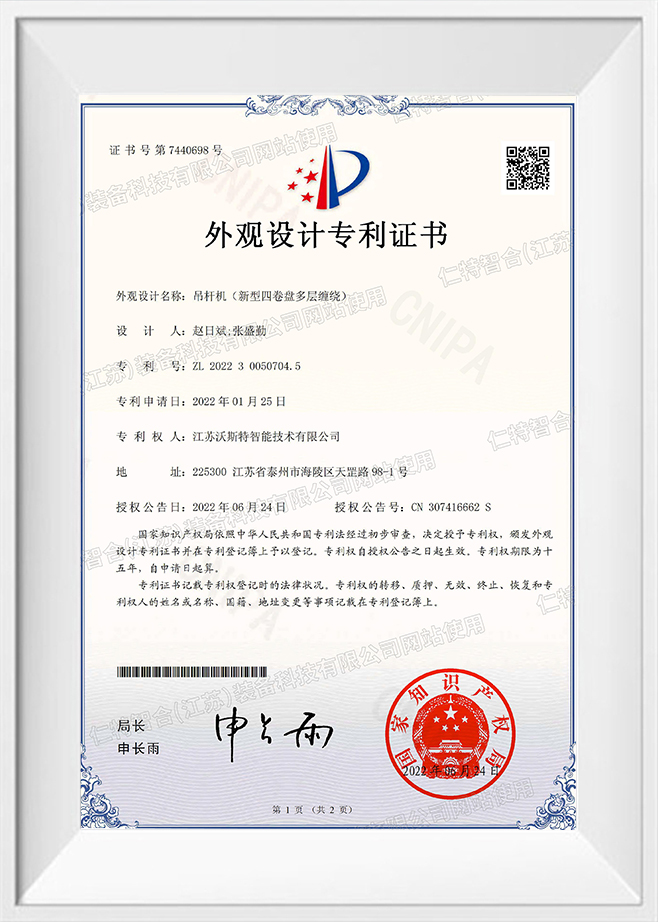
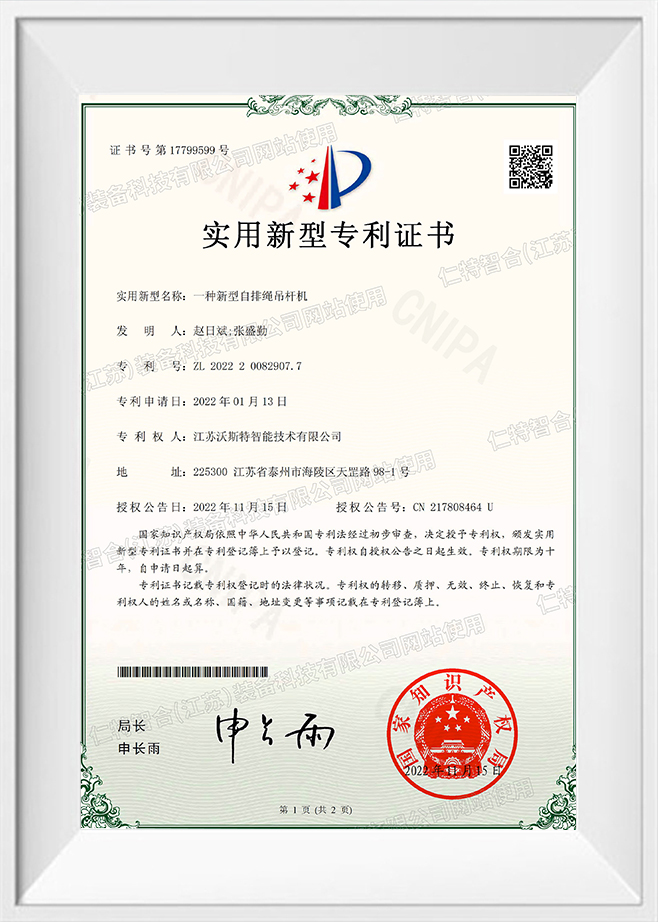
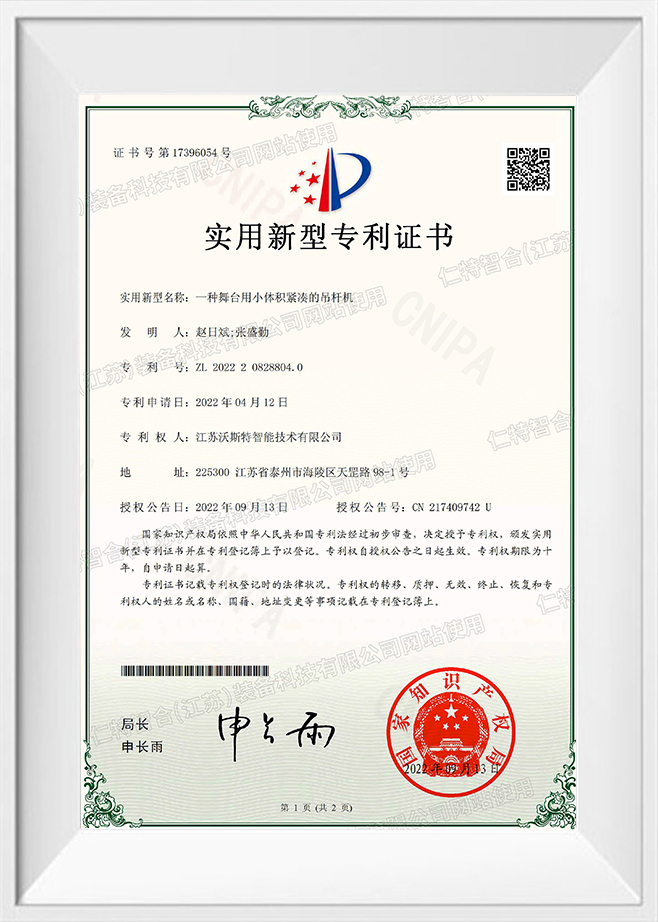
Rentezhihe (Jiangsu) Equipment Technology Co., Ltd. is a high-tech enterprise specializing in the research, development, and manufacturing of stage machinery, performance equipment, and intelligent control systems.
The company is dedicated to providing safe, stable, and integrated intelligent solutions for various performance venues. With years of industry experience and technological expertise, it has established a comprehensive service system covering equipment design, manufacturing, installation, commissioning, operation, and maintenance.
Its products are widely used in theaters, cultural centers, stadiums, conference centers, and multi-functional performance spaces. Supported by reliable engineering capabilities and consistent product performance, the company has completed projects across domestic and international markets.
The production base covers approximately 20,000 square meters, including an 11,000-square-meter modern manufacturing workshop and a 7,500-square-meter R&D and office facility. A complete production and processing system supports the entire manufacturing process, from raw material processing to complete machine assembly, ensuring consistent product quality and dependable delivery.
Conclusion
A self-aligning pilewind stage winch significantly reduces cable wear by automatically maintaining proper cable alignment, ensuring uniform load distribution, minimizing friction, stabilizing cable entry angles, and maintaining consistent tension throughout operation. These design advantages not only extend the service life of wire ropes but also improve lifting precision, operational safety, and maintenance efficiency.
FAQ
1. What is the primary advantage of a self-aligning pilewind stage winch?
Its primary advantage is automatic cable alignment, which helps reduce cable wear, improve winding consistency, and extend the service life of the wire rope.
2. How does a self-aligning pilewind stage winch improve operational safety?
By maintaining stable cable tension and orderly winding, it reduces unexpected cable movement, improves lifting stability, and supports more reliable stage operations.
3. Where is a stage pilewind stage winch commonly used?
It is commonly installed in theaters, concert halls, cultural centers, conference venues, television studios, stadiums, and other professional performance spaces requiring precise lifting systems.
4. What materials are typically used in a self-aligning pilewind stage winch?
High-strength structural steel, precision alloy components, wear-resistant cable guides, and galvanized or stainless steel wire ropes are commonly used to achieve durability and long service life.
5. Why is proper cable alignment important in stage lifting systems?
Proper cable alignment minimizes friction, prevents cable crossover, reduces mechanical stress, improves lifting accuracy, and lowers long-term maintenance requirements.

 中文简体
中文简体
 English
 русский
 Français
 Español
 عربى
عربى