What are the benefits of using a servo motor in a zero-fleet system compared to a traditional AC motor?
In modern performance venues, stage machinery requires higher levels of accuracy, synchronization, and operational safety. The development of intelligent lifting systems has increased demand for advanced drive technologies that can respond quickly to changing performance conditions. Compared with traditional AC motor systems, servo motor technology provides improved motion control, dynamic response, and positioning accuracy, making it particularly suitable for advanced zero-fleet stage lifting applications. The servo-driven zero-fleet stage winch integrates servo control technology with adaptive rope management systems to achieve smoother movement and more reliable operation.
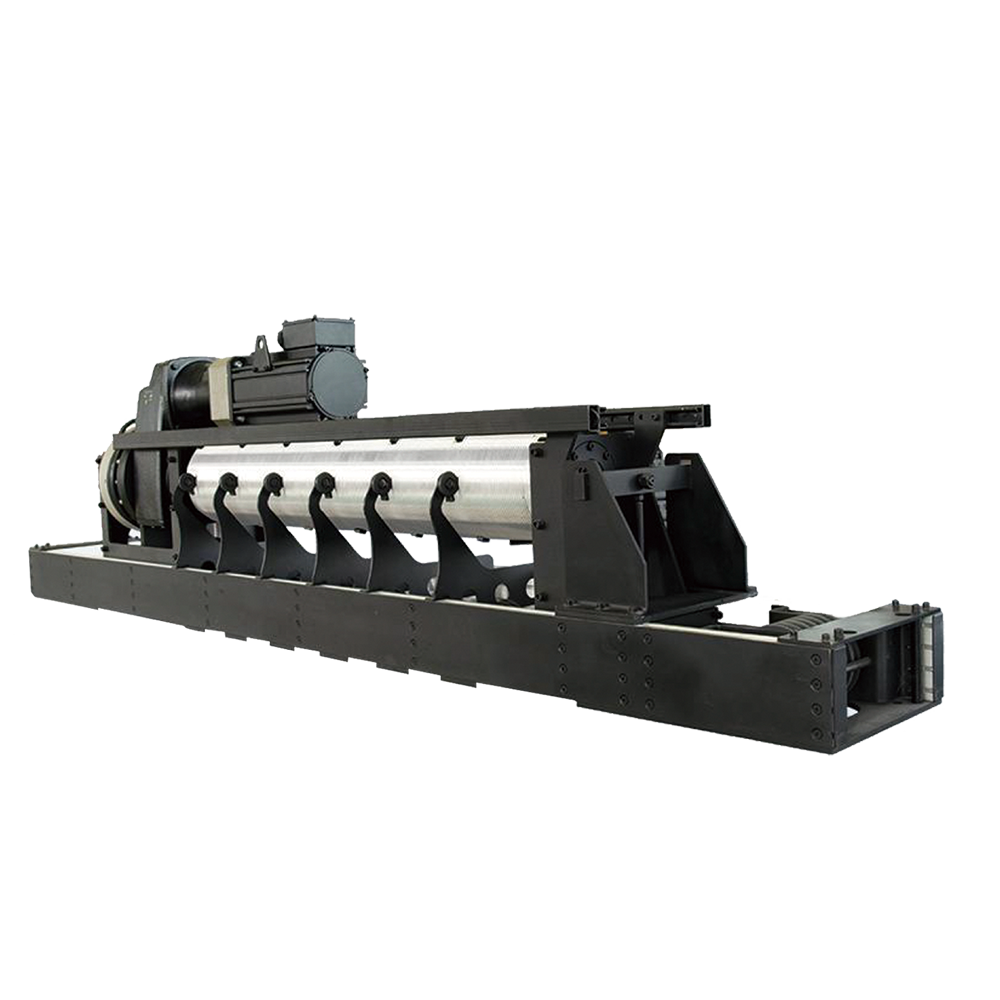
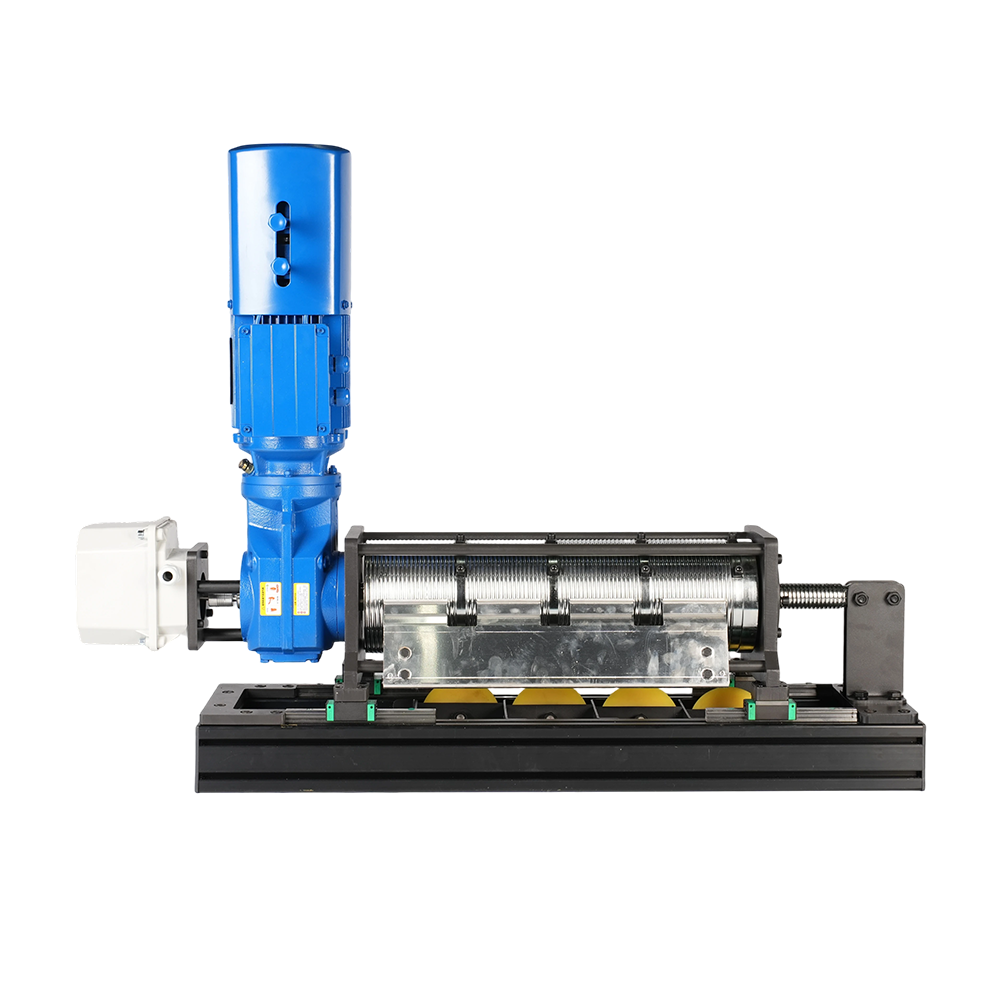
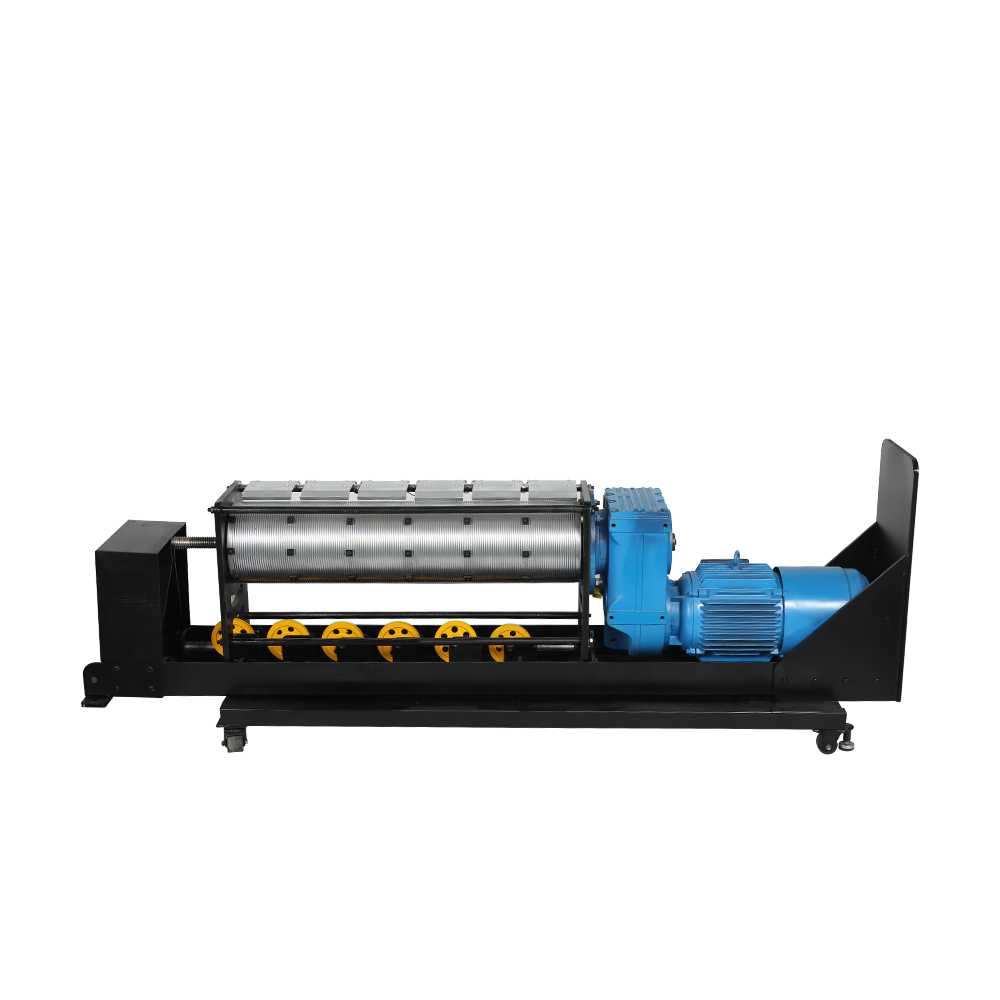
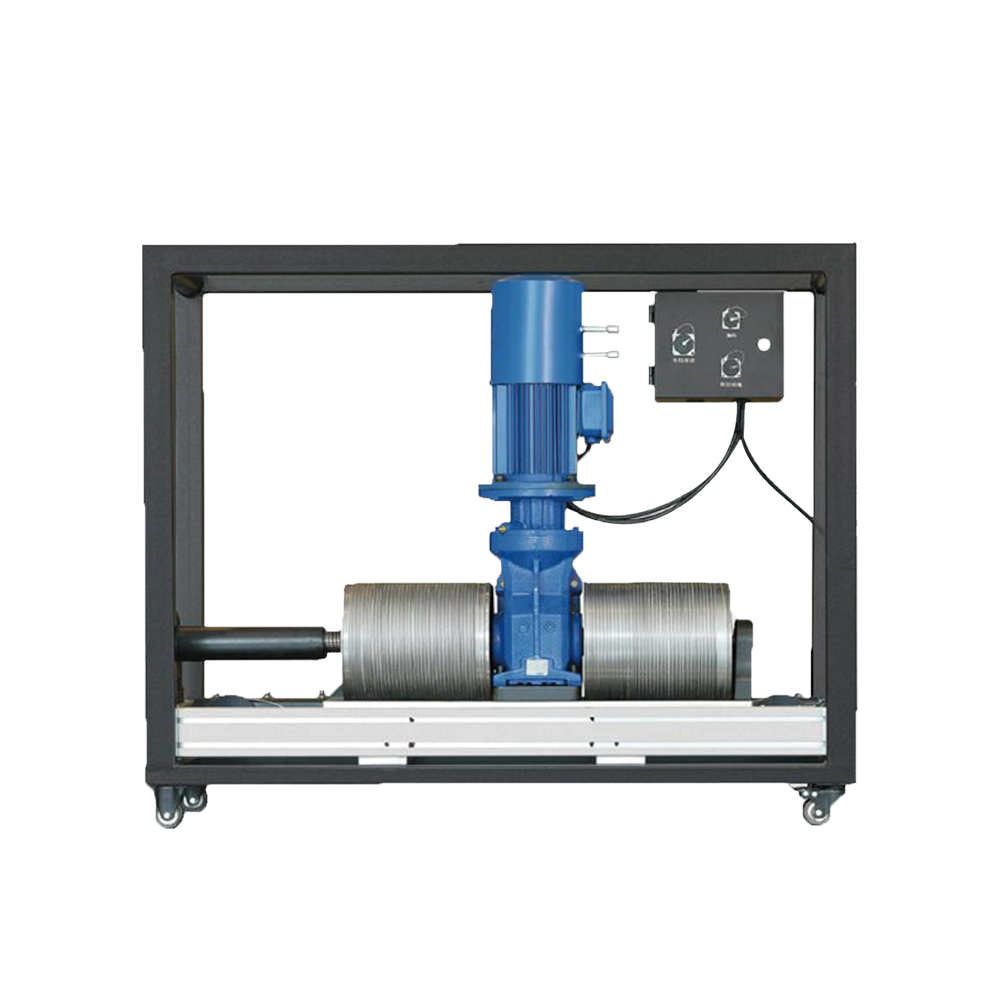
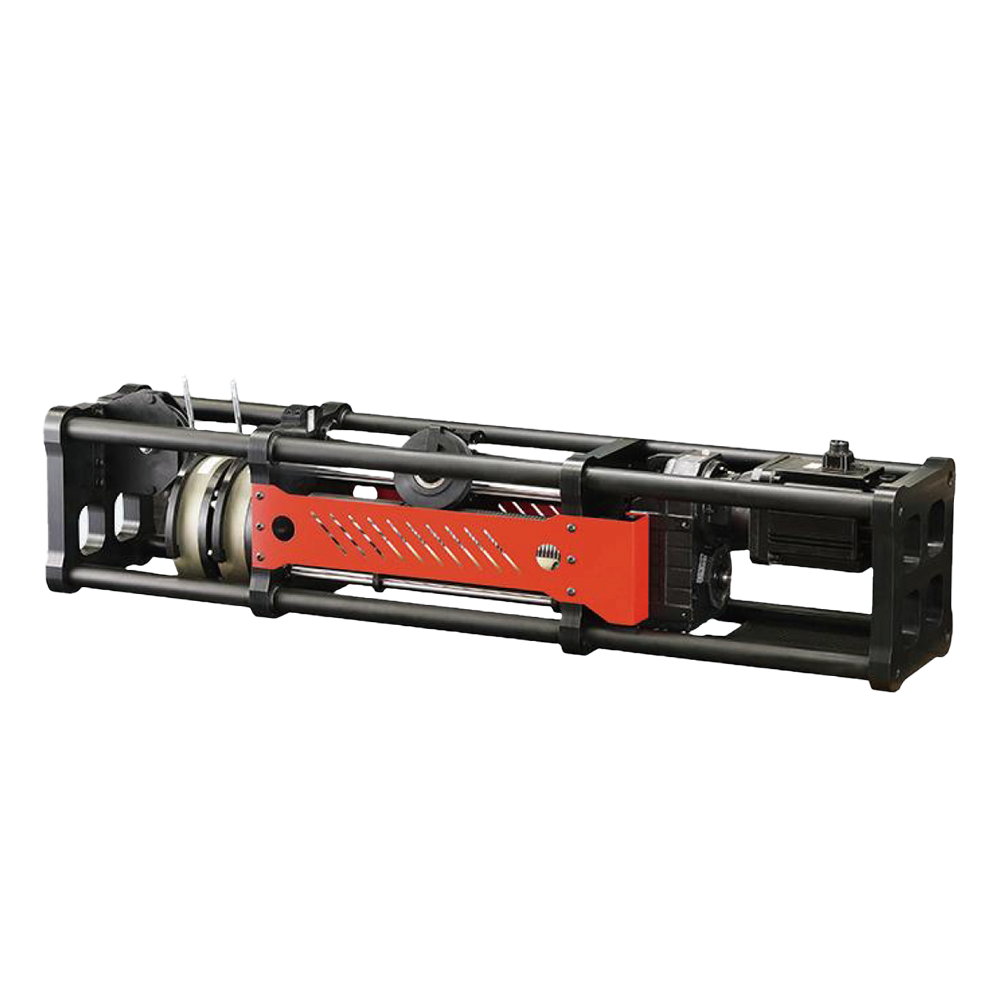
The Servo Series Stage Winch is designed for applications requiring ultimate speed and precision. Driven by an advanced electric servomotor, it provides an ultra-wide speed range suitable for complex synchronized performances and high-paced shows. The system integrates external dual brakes and payload sensors to achieve rapid response to load changes, preventing rope loosening and stacking problems. Its horizontal and vertical installation options allow flexible integration into digitally controlled stage systems. More details about this product can be found in the servo-driven zero-fleet stage winch series.
1. Servo-Driven Zero-Fleet Stage Winch: Advanced Motion Control for Precision Performances
The servo-driven zero-fleet stage winch represents an advanced category of stage lifting equipment that combines servo motor control, intelligent sensors, and adaptive zerofleet technology. Unlike conventional motor systems that mainly rely on fixed-speed operation, this category can continuously adjust movement according to performance requirements. The servo motor enables precise positioning, smooth acceleration, and stable deceleration, which are essential for theaters, cultural centers, and large performance spaces where every movement must be accurately synchronized.
The core advantage of this product category is its intelligent response capability. The integrated encoder, payload sensor, travel sensor, and rope arrangement sensors continuously monitor operating conditions. These components help the system identify load variations and maintain proper rope tension. The neat winding technology prevents overlapping and skipping during operation, improving service reliability and reducing maintenance requirements. The compact structure also allows easier installation in limited equipment spaces.
Servo-driven zero-fleet stage winch solutions are widely applied in medium and large theaters, auditoriums, multifunctional halls, and professional performance environments. Compared with traditional AC motor systems, servo technology provides more accurate control of movement paths and faster reaction to unexpected load changes. This makes it suitable for applications involving complex stage automation, synchronized scenery movement, and frequent performance changes.
- Adaptive zerofleet technology for stable rope management.
- External dual brakes for enhanced operational safety.
- Payload monitoring for intelligent load adjustment.
- Horizontal or vertical installation flexibility.
2. VFD Stage Winch: Flexible Speed Regulation for General Stage Applications
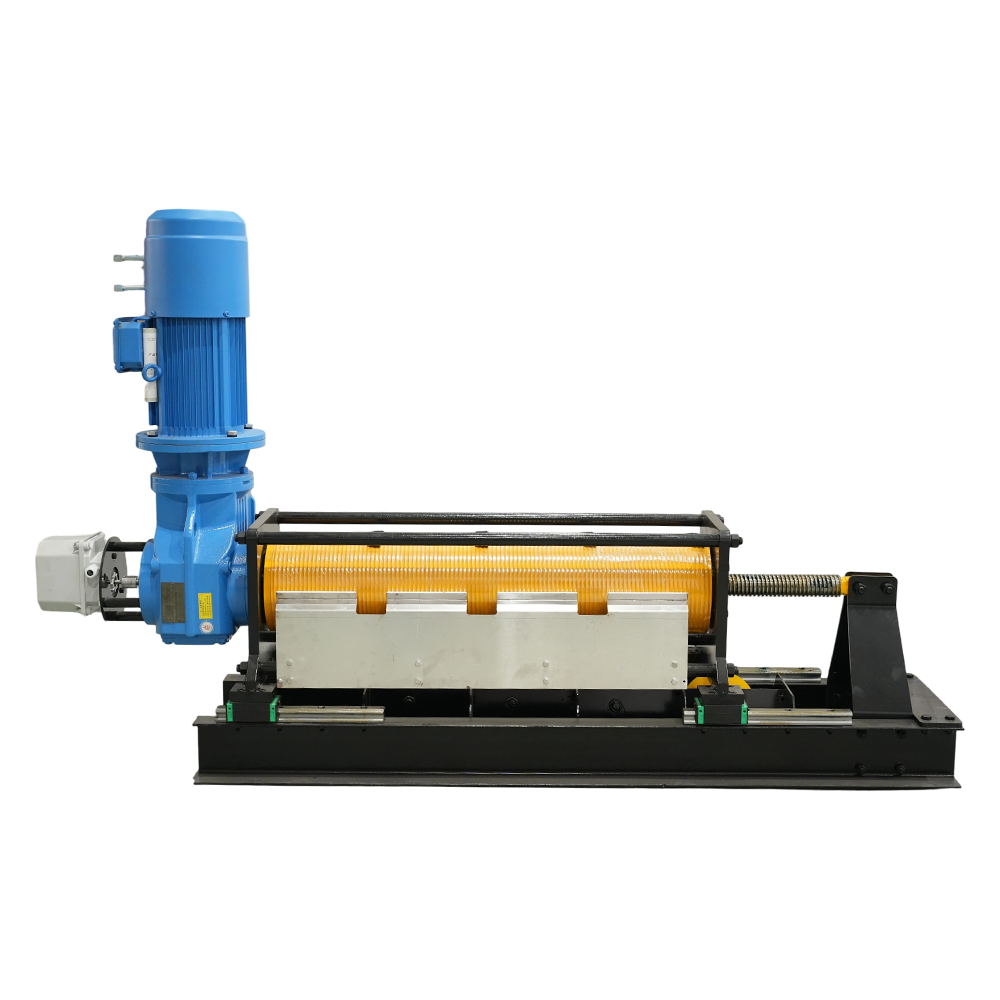
A VFD stage winch uses variable frequency drive technology to regulate motor speed and improve operational flexibility. This product category is commonly used in stage environments where smooth speed adjustment and reliable lifting performance are required. Compared with fixed-speed AC motors, VFD systems provide better control over starting and stopping processes, reducing mechanical impact during operation.
Although VFD technology improves traditional motor performance, it generally focuses on speed adjustment rather than advanced motion feedback. A VFD stage winch can achieve efficient operation in many conventional stage applications, but servo-based systems provide additional advantages through real-time position feedback and higher response sensitivity. For performances requiring precise synchronization between multiple moving elements, servo control offers stronger adaptability.
The VFD stage winch category remains valuable for venues that require dependable lifting functions with moderate precision requirements. It is often selected for stage curtains, basic scenery movement, and standard lifting operations. Compared with a servo-driven zero-fleet system, the main difference is the control method and response capability. VFD solutions regulate motor frequency, while servo systems combine speed control, position control, and feedback management.
| Product Category |
Control Technology |
Main Advantage |
Typical Application |
| Servo-driven zero-fleet stage winch |
Servo motor with intelligent feedback |
High precision and rapid response |
Large theaters, synchronized performances |
| VFD stage winch |
Variable frequency speed control |
Flexible speed adjustment |
General stage lifting systems |
| Traditional AC motor winch |
Fixed motor operation |
Simple structure and maintenance |
Basic lifting applications |
3. Intelligent Stage Machinery Solutions and Manufacturing Capability
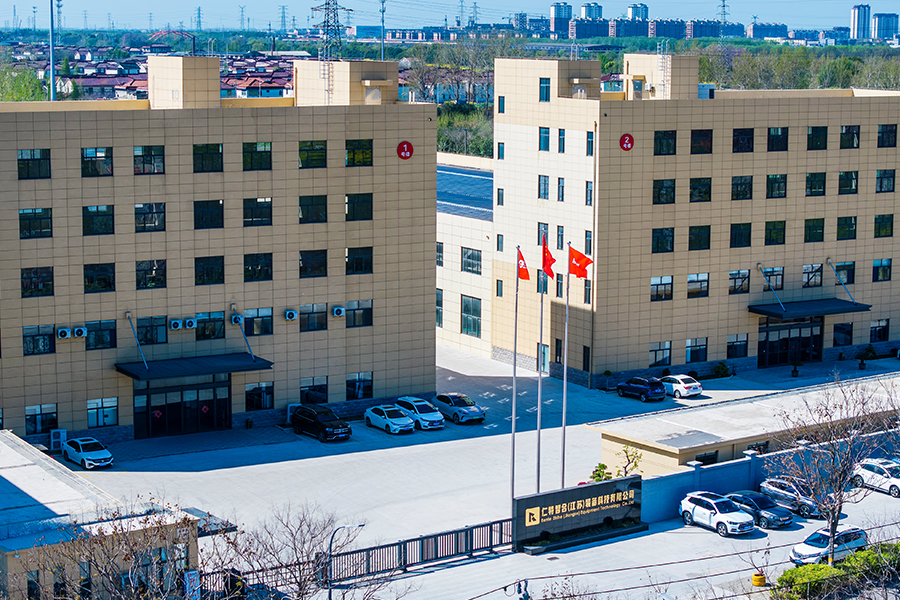
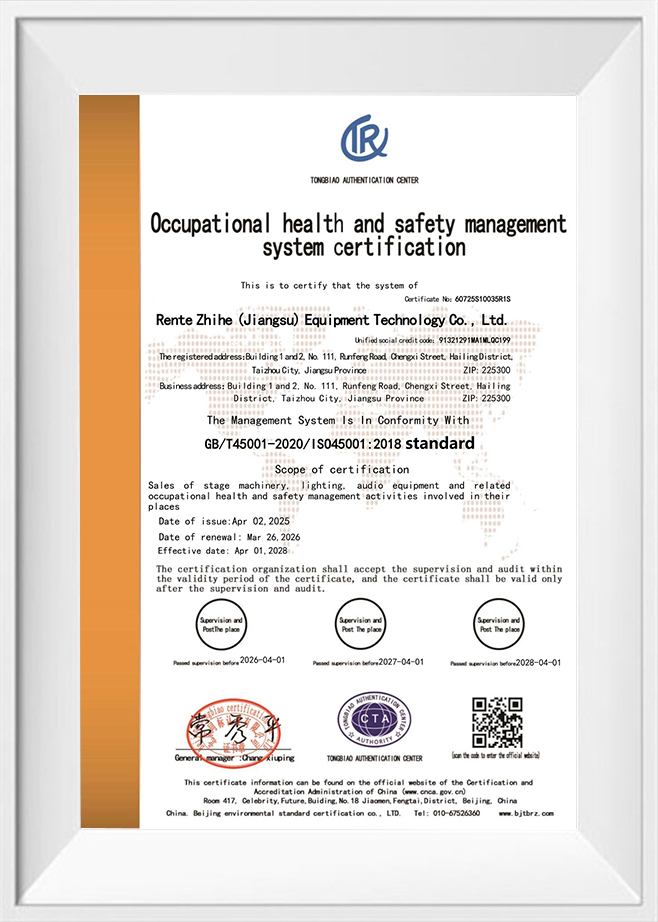
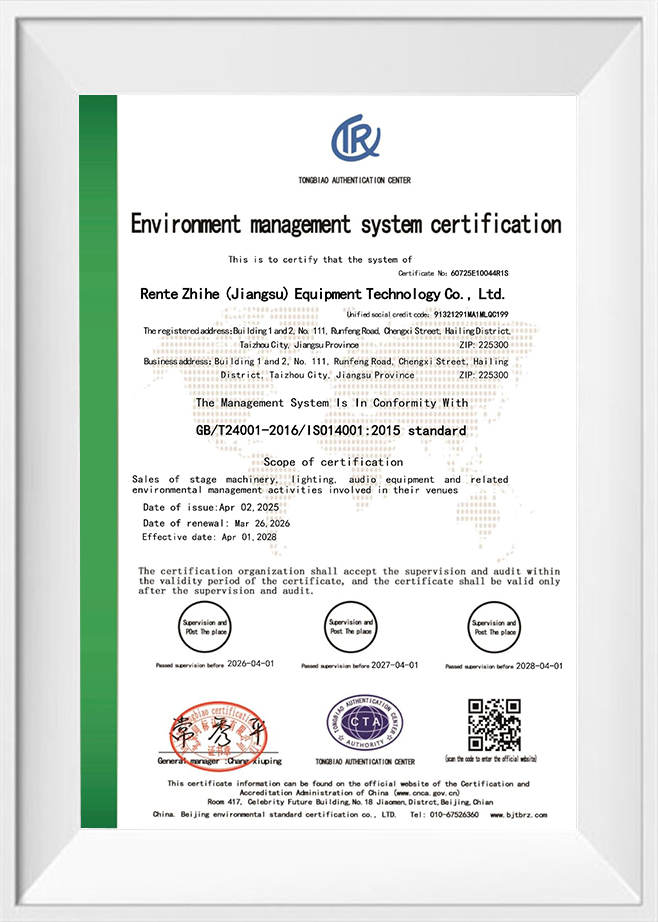
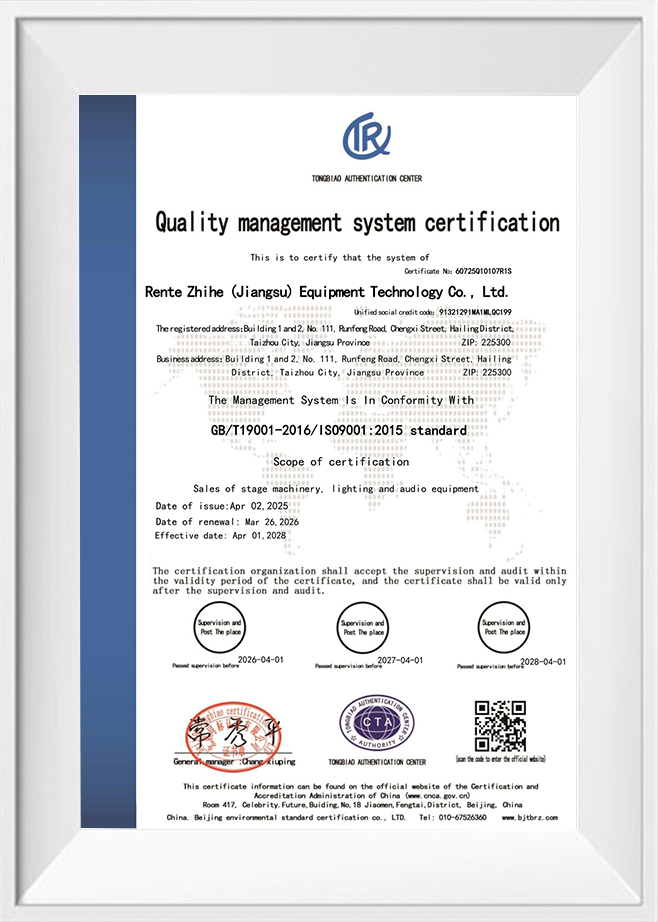
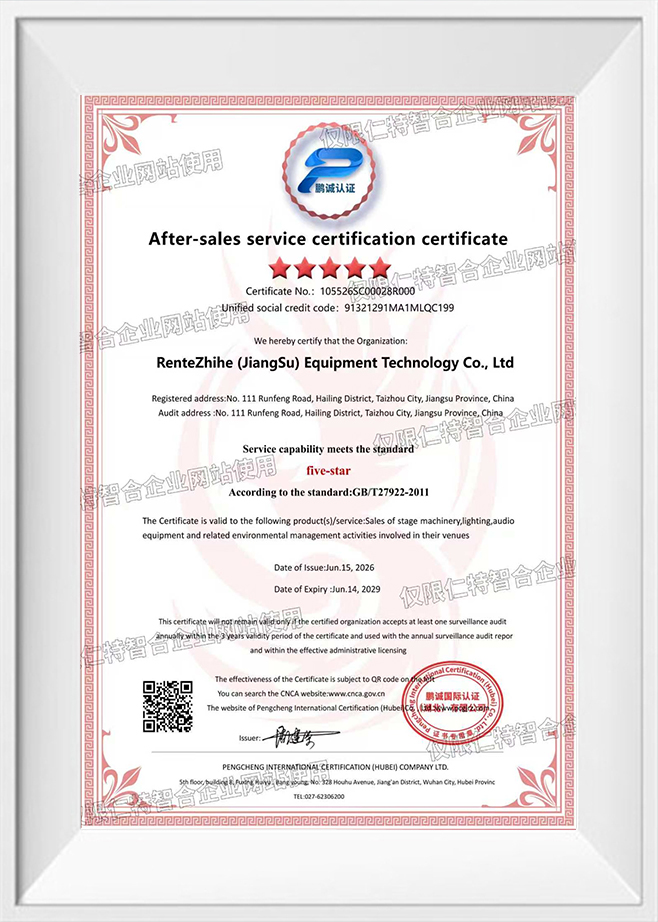
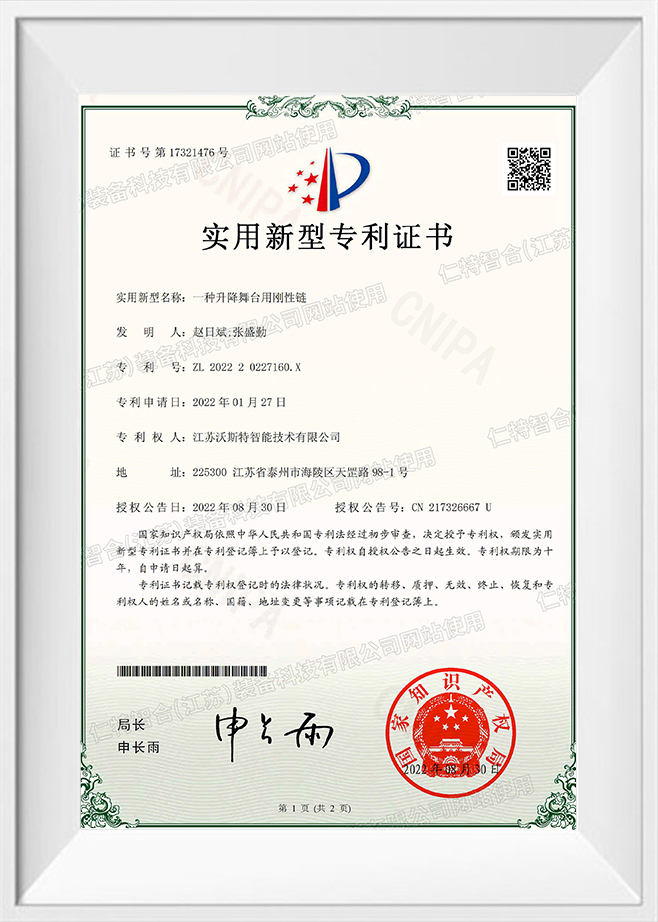
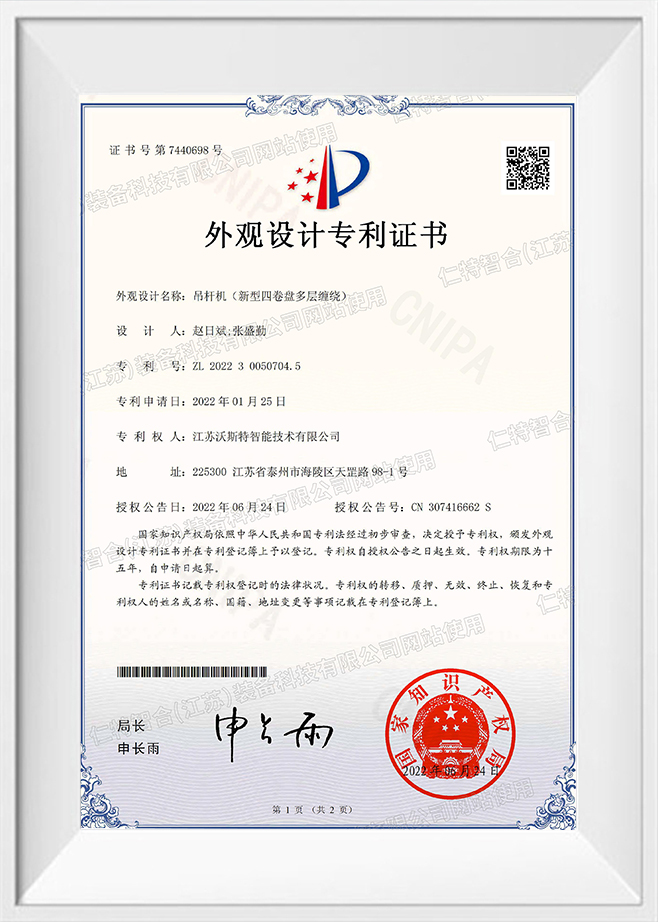
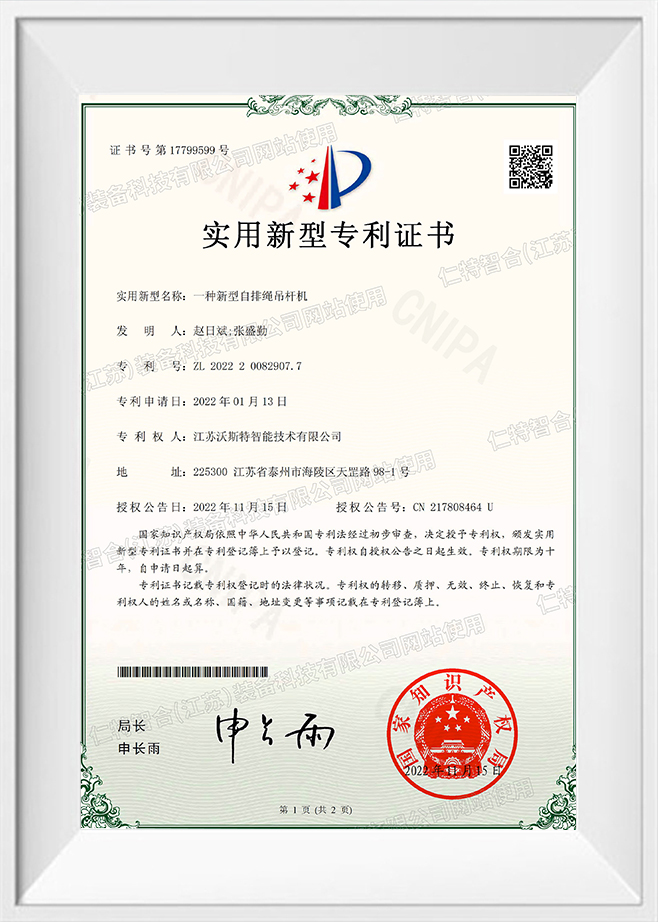
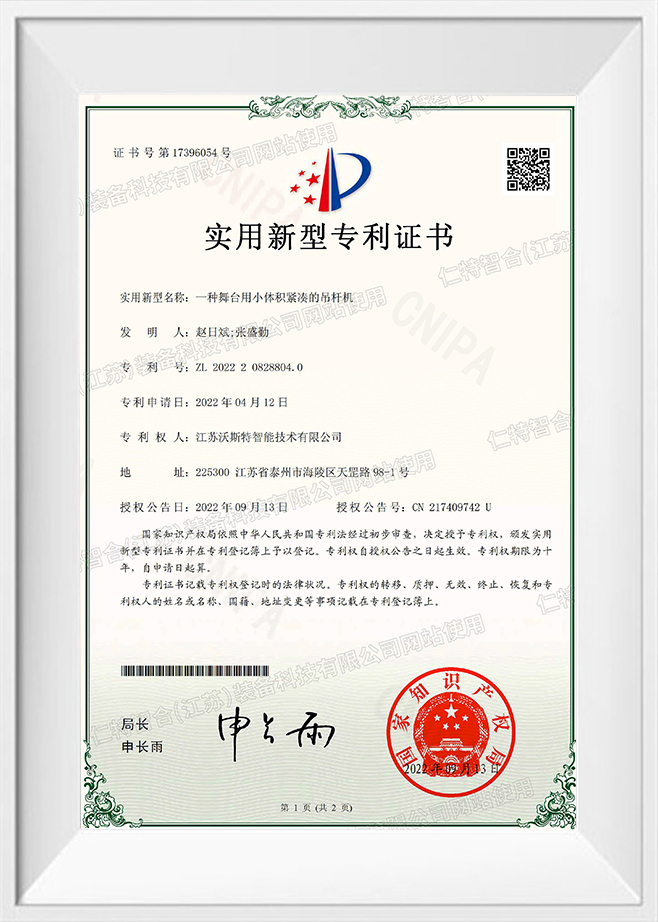
Beyond individual equipment selection, modern stage projects require complete system integration capabilities. Rentezhihe (Jiangsu) Equipment Technology Co., Ltd. focuses on the research, development, and manufacturing of stage machinery, performance equipment, and intelligent control systems. The company provides integrated solutions covering design, production, installation, commissioning, operation, and maintenance for different types of performance venues.
The company’s product development approach emphasizes safety, stability, and intelligent control. Through continuous technology improvement, Rentezhihe (Jiangsu) Equipment Technology Co., Ltd. provides stage equipment solutions for theaters, cultural centers, stadiums, conference centers, and multifunctional performance spaces. Its manufacturing system supports customized production of various stage machinery specifications and ensures consistent product quality through full-process inspection and testing procedures.
The intelligent manufacturing capability behind the servo-driven zero-fleet stage winch includes advanced processing equipment, professional engineering teams, and strict quality management. The production facility covers approximately 20,000 square meters, including modern workshops and research spaces. More than 30 CNC processing devices support precise manufacturing, including laser cutting machines, CNC lathes, CNC bending machines, machining centers, and surface treatment equipment.
Key Manufacturing and Service Advantages
- Professional engineering support from product design to final commissioning.
- Comprehensive quality inspection for key mechanical and electrical components.
- Flexible customization capability for different venue requirements.
- Continuous optimization of intelligent stage control technologies.
4. Mechanical Components and Technical Integration of Servo Systems
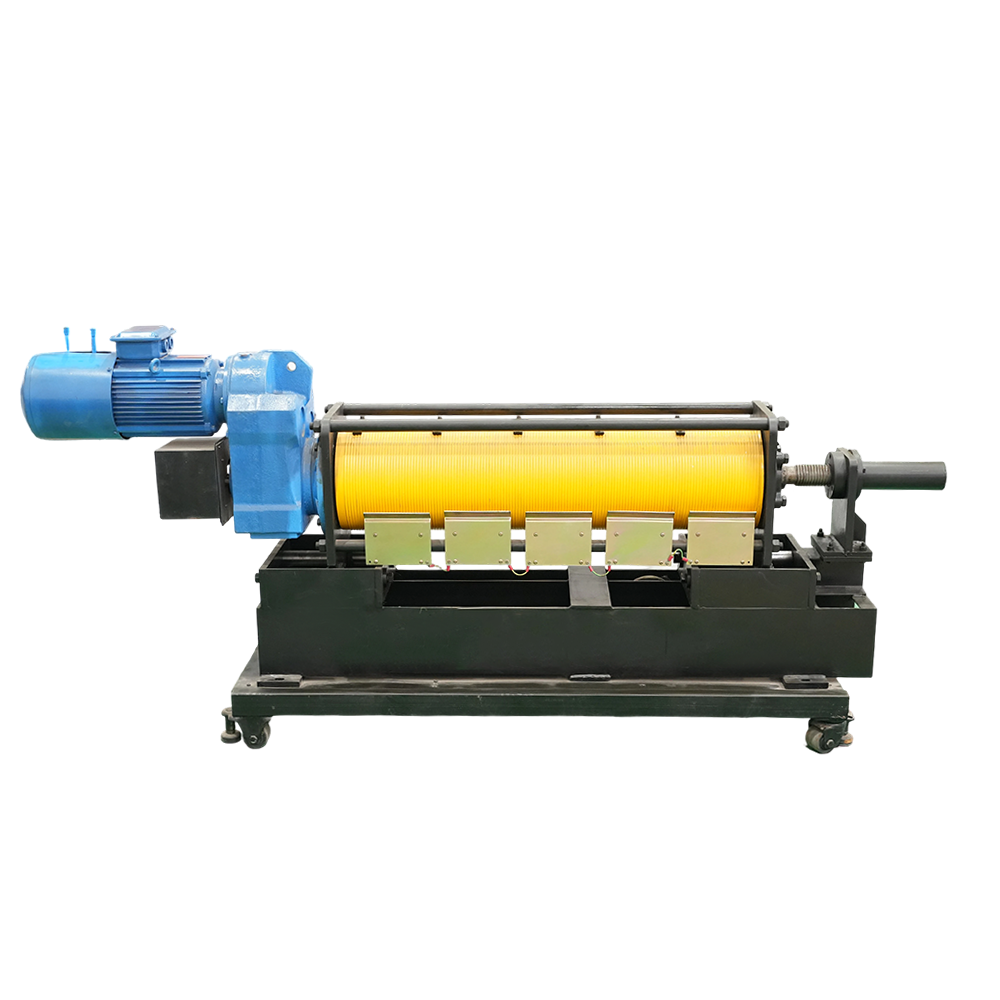
A high-performance stage winch depends on the cooperation of multiple mechanical and electronic components. The servo series integrates electric servomotor, reducer, external dual brake, encoder, payload sensor, roller drum, travel sensor, rope arrangement sensors, base assembly, and pulleys into one coordinated system. Each component contributes to safe and stable stage movement.
The electric servomotor provides accurate driving power, while the encoder enables precise feedback of movement conditions. The reducer improves torque transmission efficiency, and the dual brake system enhances safety during static holding and emergency situations. Compared with conventional AC motor structures, the servo-based design offers stronger monitoring ability and better adaptability to changing performance requirements.
Servo-driven zero-fleet stage winch technology also improves installation flexibility. The dual mounting capability allows equipment designers to select horizontal or vertical installation according to venue structure. This feature reduces space limitations and supports integration into modern digital stage management platforms.
Frequently Asked Questions
Q1: What is the main difference between a servo-driven zero-fleet stage winch and a traditional AC motor winch?
A servo-driven zero-fleet stage winch uses servo motor technology with feedback sensors to achieve precise positioning and faster response. Traditional AC motor winches mainly provide basic lifting movement with simpler control functions.
Q2: Why is a VFD stage winch commonly used in stage applications?
A VFD stage winch provides adjustable speed control and smoother starting and stopping compared with fixed-speed motor systems. It is suitable for general stage operations that do not require advanced synchronization accuracy.
Q3: What venues are suitable for servo-driven zero-fleet stage winch systems?
These systems are suitable for theaters, auditoriums, cultural centers, stadium performance spaces, and other venues requiring accurate movement control and reliable automation.
Q4: How does Rentezhihe (Jiangsu) Equipment Technology Co., Ltd. support stage machinery projects?
Rentezhihe (Jiangsu) Equipment Technology Co., Ltd. provides integrated services including design, manufacturing, installation, commissioning, and maintenance. The company combines engineering experience with intelligent manufacturing capabilities to deliver stable stage equipment solutions.

 中文简体
中文简体
 English
 русский
 Français
 Español
 عربى
عربى