A 350 kg scenery batten that has to land on the same trim mark 300 nights a year, to within a millimetre, is the reason production managers start comparing servo-driven zero-fleet stage winch manufacturers instead of ordering another general-purpose drum hoist. The brief usually arrives after something has already misbehaved: a batten that settles 8 mm lower between the matinee and the evening show, a motor that hunts under a light load, or a cue that lands late because the drive train takes up a quarter turn of backlash before the drum turns. Servo drive plus a zero-fleet gear train removes most of that error at the source, and the specification stage is where the requirement is either captured or lost.
A servo-driven zero-fleet stage winch pairs a closed-loop AC servo motor with a gear and drum assembly that has no measurable lost motion, so the position the controller commands is the position the drum delivers. Both halves have to line up for that to be true, and buying one without the other is where most projects go wrong.
A servo motor bolted to a standard worm reducer still carries 20 to 40 arc-minutes of backlash. The encoder reports the motor shaft, not the rope, so the control loop closes around a number that no longer describes the batten. That is how a winch ends up looking precise on a data sheet and drifting in the venue.
Three mechanical details separate a genuine zero-fleet build from a marketing label:
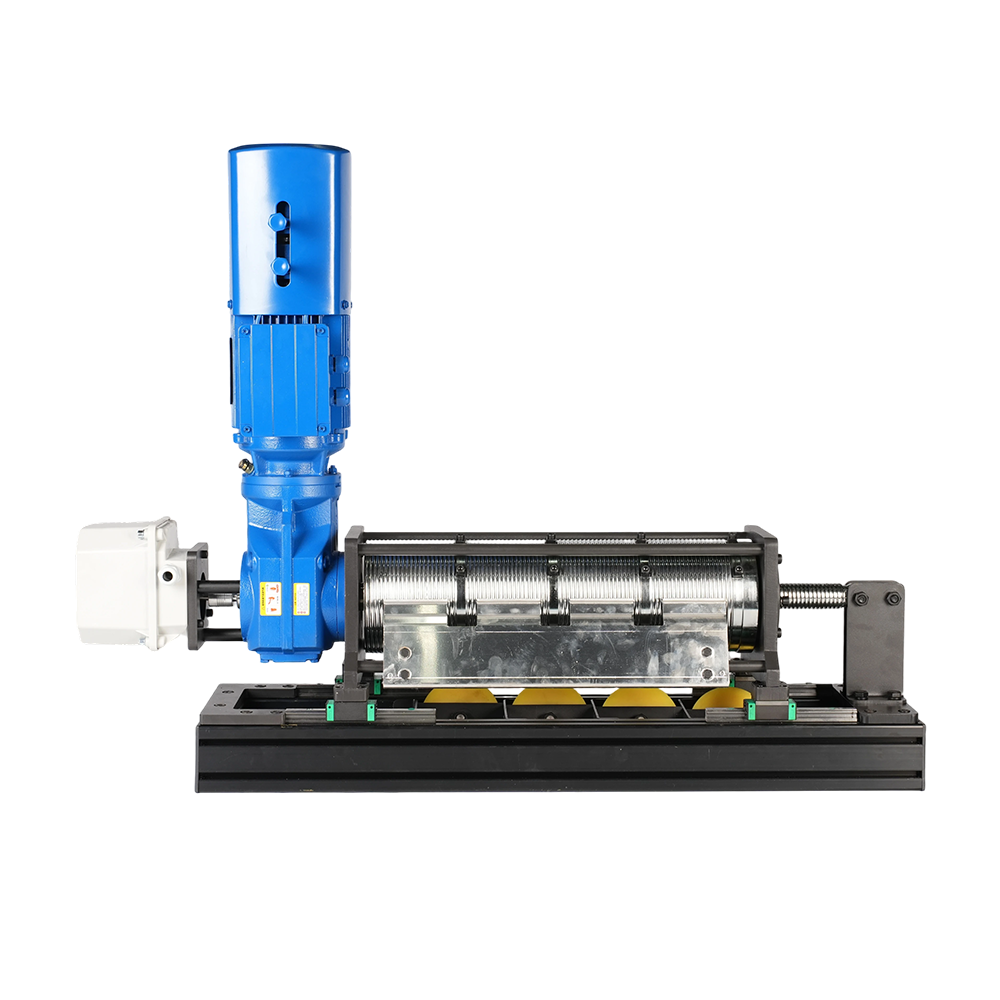
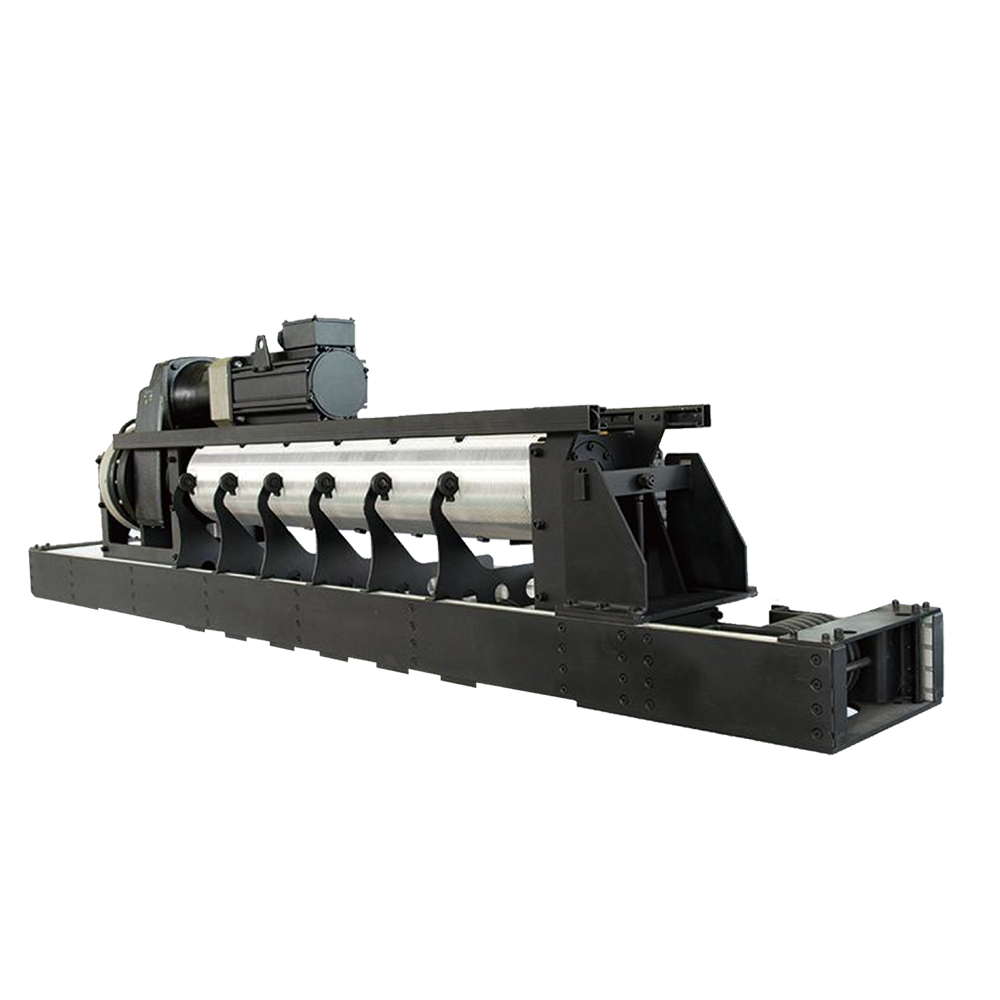 Servo-Driven Zero-Fleet Stage WinchFor applications demanding the ultimate in speed and precision, the Servo Series Stage Winch is the answer. Driven by an advanced electric servomotor, it boasts an ult...View Product →
The deviations that matter on stage are measured in millimetres at the batten, not in arc-minutes at the motor, and the gap between drive types is wide.
The pattern repeats across acceptance tests: the mechanical backlash of the drive train, not the motor, sets the accuracy floor. A variable-frequency drive on a good helical gearbox can reach 1 to 2 mm repeatability when it is carefully tuned. A servo-driven zero-fleet winch typically holds 0.3 to 1 mm over an 8 m travel, and it does so without re-homing between cues.
Servo control changes behaviour under load, not just resolution. Torque feedback detects an obstruction before the rope runs slack, acceleration ramps stay inside the curve the scenery can survive, and multi-axis cues stay in step because every drive reports its own position to the master controller. An inline zero-fleet winch, where the drum and motor share an axis, is the compact expression of that idea and the usual answer for shallow fly towers.
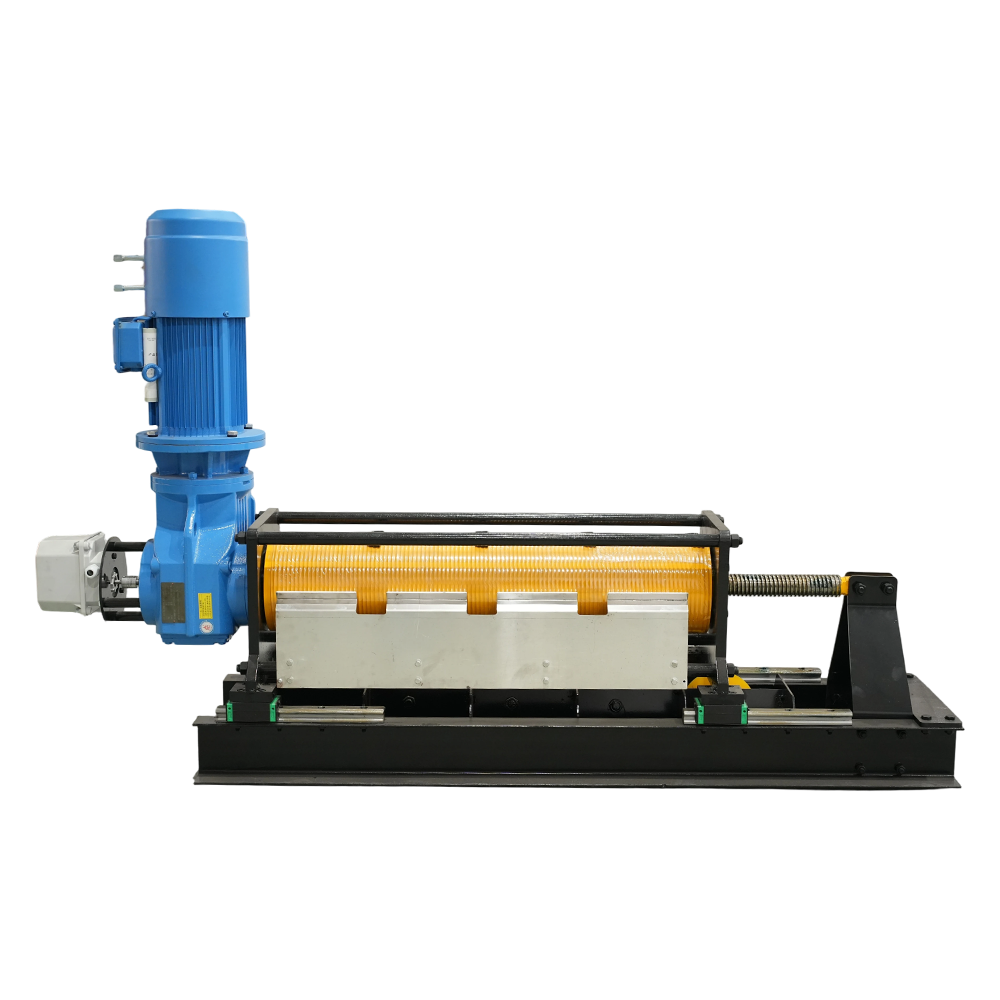
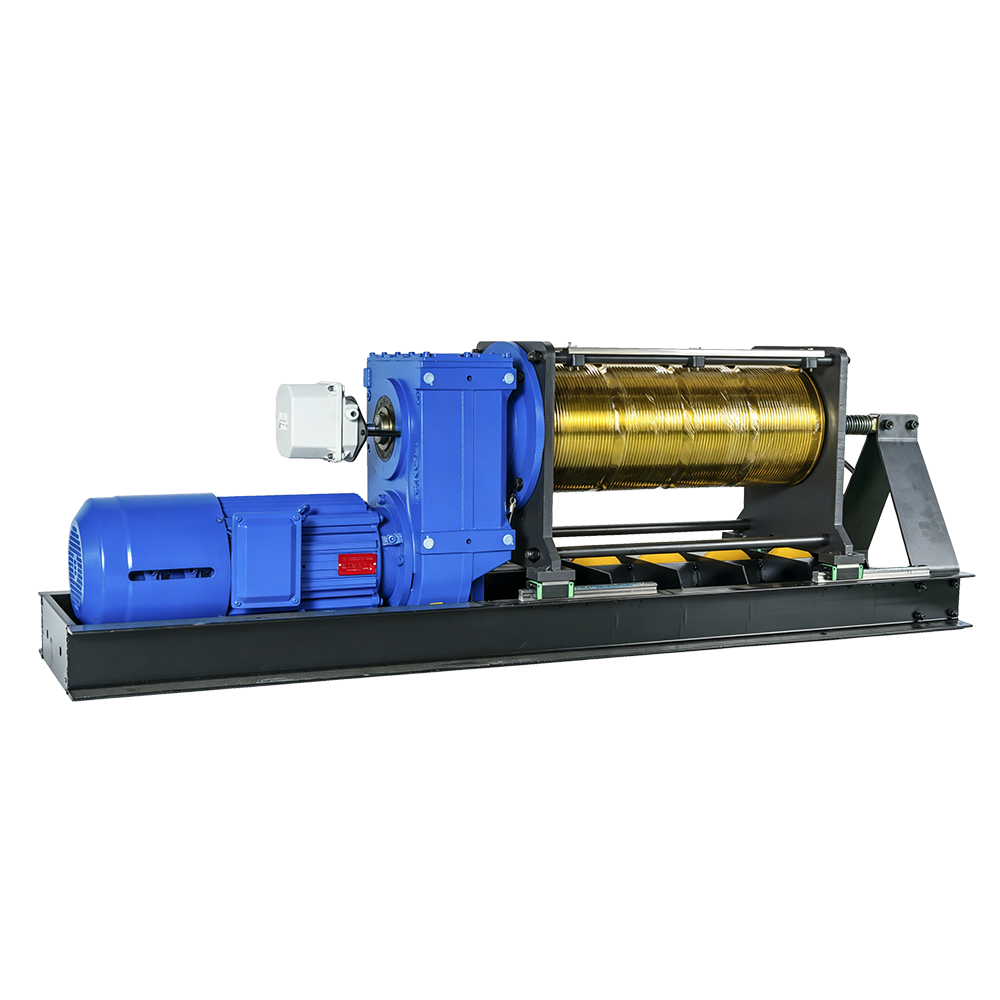 In-Line Zero-Fleet Stage WinchThe “Single” series represents the pinnacle of intelligent winch design, featuring a unique dual-encoder system paired with a dual-brake motor for pinpoint accuracy. D...View Product →
Model choice follows the load path and the available headroom before it follows payload, because a 1,000 kg batten on a single vertical rope needs a different drum and frame than the same load on a two-point pick.
| Winch family | Load path | Typical working load | Best fit |
| Inline zero-fleet | Single vertical rope, low headroom | 400 to 1,000 kg | Battens in shallow fly towers |
| Dual-point zero-fleet | Two ropes on one batten | 750 to 1,500 kg | Long scenic pieces with load sensing |
| L-type large drum | Single rope, long travel, multi-layer spooling | 1,000 to 2,500 kg | Deep stages and large drops |
| Vertical zero-fleet | Compact footprint, understage or riser shaft | 500 to 1,200 kg | Confined machinery rooms |
| Mobile zero-fleet | Free-standing frame, temporary grid | 250 to 750 kg | Touring and rental stock |
The families differ in more than capacity. An inline unit keeps the rope close to the frame, a dual-point unit shares the load across two ropes and adds load sensing at each anchor, and a large-drum L-type unit spreads multi-layer spooling over a longer barrel so the rope pays out at a steady angle through a long travel.
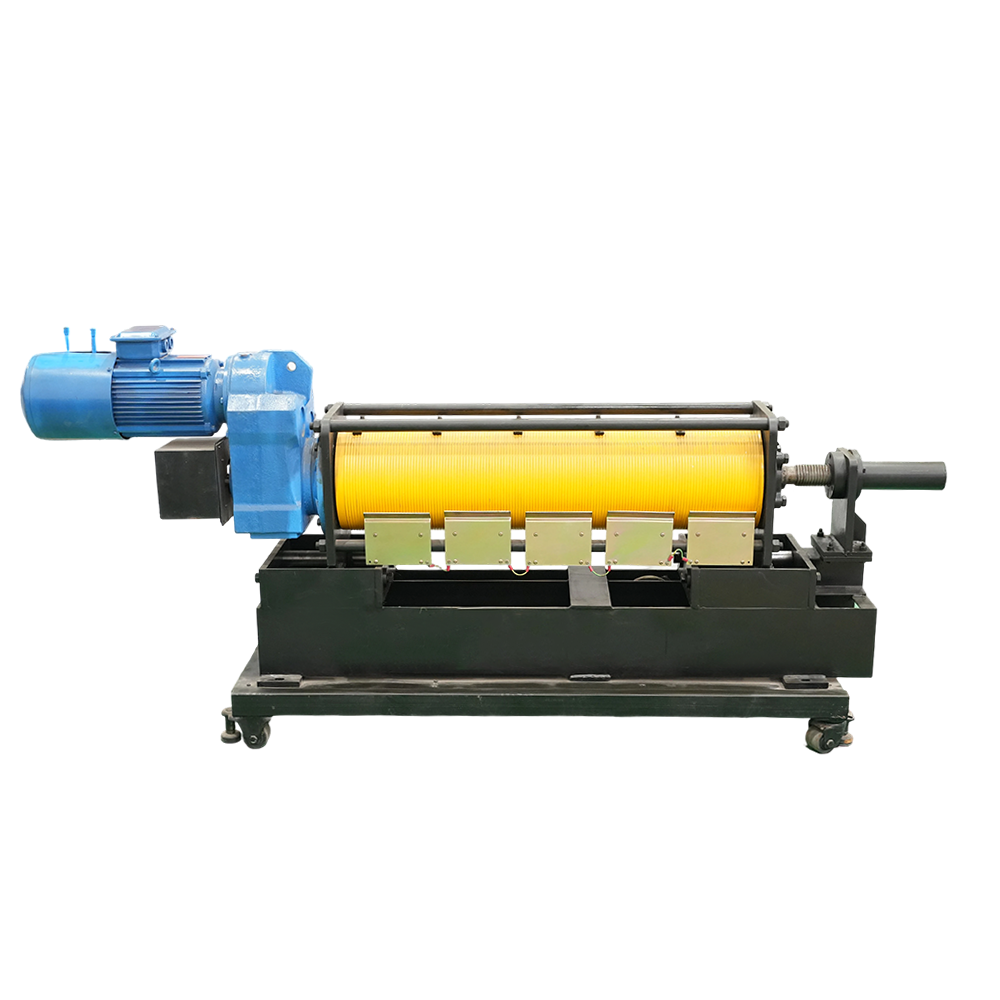
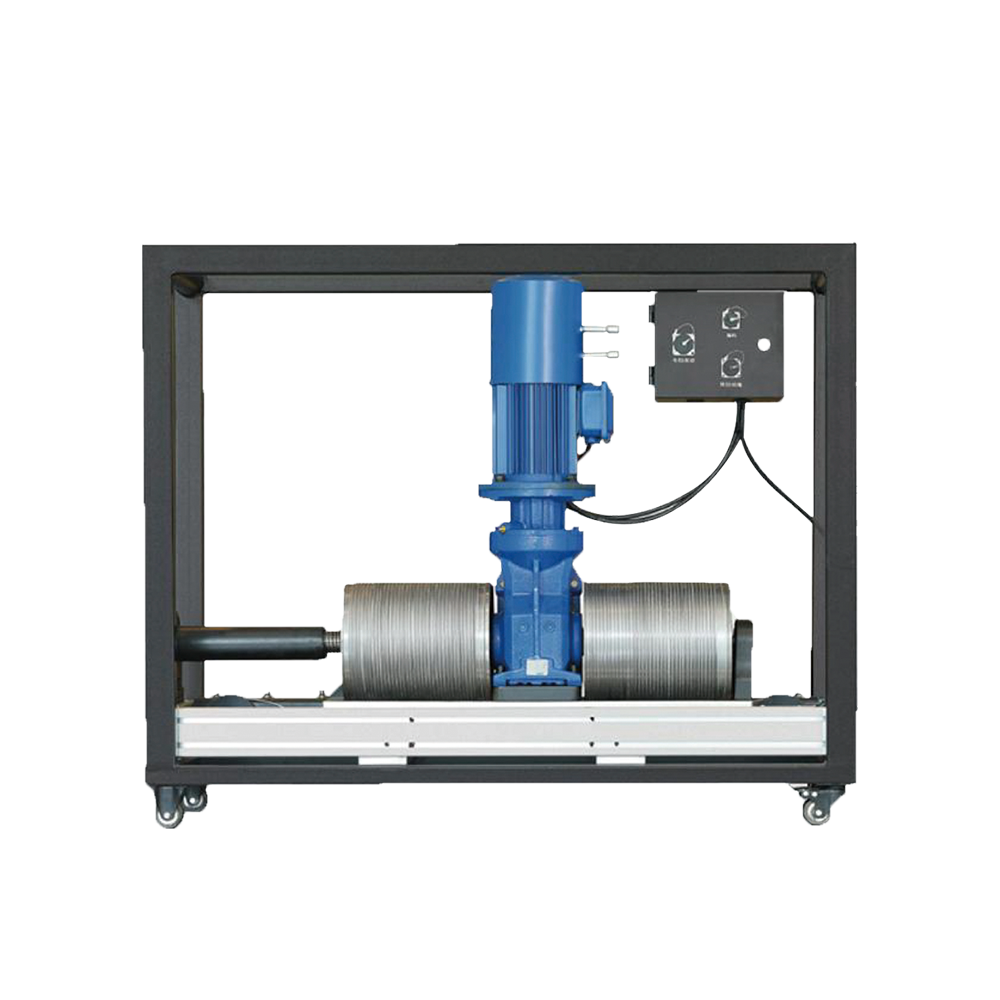 Dual-Point Zero-Fleet Stage WinchSpecifically crafted for the touring production sector, the Dual-Point Winch prioritizes portability and rapid deployment. Weighing significantly less than standard wi...View Product →
Where the stage geometry does not fit a catalogue model, custom zero-fleet winch engineering for theatres is usually faster than adapting a standard drum, because the rope path, the drum groove pitch and the frame mounting points are all open variables.
Vet the test bench before you vet the price list, because the bench decides whether a zero-fleet claim survives shipping. Five questions separate manufacturers who build zero-backlash drive trains from those who assemble them.
A manufacturer that answers those five questions with documents is a different risk profile from one that answers with a brochure. Request the factory certification file, the brake type test report and the wiring schedule with the quotation, then read the acceptance procedure before you sign anything.
A servo package typically costs 30 to 60 percent more than a variable-frequency package on the same drum, and the premium buys positioning behaviour rather than lifting force.
The decision rule is straightforward. If a batten only has to travel between two fixed limits and land inside 5 mm, a well-tuned VFD on a zero-fleet drum is enough. If cues repeat dozens of times a night, if scenery has to stop at intermediate positions, or if several axes move together, the servo package pays for itself in reduced trim time and fewer rehearsal notes.
The factory acceptance test is the only point in the project where a zero-fleet claim can be proven with your own instruments, so it belongs in the purchase order rather than in the supplier's discretion. A workable test for a servo-driven zero-fleet winch covers five measurements.
Ask for the raw readings, not a summary sheet. RenteZhihe (JiangSu) Equipment Technology Co., Ltd. builds theatre and venue projects on that test-first basis, and measured figures are available before a quotation is issued. Buyers who want the numbers for their own load case can reach the engineering team through the contact page and run the specification in parallel with the tender.
A standard stage winch uses a general-purpose gearbox with measurable backlash, so the drum lags the motor by a fraction of a turn in each direction. A zero-fleet winch uses a low-backlash or preloaded gear train, which removes that lag and makes commanded position equal to delivered position.
For cue-critical battens that must repeat to a millimetre, keep lost motion below 0.1 degree of drum rotation. Above roughly 0.5 degree, the take-up becomes visible as drift on long travel and as late landings on fast cues.
Usually yes, provided the mounting beam can carry the frame and the grid has room for the rope path. A retrofit survey measures headroom, beam deflection, rope fleet angle and cabinet space, and the control system is usually replaced at the same time as the winch.
Size on total moving load: scenery, batten, rope, hardware and a 25 percent margin. Most theatre battens land between 400 and 1,500 kg, and loads above 2,000 kg usually justify a large-drum or dual-point configuration rather than a bigger motor on the same frame.
We specialize in delivering advanced stage machinery, rigging systems and intelligent control solutions for performance spaces worldwide.

No. 111 Runfeng Road, Hailing District, Taizhou City, Jiangsu Province, China

rtstage@163.com

+86-139 1771 1698

+86-139 1771 1698
rtstage@163.com
 中文简体
 English
 русский
 Français
 Español
 عربى