Manual vs. Electric Stage Rigging Systems: Key Mechanical Design Differences
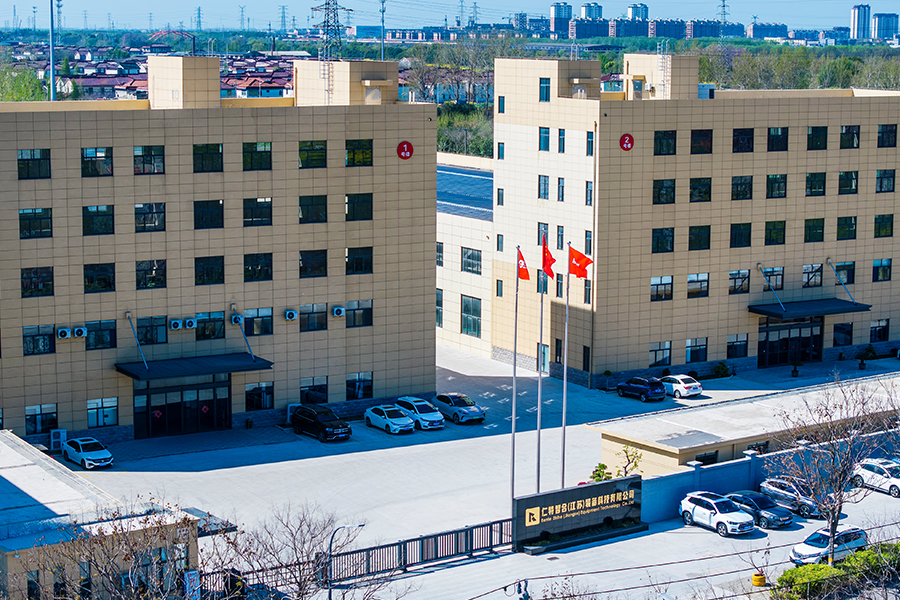
This technical analysis explores the fundamental mechanical design distinctions between manual and electric stage rigging systems. As a high-tech enterprise specializing in the R&D and manufacturing of stage machinery, Rentezhihe (Jiangsu) Equipment Technology Co., Ltd. integrates years of industry experience to deliver safe, stable, and intelligent solutions. Our products, widely applied in theaters, cultural centers, and stadiums, are backed by reliable performance and professional engineering capabilities, covering multiple domestic and international markets.
1. Core Drive Mechanism and Power Source
- Manual Systems: Rely on physical counterweight (e.g., cast iron or steel blocks) to balance the load. Operators pull a lift line to move the counterweight and the batten simultaneously. The mechanical design is purely force-balanced, with no external power input.
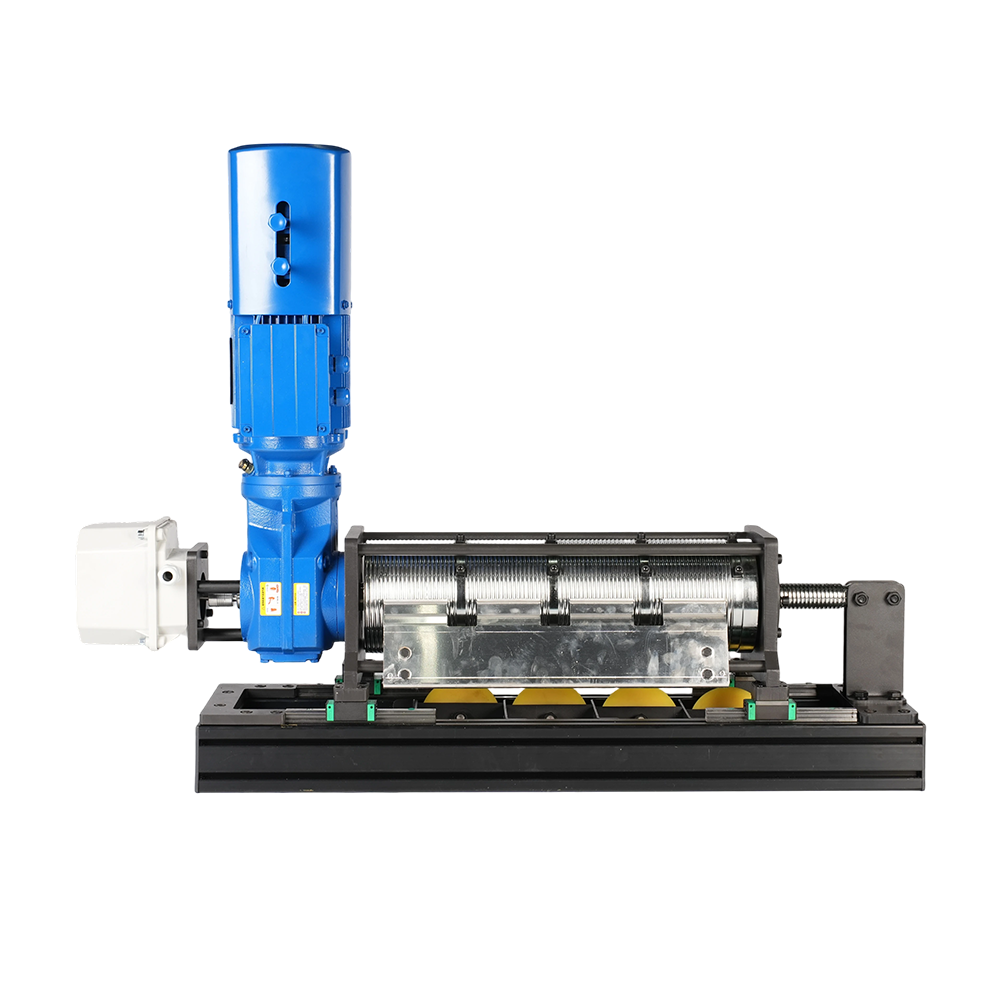
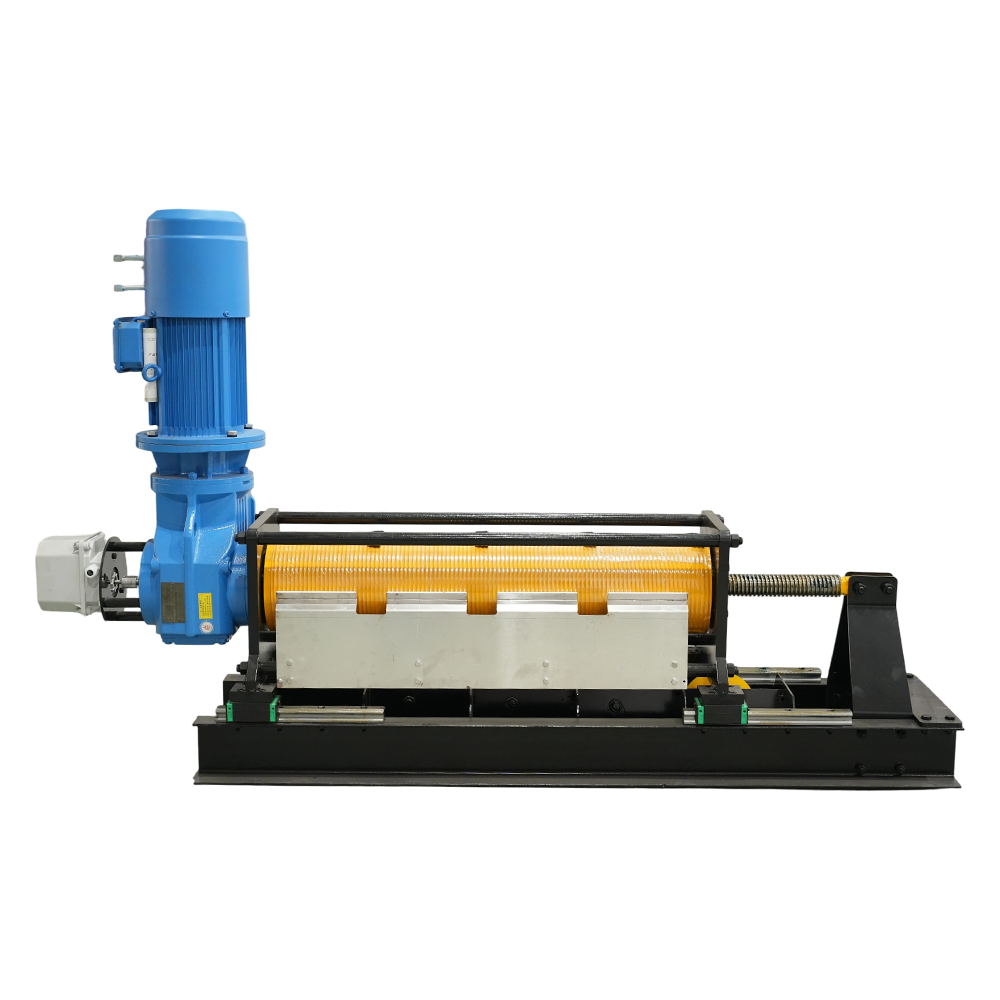
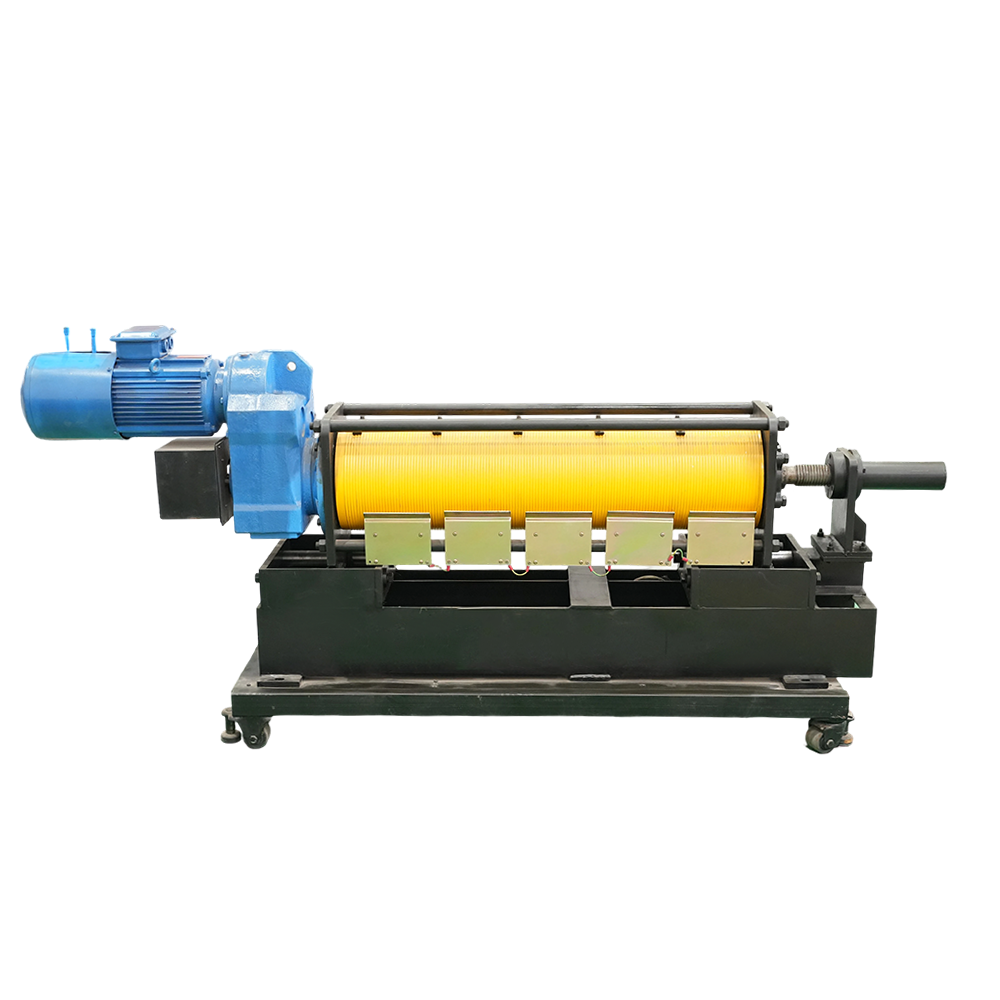
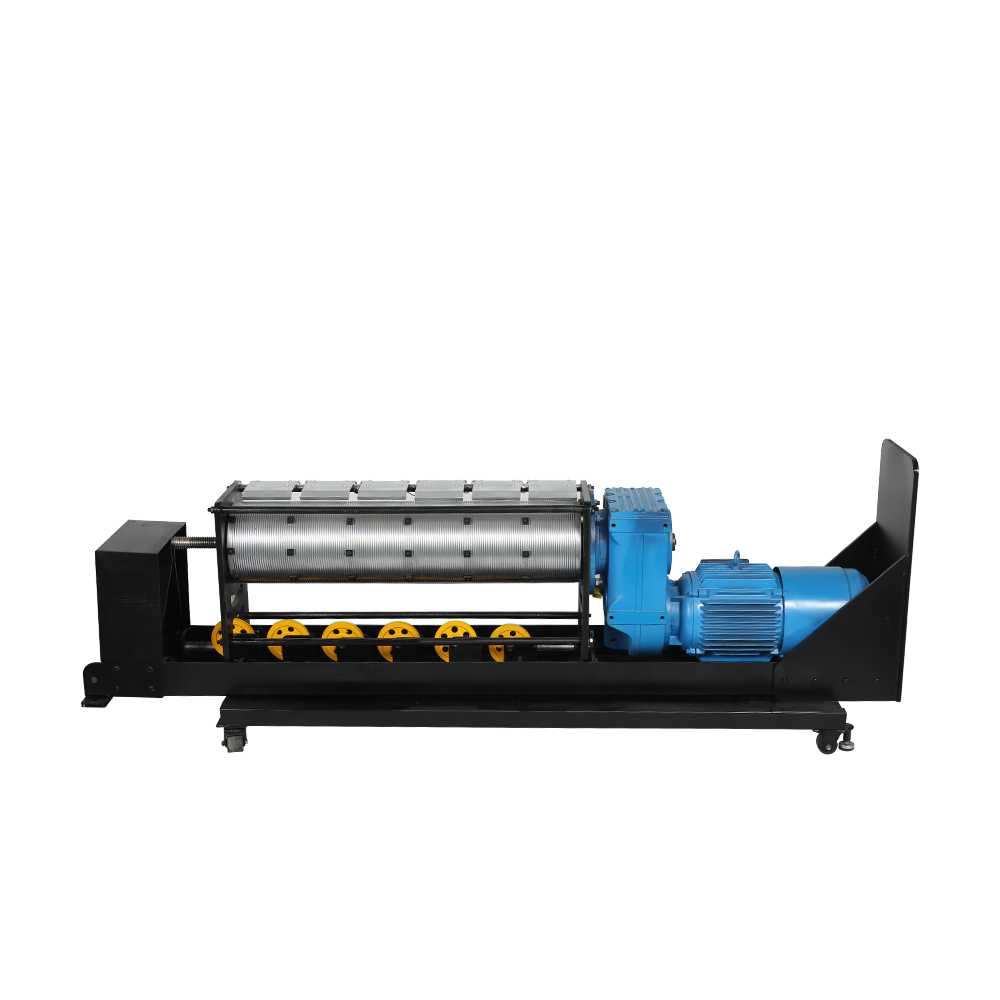
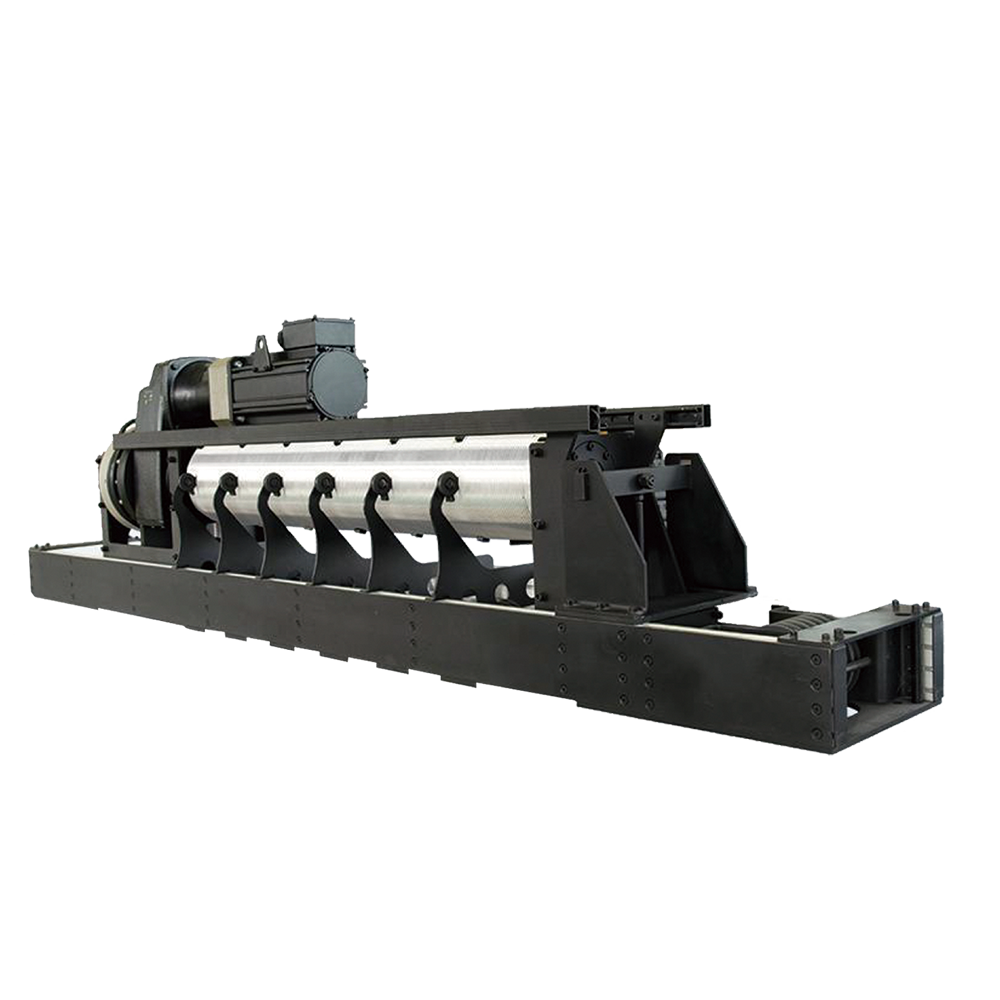
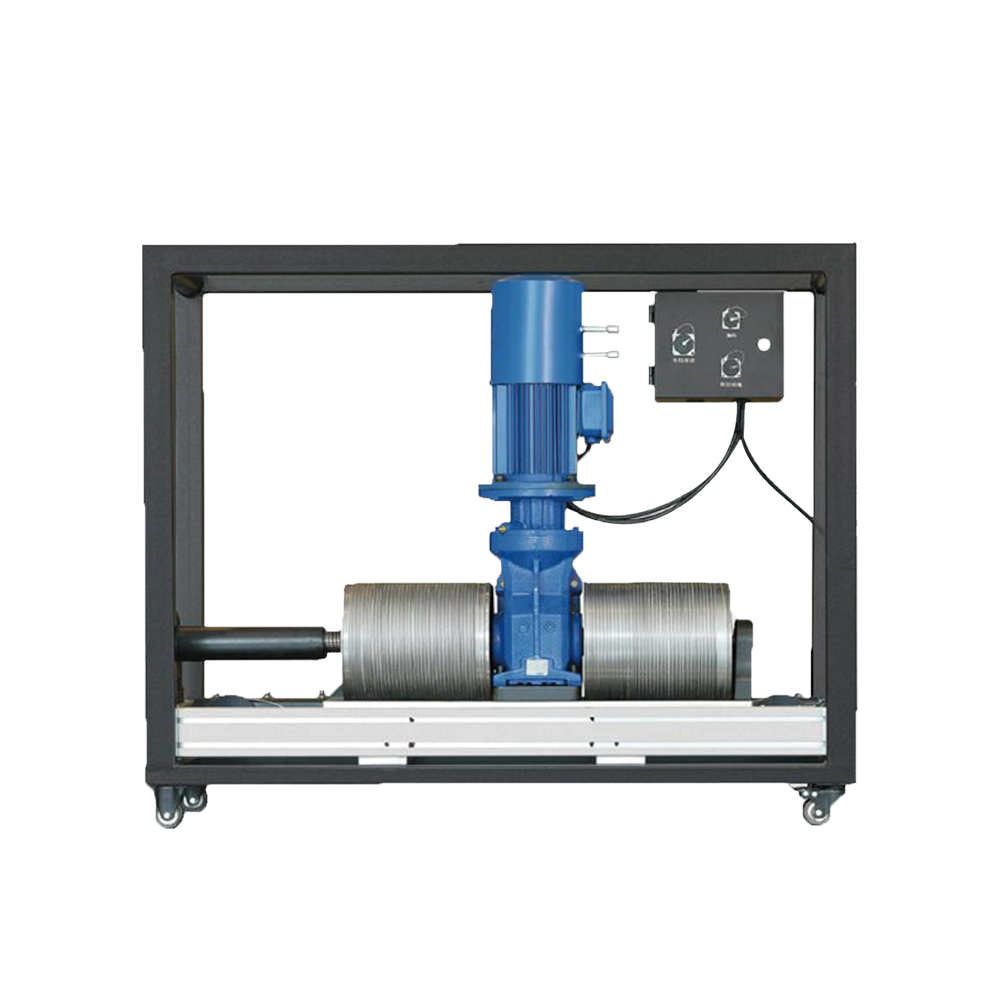
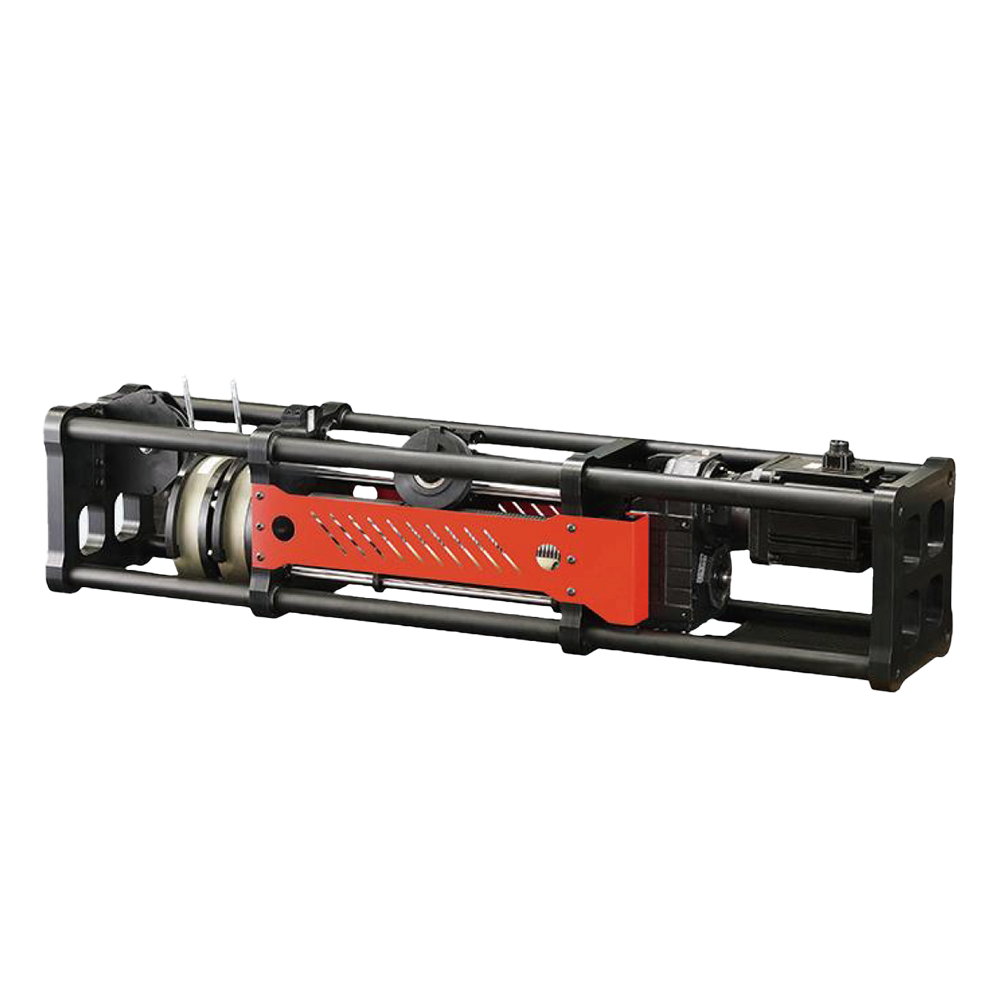
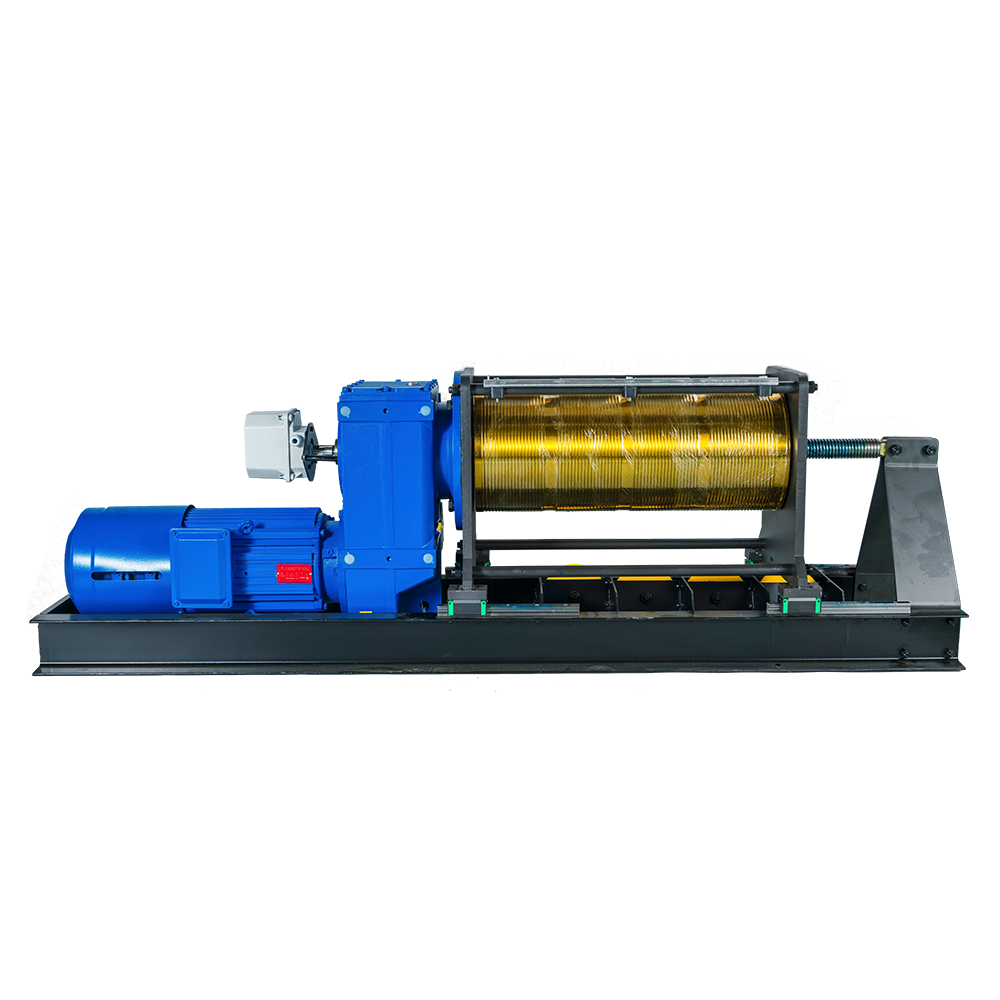
- Electric Systems: Utilize motorized hoists, winches, or drum drives powered by AC electric motors. These systems incorporate gearboxes, brakes, and variable frequency drives (VFDs) to control speed and torque. Rentezhihe (Jiangsu) Equipment Technology Co., Ltd. designs these with integrated overload protection and position feedback sensors. Explore our Stage Rigging Equipment solutions for more details.
2. Load Handling and Capacity
- Manual Systems: Load capacity is determined by the physical counterweight mass. Typical capacities range from 200 kg to 750 kg per line set. They are limited by human effort to overcome static friction and inertia, and cannot easily vary load during a performance.
- Electric Systems: Offer much higher and more flexible capacities, from 500 kg up to several tons per point. With VFDs, they can handle variable loads smoothly and maintain constant tension. Rentezhihe (Jiangsu) Equipment Technology Co., Ltd. provides customized electric systems with capacities up to 2,500 kg for heavy scenic elements.
3. Control Precision and Positioning
- Manual Systems: Positioning is approximate, relying on operator skill and physical markings on the lift lines. Repeatability is low (±5-10 cm) due to rope stretch and operator variation.
- Electric Systems: Achieve high precision using absolute encoders, limit switches, and PLC-based control. Positioning accuracy can reach ±1-2 mm. Rentezhihe (Jiangsu) Equipment Technology Co., Ltd. integrates intelligent control systems that allow preset cues and synchronized multi-axis movements, ensuring repeatable accuracy for every show.
4. Safety and Braking Mechanisms
- Manual Systems: Rely on a lock-off brake (typically a friction clamp on the rope) and an arrester in case of counterweight overspeed. They have no automatic emergency stop unless manually triggered.
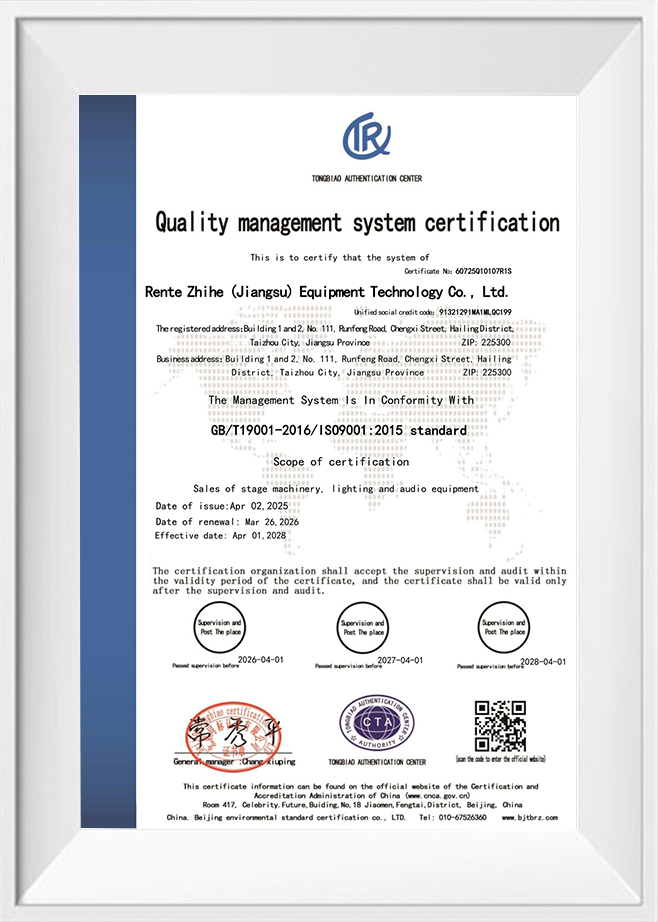
- Electric Systems: Feature multiple redundant safety brakes: a mechanical failsafe brake (spring-applied, power-released) that engages on power loss, plus electronic overspeed detection and torque monitoring. Rentezhihe (Jiangsu) Equipment Technology Co., Ltd. designs its electric systems with dual independent braking circuits, meeting the highest international safety standards such as ANSI E1.4-1.
5. Maintenance and Operational Complexity
- Manual Systems: Require regular inspection of ropes, pulleys, and counterweight guides. Maintenance is straightforward but labor-intensive for load calibration. Operational skill depends heavily on the rigger's experience.
- Electric Systems: Demand periodic checks on motors, gearboxes, encoders, and electrical panels. They offer automated diagnostics and remote monitoring capabilities. Rentezhihe (Jiangsu) Equipment Technology Co., Ltd. provides a full service system covering design, production, installation, commissioning, and maintenance, reducing long-term operational burdens.
Side-by-Side Parameter Comparison Table
| Parameter |
Manual Rigging System |
Electric Rigging System |
| Power Source |
Human effort + counterweight |
AC electric motor + VFD |
| Typical Load Capacity |
200 – 750 kg |
500 – 2,500+ kg (customizable) |
| Positioning Accuracy |
±5 – 10 cm |
±1 – 2 mm |
| Speed Control |
Fixed, manual pull speed |
Variable (0.1 – 1.5 m/s programmable) |
| Braking System |
Manual lock-off clamp + arrester |
Dual redundant failsafe brakes |
| Control Interface |
Direct rope pull |
PLC touchscreen / DMX / MIDI |
| Typical Applications |
Small theaters, studios, fixed installations |
Large venues, touring productions, automated shows |
Frequently Asked Questions (FAQ)
Q1: What are the main safety advantages of electric rigging over manual systems, and how does Rentezhihe (Jiangsu) Equipment Technology Co., Ltd. address them?
A1: Electric rigging offers automatic overload detection, real-time position feedback, and failsafe brakes that engage instantly upon power loss—features absent in manual systems. Rentezhihe (Jiangsu) Equipment Technology Co., Ltd. incorporates dual independent braking circuits and torque monitoring into all our electric hoists. Our systems are rigorously tested to meet global safety standards, ensuring reliable performance in any performance venue.
Q2: Can Rentezhihe (Jiangsu) Equipment Technology Co., Ltd. retrofit an existing manual rigging system to an electric one, and what is the typical upgrade scope?
A2: Yes, we provide complete retrofitting services. The upgrade typically includes replacing the manual counterweight arbors with motorized winches or hoists, installing new control panels with VFDs, adding position encoders, and upgrading the structural support. Rentezhihe (Jiangsu) Equipment Technology Co., Ltd. handles the entire process from design and structural assessment to installation, commissioning, and operator training, ensuring minimal downtime for your venue.
Q3: How does Rentezhihe (Jiangsu) Equipment Technology Co., Ltd. ensure long-term reliability and maintenance support for electric Stage Rigging Equipment systems?
A3: We have established a complete service system covering design, production, installation, commissioning, operation and maintenance. Our electric systems feature modular components for easy servicing, and we provide remote diagnostic support. Rentezhihe (Jiangsu) Equipment Technology Co., Ltd. offers annual maintenance contracts and spare parts availability for all our products, ensuring your equipment remains stable and safe for years.
Entertainment Rigging vs. Construction-Grade Rigging: Essential Differences in Safety Standards and Certification Systems
This technical analysis explores the fundamental distinctions between entertainment rigging equipment and construction-grade rigging in terms of safety standards, certification frameworks, and compliance requirements. As a high-tech enterprise specializing in the R&D and manufacturing of stage machinery, performance equipment and intelligent control systems, Rentezhihe (Jiangsu) Equipment Technology Co., Ltd. integrates years of industry experience to deliver safe, stable, and intelligent solutions. Our products are widely applied in theaters, cultural centers, stadiums, conference centers and multi-functional performance spaces, backed by reliable product performance and professional engineering capabilities covering multiple domestic and international markets.
1. Design Safety Factors and Load Dynamics
- Entertainment Rigging: Designed for dynamic loads with frequent movement, shock loading, and variable weight distribution (e.g., moving lights, video walls, flying performers). Safety factors typically range from 8:1 to 10:1 for overhead suspension, accounting for acceleration forces and unforeseen dynamic impacts.
- Construction-Grade Rigging: Primarily designed for static or slowly applied loads (e.g., structural steel, concrete forms). Safety factors generally range from 4:1 to 5:1, as loads are predictable and movements are minimal during lifting operations.
- Rentezhihe (Jiangsu) Equipment Technology Co., Ltd. engineers all entertainment rigging products with dynamic load calculations and minimum 10:1 safety factors for overhead applications, exceeding general industry baselines.
2. Applicable Standards and Certification Bodies
- Entertainment Rigging: Governed by specialized standards including ANSI E1.2 (Entertainment Technology - Design, Manufacture and Use of Aluminum Trusses and Towers), ANSI E1.4-1 (Manual Counterweight Rigging Systems), DIN 56950 (Entertainment Technology - Machinery), and PLASA (Performance Lighting and Sound Association) guidelines. Certification often requires third-party inspection by entertainment-specific authorities.
- Construction-Grade Rigging: Governed by general industrial standards such as OSHA 1926 (Construction Safety Regulations), ASME B30 (Hoists and Cranes), and EN 13157 (Cranes - Safety). These standards focus on static lifting and material handling, not on overhead people or dynamic show elements.
- Rentezhihe (Jiangsu) Equipment Technology Co., Ltd. designs all Entertainment Rigging Equipment in strict compliance with ANSI E1 and DIN 56950 series, ensuring full alignment with global entertainment industry requirements.
3. Inspection, Testing, and Recertification Cycles
- Entertainment Rigging: Requires pre-use visual inspections before every show, quarterly detailed inspections by competent persons, and annual load testing (proof loading) with certified weights. Recertification is mandatory after any major impact or overload event. Non-destructive testing (NDT) such as magnetic particle or dye penetrant is commonly applied to critical components.
- Construction-Grade Rigging: Typically follows monthly or quarterly inspection schedules as defined by OSHA/ASME, with annual comprehensive inspections. Recertification intervals are often longer (e.g., every 5 years for wire rope slings) unless damage or wear is observed.
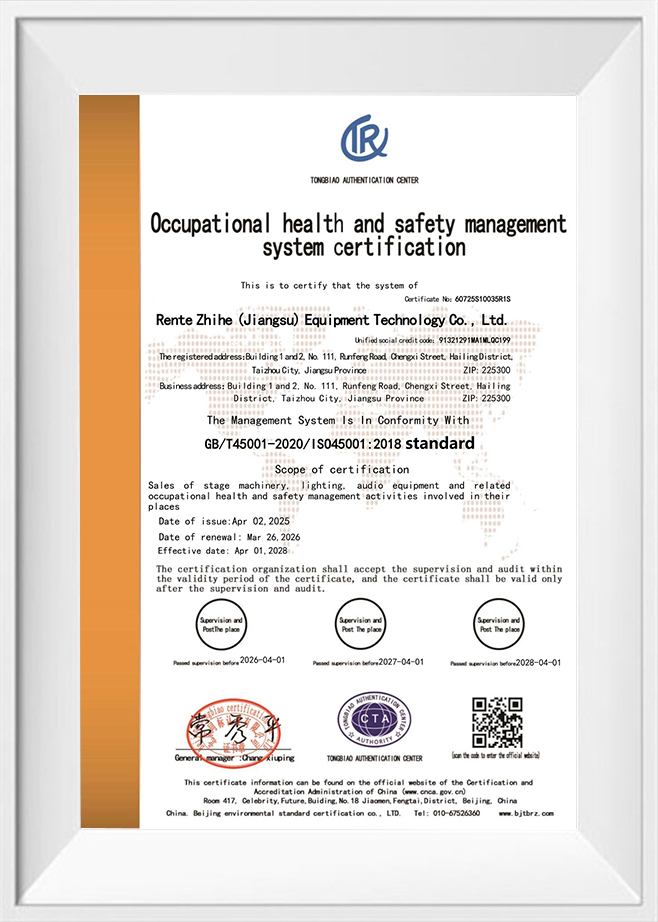
- Rentezhihe (Jiangsu) Equipment Technology Co., Ltd. provides a complete service system covering design, production, installation, commissioning, operation and maintenance, including detailed inspection protocols and recertification support for all entertainment rigging products.
4. Marking, Traceability, and Documentation Requirements
- Entertainment Rigging: Requires individual permanent marking on each load-bearing component (e.g., shackles, hoists, slings) with WLL (Working Load Limit), serial number, manufacturer ID, and batch code. Full traceability documentation, including material certificates and test reports, must be maintained for each product throughout its service life.
- Construction-Grade Rigging: Marking requirements are generally less stringent—often limited to WLL and manufacturer identification. Traceability is typically batch-level rather than individual unit-level, with less rigorous documentation maintenance.
- Rentezhihe (Jiangsu) Equipment Technology Co., Ltd. implements individual serialization and full traceability for every entertainment rigging component produced, ensuring complete accountability from manufacturing through end-of-life.
5. Personnel Certification and Operational Competency
- Entertainment Rigging: Requires riggers to hold entertainment-specific certifications such as ETCP (Entertainment Technician Certification Program) - Rigging, PLASA Rigging Certificates, or equivalent regional credentials. Competency includes knowledge of show dynamics, weight distribution, center of gravity calculations, and emergency response procedures for overhead performer safety.
- Construction-Grade Rigging: Requires general rigging certifications such as NCCCO (National Commission for the Certification of Crane Operators) or OSHA-compliant signal person/rigger training. Focus is on load charts, hand signals, and site safety, with limited emphasis on dynamic performance conditions.
- Rentezhihe (Jiangsu) Equipment Technology Co., Ltd. supports customers with comprehensive training programs for entertainment rigging personnel, covering equipment operation, inspection techniques, and safety protocols tailored to performance environments.
Side-by-Side Parameter Comparison Table
| Parameter |
Entertainment Rigging |
Construction-Grade Rigging |
| Typical Safety Factor |
8:1 – 10:1 (minimum) |
4:1 – 5:1 |
| Load Nature |
Dynamic, variable, shock-loaded |
Static or slowly applied |
| Primary Standards |
ANSI E1, DIN 56950, PLASA |
OSHA 1926, ASME B30, EN 13157 |
| Inspection Frequency |
Pre-use + quarterly + annual load test |
Monthly/quarterly + annual |
| Traceability Level |
Individual unit-level |
Batch-level |
| Personnel Certification |
ETCP, PLASA (entertainment-specific) |
NCCCO, OSHA rigger training (general) |
| Overhead People Allowance |
Yes (with specific safety provisions) |
No (prohibited by most regulations) |
| NDT Requirements |
Regularly applied to critical parts |
Limited to specific applications |
Frequently Asked Questions (FAQ)
Q1: Why can't construction-grade rigging equipment be used interchangeably in entertainment applications, and how does Rentezhihe (Jiangsu) Equipment Technology Co., Ltd. address this?
A1: Construction-grade rigging is designed for static loads with lower safety factors (4:1–5:1) and lacks the dynamic load considerations required for overhead performer safety, moving scenery, and shock loads common in shows. Rentezhihe (Jiangsu) Equipment Technology Co., Ltd. specifically engineers all Entertainment Rigging Equipment with minimum 10:1 safety factors, dynamic load testing, and ANSI E1/DIN 56950 compliance—ensuring our equipment meets the unique demands of performance environments where human safety is paramount.
Q2: What documentation and certification does Rentezhihe (Jiangsu) Equipment Technology Co., Ltd. provide with its entertainment rigging products to ensure regulatory compliance?
A2: We provide comprehensive documentation for every product, including individual serialization, material test certificates, proof-load test reports, WLL markings, and full traceability records. All equipment is designed and manufactured in accordance with ANSI E1 and DIN 56950 standards. Rentezhihe (Jiangsu) Equipment Technology Co., Ltd. also offers third-party inspection coordination and recertification support as part of our complete service system covering design, production, installation, commissioning, operation and maintenance, ensuring your venue meets all local and international safety regulations.
Q3: How does the inspection and maintenance regime for entertainment rigging differ from construction-grade equipment, and what support does Rentezhihe (Jiangsu) Equipment Technology Co., Ltd. offer?
A3: Entertainment rigging requires far more frequent inspections—pre-use checks before every show, quarterly detailed inspections, and annual load testing—due to the dynamic nature and high stakes of performer safety. Construction-grade equipment follows less frequent monthly/quarterly schedules. Rentezhihe (Jiangsu) Equipment Technology Co., Ltd. provides customized maintenance programs including detailed inspection checklists, on-site training for your staff, and scheduled recertification services. With years of industry experience and technological accumulation, we ensure your equipment remains safe, compliant, and reliable throughout its entire service life.

 中文简体
中文简体
 English
 русский
 Français
 Español
 عربى
عربى