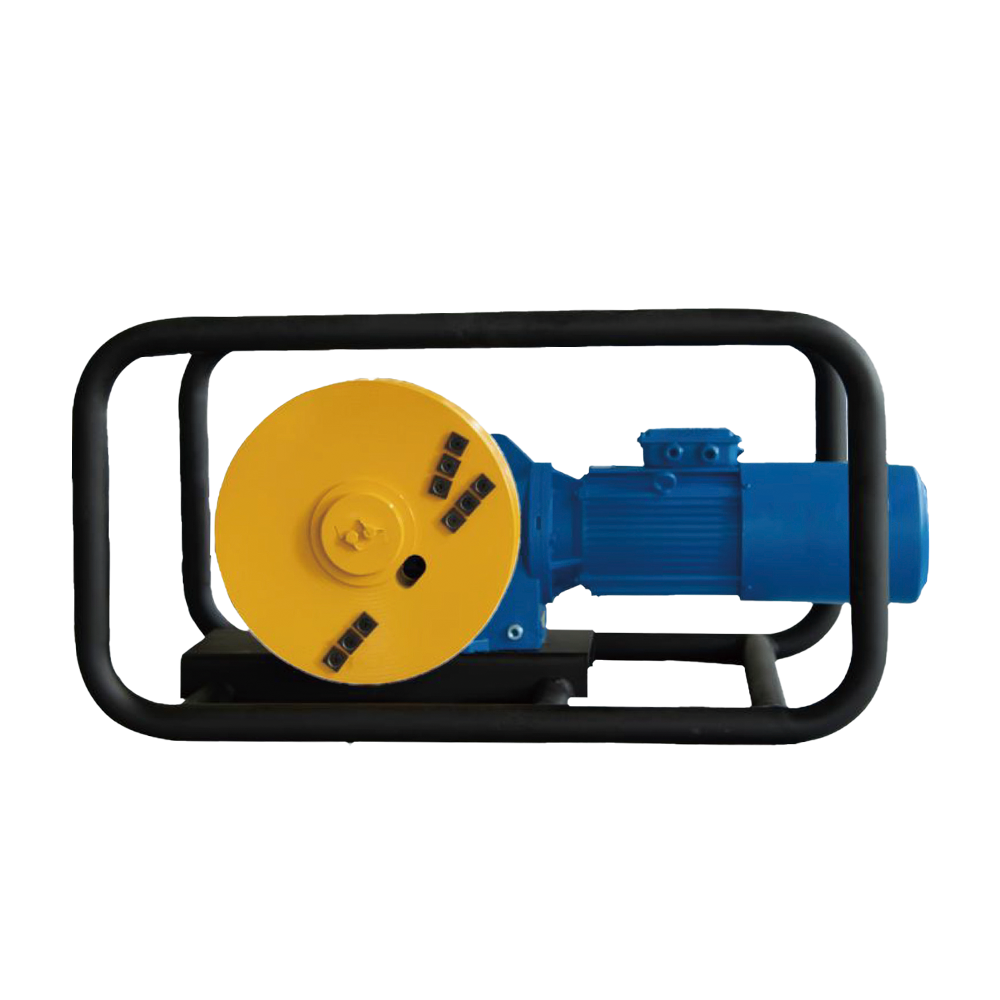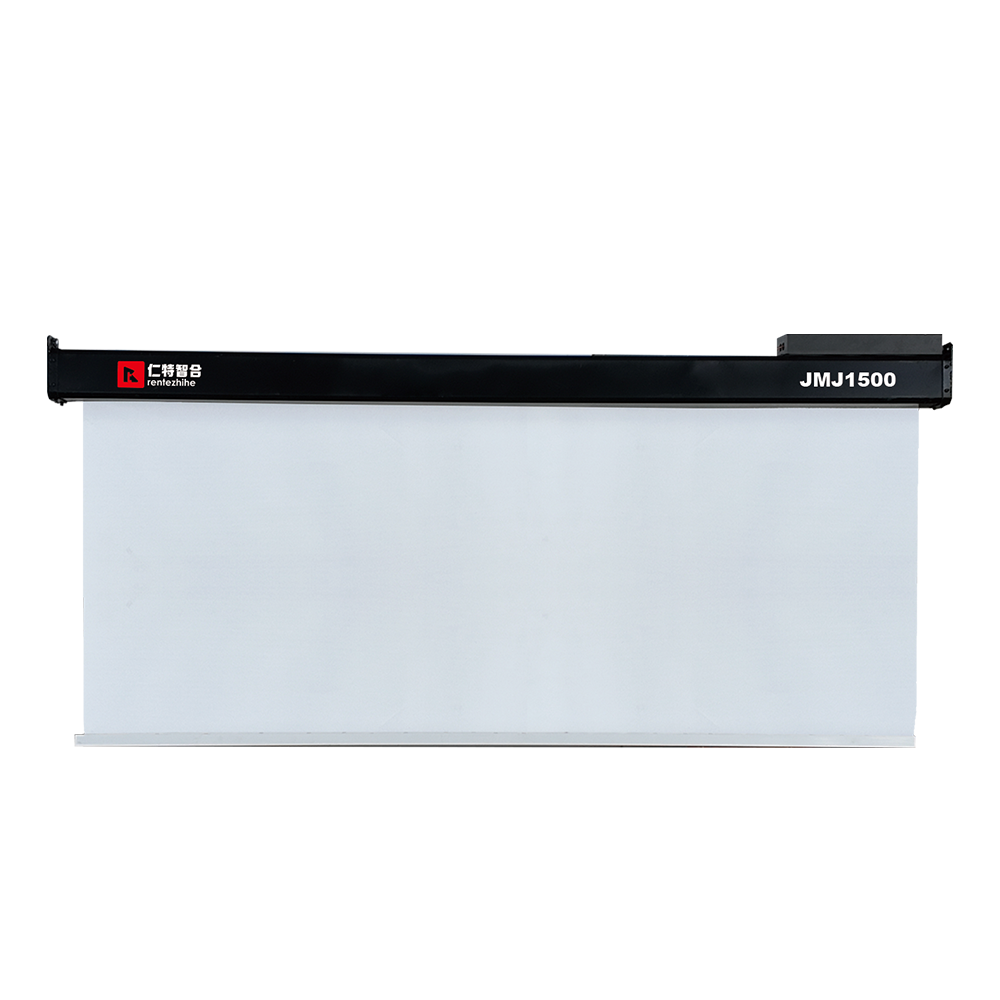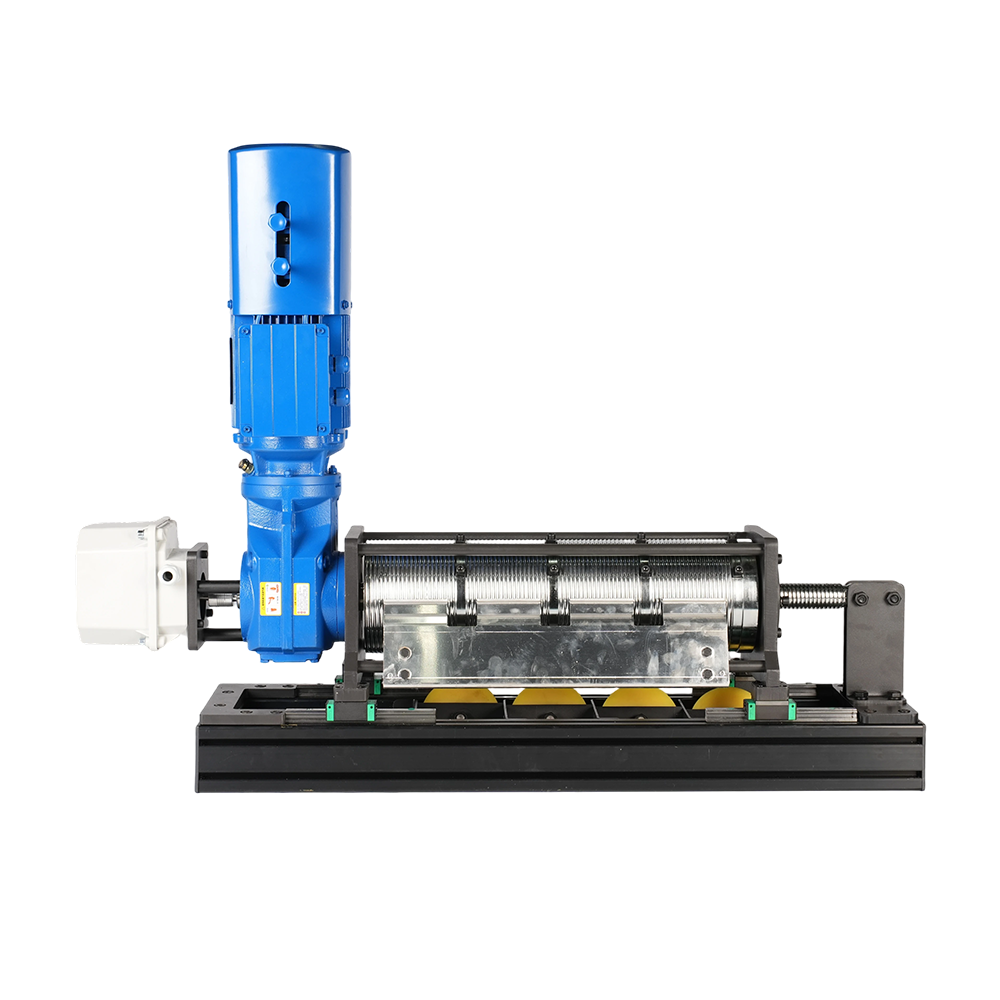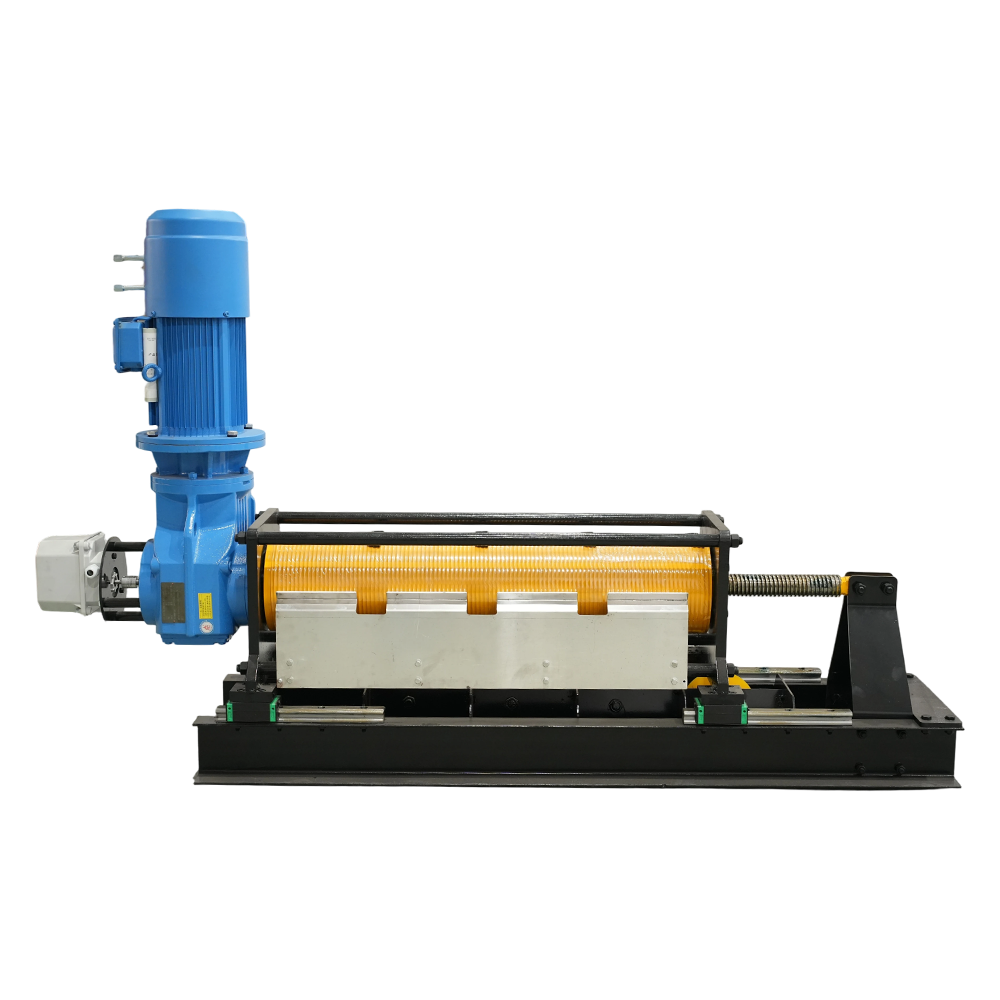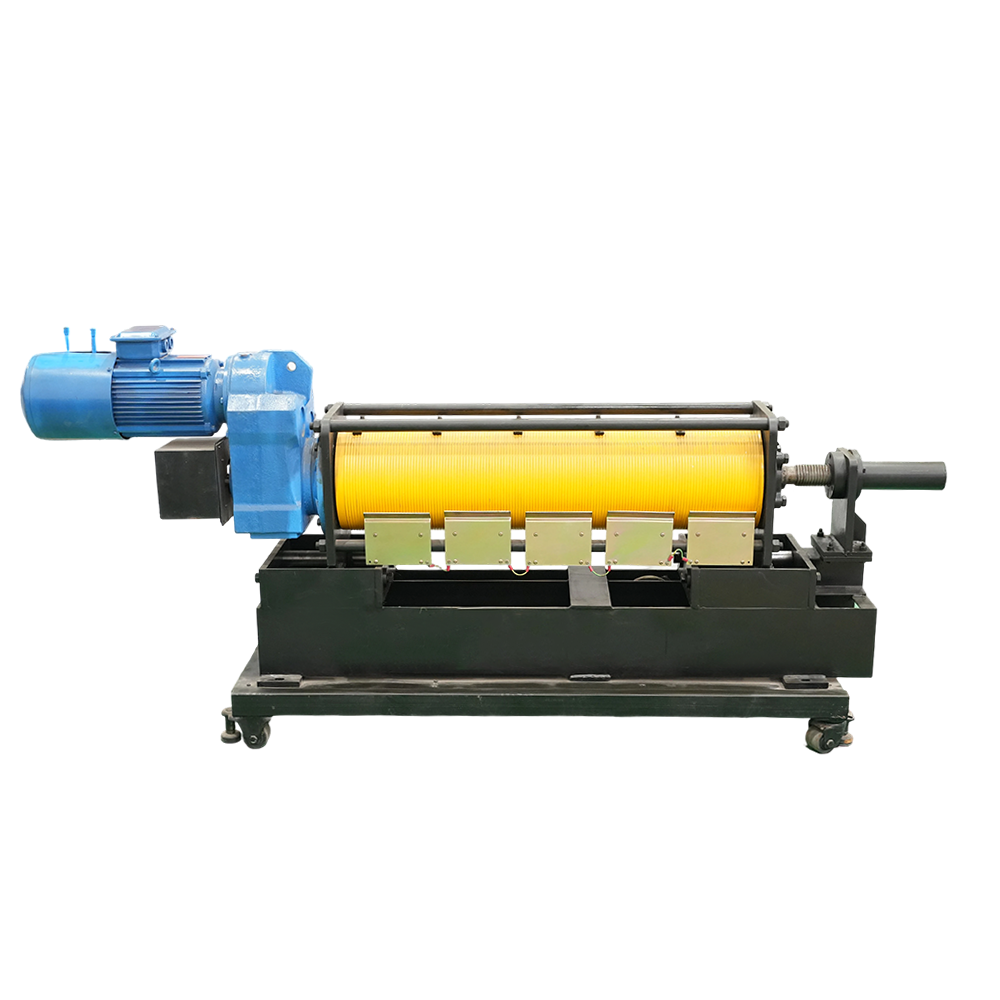
A 700-seat performing arts center in a coastal city ordered a 300 kg stage winch from a catalog, then watched its scenic automation grow to 420 kg per line before commissioning. The contractor had to re-engineer the drum geometry, replace the motor, and redo the control interface, adding four months to the schedule. That pattern repeats in venues worldwide: custom servo-driven stage winches are specified without matching equipment data to the actual load path, rigging geometry, and show-control architecture. This article maps the specifications that matter and explains how to align them with project needs before a single drawing is issued.
A custom servo-driven stage winch is a lifting and traversing machine that uses a servo motor with closed-loop position feedback to move scenery, curtains, and performers with repeatable, programmable precision.
Zero-fleet design is the mechanical principle behind that precision: the suspension cable winds into parallel grooves without traversing along the drum axis, so the lift point stays vertical, the fleet angle stays at zero, and the load height remains constant at every drum position.
The servo element is what separates these machines from ordinary motorized winches. A servo drive reads resolver or encoder feedback continuously and corrects torque and speed hundreds of times per second. That closed loop enables multi-point synchronization, in which two, four, or eight winches hold a single scenic element level within 1 mm while moving at different speeds.
Five specifications determine most of a stage winch's fitness for a project: rated load, line speed, drum geometry and travel, positioning repeatability, and the safety-certification envelope.
Typical catalog load ranges across RenteZhihe zero-fleet winch configurations; custom engineering extends these envelopes.
The platform for this specification class is RenteZhihe (JiangSu) Equipment Technology Co., Ltd.'s servo-driven zero-fleet winch:
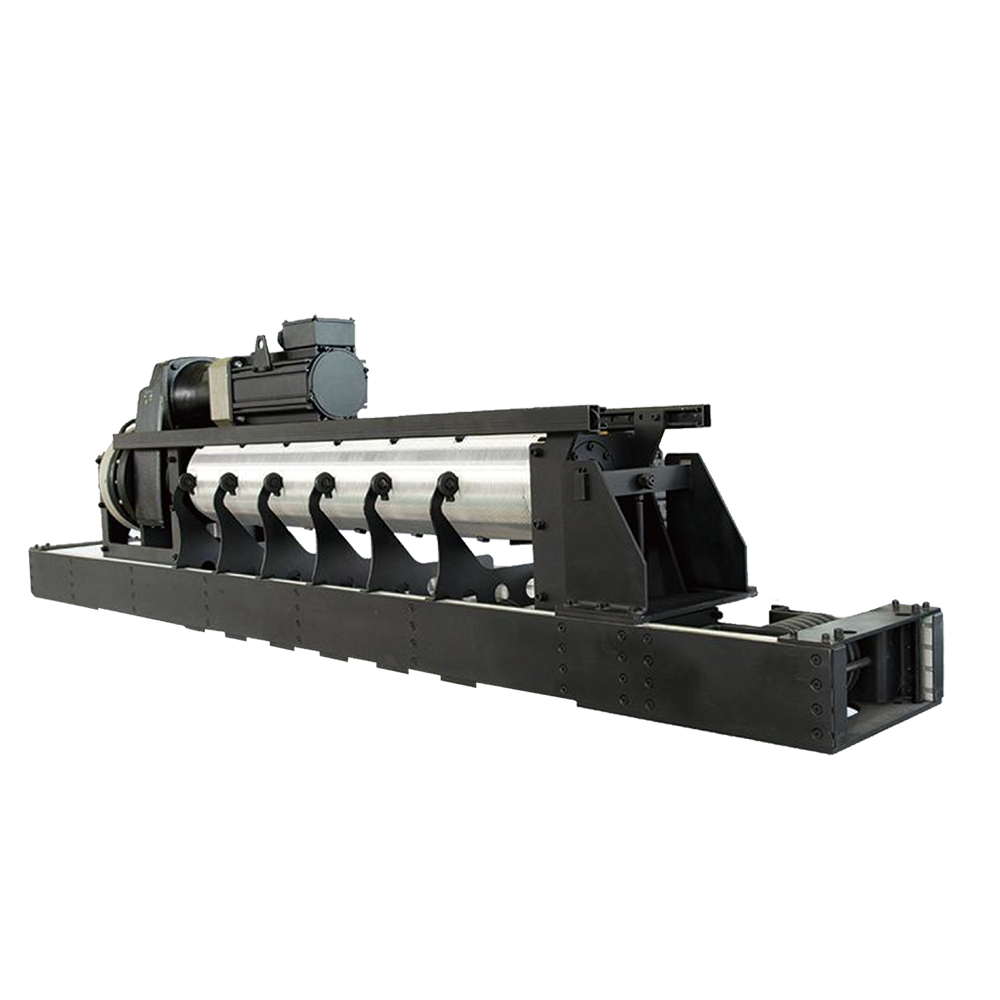 Servo-Driven Zero-Fleet Stage WinchFor applications demanding the ultimate in speed and precision, the Servo Series Stage Winch is the answer. Driven by an advanced electric servomotor, it boasts an ult...View Product →
Opera houses, TV studios, concert halls, and multi-purpose venues create different combinations of load, travel, speed, and noise tolerance, so the same base winch rarely fits two projects.
| Venue type | Typical duty | Recommended configuration | Critical parameter |
| Opera house | Soft scenery, counterweight replacement | Vertical zero-fleet, dual-point | Noise below 45 dB |
| TV studio | Lighting bars, soft goods | Pilewind series, compact drum | Low headroom, fast re-rigging |
| Concert hall | Speaker clusters, trusses | L-type large-drum zero-fleet | Multi-point sync, emergency descent |
| Multi-purpose hall | Mixed scenery, guest productions | Dual-point zero-fleet, mobile | Flexible positioning, quick changeover |
The first decision is between a fixed dual-point arrangement and a Pilewind-style drum for venues that re-rig constantly:
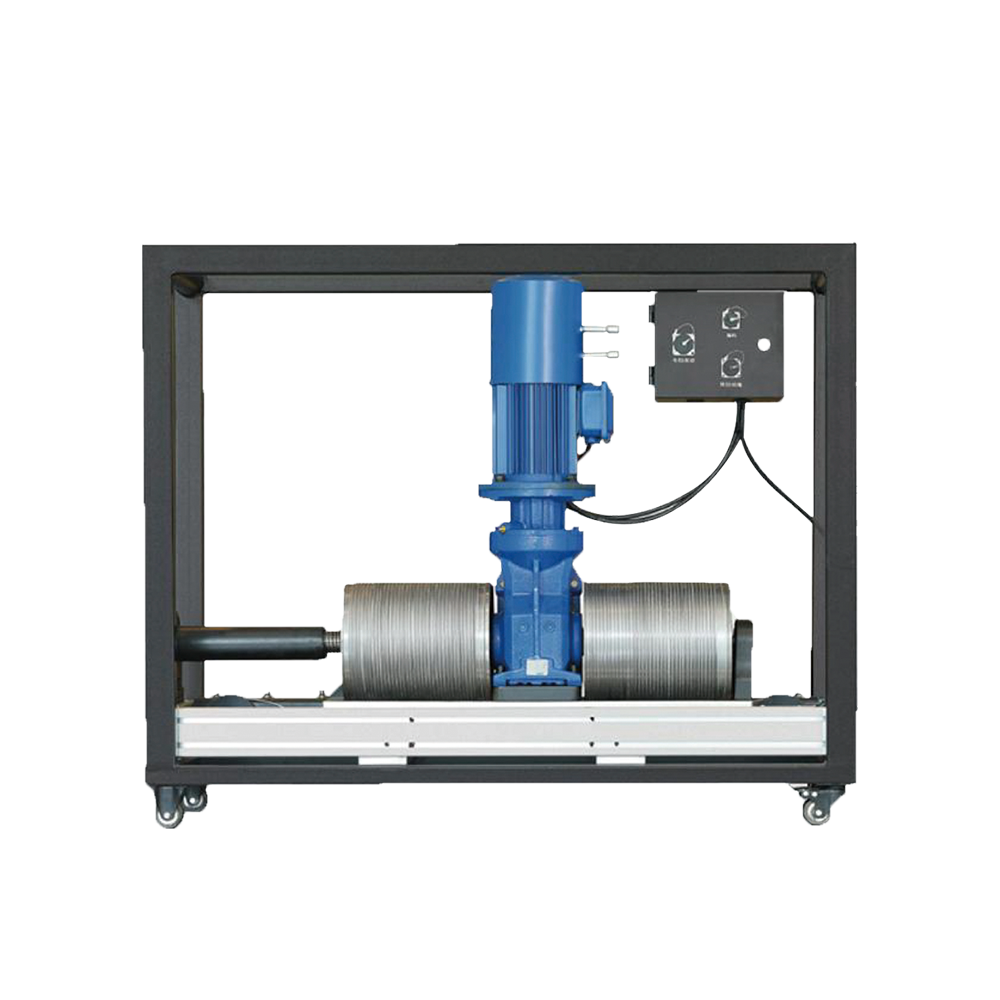 Dual-Point Zero-Fleet Stage WinchSpecifically crafted for the touring production sector, the Dual-Point Winch prioritizes portability and rapid deployment. Weighing significantly less than standard wi...View Product →
A completed municipal reference is instructive. A children's theatre project in Yangpu District required winches that could be operated by house staff rather than touring crews, so the engineering package combined zero-fleet lifting with gear-limit position sensing and a touchscreen console, and the venue has operated the system without dedicated riggers.
Certification evidence matters as much as mechanical performance: a custom servo-driven stage winch for a public venue should be verifiable against EN 17206, BGVC1, or SIL3-rated safety control architecture.
The most common cause of stage machinery failures is not insufficient motor power; it is missing end-stop management and slack-line detection. A properly engineered winch integrates absolute position sensing, dual-channel emergency stops, and a mechanical brake that holds at least 1.25 times rated load.
Comparing BGVC1, EN 17206, and SIL3 when writing a tender: BGVC1 is the German guideline widely referenced in European municipal projects, EN 17206 is the harmonized European product standard for stage machinery, and SIL3 describes the reliability level of the safety control chain that monitors the winch.
In RenteZhihe's automation product line, position monitoring is handled by components such as the gear-limit switch:
 Gear Limit SwitchThe Gear Limit Switch acts as the “nerve ending” for the precise control of stage machinery. It employs a special planetary gear transmission system with a self-lockin...View Product →
A single-source engineering partner reduces specification risk because design, manufacturing, installation, and commissioning sit under one quality-management system.
RenteZhihe (JiangSu) Equipment Technology Co., Ltd. operates as this kind of partner, with a stated service chain covering design, production, installation, commissioning, operation, and maintenance, and with a custom stage engineering capability that keeps the supplier and the integrator as the same legal entity.
Our strengths, your competence. RenteZhihe translates this principle into documentation packages, as-built drawings, and operator training instead of a bare delivery contract.
These are the four questions venue owners and consultants ask most often when they start a custom servo winch procurement.
A standard stage winch uses an asynchronous motor with open-loop or simple frequency control, and the cable often traverses along the drum, changing the lift geometry. A servo-driven zero-fleet winch uses closed-loop position feedback and parallel-groove spooling, giving constant lift points and repeatable positioning.
Provide the maximum scenic load per line, required travel height, planned line speed, stage grid dimensions, and the show-control protocol the venue will use. If the winch must behave like a counterweight set, include the expected number of cues per performance and the acceptable noise level.
EN 17206 sets the European safety requirements for machinery in theatres and other performance venues, including winch braking and load limits. SIL3 applies to the safety control chain that monitors position and emergency-stop functions. A custom winch should be delivered with a risk assessment and a declaration of conformity referencing both.
Most projects follow a 12 to 20 week cycle from drawing approval to factory acceptance, with on-site installation adding at least two more weeks depending on access and winch count. The project schedule should always be part of the quotation.
The cost of re-engineering a mis-specified stage winch always exceeds the cost of aligning specifications first. Load, speed, drum geometry, repeatability, and certification define the envelope; venue type and control architecture define the configuration; and a single engineering partner keeps responsibility intact from drawing to opening night.
We specialize in delivering advanced stage machinery, rigging systems and intelligent control solutions for performance spaces worldwide.

No. 111 Runfeng Road, Hailing District, Taizhou City, Jiangsu Province, China

rtstage@163.com

+86-139 1771 1698

+86-139 1771 1698
rtstage@163.com
 中文简体
 English
 русский
 Français
 Español
 عربى