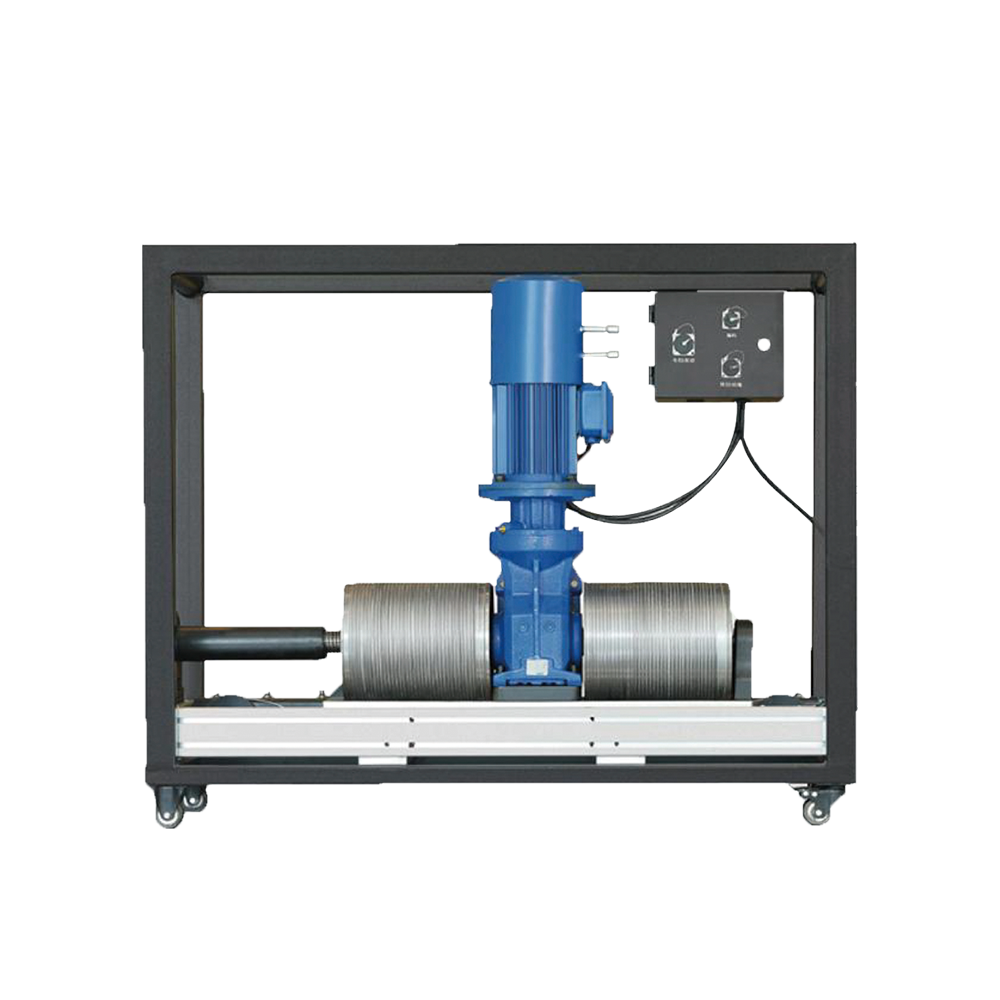
When a performing arts center replaced its manual counterweight sets with servo-driven zero-fleet stage winches, the acceptance test measured positioning repeatability within 0.5 mm under a 250 kg load in an 18 m fly tower. Numbers like that separate a well-engineered servo-driven zero-fleet stage winch from an expensive disappointment. Selecting this class of equipment requires confirming specific engineering parameters: positioning tolerance at rated load, drum and wire-rope sizing, safety logic, and the communication interface with the show control system. This guide walks through each checkpoint with the figures your technical team should demand during tender evaluation.
Positioning tolerance must be confirmed at rated load and after repeated cycles, not inferred from encoder resolution alone.
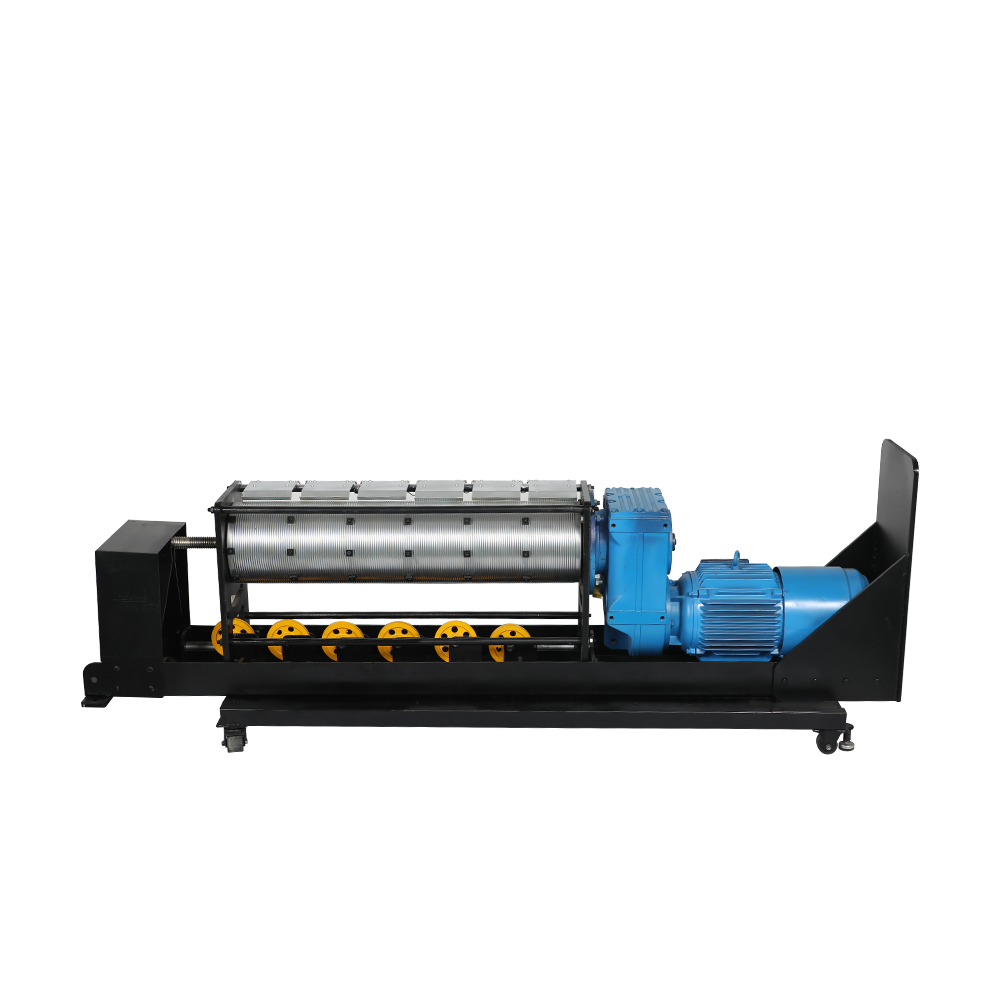
A servo-driven zero-fleet stage winch uses a spiral-grooved drum that holds the wire rope at a constant fleet angle, eliminating the lateral rope drift that introduces delivery deviation on conventional drum winches. The servo drive closes a real-time position loop with absolute encoder feedback. Together, these two features define the zero-fleet precision class.
Brochures often list encoder resolution instead of positioning repeatability. A 23-bit encoder sounds impressive, but gearbox backlash, rope elongation, and drum layer transitions can add several millimetres of error. Ask for factory test reports that state repeatability at rated load.
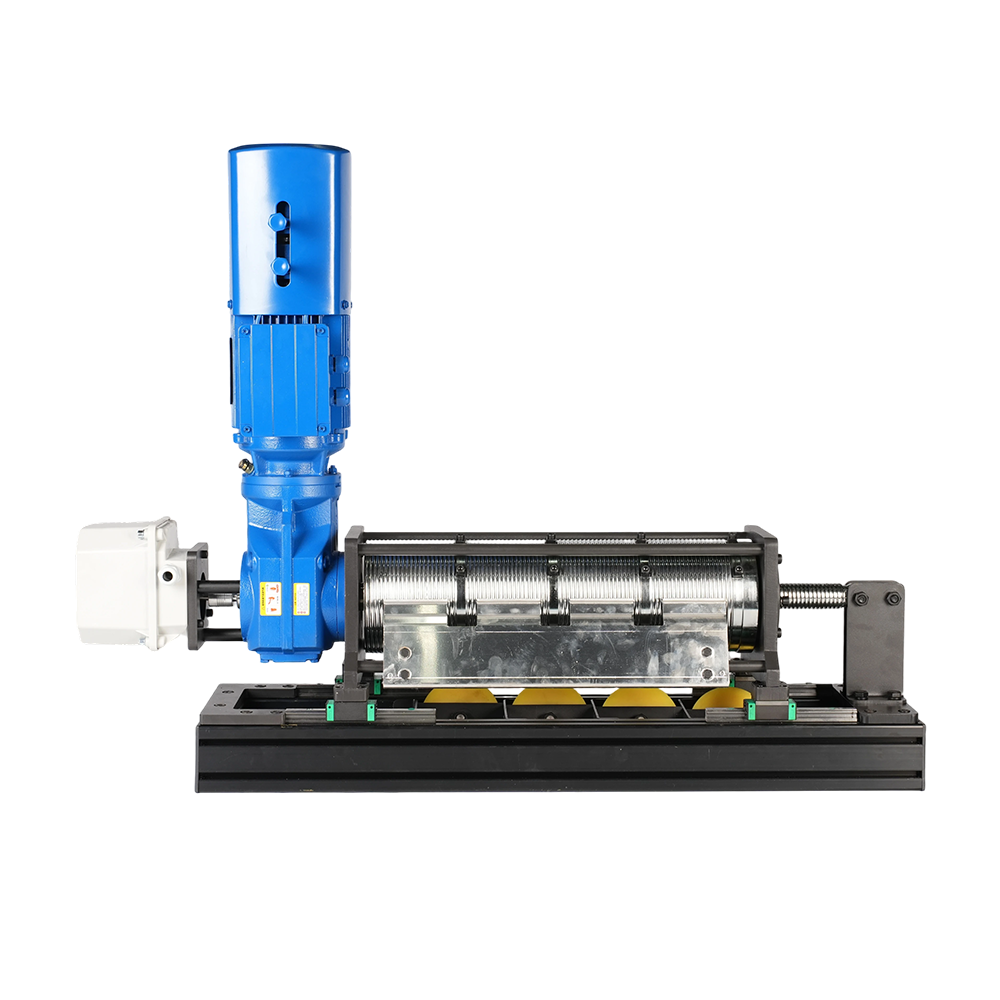
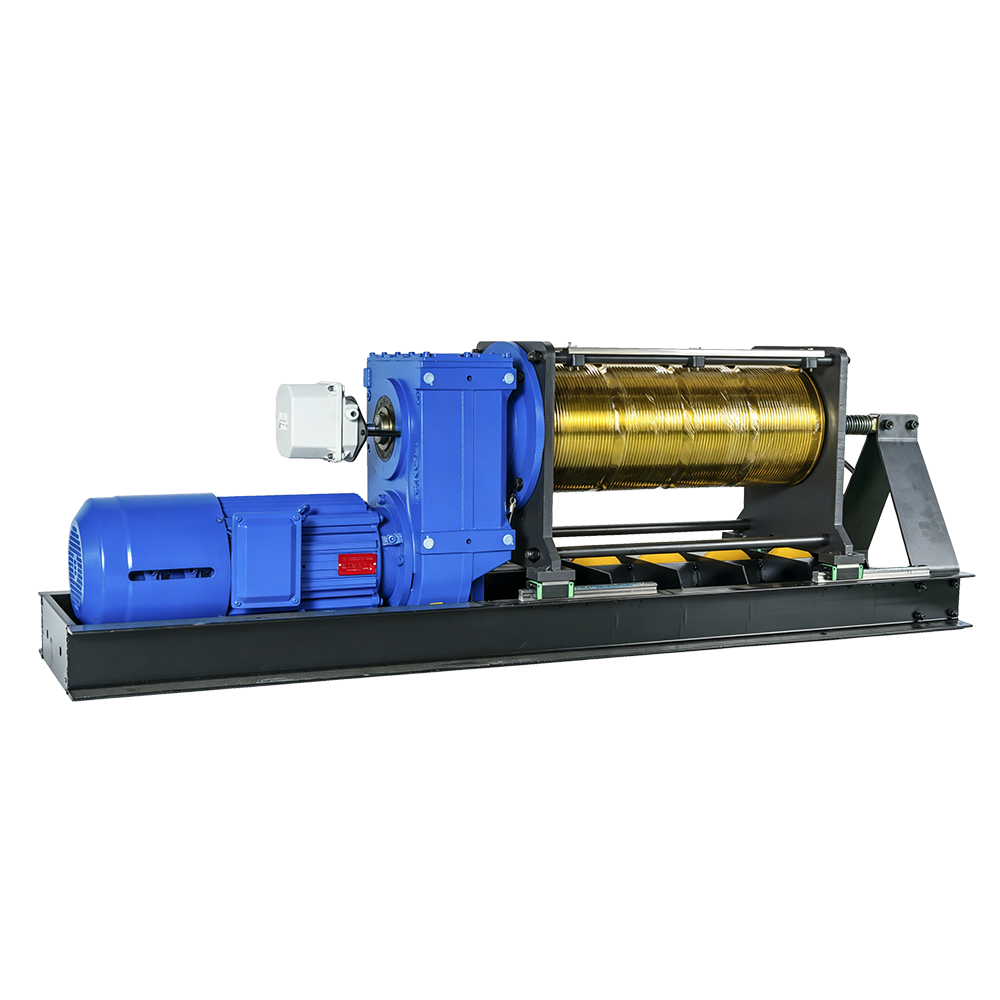 In-Line Zero-Fleet Stage WinchThe “Single” series represents the pinnacle of intelligent winch design, featuring a unique dual-encoder system paired with a dual-brake motor for pinpoint accuracy. D...View Product →
At the tender stage, request the drum groove profile calculation. The pitch of the spiral groove determines how evenly the rope winds and how consistently the fleet angle remains zero. The drum must be ordered with the rope diameter in mind.
| Parameter | Standard drum winch | Zero-fleet winch | Servo zero-fleet winch |
| Repeatability | +/- 5 mm | +/- 1.5 mm | +/- 0.5 mm |
| Encoder | Incremental | Absolute | Absolute high-resolution |
| Fleet angle control | None | Fixed by groove | Fixed and monitored |
| Load compensation | None | Partial | Torque-loop automatic |
Demand these figures in writing:
The rated load on the nameplate is valid only when drum, wire rope, and brake are engineered as a single load path.
Confirm the working load limit, the duty cycle, and the wire-rope safety factor before comparing prices. A winch that flies a 250 kg lighting bar once per show has a different design envelope from one that positions a scenic platform every three minutes. Ask for the duty-cycle rating, typically S3-40% or S3-60% under IEC 60034-1.
Drum capacity determines maximum travel. The L-type zero-fleet winch with a large drum is built for tall fly towers where travel exceeds 15 m. With each rope layer, the effective lever arm and the linear speed per motor revolution change. A correctly engineered servo winch compensates for these changes algorithmically; a poorly executed design shows visible speed steps.
Wire-rope selection is often overlooked. The flexing over the drum groove determines rope fatigue life. Confirm the rope construction and the termination method. The winch is only as safe as its rope termination.
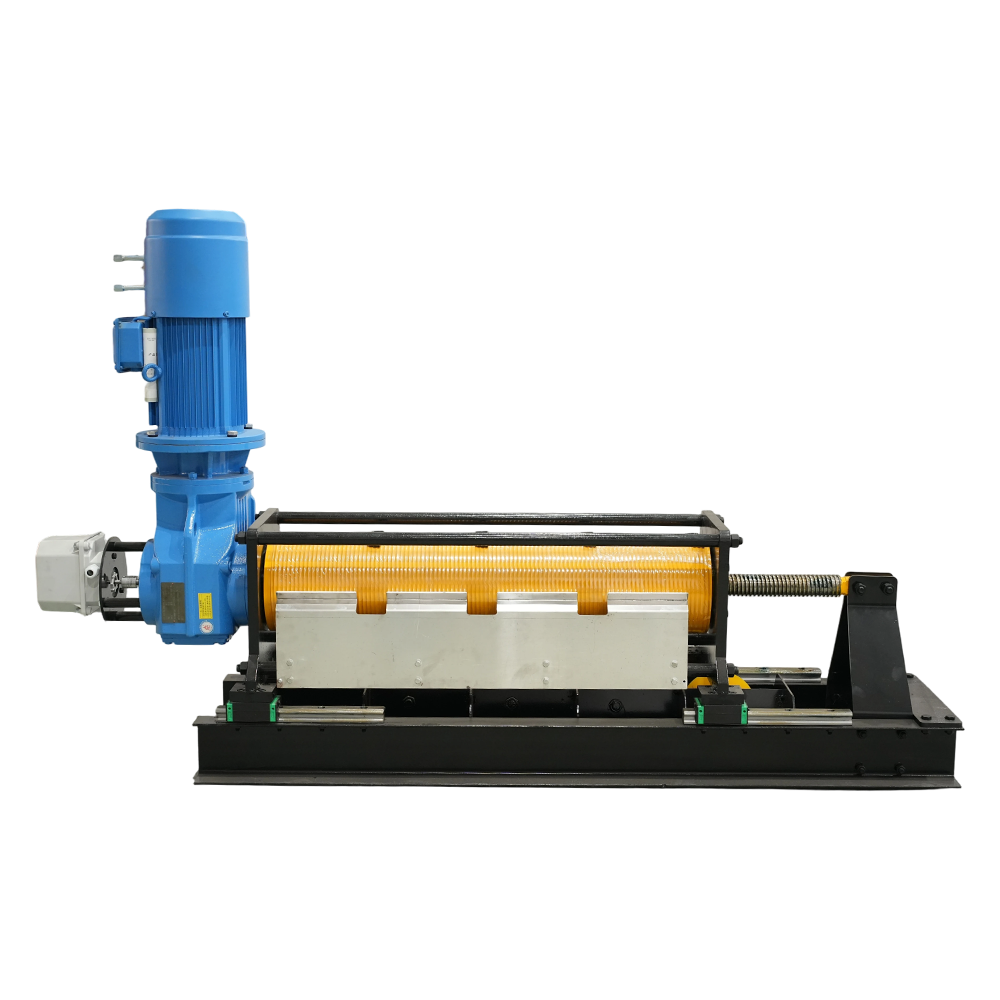
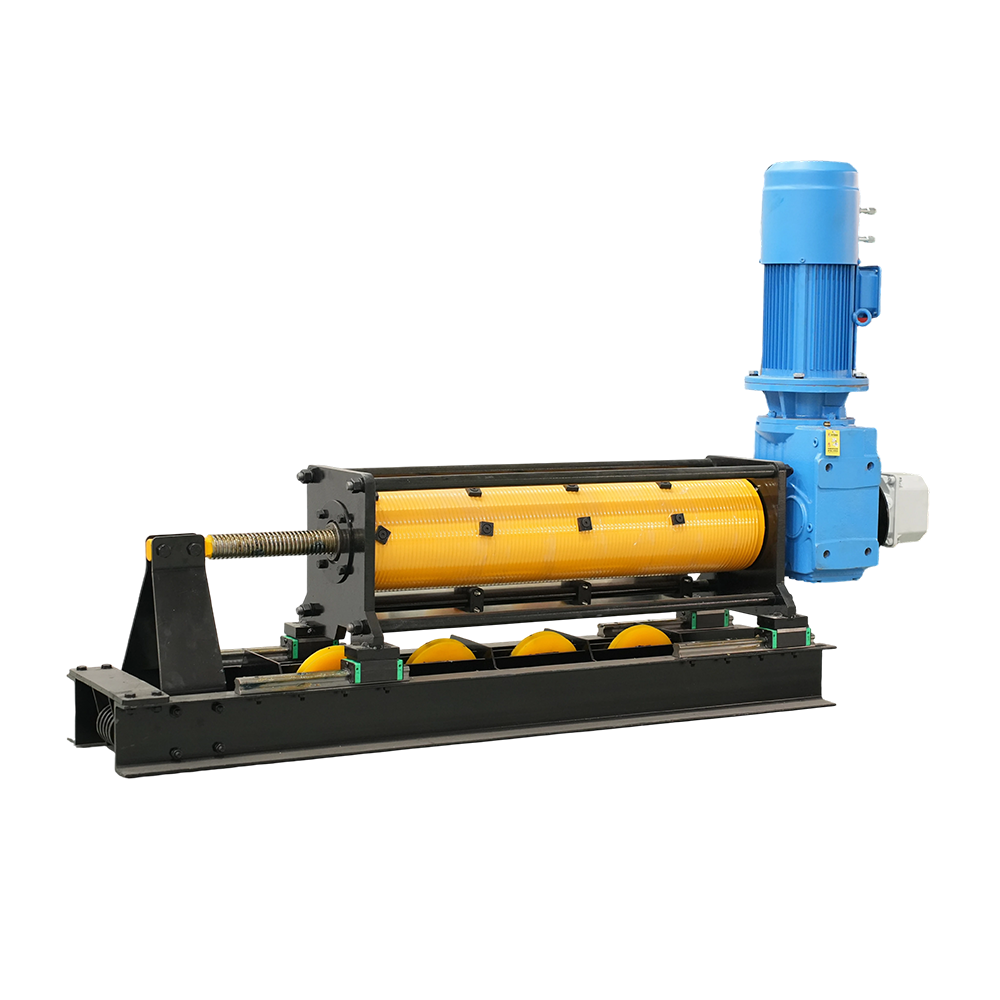 L-type Zero-Fleet Large-Drum Stage WinchBuilt to deliver exceptional structural stability, the L-type Large-drum Stage Winch features an integrated, heavy-duty tracked drum designed to handle rigorous theatr...View Product →
Safety compliance is confirmed by standards such as EN 17206, BGVC1, or SIL3, but the emergency behaviour of the specific winch must be verified on paper and in a live test.
When the servo drive loses power or the safety PLC issues a stop, the winch must enter a defined safe state. Confirm the following in the technical file:
A winch the show control system cannot command precisely is a counterweight with a motor attached.
The servo-driven zero-fleet stage winch is one node in an automation chain. Confirm the fieldbus protocol, the update rate, and the position data format. Confirm the behaviour during a network interruption: does the winch continue its last command, ramp down in a controlled stop, or park in a safe position? The answer must match the venue's risk assessment.
Multi-axis synchronization depends on the control loop. When several winches fly one truss, their drives must share a common clock and the controller must align the position set-points. EtherCAT is widely used for this because of its distributed clocks.
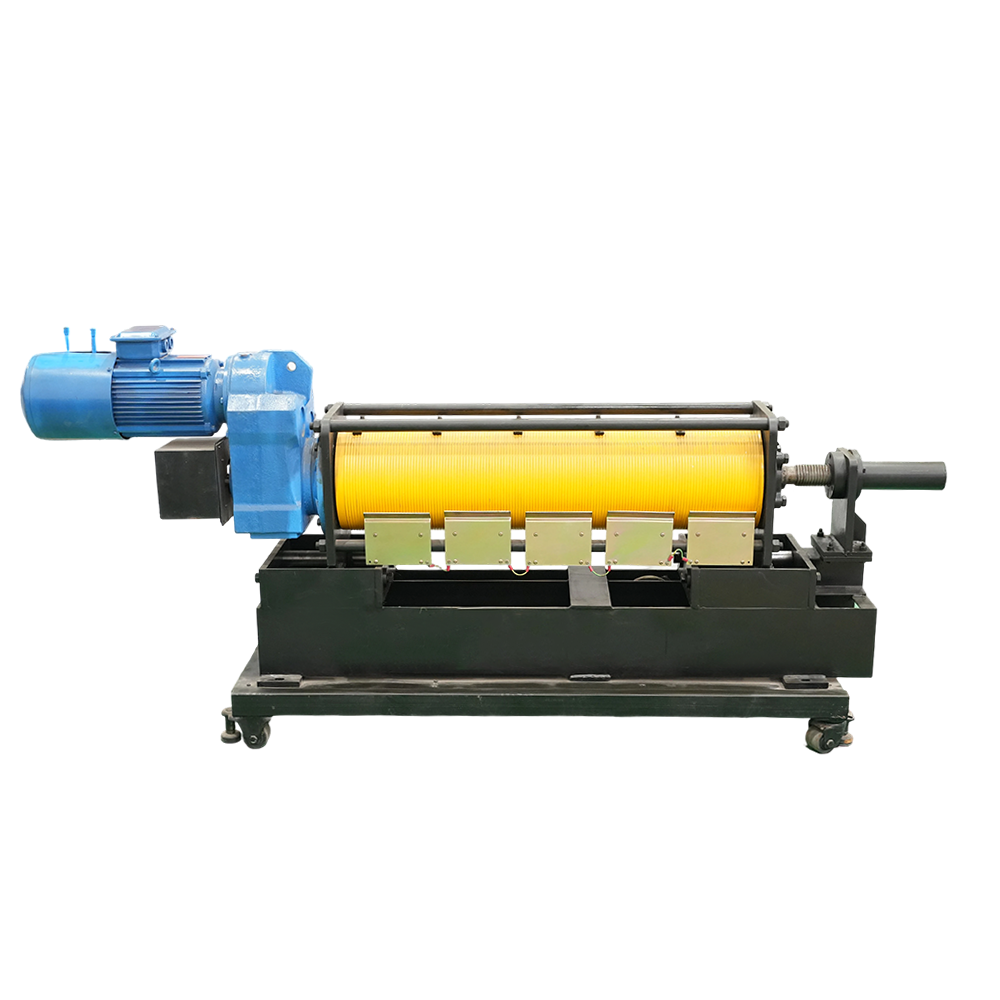
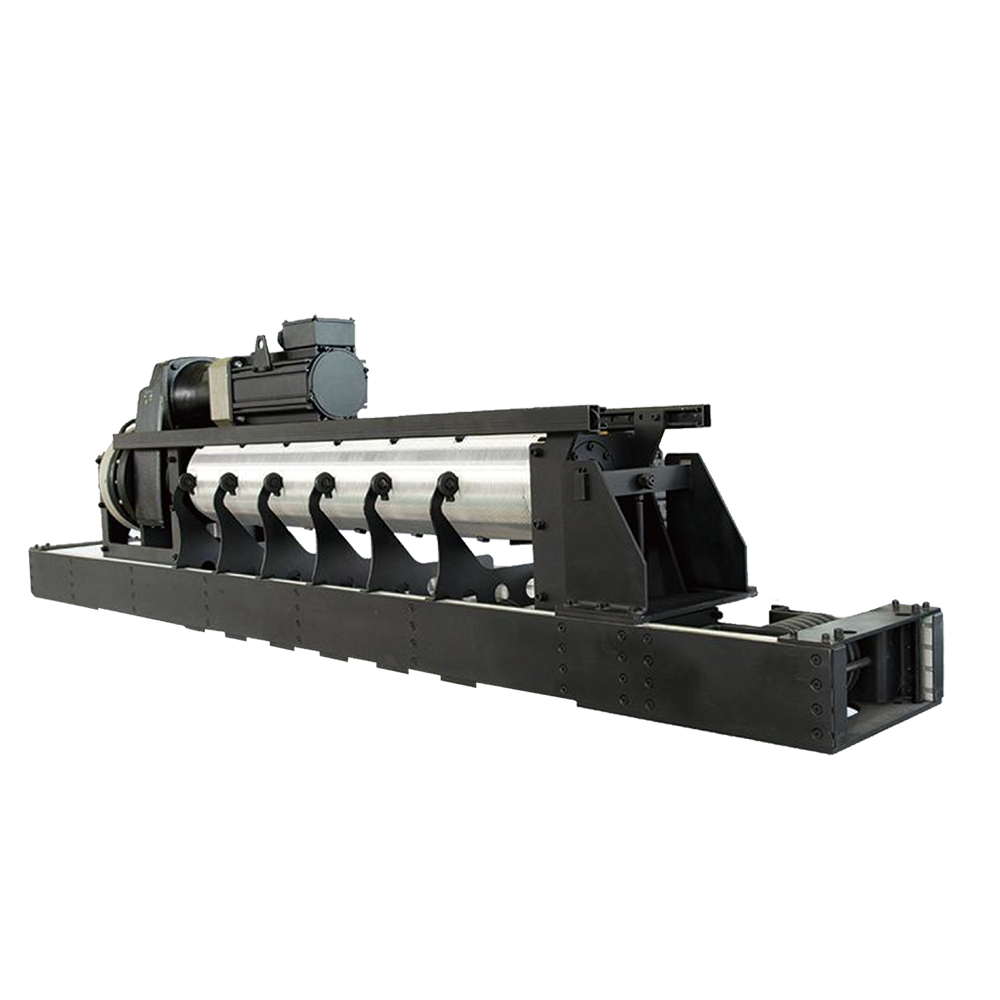 Servo-Driven Zero-Fleet Stage WinchFor applications demanding the ultimate in speed and precision, the Servo Series Stage Winch is the answer. Driven by an advanced electric servomotor, it boasts an ult...View Product →
The safest practice is to require a hardware-in-the-loop test before shipment. In that test, the winch control cabinet is connected to a simulator that replicates the venue's show controller. This catches addressing mismatches, watchdog settings, and emergency-stop routing errors before the winch arrives on site.
Acceptance testing must include a loaded cycle test with realistic scenery masses, not an empty-bar run.
A credible handover includes the following steps.
The manufacturing lineage of RenteZhihe (JiangSu) Equipment Technology Co., Ltd., from the original Shanghai teams through the Jiangsu production base to the 2025 rebranding, has delivered complete stage machinery projects including a children's theatre project in Yangpu District. That record shows which commissioning documents a client needs.
For venues with non-standard fly-tower geometry, custom zero-fleet winch engineering for theatres is often a better option than fitting a stock winch into an unsuitable space.
The four questions below represent the most common specification gaps found in tender reviews.
The zero-fleet drum fixes the wire-rope fleet angle and eliminates lateral drift, while the servo drive provides real-time position feedback with absolute encoders. A standard drum winch typically delivers repeatability within 5 mm; a servo-driven zero-fleet winch holds within 0.5 mm at rated load.
Configurations cover single-point, dual-point, horizontal, inline, L-type, and mobile versions, with working load limits typically from 250 kg up to 2000 kg. Confirm drum capacity, wire-rope diameter, and fleet angle with the manufacturer for the specific travel height.
European installations commonly require EN 17206. German venues frequently reference BGVC1. Automation with safety functions may need SIL3-rated control components. Always verify the locally applicable standard with the project's safety consultant.
Yes, if the structure supports the reaction loads and the control system accepts the fieldbus protocol. Inline and L-type configurations are common retrofit choices because they adapt to limited machine-room spaces. A structural survey of the existing fly tower is the first step.
We specialize in delivering advanced stage machinery, rigging systems and intelligent control solutions for performance spaces worldwide.

No. 111 Runfeng Road, Hailing District, Taizhou City, Jiangsu Province, China

rtstage@163.com

+86-139 1771 1698

+86-139 1771 1698
rtstage@163.com
 中文简体
 English
 русский
 Français
 Español
 عربى