Imagine you are in a 1,200-seat theatre during load-in. There are ten rigging points to install, and the control desk needs to cue a flown scenery piece to stop exactly 45 cm above the stage floor. Somebody asks: should we specify a stage winch or a chain hoist? The answer is not about brand loyalty; it is about what the system is required to do. In nearly every case where the moving element is part of a live show, a stage winch is the right choice. If the lift is simple, static, and does not need to follow a cue, a chain hoist can be a practical and cost-effective option.
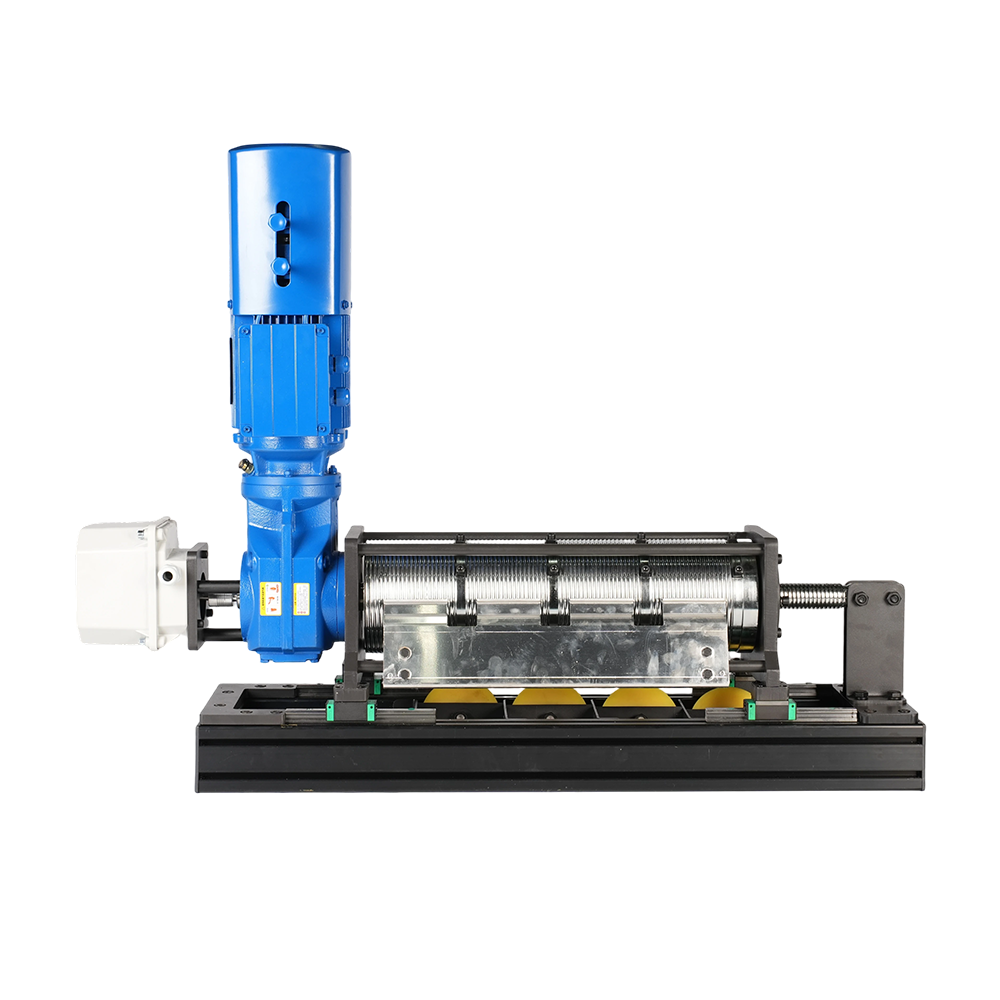
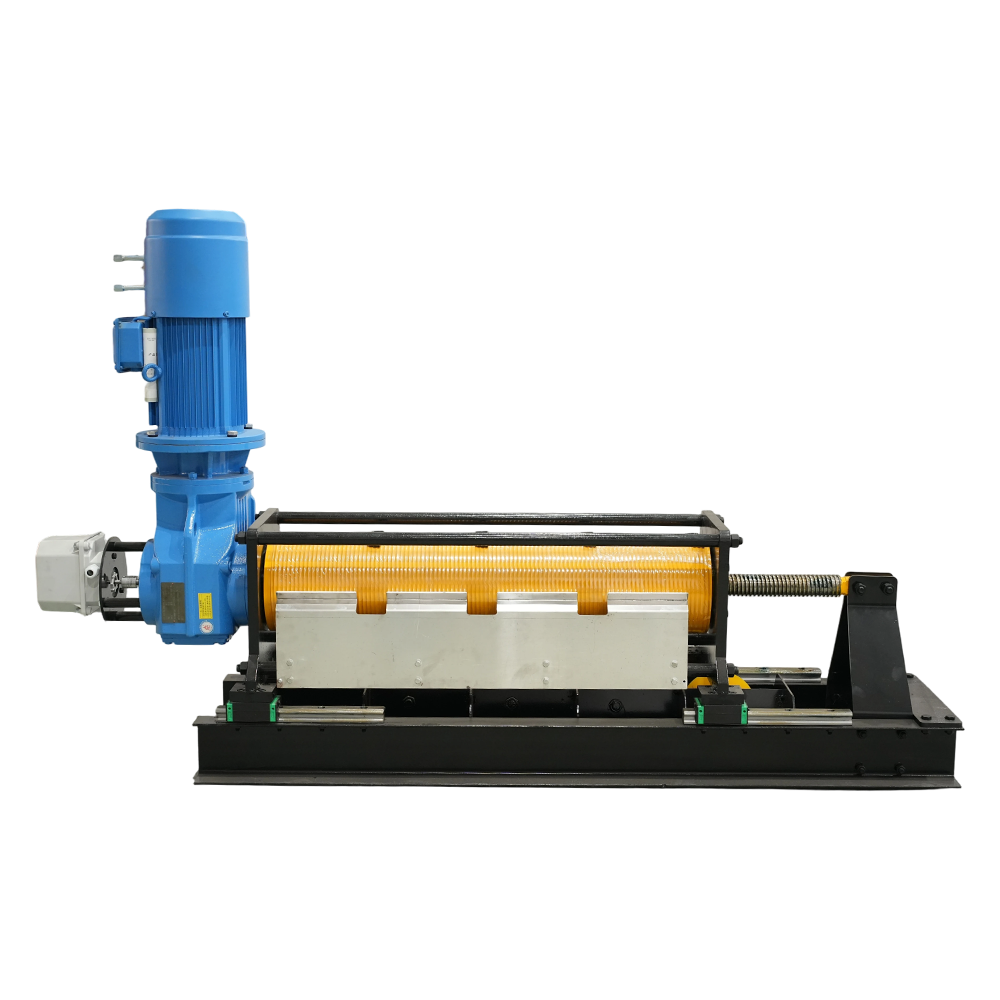
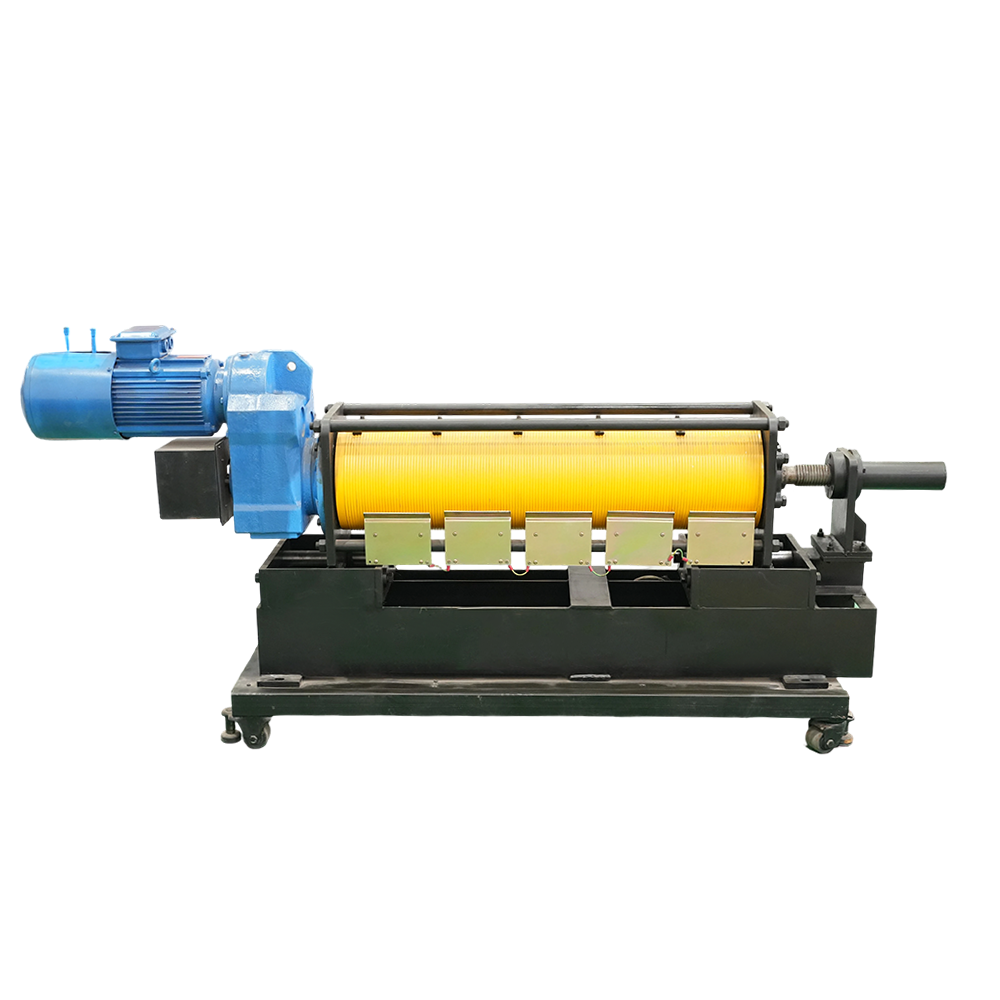
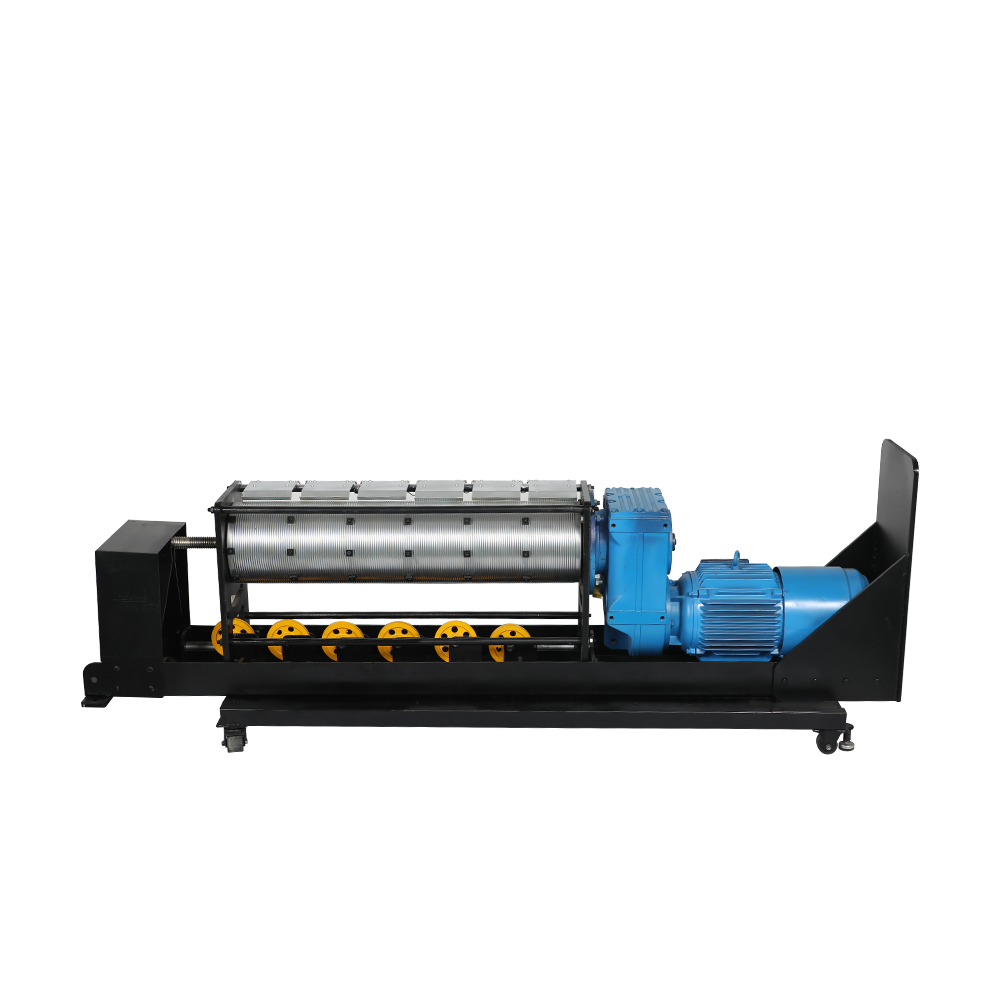
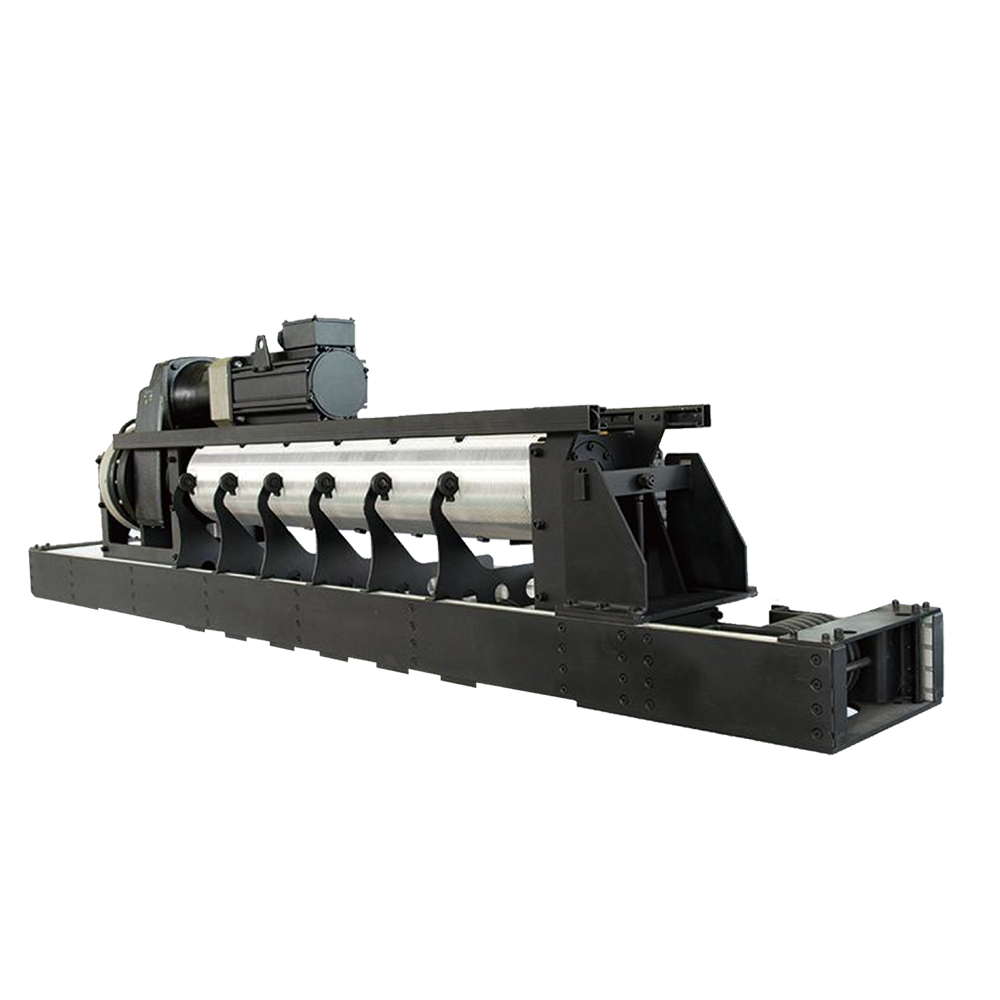
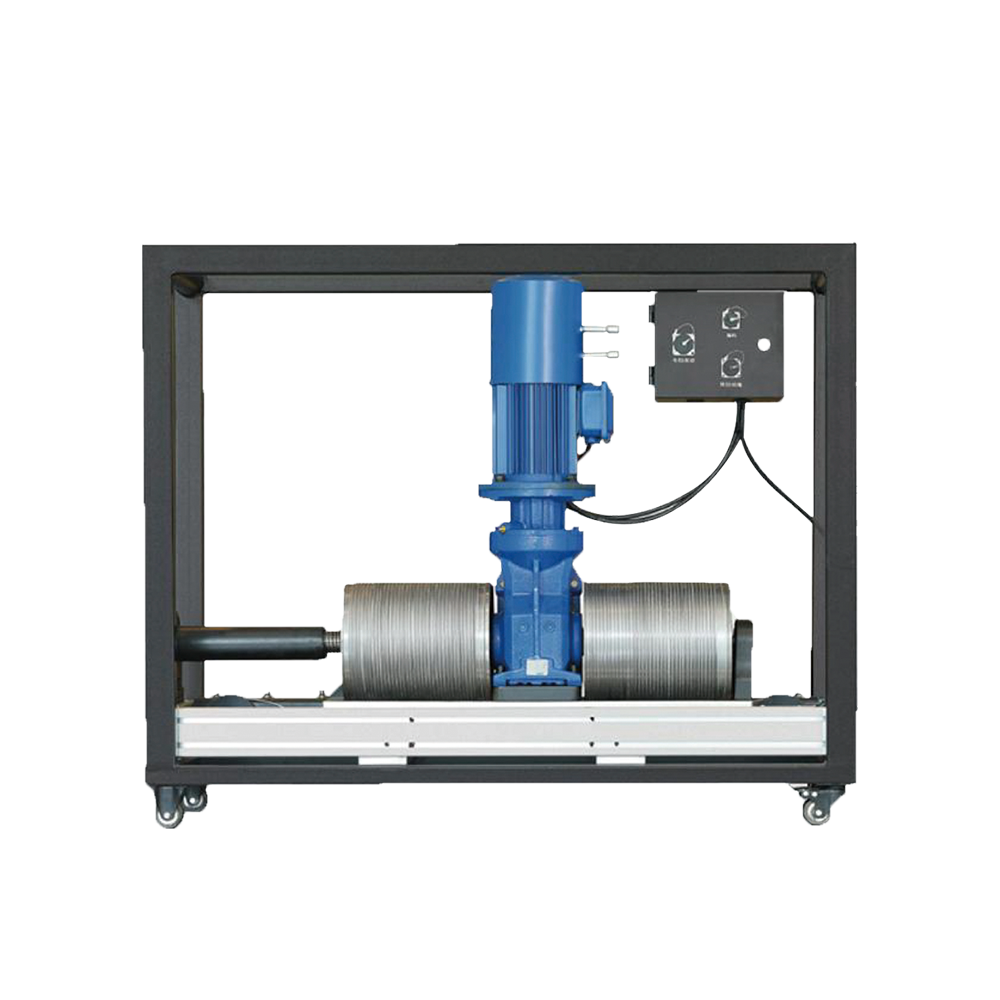
A chain hoist is a robust lifting device that uses a motor to drive a chain, raising or lowering a hook at a fixed or variable speed. It is designed to move a load from point A to point B, and it does that reliably. A stage winch is a machine built around a drum, a rope, and a control system. In theatre rigging, a winch is not simply a lifting motor; it is a positioning system. It can stop at a preset point, follow a speed curve, and synchronise with other winches. That is why the choice often comes down to whether you are building a live show or just hanging a curtain.
Stage winches are used for flown scenery, soft goods, and other moving elements. The critical advantage is control. With a variable-frequency drive or servo motor, a winch can ramp up gently and stop softly. For a scene change, you may need a scenic piece to move from a height of 8 metres to 2 metres in 3.5 seconds with an acceleration profile that avoids any jerking. A well-engineered winch can achieve this repeatedly within a close tolerance, often measured in millimetres. In contrast, a chain hoist is typically designed for lifting speed, not for profiling. Its directional control is more limited, and the brake engages when the motor stops, which can produce a noticeable bounce.
For venues that want to automate shows, winches can be integrated into a control system that remembers cues and allows operators to edit them. Some designs even incorporate double-wire or multi-point configurations for synchronised lifting. This is where zero-fleet stage winches come into play. The zero-fleet concept means the rope does not shift across the drum, reducing wear and improving repeatability. For a theatre that cares about long-term maintenance and precise show programming, that matters.
Chain hoists have a well-earned place in theatre maintenance and event production. They are relatively compact, easy to rig, and often available in stock with a wide range of capacities. For static lifting of heavy loads – a lighting truss, a speaker cluster, or a non-moving set piece – a chain hoist may be all you need. Many venues also use chain hoists in an arena or touring context, where the same hoist is moved to different positions and requires a quick and simple installation. In these cases, the load path is generally vertical, and the movement is not part of a choreographed sequence. The hoist does not need to follow a speed curve; it only needs to go up and down.
| Dimension | Stage Winch | Chain Hoist |
|---|---|---|
| Primary purpose | Precision positioning and motion control | Simple vertical lifting |
| Speed control | Full variable-speed and acceleration profiles | Limited speed selection, often two or three steps |
| Positioning accuracy | Millimetre-level repeatability | Usually less precise; stopping point depends on brake |
| Motion profile | Can follow cue curves, dwell, mid-point stops | Generally up/down only |
| Load path | Rope over drum, flexible incline and multi-point options | Vertical chain path only |
| Typical application | Flown scenery, shows with automated cues | Trusses, static heavy loads, touring and repair work |
| Control integration | Connects to show control systems | Standalone operation or simple group control |
| Maintenance | Rope and zero-fleet designs lower wear; requires professional care | Chains need regular lubrication and inspection |
Consider the following points in a procurement conversation. They do not have to be answered in sequence, but they should all be on the table before you sign off on a rigging system.
Modern theatre audiences expect seamless transitions. A scene that stops 5 mm too low or rises with a visible jolt can break the illusion. This is especially true in touring productions that reuse the same cue list with different venues. A precision stage winch can be programmed in millimetres, and a quality zero-fleet design will keep that repeatability over thousands of cues. In addition, rope-based winches can run at lower noise levels than chain drives, which is a comfort for performers and for the audience in an intimate house.
Precision also affects safety. When a winch is aligned correctly, the rope wraps neatly and consistently. That is why manufacturers who build stage winches often pay special attention to the fleet angle, drum grooves, and rope terminations. A poor fleet angle can cause the rope to slip off the drum, leading to a stuck piece or a dangerous free-fall. A chain hoist avoids that specific problem, but it introduces its own chain-related risks if the chain twists or binds. The decision is not about which is “safer” in theory; it is about which failure mode you are better equipped to prevent.
Here is a simple mental checklist for rigging specifiers and venue operators:
Your rigging supplier should be able to give you a clear capacity and speed chart for both options. Ultimately, the right choice is the one that fits the show’s design, the venue’s maintenance culture, and the budget you have to work with. For high-precision theatre applications, a well-built zero-fleet stage winch will give you the control and repeatability that a chain hoist simply cannot provide.
We specialize in delivering advanced stage machinery, rigging systems and intelligent control solutions for performance spaces worldwide.

No. 111 Runfeng Road, Hailing District, Taizhou City, Jiangsu Province, China

rtstage@163.com

+86-139 1771 1698

+86-139 1771 1698
rtstage@163.com
 中文简体
 English
 русский
 Français
 Español
 عربى