When a theater project reaches the rigging specification stage, few decisions influence safety, construction time, and operating cost as much as the choice between a counterweight arbor and a dead-haul winch system. In most mid-sized and large venues, the dead-haul winch is the safer system for day-to-day operation and the faster system to install, because it eliminates manual counterweight loading and the risk of an unbalanced batten. The counterweight arbor remains a compact, energy-free solution with a proven manual operating model, and it can still suit simple line sets where a trained flyman is always present. Neither system is universally superior; the right choice depends on load range, stage geometry, crew skill, available power, and project schedule.
Before comparing safety and installation, it helps to define the two configurations clearly.
A counterweight arbor system suspends a batten from wire ropes that pass over head blocks at the grid and terminate on a vertical arbor cradle. The arbor rides in guide rails and carries cast-iron counterweight blocks sized to match the load on the batten. To move the batten, an operator pulls a hand line that wraps around a tension block; when the counterweight matches the batten load, the system is nearly balanced and the operator's effort only overcomes friction and inertia.
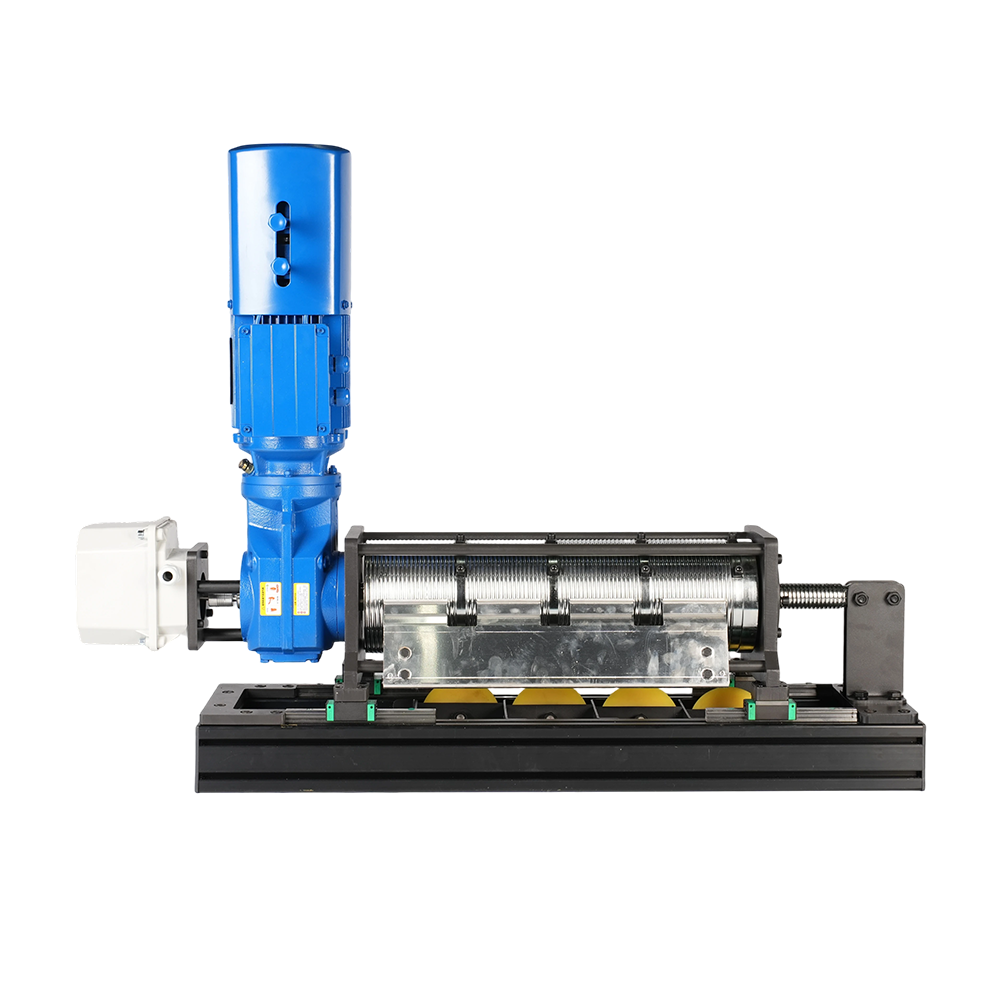
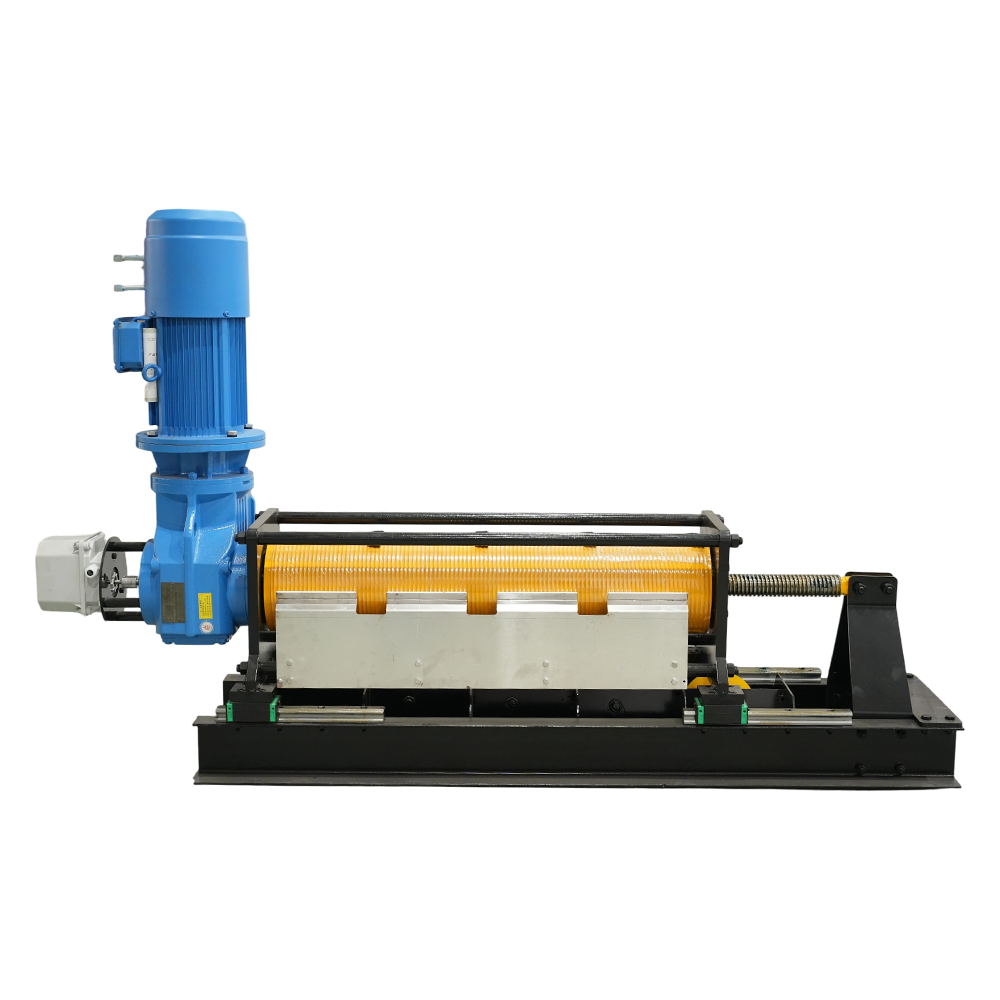
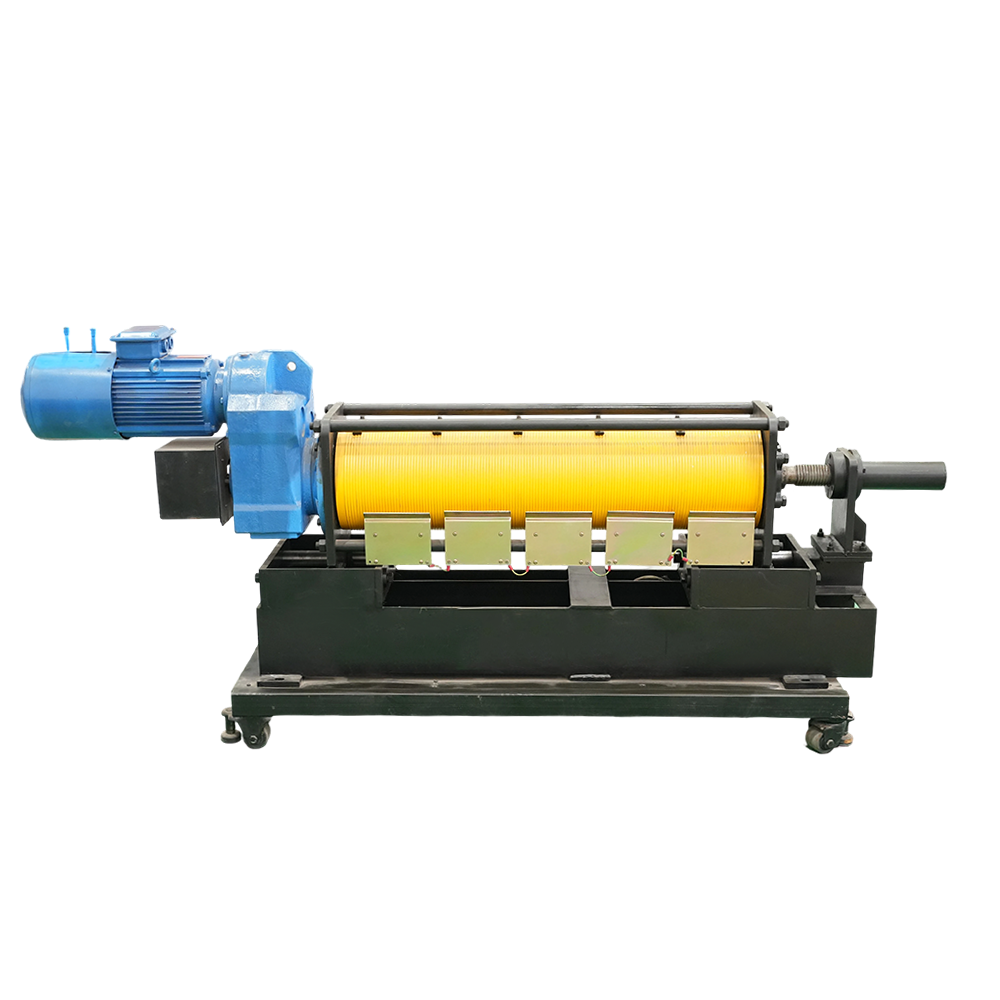
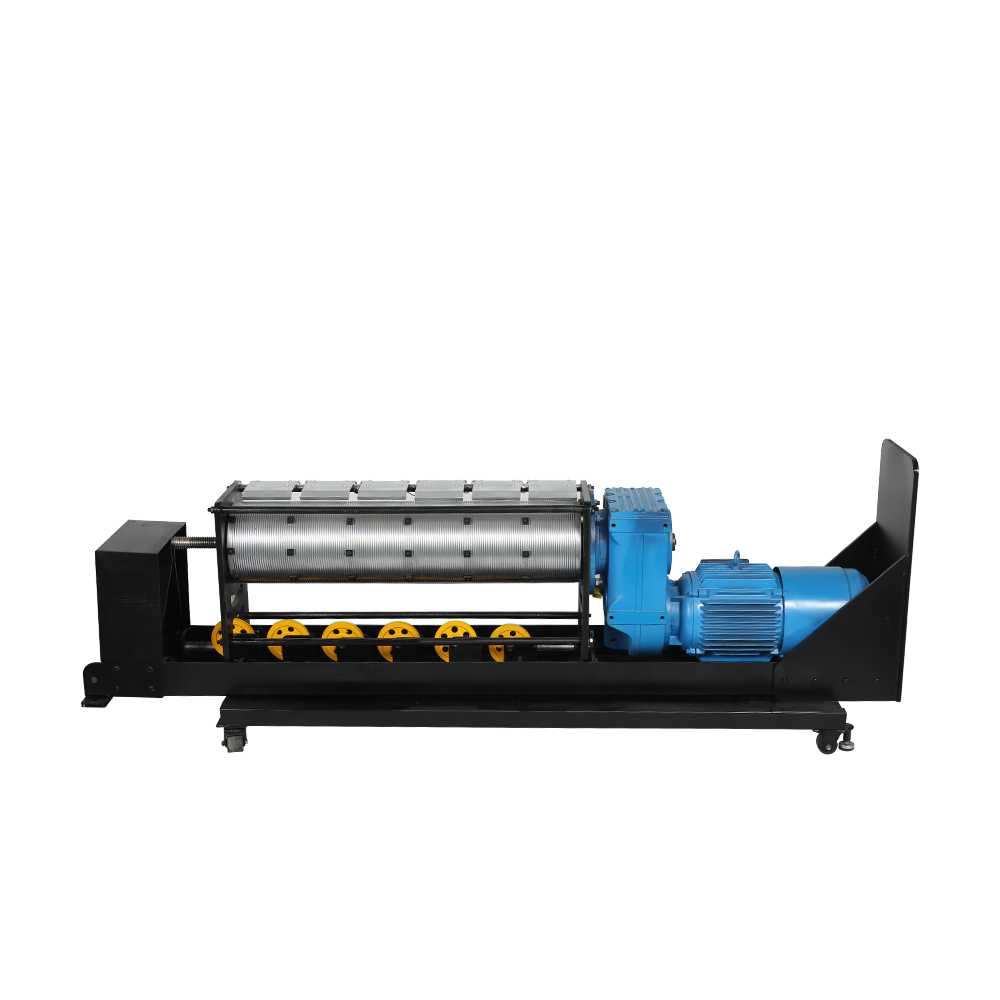
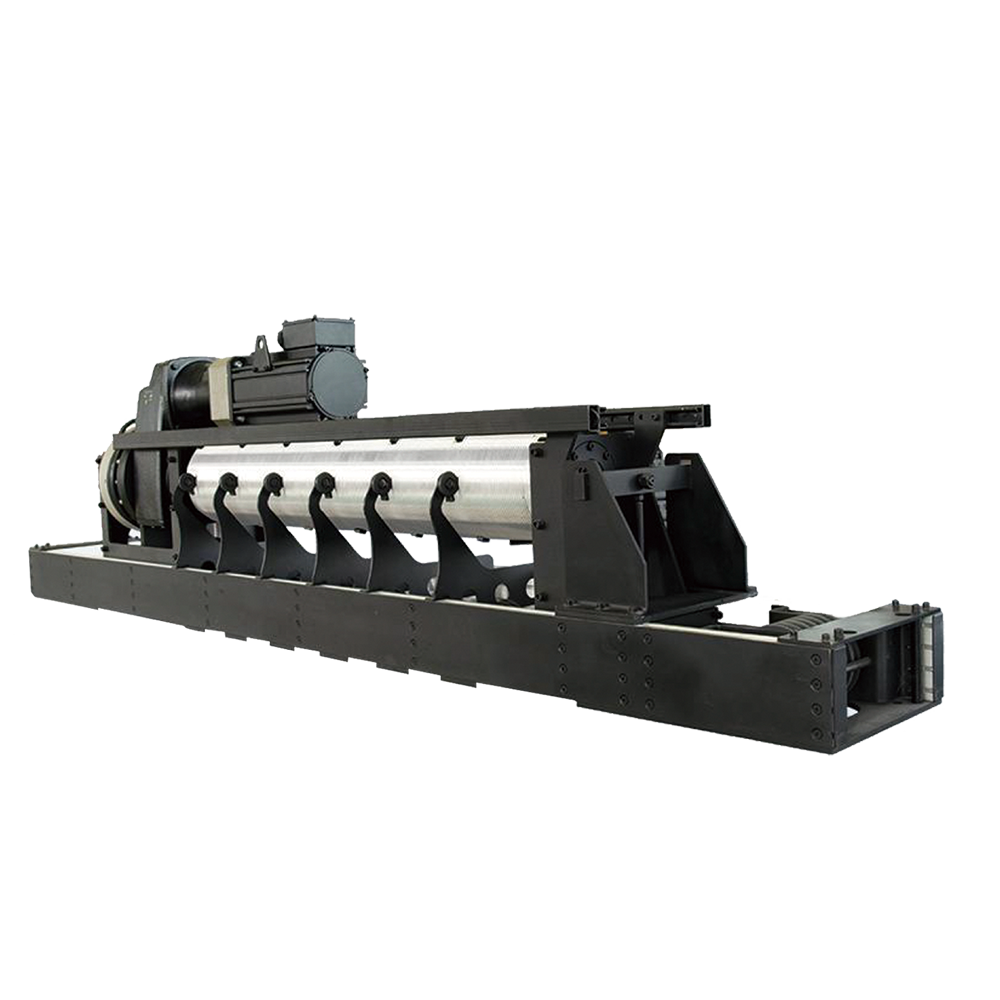
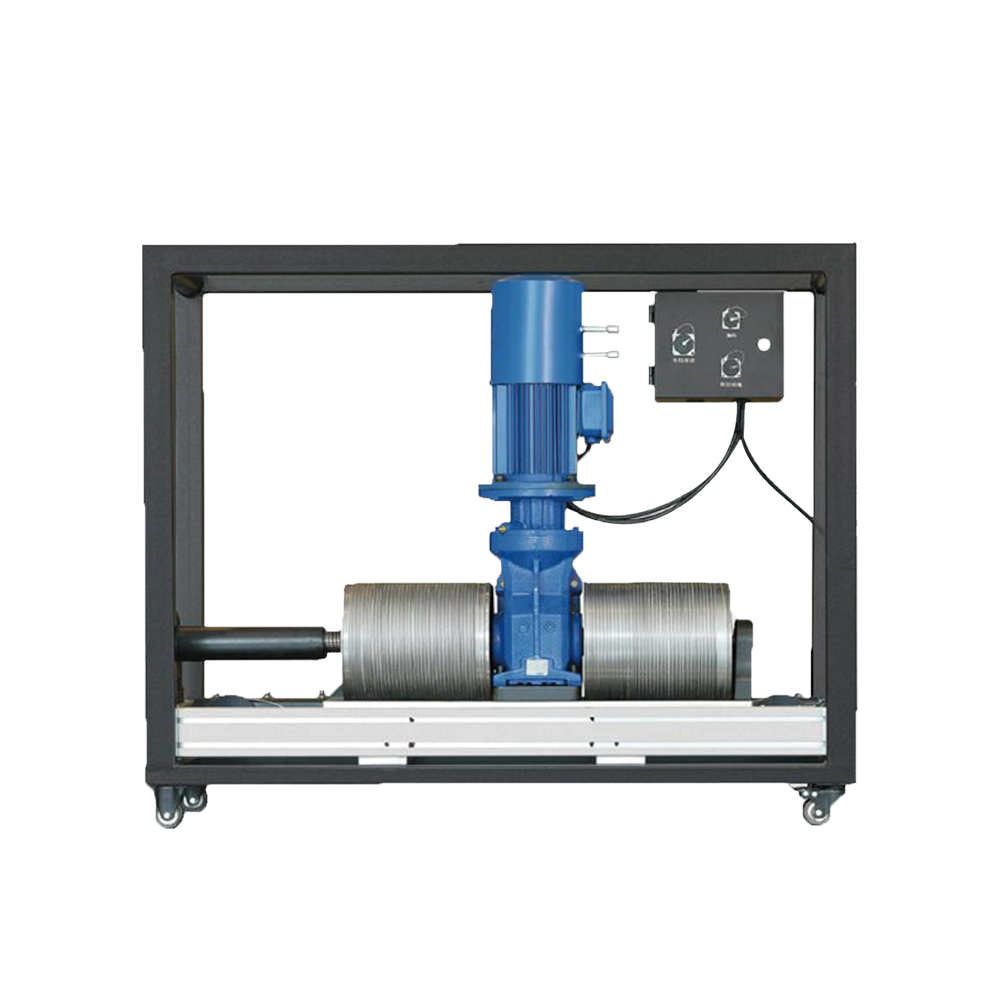
A dead-haul winch drives a grooved drum directly. Wire rope is spooled onto the drum and routed to the batten, either straight down or via a single head sheave. There is no counterweight, no arbor, and no hand line. The motor, drive, and mechanical brake carry the full load at every position, and the batten moves only when the control system commands it.
The most important safety difference is how each system handles a load that changes unexpectedly. A dead-haul winch keeps the load under machine control at all times; a counterweight arbor depends on the judgment of a flyman. That difference drives most accidents associated with manual rigging.
In a counterweight arbor system, the arbor and batten remain balanced only if the installed counterweight matches the actual batten load. When scenery is added without adding counterweight, the batten becomes heavy and travels downward on its own. The operator may slow it by wrapping the hand line around the tension block, but the system can still accelerate if the imbalance is large. Excess counterweight causes the batten to fly upward toward the grid. Both scenarios are the leading causes of fly-floor accidents.
A dead-haul winch avoids this failure class completely. The motor drives the load in both directions, the brake holds the drum when the motor is stopped, and a variable frequency drive provides controlled acceleration and deceleration. Encoder feedback and programmable travel limits prevent the batten from exceeding its safe range, while overload and under-load monitoring can trigger an immediate stop if the drum sees an unexpected force.
Counterweight operation also exposes crew to hazards that a dead-haul winch does not present. Stagehands must load and remove counterweight blocks on a loading gallery, typically at height and often in dim conditions. Each block weighs 10 to 25 kilograms, and repetitive handling over a production season is a common source of strain injuries. The moving arbor itself creates pinch points along its guide rails.
With a dead-haul winch, there is no counterweight gallery, no loose block inventory, and no need for crew to stand near moving machinery during load changes. Rigging adjustments can be made at the batten or in the winch room, both secured with guardrails or lockouts.
On the failure side, a counterweight arbor system depends on many individual elements working together: loft blocks, head sheaves, wire ropes, the arbor guide channel, and the hand-line tension assembly. A seized sheave or frayed rope can put the system out of service, but the more insidious risk is gradual friction build-up, which masks weight imbalance until the system is heavily loaded.
A dead-haul winch concentrates the mechanical parts in one unit. The main risk is loss of brake holding force, which is why quality stage winches use redundant braking, such as an electro-mechanical holding brake plus a separate safety brake on the drum shaft. With a certified brake test procedure, a dead-haul winch gives a predictable, demonstrable holding capacity at commissioning and during periodic inspections.
On installation, the conclusion is straightforward: a dead-haul winch requires less steel work, fewer rigging points, and a shorter commissioning process, but it needs a proper electrical supply and control wiring. A counterweight arbor demands a multi-level structural arrangement that must be planned early in the building design.
Counterweight arbor systems need a full gridiron, a loading gallery, arbor travel space equal to the full batten travel, loft blocks, and a floor-level tension block. The steel structure must support the dead load of weights, arbors, and blocks plus dynamic forces from the hand line. This structural envelope affects the fly tower design and is difficult to retrofit.
Dead-haul winches are more forgiving. Each winch unit bolts to a steel beam or sits on a platform, and the rope path is shorter. Installation involves setting the unit, connecting power, and spooling rope to the head sheave and batten. There is no loading bridge, no arbor rails, and no counterweight inventory to manage.
Counterweight rigging requires precise alignment of loft blocks, head blocks, arbor guides, and the tension block. Misalignment increases rope friction, accelerates rope wear, and makes the system harder to control. Commissioning is a manual, iterative process: each line set must be balanced, test-flown, and load-tested at several heights.
Winch commissioning is control-system oriented. The installation team sets travel limits, slow-down zones, emergency stop functions, and brake holding tests. Because the winch is a single manufactured unit, most adjustment work happens at drive parameters rather than in the steel structure.
The main installation disadvantage of the dead-haul winch is electrical. Every line set needs three-phase power, a motor starter or variable frequency drive, and connection to a control console. When planned into the building design, the cost is modest; if power is inadequate, the winch route becomes more expensive. Counterweight arbor systems need no line-set power, which matters for venues with a small electrical service already fully allocated.
The table below condenses the most relevant selection factors.
| Comparison Factor | Counterweight Arbor | Dead-Haul Winch |
|---|---|---|
| Load balance control | Manual balancing by flyman | Automatic via drive and brake |
| Runaway hazard | Present if load exceeds counterweight | Low; machine holds load at all times |
| Counterweight handling | Required on loading gallery | Not required |
| Parts per line set | High: sheaves, ropes, arbor, rails | Moderate: drum, motor, brake, rope |
| Steel structure | Multi-level grid and loading bridge | Single winch mount point |
| Commissioning focus | Alignment and manual balancing | Drive setup and brake tests |
| Power requirement | Minimal | Three-phase supply plus controls |
| Automation readiness | Low | High, with show control interfaces |
The first-cost comparison is closer than many project teams assume. A counterweight arbor often has a lower equipment price per line set, but the structural budget must include the gridiron, loading gallery, arbor guides, and loft-block arrangement. Once those civil and steel costs are included, the installed cost of a counterweight line set can reach or exceed that of a mid-range winch line set.
Operating cost favors the winch for labor reasons. A dead-haul winch is operated from a control position, so the venue does not need a skilled flyman on every shift. Counterweight systems require an experienced operator who understands balance and friction behavior. Replacing a damaged counterweight block or re-roping an arbor also takes the line set out of service for a full day.
Routine maintenance for a counterweight arbor includes rope inspection, sheave bearing lubrication, arbor guide wear checks, and securing the counterweight inventory. For a dead-haul winch, the routine is shorter: inspect drum spooling, change gearbox oil on schedule, test brake stopping distance, and verify limit switches. Neither system avoids regular inspections; the winch simply concentrates the points where problems can arise.
Start from the operating plan rather than the equipment price. A dead-haul winch is the stronger choice when productions change scenery often, when show control integration is required, when the venue wants to limit fly-floor staffing, when installation is on the critical path, or when the building has no loading-gallery space. A counterweight arbor is practical when the manual operating model is accepted, power distribution is limited, the venue employs a full-time flyman, and the line set is rarely re-balanced by production staff.
The decision does not have to be made without engineering support. A manufacturer experienced in both manual and motorized rigging can calculate load paths, verify structural interfaces, and commission the system under documented test procedures. For most new mid-sized venues, the dead-haul winch delivers the best combination of installation speed and day-to-day safety. For a traditional fly tower with a committed fly crew, the counterweight arbor remains a viable, proven alternative.
We specialize in delivering advanced stage machinery, rigging systems and intelligent control solutions for performance spaces worldwide.

No. 111 Runfeng Road, Hailing District, Taizhou City, Jiangsu Province, China

rtstage@163.com

+86-139 1771 1698

+86-139 1771 1698
rtstage@163.com
 中文简体
中文简体
 English
 русский
 Français
 Español
 عربى
عربى