Automation Artistic Stage Machinery vs. Traditional Stage Machinery: Essential Differences in Control System Architecture and Programming Logic
This technical analysis examines the fundamental distinctions between automation artistic stage machinery and conventional stage machinery, focusing on control system architecture, programming methodologies, and operational philosophies. As a high-tech enterprise specializing in the R&D and manufacturing of stage machinery, performance equipment and intelligent control systems, Rentezhihe (Jiangsu) Equipment Technology Co., Ltd. integrates years of industry experience to deliver safe, stable, and intelligent solutions. Our products are widely applied in theaters, cultural centers, stadiums, conference centers and multi-functional performance spaces, backed by reliable product performance and professional engineering capabilities covering multiple domestic and international markets.
1. Control System Architecture: Centralized vs. Distributed Intelligence
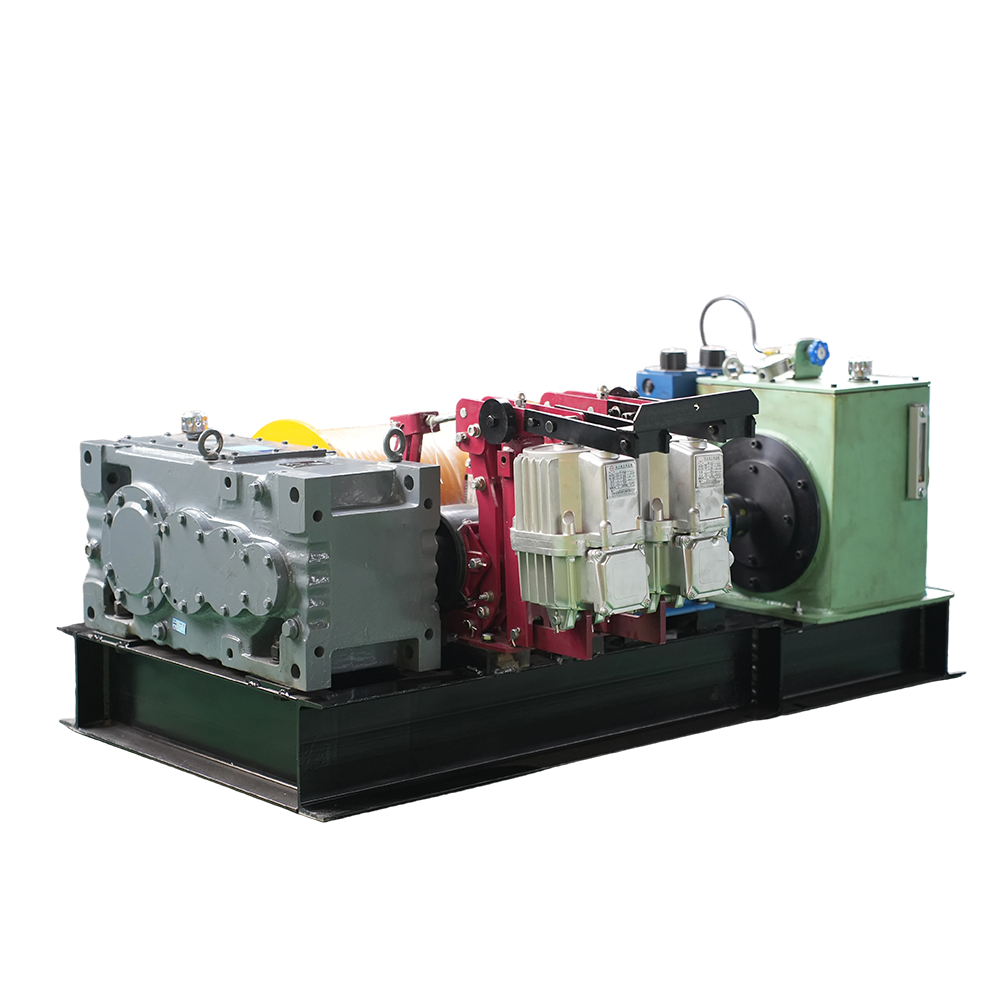
- Traditional Stage Machinery: Typically employs a centralized control architecture where a single PLC or relay-logic panel directly controls each motor contactor. Control signals are point-to-point, with limited feedback beyond basic limit switches and overload relays. System expansion requires significant hardware rewiring.
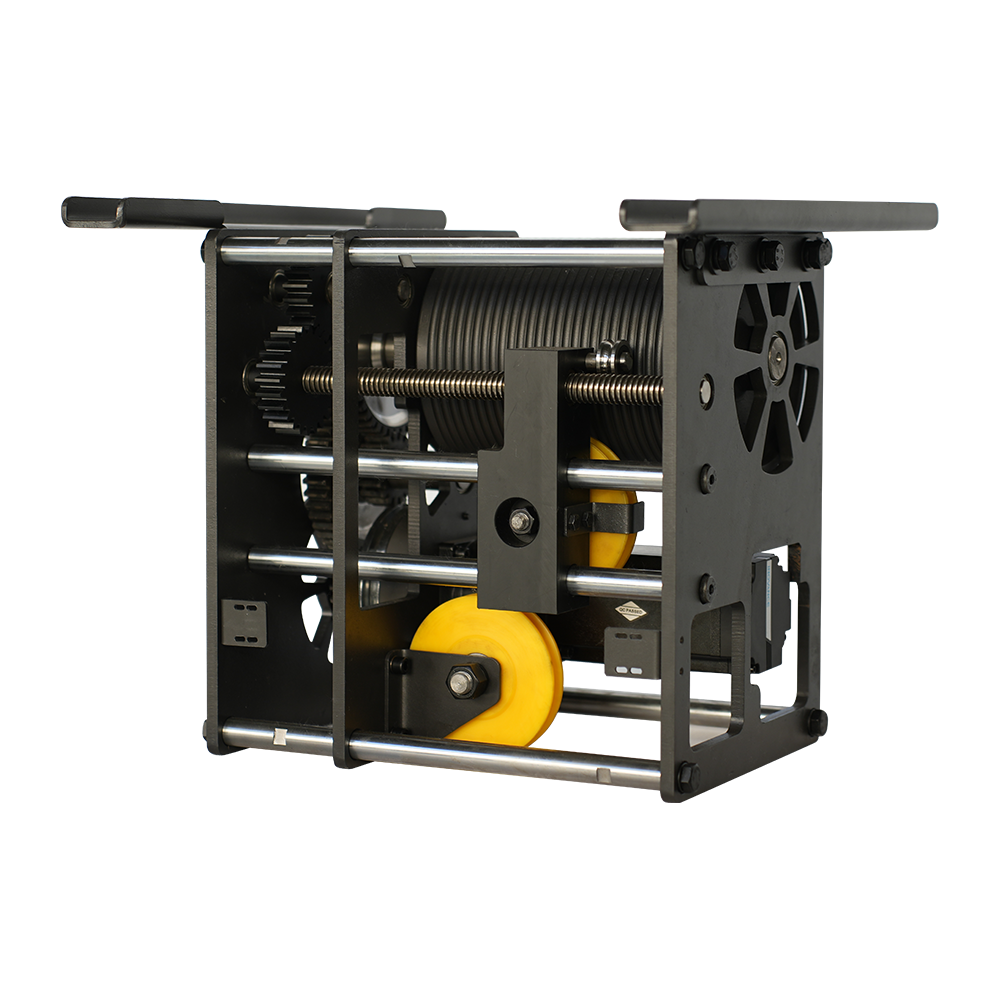
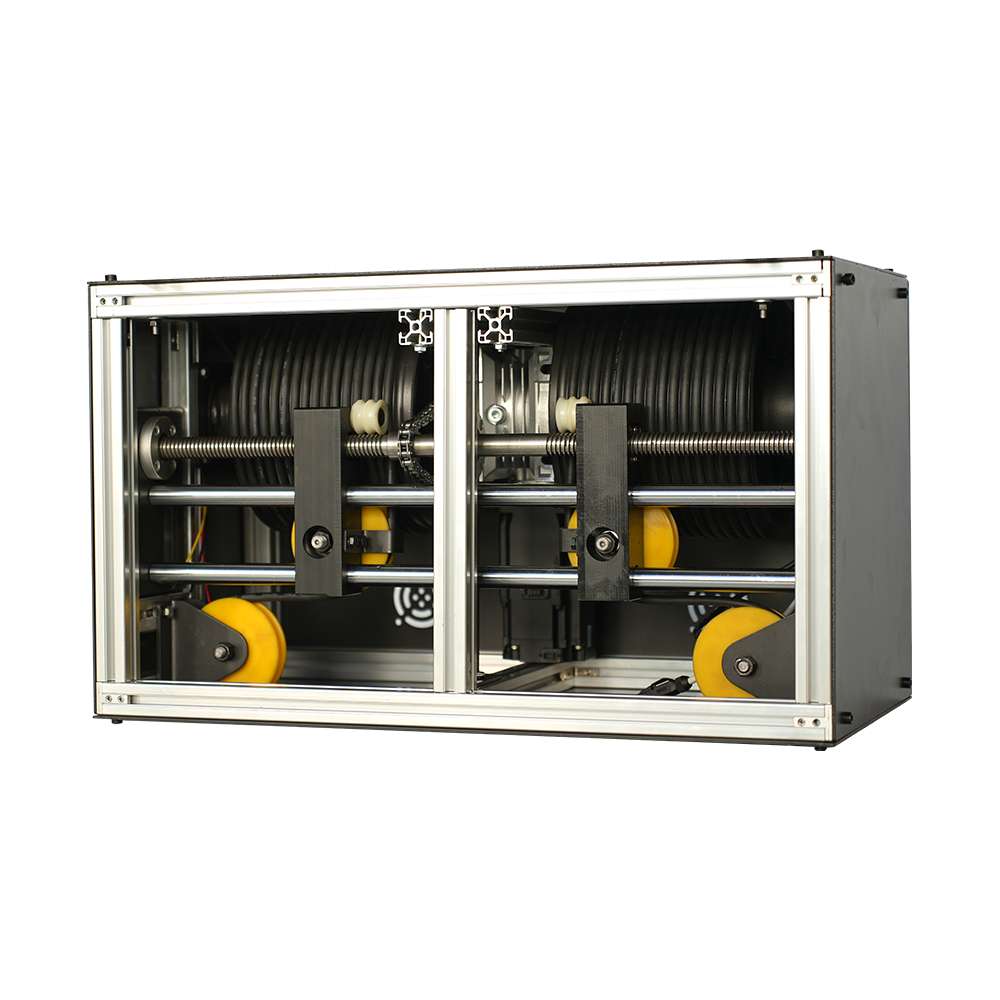
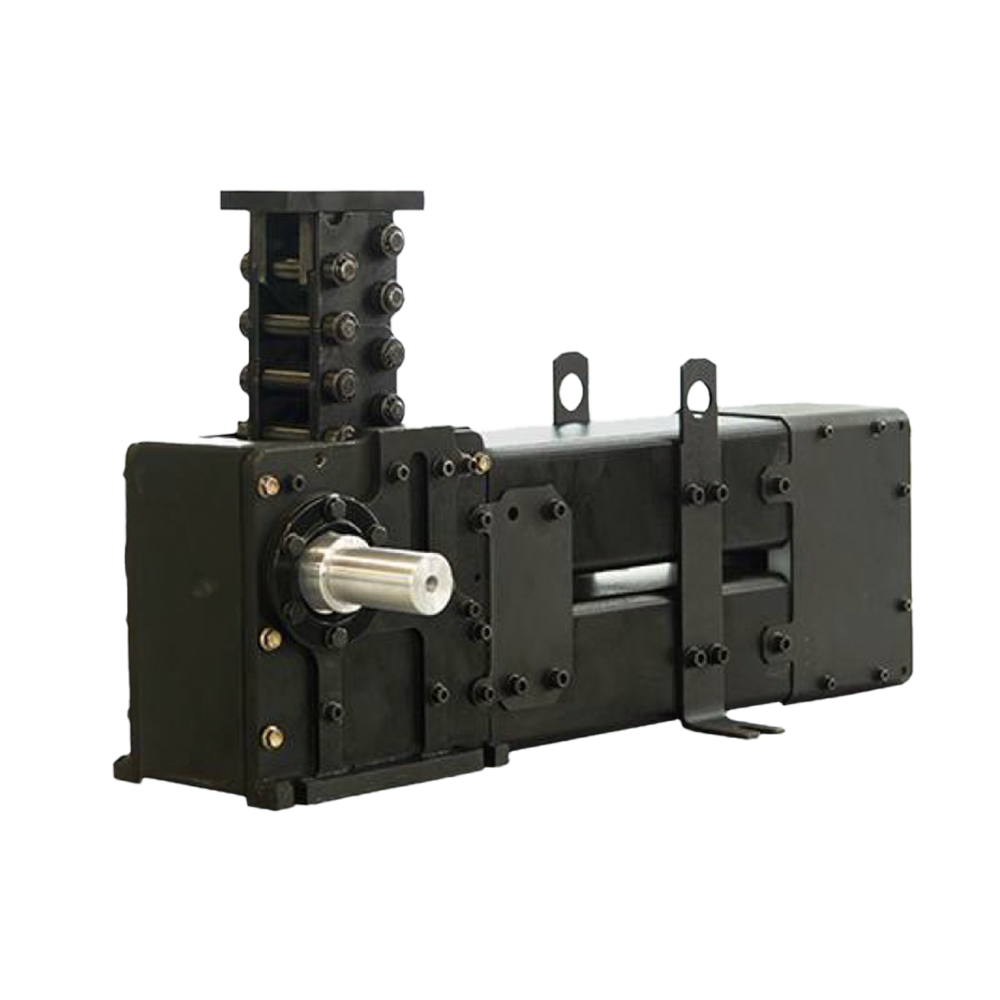
- Automation Artistic Stage Machinery: Utilizes distributed control architectures with intelligent field devices connected via high-speed industrial networks (EtherCAT, PROFINET, CANopen). Each axis has its own servo drive with built-in positioning and safety logic, communicating bidirectionally with a master motion controller. This enables modular system design and easy scalability.
- Rentezhihe (Jiangsu) Equipment Technology Co., Ltd. designs all Automation Artistic Stage Machinery systems with distributed intelligence architecture, ensuring fault tolerance and system flexibility for even the most complex productions.
2. Programming Logic: Sequential Execution vs. Time-Based Orchestration
- Traditional Stage Machinery: Programming follows a sequential logic model—actions are triggered in a fixed order based on operator button presses or simple timer relays. The machine executes "move A to position X, then wait for operator confirmation, then move B to position Y." Cue changes are manual and inflexible.
- Automation Artistic Stage Machinery: Employs timeline-based programming where multiple axes execute synchronized movements according to a master timecode or show control timeline. Cues contain start times, duration, acceleration profiles, and target positions. Entire scenes are pre-programmed and triggered with a single command.
- Rentezhihe (Jiangsu) Equipment Technology Co., Ltd. provides intuitive timeline-based programming interfaces that allow choreographers and technical directors to compose complex movements visually, with real-time simulation and offline editing capabilities.
3. Feedback Resolution and Control Precision: Discrete vs. Continuous
- Traditional Stage Machinery: Relies on discrete feedback from limit switches, mechanical cam positions, and simple incremental encoders. Positioning accuracy typically limited to ±5-10 mm. Speed control is coarse—often using contactor-based on/off or two-speed motors without precise ramp control.
- Automation Artistic Stage Machinery: Employs high-resolution absolute encoders (up to 24-bit multiturn), load cells, and inclination sensors providing continuous, real-time feedback to the controller. Positioning accuracy achieves ±0.5-1 mm with fully programmable S-curve acceleration and deceleration profiles. Closed-loop control ensures consistent performance regardless of load variations.
- Rentezhihe (Jiangsu) Equipment Technology Co., Ltd. integrates high-precision feedback devices and advanced servo algorithms into every automated machinery solution, enabling the micron-level accuracy required for seamless scenic transitions and performer safety.
4. Safety Architecture: Hardware Interlocks vs. Integrated Functional Safety
- Traditional Stage Machinery: Safety relies primarily on hardware interlocks—mechanical limit switches, emergency stop pushbuttons wired directly to contactors, and relay-based safety circuits. Safety logic is hardwired and cannot be easily modified after installation. Fault diagnosis requires manual inspection of components.
- Automation Artistic Stage Machinery: Implements integrated functional safety protocols compliant with EN 61508 and EN 17206. Safety controllers continuously monitor position, speed, torque, and communication health. Fail-safe over EtherCAT (FSoE) or PROFIsafe ensures safe stop even if the network fails. Safety parameters are software-configurable with password-protected access.
- Rentezhihe (Jiangsu) Equipment Technology Co., Ltd. certifies all automated systems to SIL 2 or SIL 3 safety integrity levels, with dual-channel safety monitoring and comprehensive diagnostic coverage ensuring the highest level of performer and equipment protection.
5. System Integration: Isolated Operation vs. Full Show Synchronization
- Traditional Stage Machinery: Operates as an isolated system. Integration with lighting, audio, or video requires manual synchronization by stage managers using verbal cues or visual signals. No automated timecode or data exchange exists between subsystems.
- Automation Artistic Stage Machinery: Deeply integrated with the broader production ecosystem. Supports SMPTE timecode, OSC (Open Sound Control), MIDI, and Art-Net protocols for seamless synchronization with lighting consoles, audio servers, and video projection systems. All subsystems share a common timeline, enabling synchronized multi-sensory experiences.
- Rentezhihe (Jiangsu) Equipment Technology Co., Ltd. offers complete system integration services, bridging our automation stage machinery with third-party show control platforms and providing unified programming interfaces for the entire production workflow.
Side-by-Side Parameter Comparison Table
| Parameter |
Traditional Stage Machinery |
Automation Artistic Stage Machinery |
| Control Architecture |
Centralized (hardwired PLC/relay) |
Distributed (servo drives + fieldbus) |
| Programming Model |
Sequential (step-by-step) |
Timeline-based (orchestrated) |
| Positioning Accuracy |
±5 – 10 mm |
±0.5 – 1 mm |
| Feedback Type |
Limit switches + incremental encoders |
Absolute encoders + load cells + inclinometers |
| Speed Control |
On/off or two-speed contactor |
VFD + servo (S-curve ramps) |
| Safety Architecture |
Hardwired interlocks |
Functional safety (SIL 2/3) + FSoE |
| System Integration |
Isolated operation |
SMPTE, OSC, MIDI, Art-Net |
| Programming Environment |
Ladder logic / hardwired |
Graphical timeline / script-based |
| Diagnostic Capability |
Manual fault tracing |
Real-time diagnostics + remote monitoring |
| System Scalability |
Requires hardware redesign |
Modular software configuration |
| Typical Cue Trigger |
Manual button press |
Timecode / single command |
Frequently Asked Questions (FAQ)
Q1: What specific advantages does the distributed control architecture of automation artistic stage machinery offer over traditional centralized systems, and how does Rentezhihe (Jiangsu) Equipment Technology Co., Ltd. implement this?
A1: Distributed architecture places intelligence at each axis—each servo drive independently handles positioning, speed regulation, and safety monitoring. This reduces centralized controller workload, enables faster response times, simplifies cabling, and allows modular system expansion without controller replacement. Rentezhihe (Jiangsu) Equipment Technology Co., Ltd. implements distributed control using EtherCAT-based networks with up to 256 axes per controller, ensuring synchronized operation across the entire machine room. Our Automation Artistic Stage Machinery systems feature hot-swappable drive modules, enabling maintenance without system shutdown and providing the flexibility demanded by modern multi-production venues.
Q2: How does the transition from sequential to timeline-based programming affect the workflow of technical directors and stage managers, and what training support does Rentezhihe (Jiangsu) Equipment Technology Co., Ltd. provide?
A2: The shift to timeline-based programming allows technical directors to compose entire scenes visually—defining each axis' movement with start times, duration, speed profiles, and target positions—rather than sequencing individual button presses. This dramatically reduces programming time for complex productions (by up to 70%) and enables last-minute adjustments. Rentezhihe (Jiangsu) Equipment Technology Co., Ltd. provides comprehensive training programs covering our graphical programming environment, offline simulation tools, and on-site commissioning support. Our complete service system ensures your technical team is fully proficient in both programming and operational workflows, from initial design through final performance.
Q3: With integrated functional safety, how does the safety verification process differ from traditional hardwired safety systems, and what certification does Rentezhihe (Jiangsu) Equipment Technology Co., Ltd. provide?
A3: Traditional hardwired safety relies on physical component redundancy and manual testing of each safety circuit. Functional safety, by contrast, employs software-configurable safety controllers that continuously self-diagnose, monitoring position, speed, and communication health in real-time. If any parameter exceeds a safe threshold, the system initiates a controlled safe stop within milliseconds. Safety parameters are validated through systematic risk assessment and software verification rather than physical inspection alone. Rentezhihe (Jiangsu) Equipment Technology Co., Ltd. provides full safety validation documentation, SIL certification coordination with third-party bodies, and comprehensive safety training as part of our installation and commissioning services, ensuring your automated stage machinery meets or exceeds EN 17206 and ANSI E1.6 requirements.

 中文简体
中文简体
 English
 русский
 Français
 Español
 عربى
عربى