Home / Products / Automation Artistic Stage Machinery / Double Point Zero-Fleet Stage Winch

Custom Double Point Zero-Fleet Stage Winch Manufacturers
Automation Artistic Stage Machinery

Double Point Zero-Fleet Stage Winch

Request a Quote
  • Double Point Zero-Fleet Stage Winch

Description

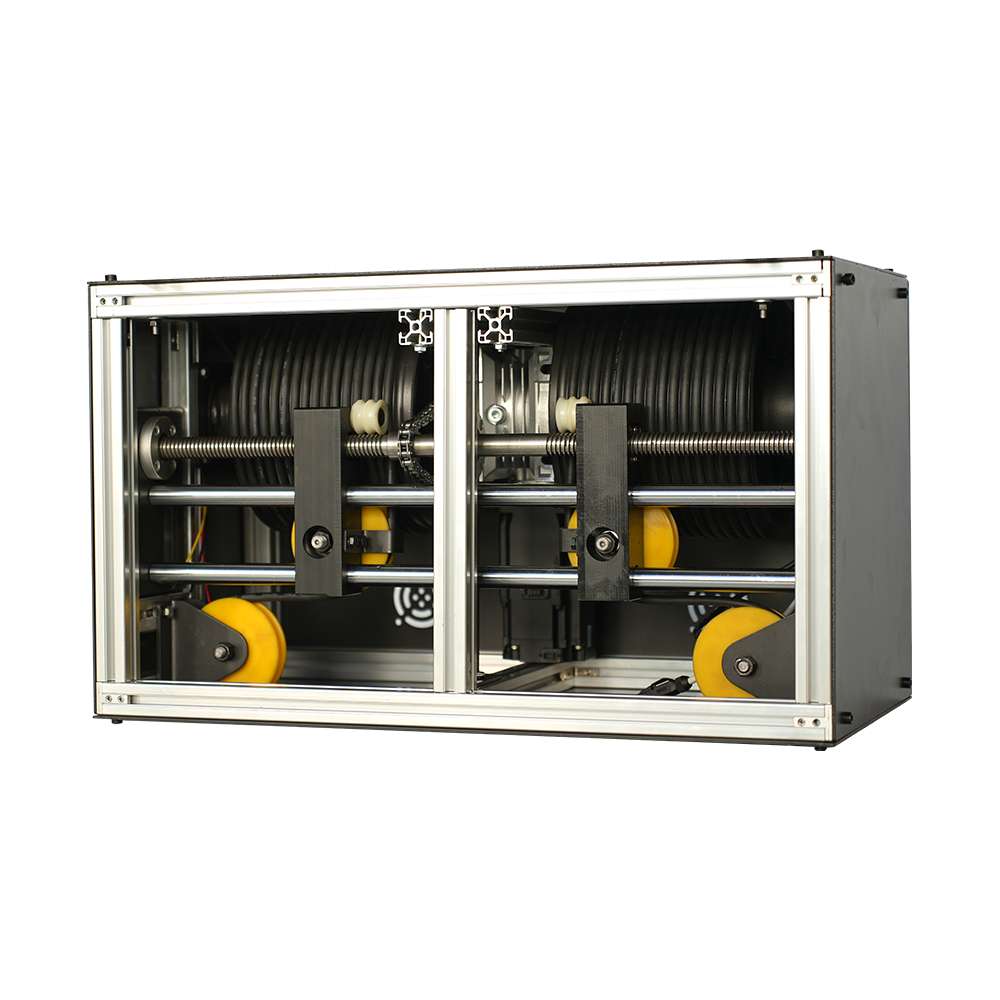
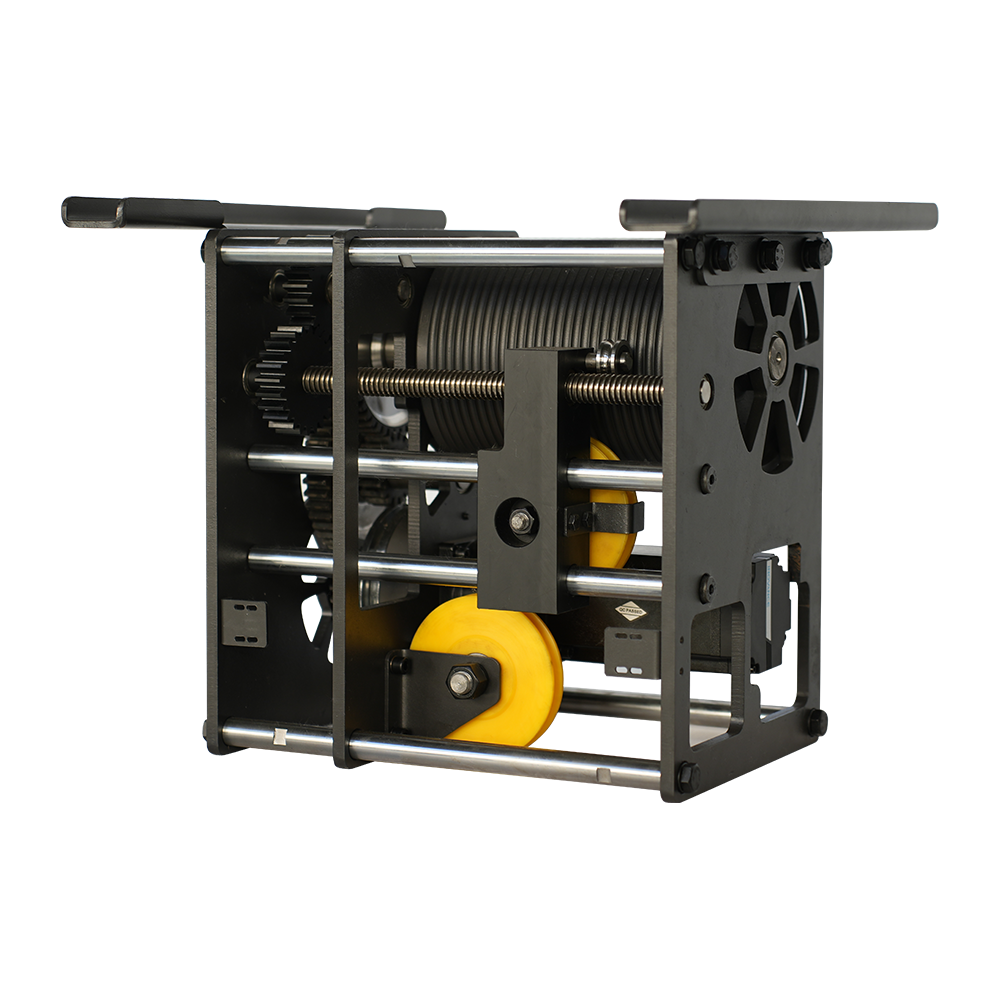
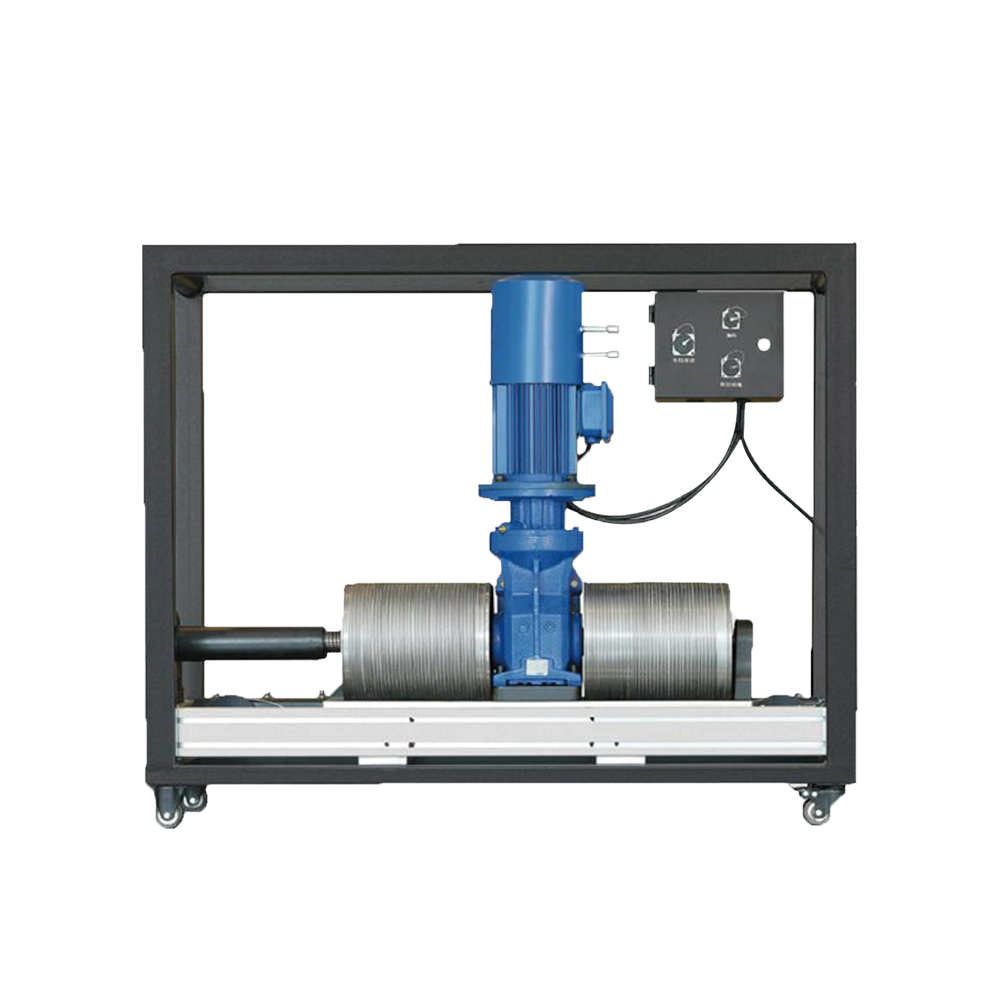
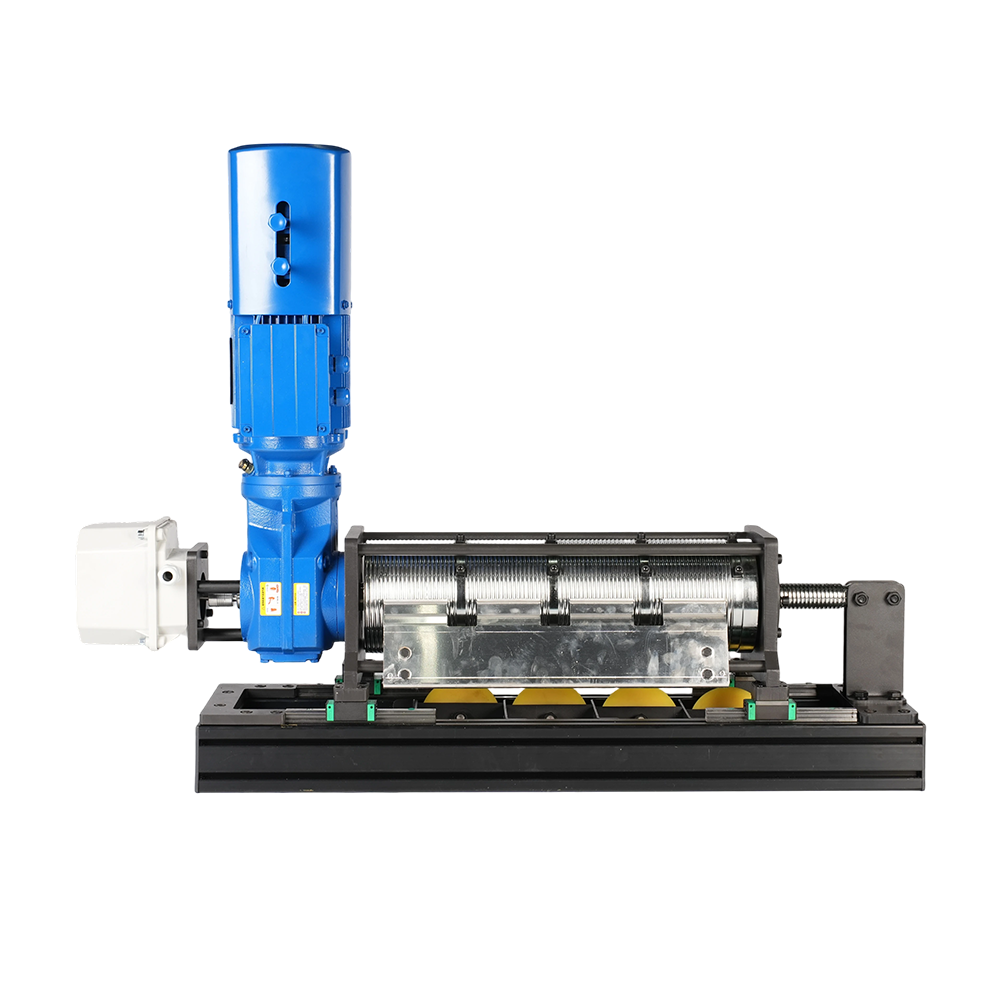
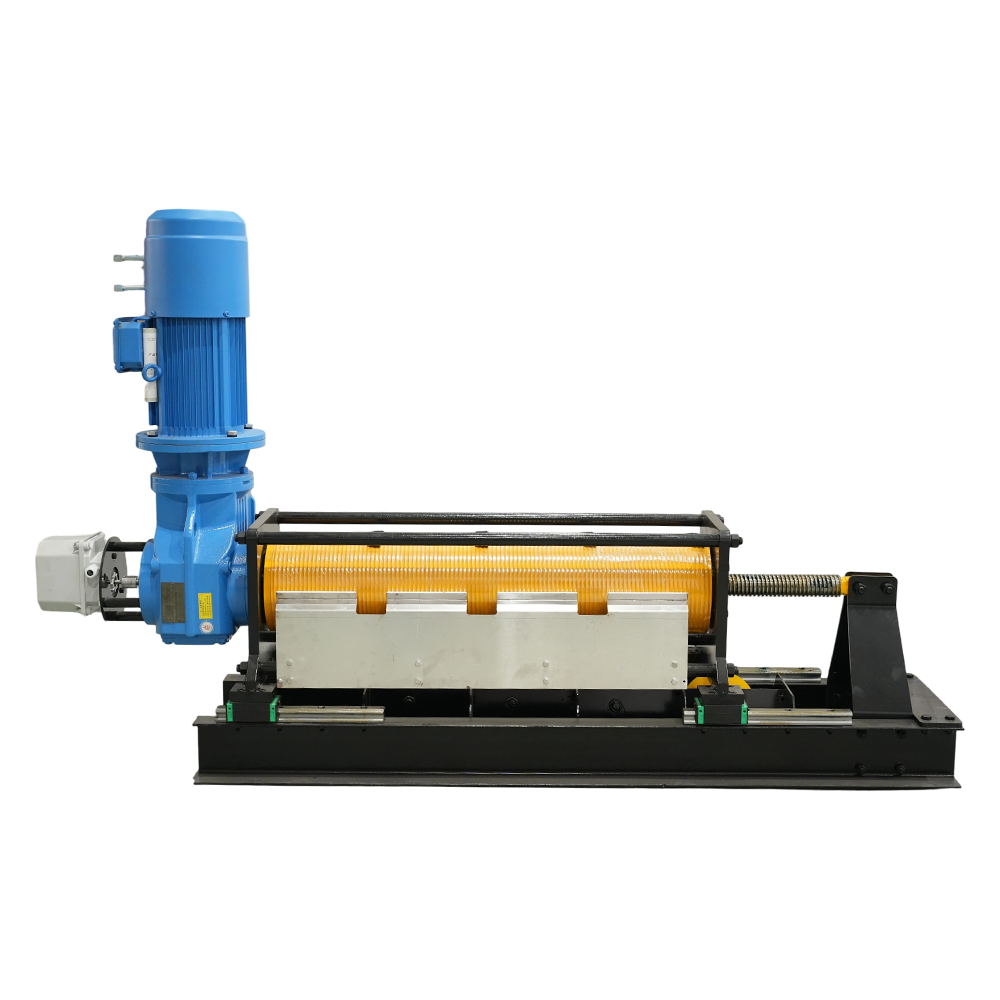
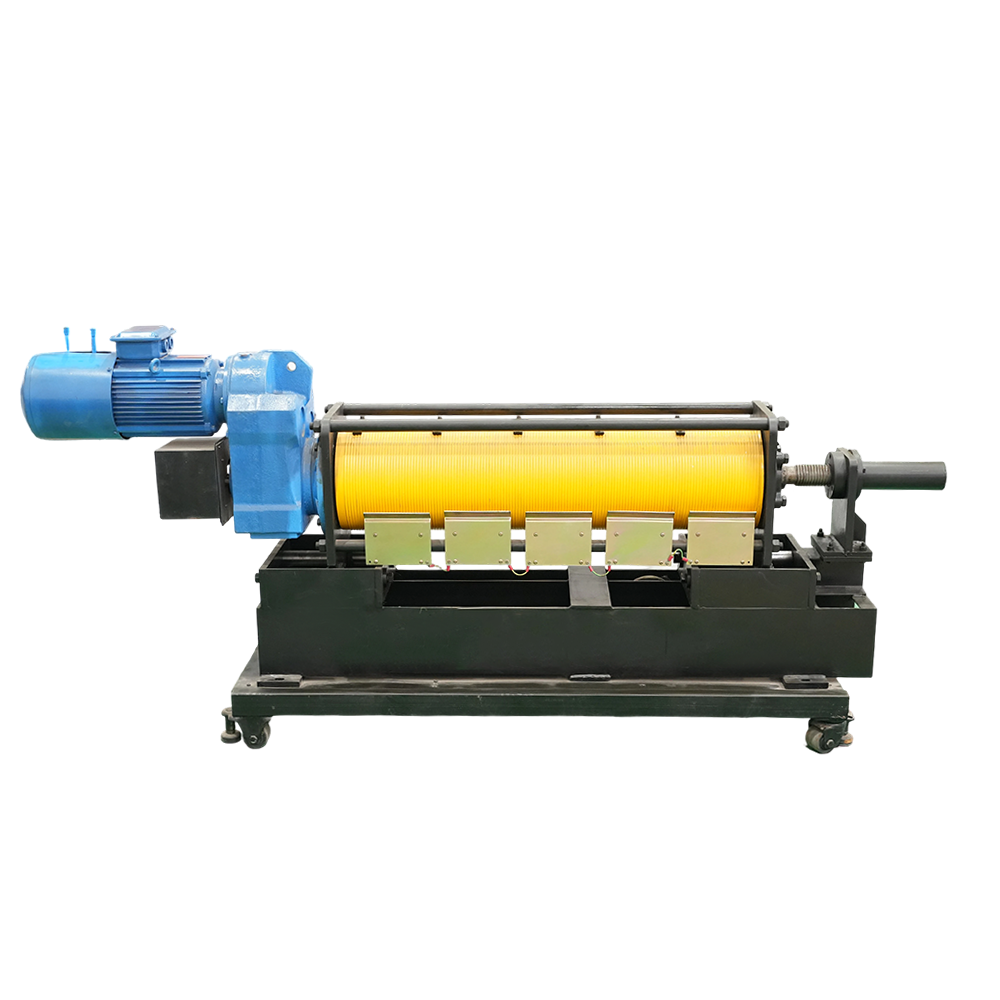
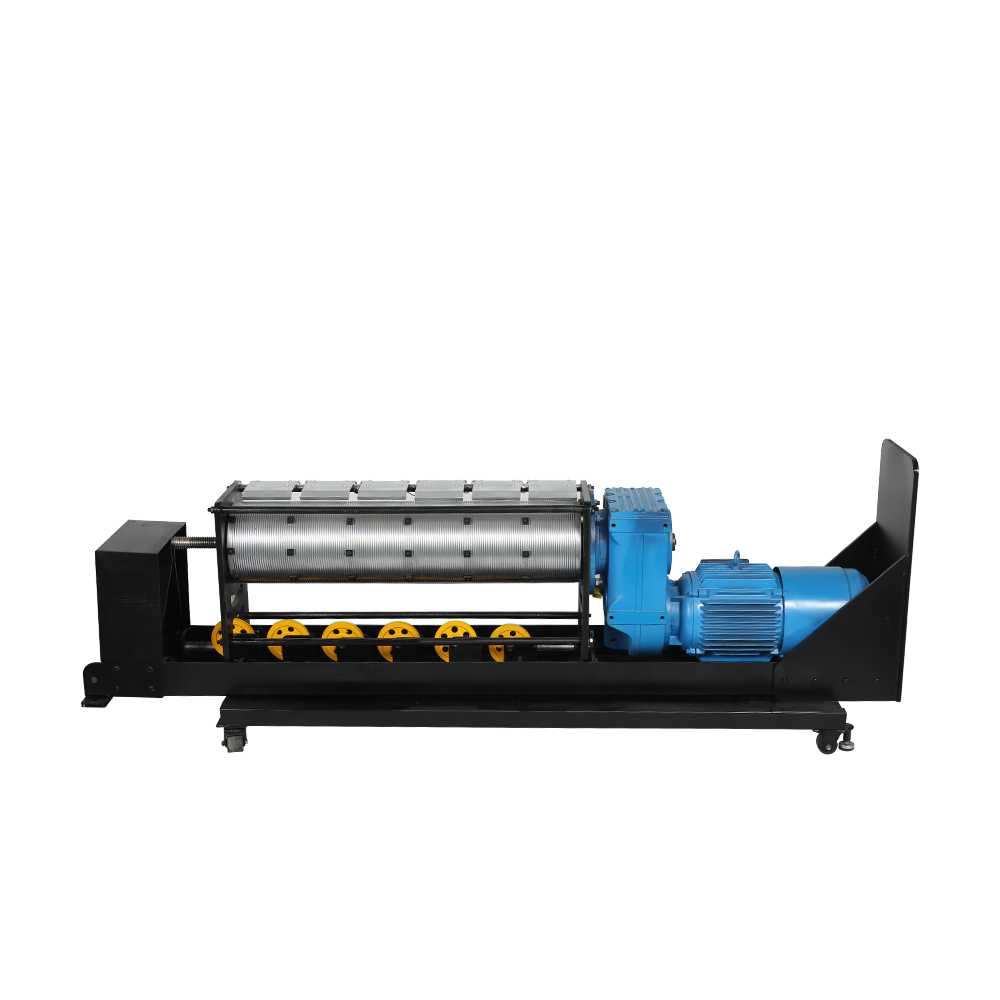
Driven by a high-performance servo motor and dual-point winch system, this unit utilizes DMX512 signals to achieve precise synchronization across multiple units. It is specifically engineered to suspend equipment requiring integrated power and communication signals, such as lighting fixtures and large LED screens
Applications: Ideally suited for professional performance environments, including bars, theaters, and live shows

Product
Advantages

We can design and develop according to the needs of our customers to meet the requirements of different clients.

Technical Specifications:
Lifting Points: 2
Lifting Load: 0.5 KN (Approx. 50 kg)
Lifting Speed: 0.005 – 0.5 m/s
Maximum Travel: 15 m
Control Method: DMX512 Signal Control


Safety Functions
1. HIGH SAFETY FACTOR With Over-designed Components that can withstand more.
2. PRECISION CONTROL with dual encoder, providing fine control of the travel in all scenarios.
3. MINIMIZED MAINTENANCE COST: Extra-long service life.

About Us
RenteZhihe (JiangSu) Equipment Technology Co., Ltd.
RenteZhihe (Jiangsu) Equipment Technology Co., Ltd. is a national high-tech enterprise integrating the R&D and production of stage machinery, performance equipment, industrial machinery, and intelligent systems.

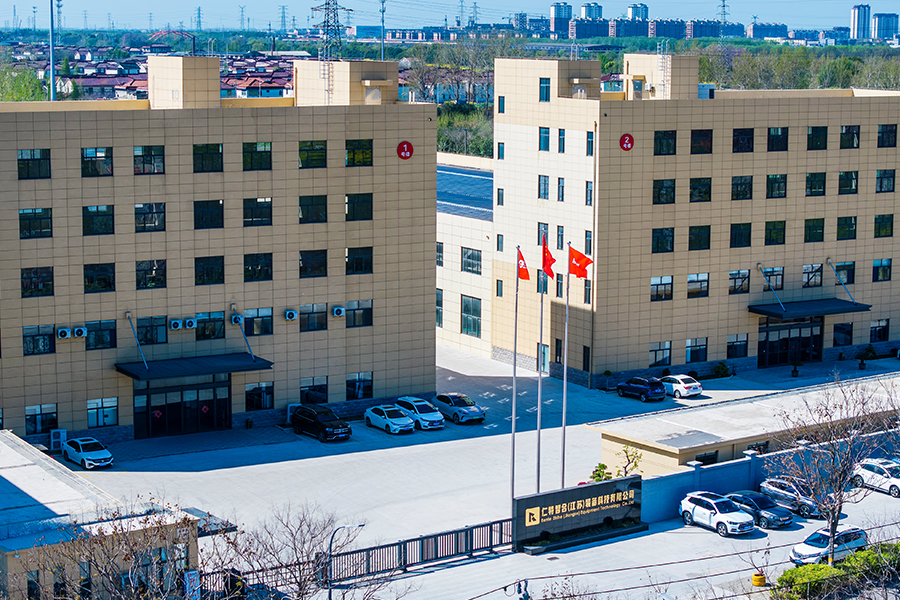
We are China Twin-Point Stage Hoist Factory and OEM Double Point Zero-Fleet Stage Winch Manufacturers, the company owns two modern production workshops covering an area of 13,000 square meters and a 7,000-square-meter office building. Since its establishment in 2012, relying on superior quality and technological innovation, it has gradually developed into a professional manufacturer of stage machinery and equipment that integrates R&D and design, production and sales, installation and commissioning, as well as technical services.

It has eight offices nationwide, covering major core cities in North China, East China, South China, Northwest China, and Southwest China. Equipped with a professional technical team and more than 30 sets of production equipment, the company always regards technological innovation as the core driving force of enterprise development. With over ten years of experience accumulation and technological innovation, it has provided high-quality stage machinery and equipment for more than 1,000 engineering projects, including cultural and art centers, gymnasiums, conference centers, theaters, school auditoriums, and entertainment performance venues, as well as long-term maintenance services for products and equipment.

In addition, the company also provides OEM processing and non-standard customization services for stage machinery and equipment. Its products sell well both at home and abroad, winning high recognition from customers, project owners, and all sectors of society.
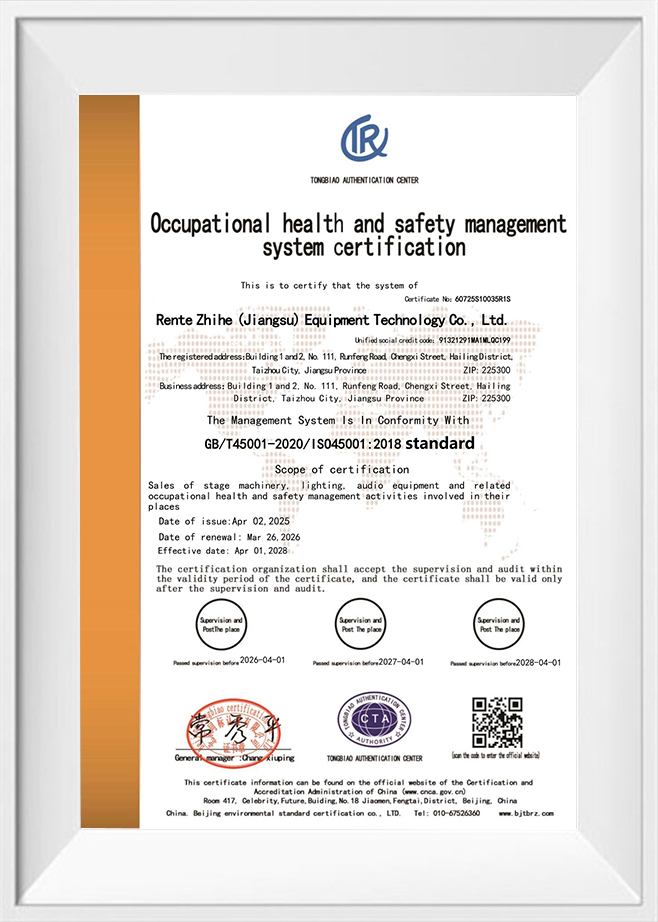
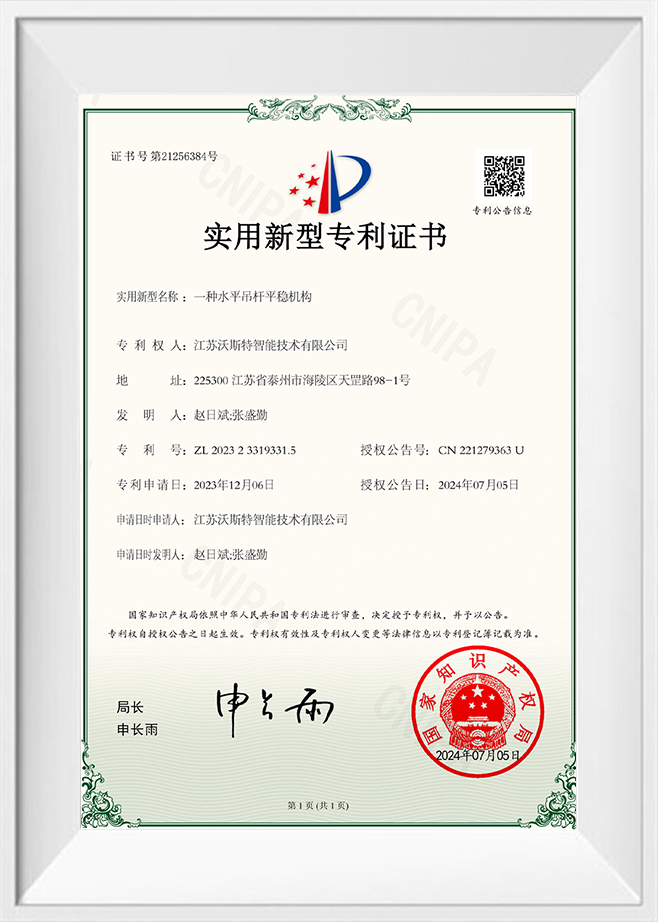
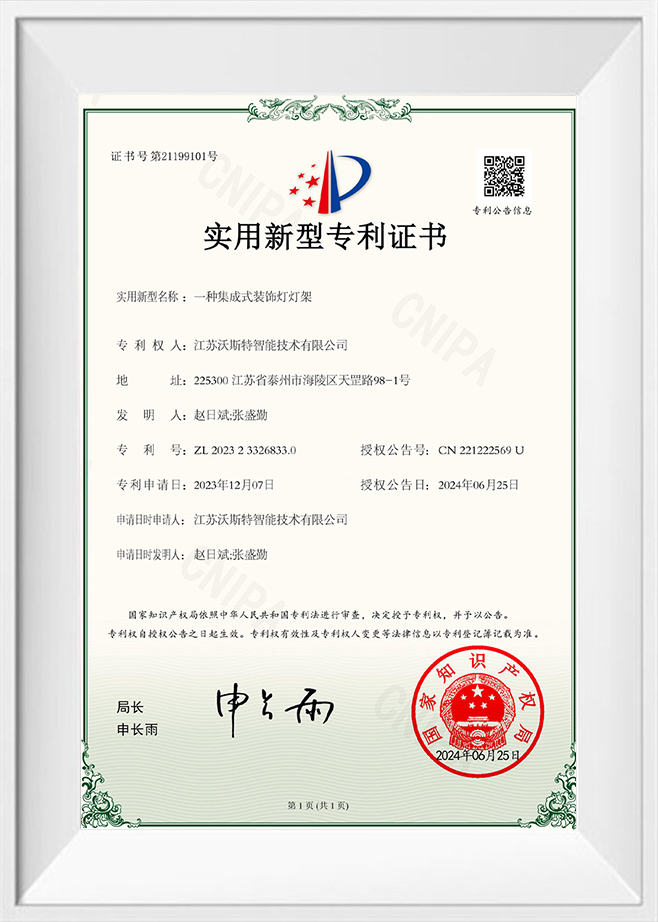
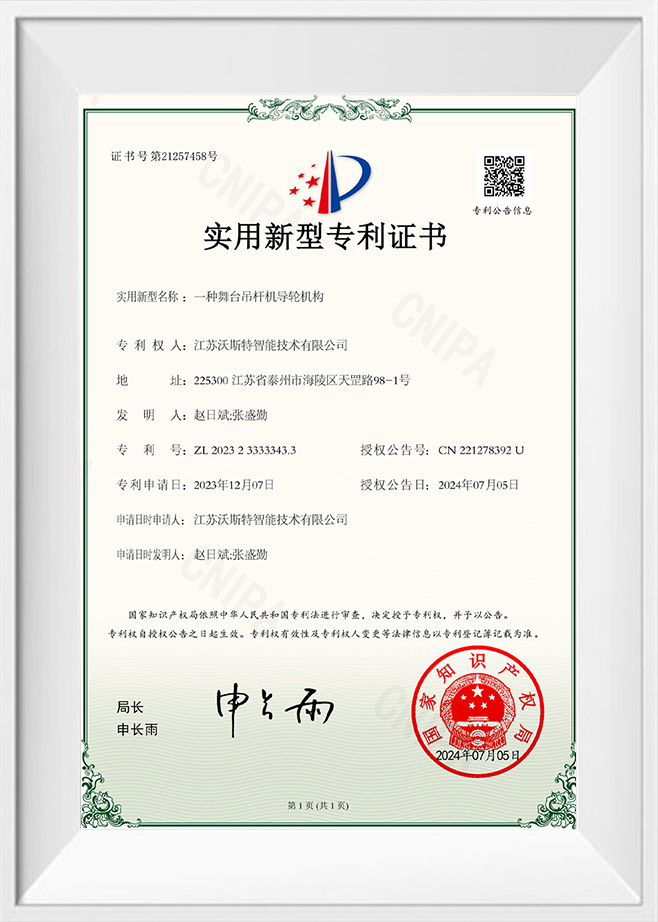
Certificate Of Honor
  • Occupational health and safety management system certification certificate
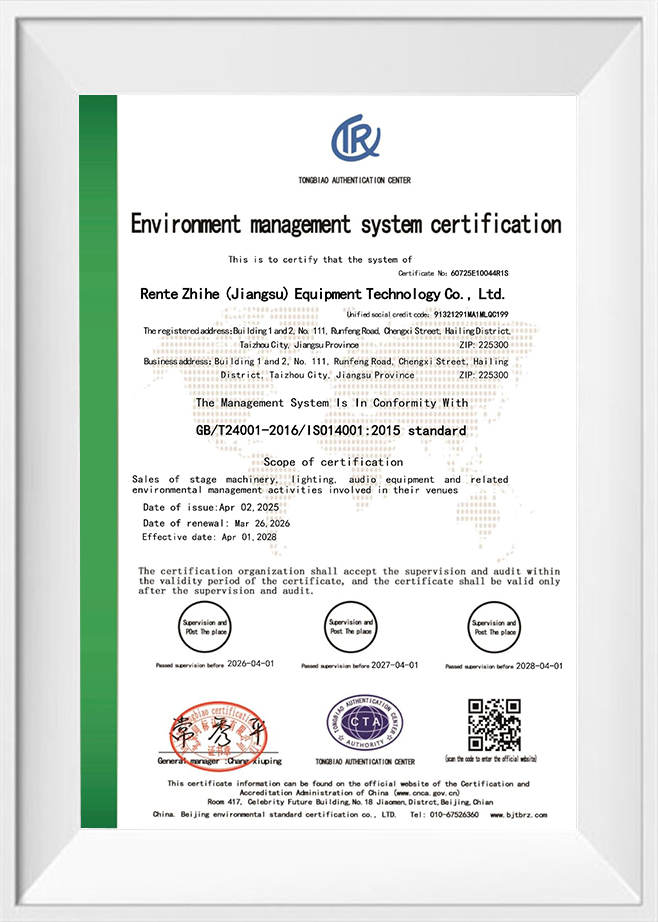
  • Environment management system certification
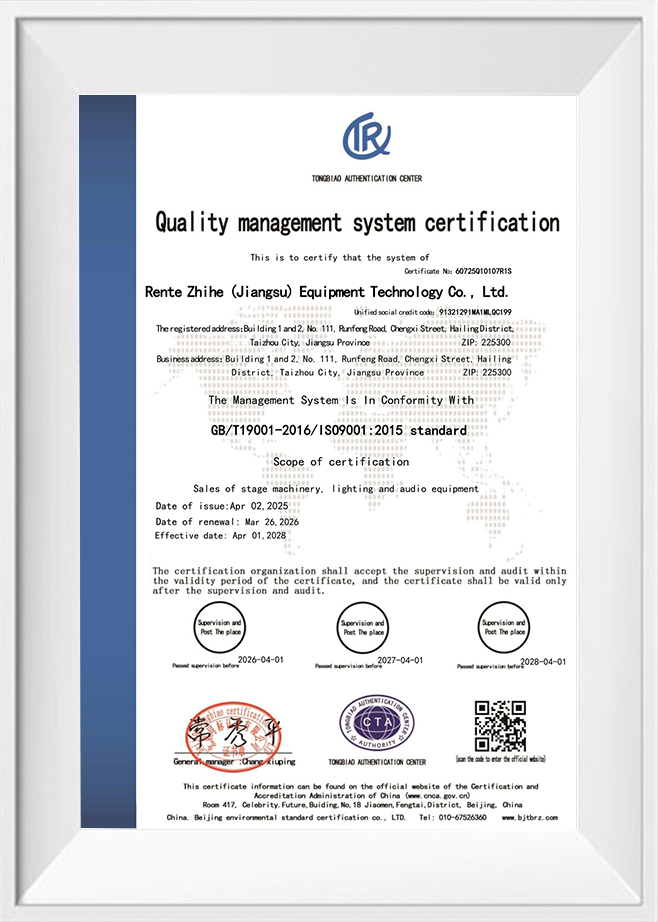
  • Quality management system certification
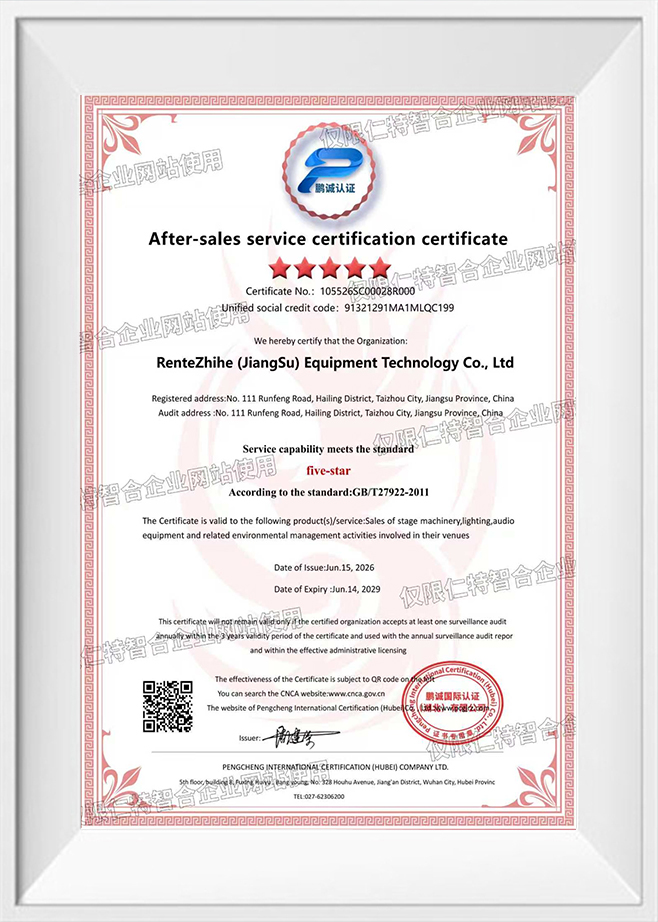
  • After-sales service certification certificate
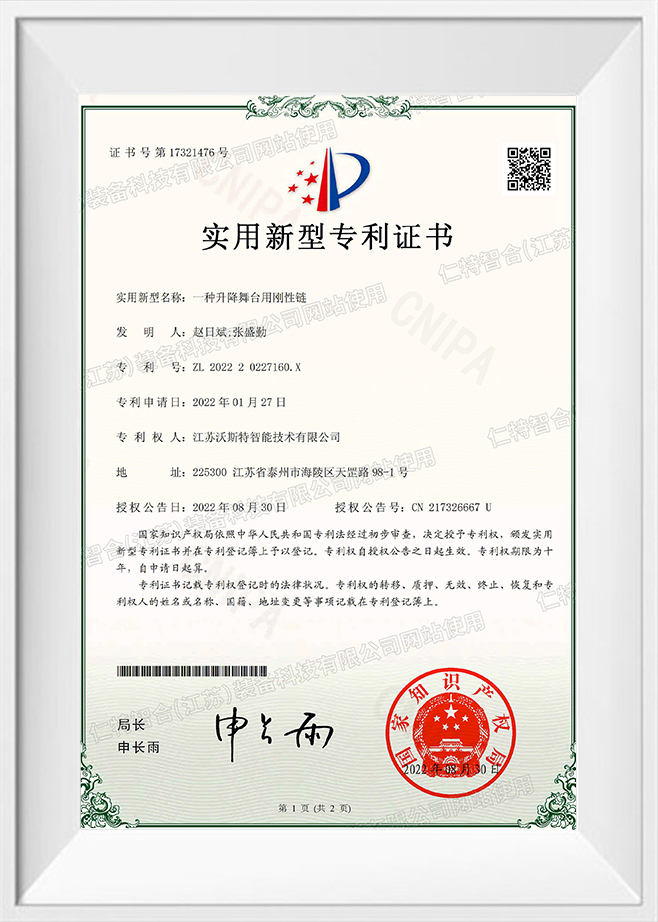
  • A rigid chain for lifting stage
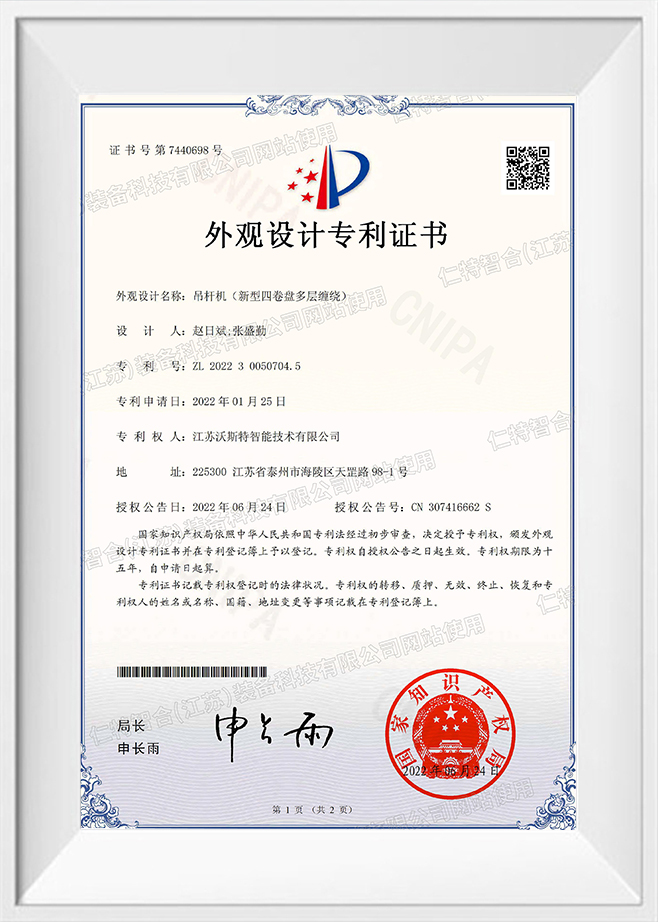
  • Spiral winding machine (new type four-reel multi-layer winding)
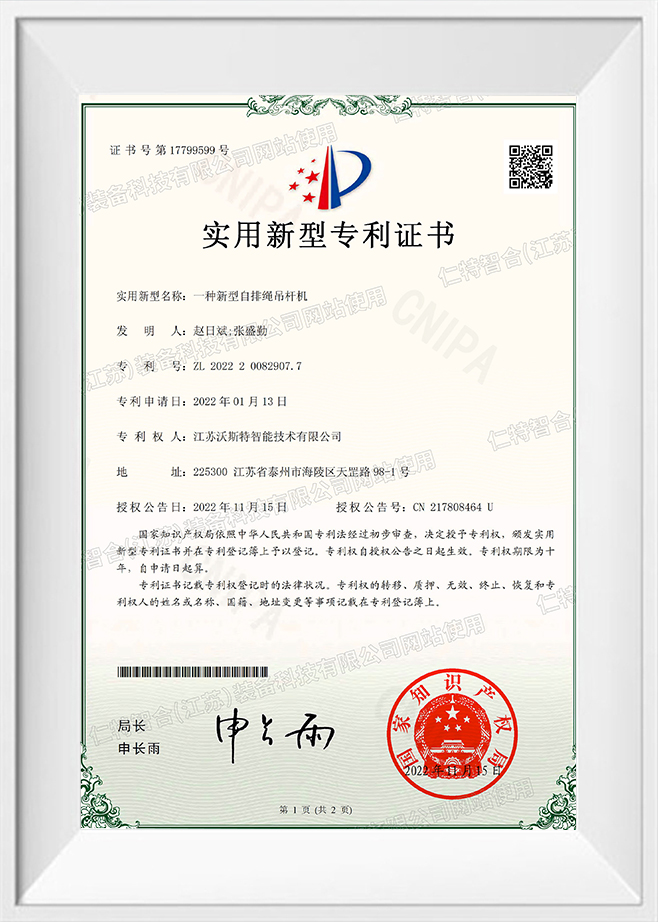
  • A new type of self-winding rope hoisting machine
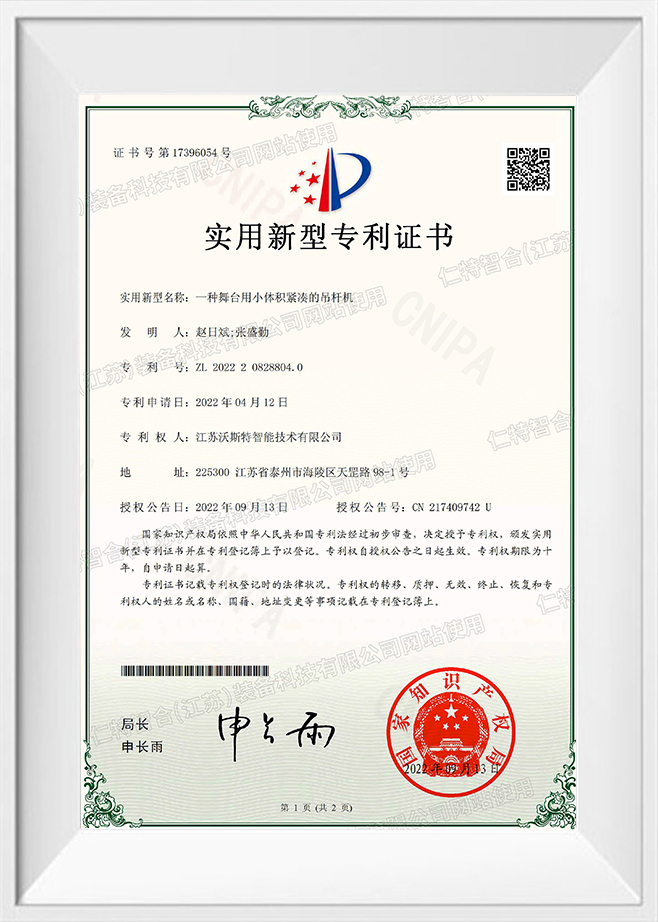
  • A small and compact stage hoist
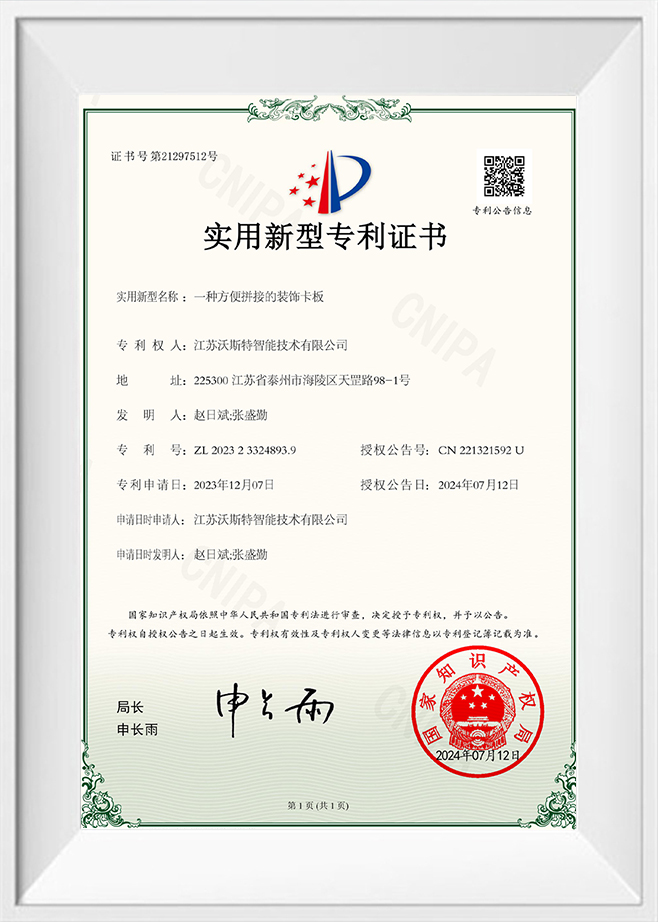
  • A decorative cardboard that is easy to assemble
  • A horizontal boom stabilizing mechanism
  • An integrated decorative lamp holder
  • A stage hoist guide wheel mechanism
News
Product Industry knowledge

Why DMX512 Belongs in the Winch Control Loop, Not Just the Lighting Rig

At Rentezhihe, we treat DMX512 as more than a lighting protocol when it's built into a dual-point winch system — it becomes the language that keeps two independent servo drives moving as one axis. Because DMX512 was designed for fast, reliable signal transmission across daisy-chained devices, it maps naturally onto the problem of getting two winch units to accept position commands at the same instant rather than a few milliseconds apart.

This matters most when the suspended load is something like an LED screen or a lighting fixture, where even a small timing gap between the two points shows up visually as a tilt or a wobble. A properly integrated Double Point Zero-Fleet Stage Winch uses DMX512 addressing so each unit can be commanded individually for setup and calibration, then locked into synchronized operation for the show itself.

Balancing Load Across Two Suspension Points Without Guesswork

Dual-point suspension introduces a variable that single-point systems don't have to deal with: uneven weight distribution across two lines. If the load isn't centered, one winch ends up carrying more than its share, and over time that imbalance accelerates wear on the more heavily loaded unit while leaving the other underutilized.

Servo-driven dual-point systems address this with continuous torque feedback rather than a one-time calibration at install, adjusting output on each side as the load's center of gravity shifts — which happens more often than people expect, particularly with LED screens that get reconfigured or added to over a production's run. Our engineering team builds this kind of dynamic load-sharing into every unit precisely because static calibration alone tends to drift out of tolerance within weeks of active use.

  • Torque feedback lets each winch compensate independently for its actual share of the load
  • Re-centering after equipment changes should be a software adjustment, not a re-rigging job
  • Uneven load sharing is one of the more common causes of premature winch wear in twin-point installs

Combining Power and Signal Delivery on a Moving Rig

Suspending a lighting fixture or an LED panel isn't just a mechanical lifting problem — the equipment still needs continuous power and a live control signal while it's moving. That's a very different requirement from lifting a static scenic piece, and it's the reason cable management on a moving winch matters as much as the winch's lifting capacity.

Payload Type Key Requirement Winch Consideration
LED screens Continuous power and data feed Integrated cable management alongside lifting cable
Moving lights Uninterrupted DMX signal Signal-rated cable routed to avoid interference
Static scenery Lifting capacity only Simpler cable requirements

Cable and signal requirements vary significantly depending on what's being suspended.

Where Twin-Point Hoists Make the Most Practical Sense

Twin-point configurations tend to earn their keep in venues where the suspended equipment is wide, heavy, or safety-critical enough that single-point rigging isn't an option — large LED walls in live shows, moving light arrays in theaters, or feature elements in bars and clubs where the visual impact depends on the piece staying level and stable throughout the set.

A Twin-Point Stage Hoist also gives production teams more flexibility during load-in, since the two points can be adjusted independently to level a screen or fixture before locking into synchronized operation, something a single suspension point simply can't offer. For venues running frequent show changeovers, that adjustability tends to matter as much as raw lifting capacity.

+86-139 1771 1698