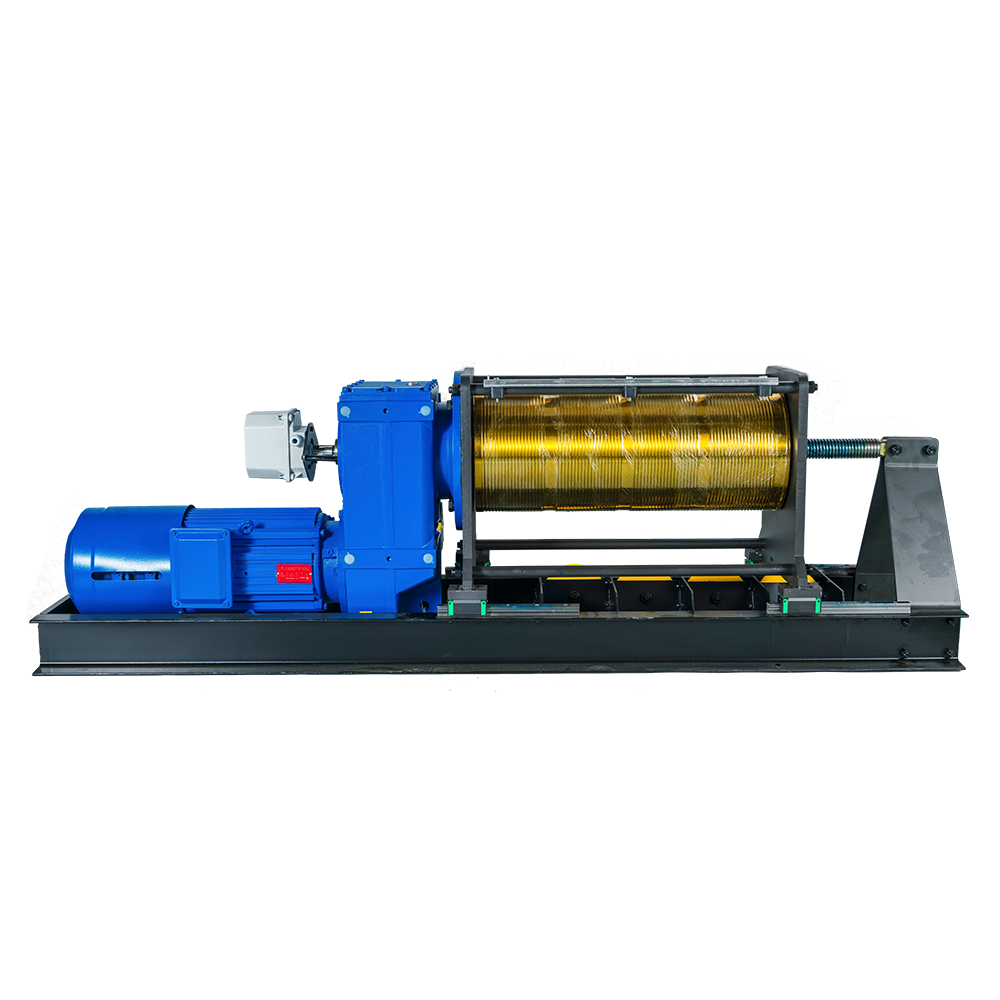
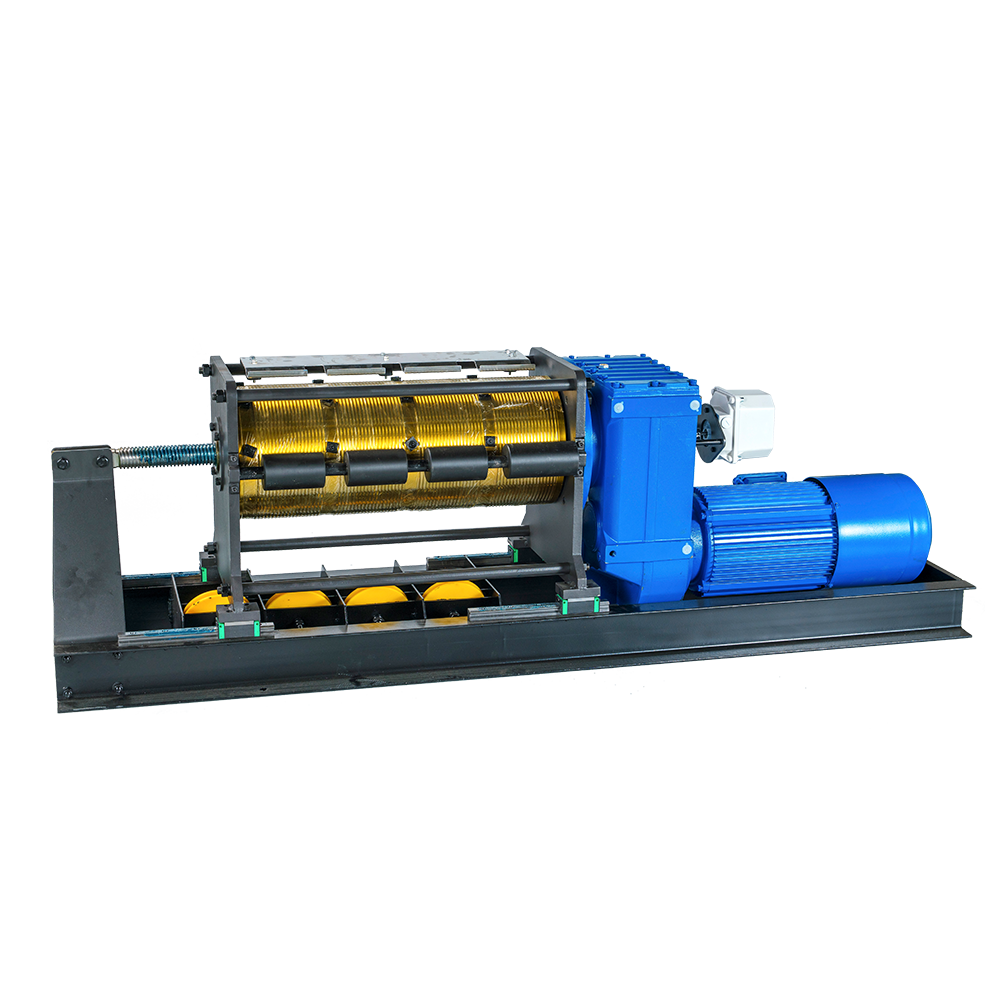
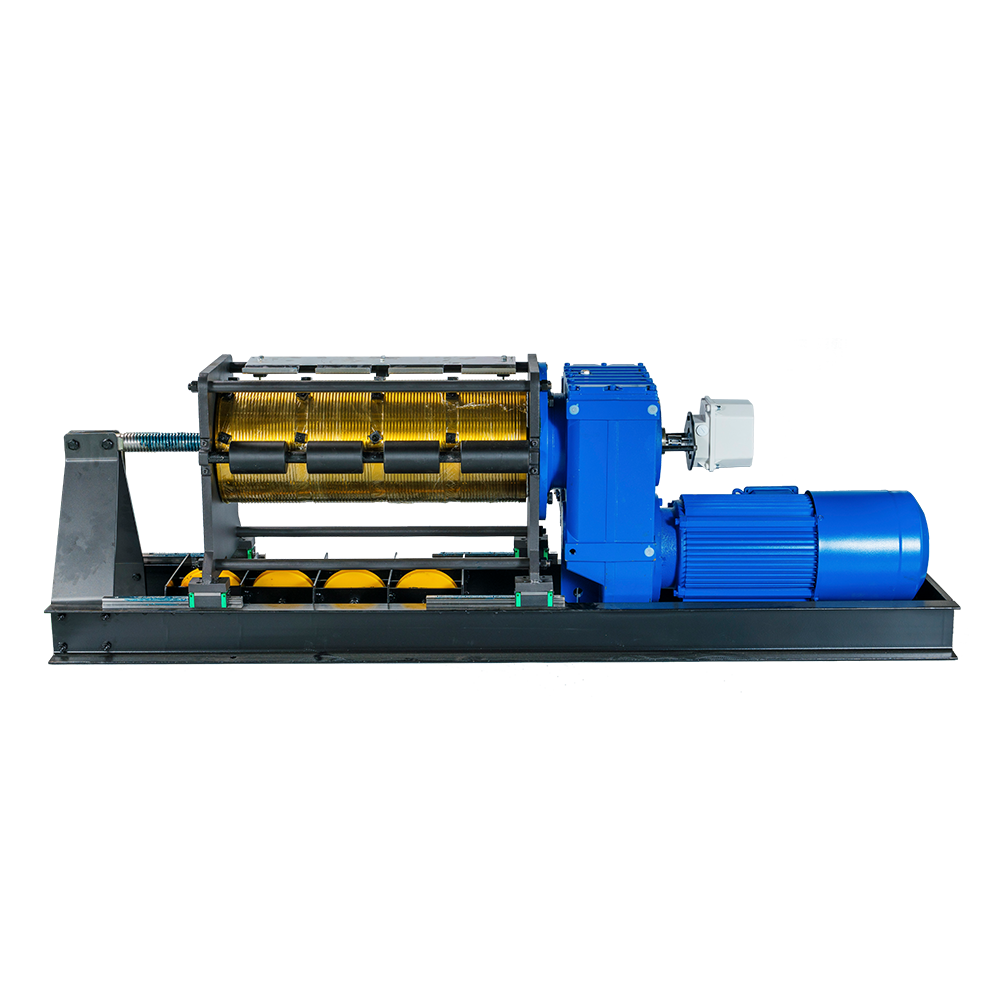
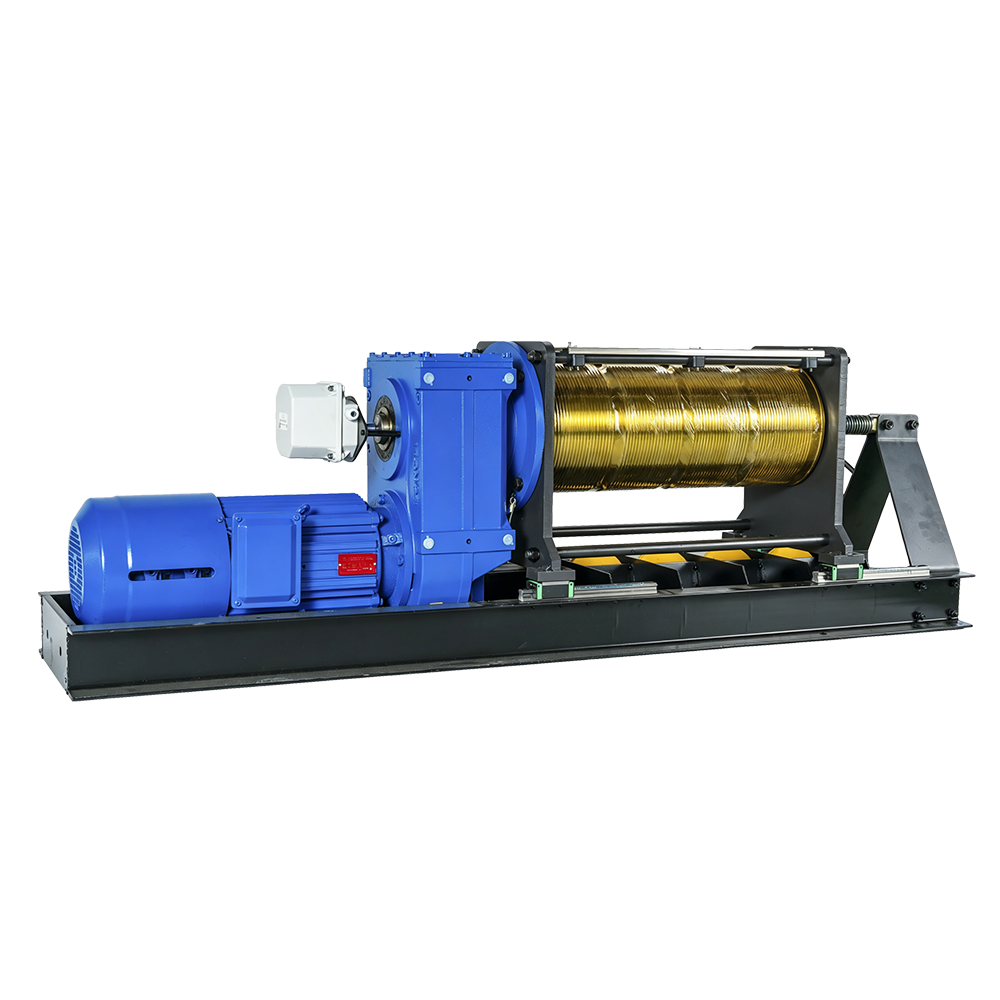
What Is an In-Line Zero-Fleet Stage Winch and How Does It Work?
Modern theaters and performance venues demand lifting systems that combine precision, reliability, and intelligent control. As stage productions become increasingly complex, conventional lifting equipment often struggles to provide consistent cable alignment, smooth movement, and long-term operational stability. This is why the in-line zero-fleet stage winch has become an essential component in professional stage machinery.
Unlike traditional lifting mechanisms, an in-line drum winch with a zero-fleet design minimizes lateral cable movement across the drum, improving positioning accuracy while reducing cable wear. Whether used for lighting trusses, scenery, LED screens, curtains, or stage equipment, this technology delivers safer and more efficient lifting performance for modern entertainment facilities.
Understanding an In-Line Zero-Fleet Stage Winch
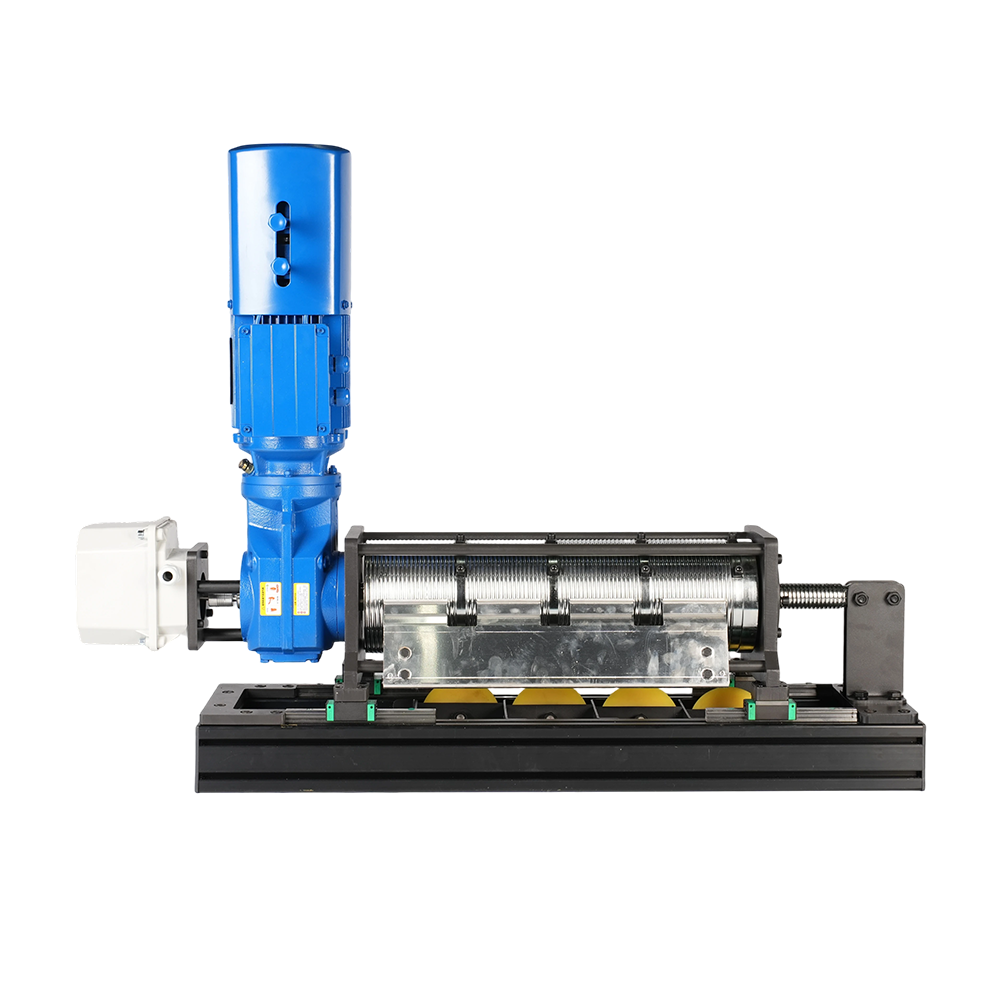
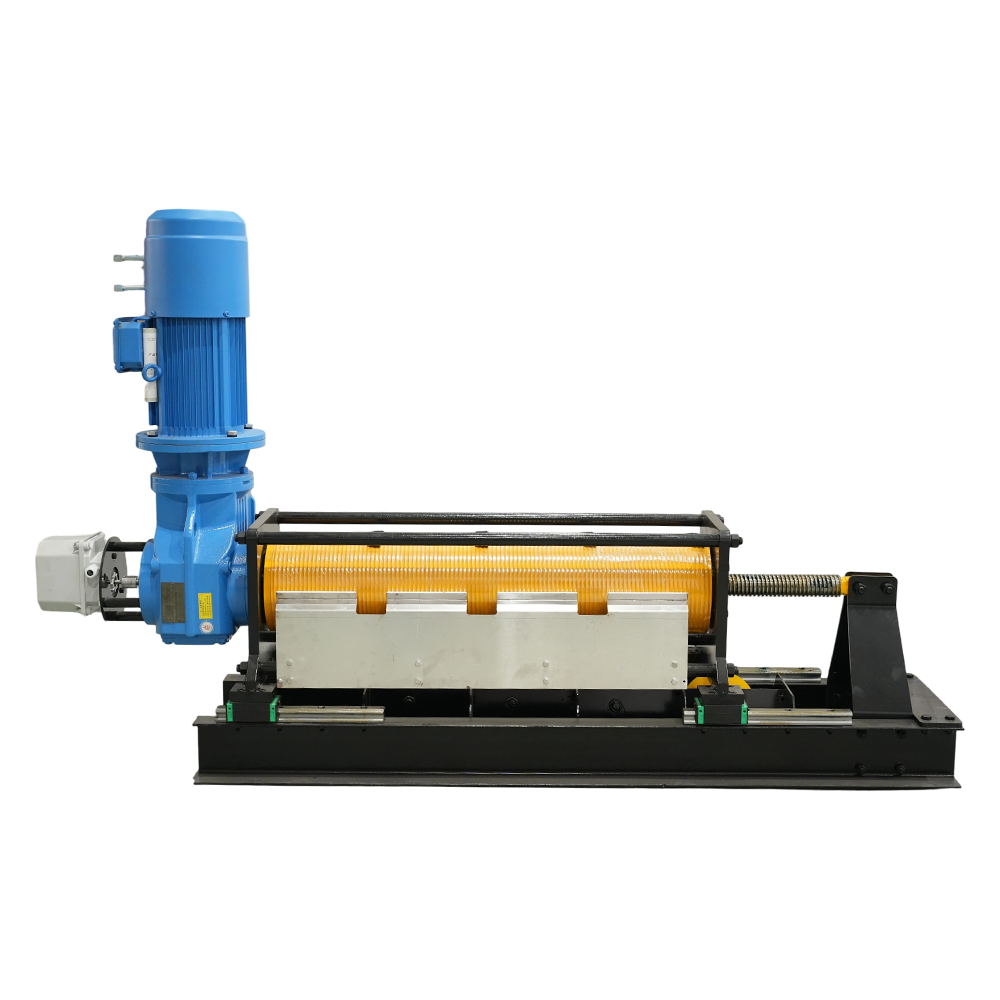
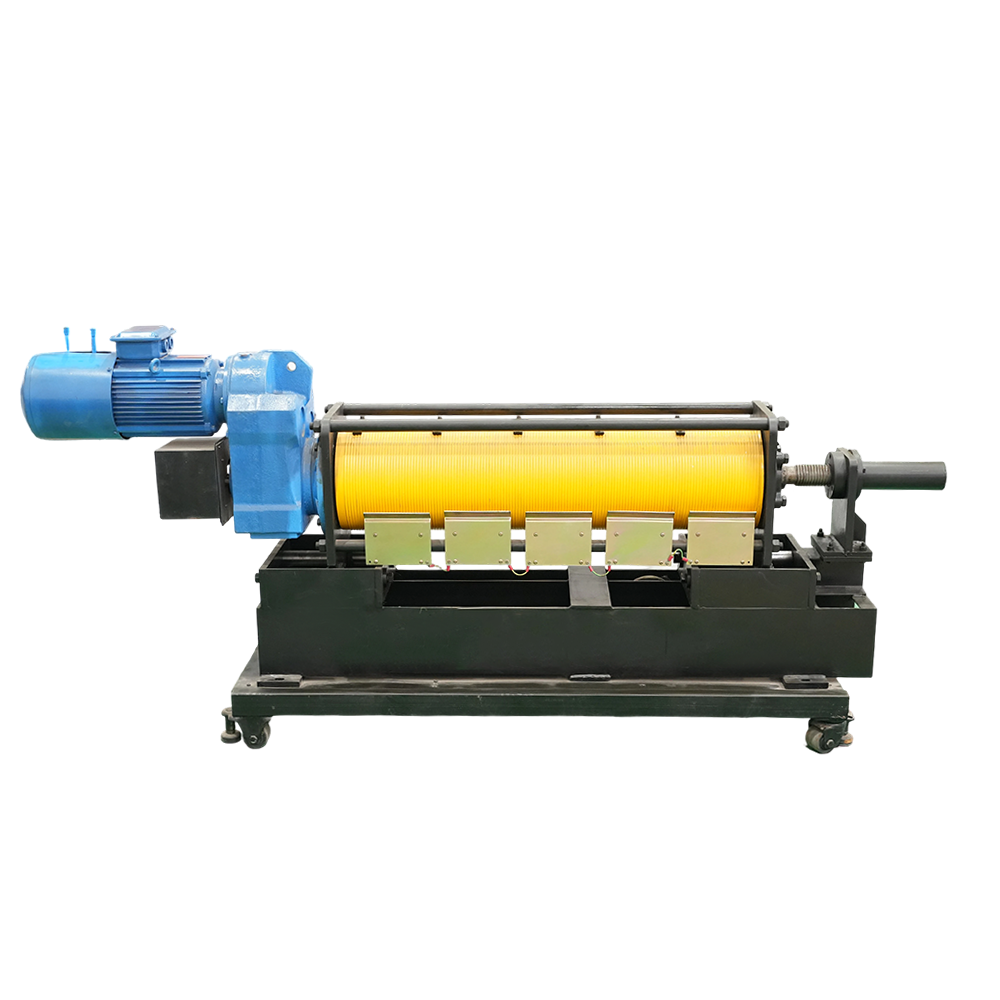
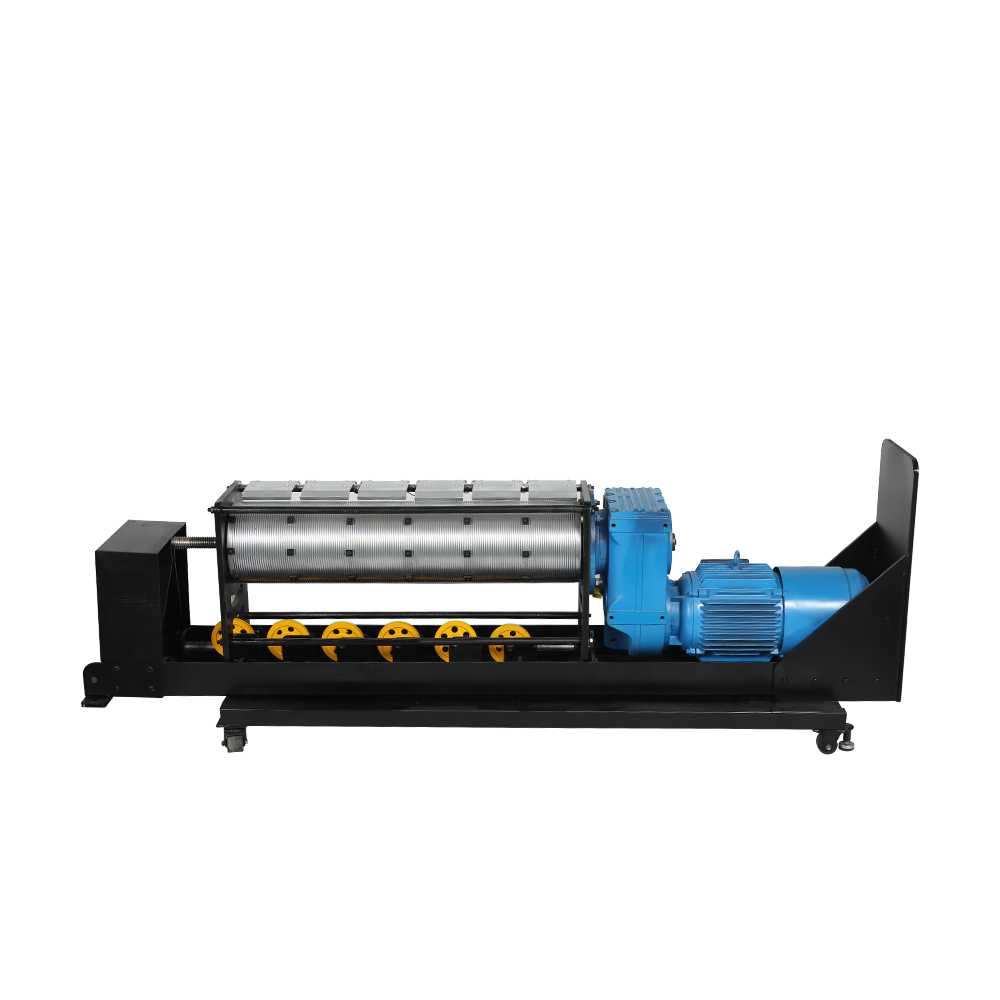
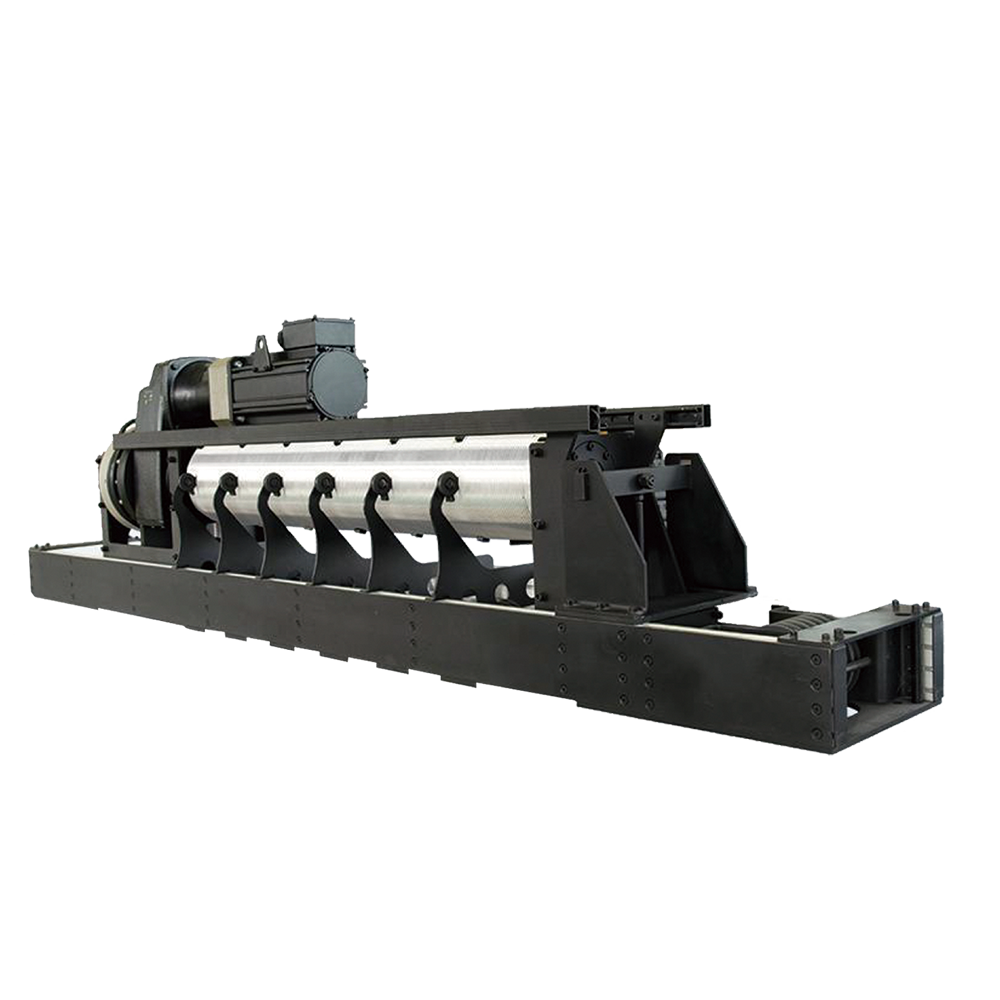
An in-line zero-fleet stage winch is a specialized lifting device designed for stage applications where wire rope must remain perfectly aligned during winding and unwinding. Instead of allowing the rope to travel across multiple winding layers, the system maintains a nearly constant fleet angle, ensuring that the cable enters the drum in a straight line.
The “zero-fleet” principle refers to minimizing the fleet angle—the angle formed between the wire rope and the drum. By keeping this angle close to zero, the winch achieves:
- Stable rope winding
- Reduced rope abrasion
- Precise lifting synchronization
- Longer equipment lifespan
- Lower maintenance requirements
Compared with conventional drum winches, the in-line drum winch offers significantly better performance in applications requiring repeated, accurate vertical movement.
How Does an In-Line Zero-Fleet Stage Winch Work?
The operating principle combines mechanical precision with intelligent control.
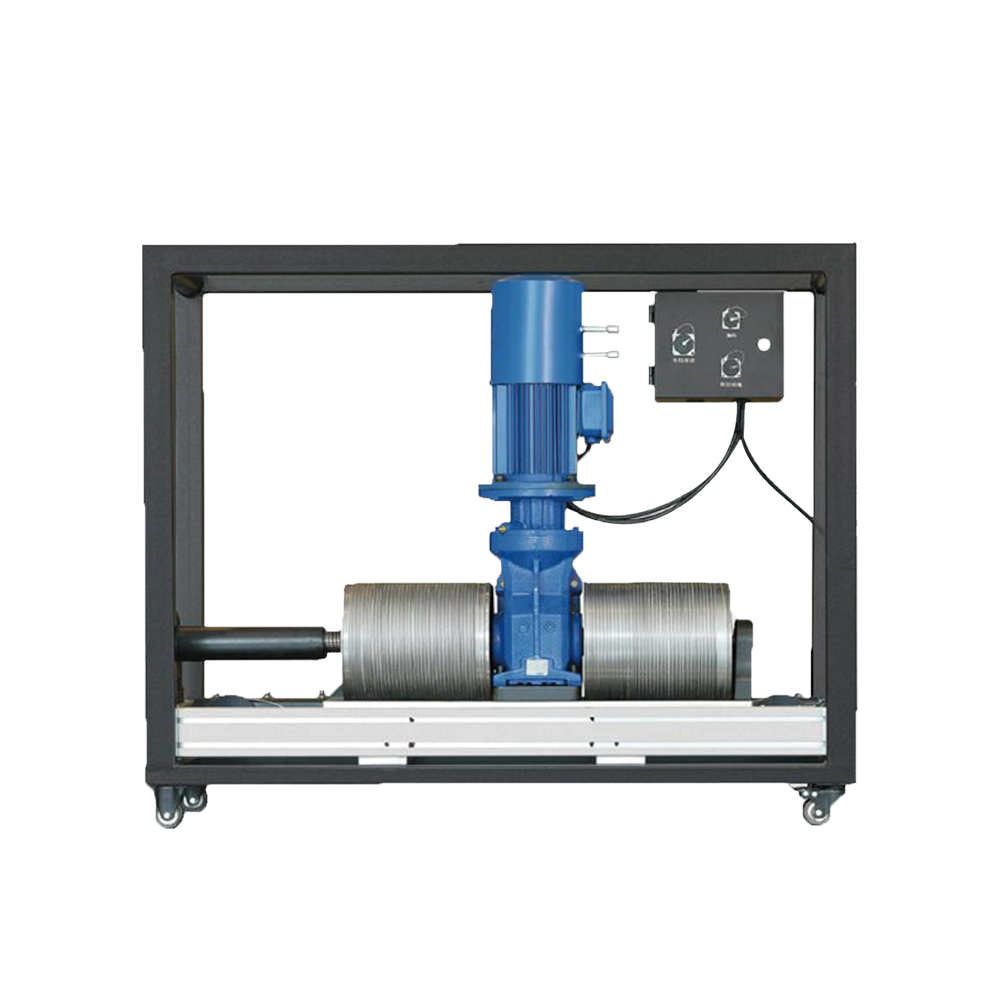
First, an electric motor drives a precision gearbox, generating torque that rotates the drum. As the drum turns, the wire rope is wound or released while remaining aligned with the drum axis.
Unlike ordinary winches that rely on rope movement across the drum width, the zero-fleet configuration keeps the wire rope entering the drum from a fixed direction. Depending on the system design, guide mechanisms and carefully engineered drum geometry ensure smooth cable travel throughout operation.
An intelligent control system continuously monitors movement, speed, load, and positioning. Sensors transmit real-time operating data to the control platform, enabling precise lifting, synchronized motion, and rapid response to changing stage requirements.
The entire lifting process is designed to remain smooth, quiet, and highly repeatable.
Main Components of an In-Line Drum Winch
| Component |
Primary Function |
| Electric Motor |
Provides lifting power |
| Precision Gearbox |
Converts motor speed into stable torque |
| Winch Drum |
Winds and releases wire rope |
| Wire Rope Guide System |
Maintains straight cable alignment |
| Intelligent Control System |
Controls speed, positioning, and synchronization |
| Brake System |
Holds loads securely during operation |
| Load Monitoring Sensors |
Monitor operating status and enhance safety |
Each component contributes to reliable long-term operation in demanding stage environments.
Key Advantages of Zero-Fleet Technology
Exceptional Positioning Accuracy
Accurate positioning is essential for scenery changes, lighting adjustments, and suspended stage equipment. Because cable alignment remains consistent, the lifting system can repeatedly stop at precise locations with minimal deviation.
Reduced Wire Rope Wear
Traditional winches often experience uneven cable winding, creating friction between rope layers. Zero-fleet technology greatly reduces side loading and abrasion, extending the service life of both the wire rope and drum.
Smooth and Quiet Operation
Performance venues require lifting systems that operate without distracting audiences. The optimized winding path minimizes vibration and mechanical noise, making the system ideal for theaters and concert halls.
Improved Operational Safety
A properly aligned wire rope reduces the risk of overlapping cables, abnormal tension, or unexpected mechanical stress. Combined with intelligent braking and load monitoring, the system provides a higher level of operational safety.
Easier Maintenance
Uniform rope winding reduces mechanical wear on critical components, lowering maintenance frequency and helping maintain consistent performance throughout the equipment’s lifecycle.
Typical Applications
The versatility of an in-line zero-fleet stage winch makes it suitable for a wide range of performance environments.
| Application |
Purpose |
| Theater Stages |
Scenery lifting and stage automation |
| Concert Venues |
Lighting truss positioning |
| Cultural Centers |
Curtain and scenery movement |
| Conference Centers |
LED screen lifting |
| Stadiums |
Large suspended equipment control |
| Multi-functional Performance Spaces |
Flexible stage configuration |
Its ability to perform synchronized lifting also makes it suitable for large-scale automated stage systems.
Material Selection and Structural Design
High-quality materials directly influence the durability and reliability of stage lifting equipment.
| Component |
Common Material |
Benefit |
| Drum |
High-strength steel |
Excellent structural rigidity |
| Wire Rope |
Galvanized or stainless steel |
Wear resistance and corrosion protection |
| Gear Housing |
Cast steel |
High load-bearing capacity |
| Bearings |
Precision alloy steel |
Smooth operation and long service life |
| Frame |
Structural steel |
Stable installation and vibration resistance |
The structural design also emphasizes compact installation, efficient space utilization, and convenient inspection access for maintenance personnel.
Intelligent Control Enhances Stage Automation
Modern stage winch systems increasingly integrate intelligent control technologies.
Functions commonly include:
- Variable speed control
- Position feedback
- Multi-axis synchronization
- Automatic fault detection
- Load monitoring
- Emergency stop protection
- Remote operation
- Programmable movement sequences
These capabilities improve production efficiency while reducing operator workload and supporting more complex stage performances.
Choosing the Right In-Line Zero-Fleet Stage Winch
When selecting an in-line drum winch, several technical factors should be evaluated:
- Required lifting capacity
- Lifting height
- Operating speed
- Duty cycle
- Installation space
- Control system compatibility
- Safety protection requirements
- Maintenance accessibility
Matching the winch configuration to the specific performance environment ensures reliable operation and long-term value.
Supporting Professional Stage Solutions
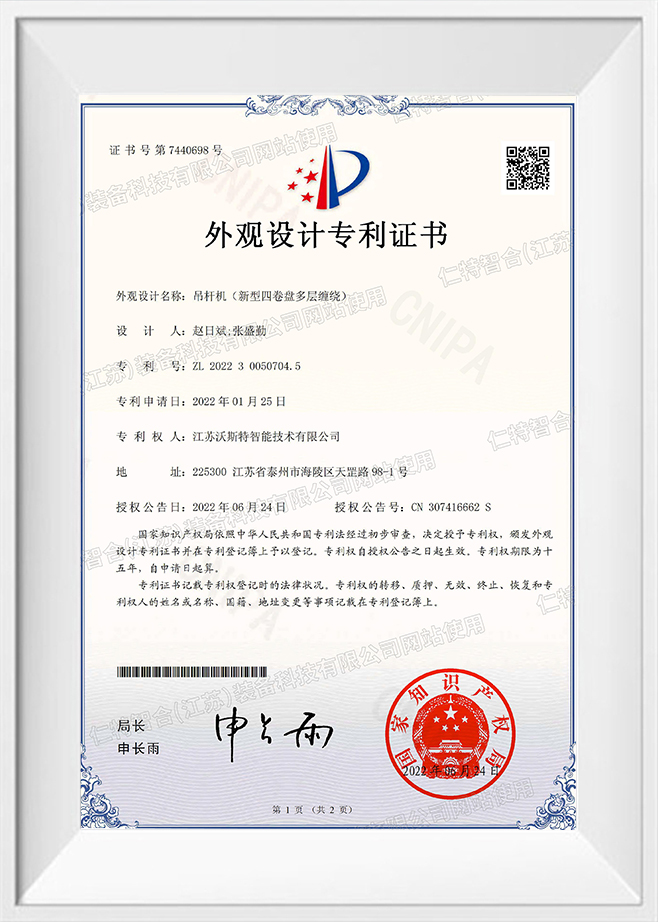
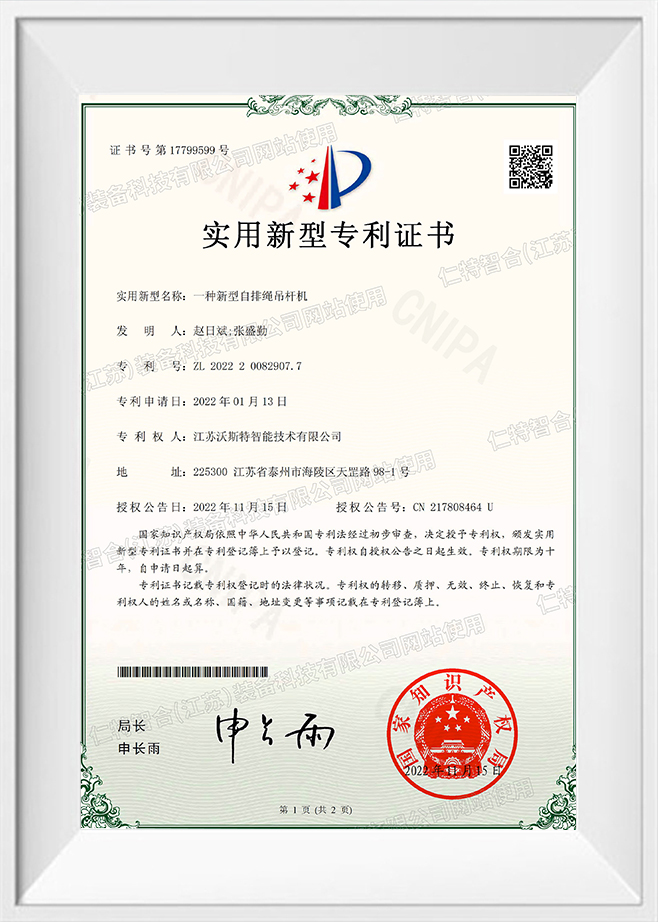
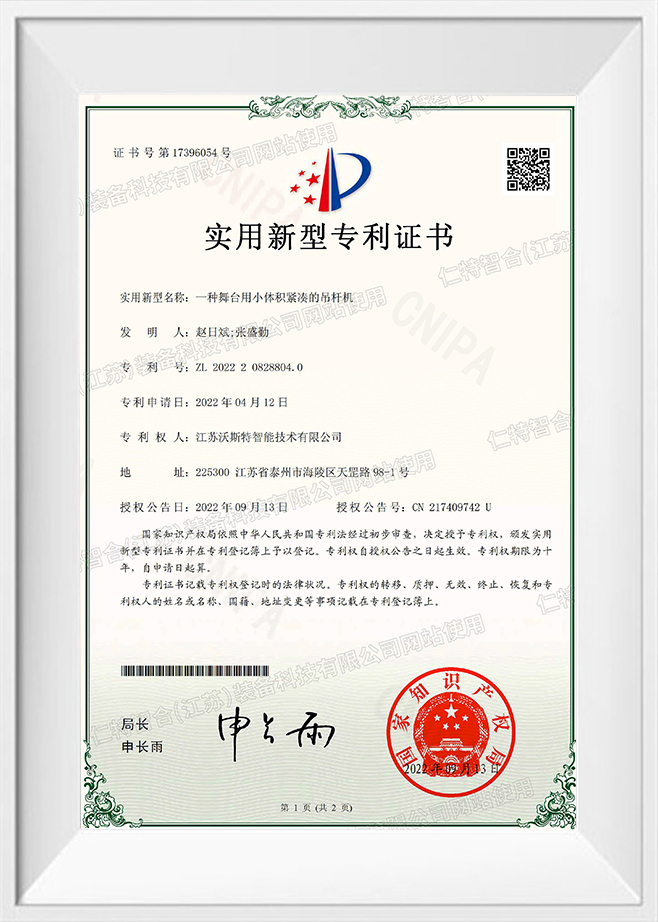
Rentezhihe (Jiangsu) Equipment Technology Co., Ltd. specializes in the research, development, and manufacturing of stage machinery, performance equipment, and intelligent control systems.
The company is dedicated to providing safe, stable, and integrated intelligent solutions for theaters, cultural centers, stadiums, conference centers, and multi-functional performance venues. Backed by years of engineering experience, Rentezhihe has established a complete service system covering design, manufacturing, installation, commissioning, operation, and maintenance.
By combining reliable equipment performance with intelligent engineering capabilities, the company continues to support professional stage projects across domestic and international markets with dependable lifting solutions, including advanced in-line zero-fleet stage winch systems.
Conclusion
An in-line zero-fleet stage winch represents an important advancement in stage lifting technology. By maintaining optimal wire rope alignment, reducing mechanical wear, and integrating intelligent control, it delivers greater lifting precision, operational safety, and long-term reliability than conventional systems.
FAQ
1. What is the main advantage of an in-line zero-fleet stage winch?
Its primary advantage is maintaining nearly zero fleet angle, which improves lifting accuracy, reduces wire rope wear, and enhances operational safety.
2. How is an in-line drum winch different from a conventional drum winch?
An in-line drum winch keeps the wire rope aligned with the drum throughout operation, resulting in smoother winding, more precise positioning, and lower maintenance requirements.
3. Where are in-line zero-fleet stage winches commonly used?
They are widely installed in theaters, concert halls, cultural centers, conference venues, stadiums, television studios, and multi-functional performance spaces.
4. Can an in-line zero-fleet stage winch support intelligent stage automation?
Yes. Modern systems can integrate with intelligent control platforms to provide synchronized lifting, position feedback, load monitoring, programmable motion, and remote operation.
5. What factors should be considered when selecting an in-line zero-fleet stage winch?
Key considerations include lifting capacity, lifting height, operating speed, installation space, control system compatibility, safety functions, maintenance requirements, and the overall stage automation design.

 中文简体
中文简体
 English
 русский
 Français
 Español
 عربى
عربى