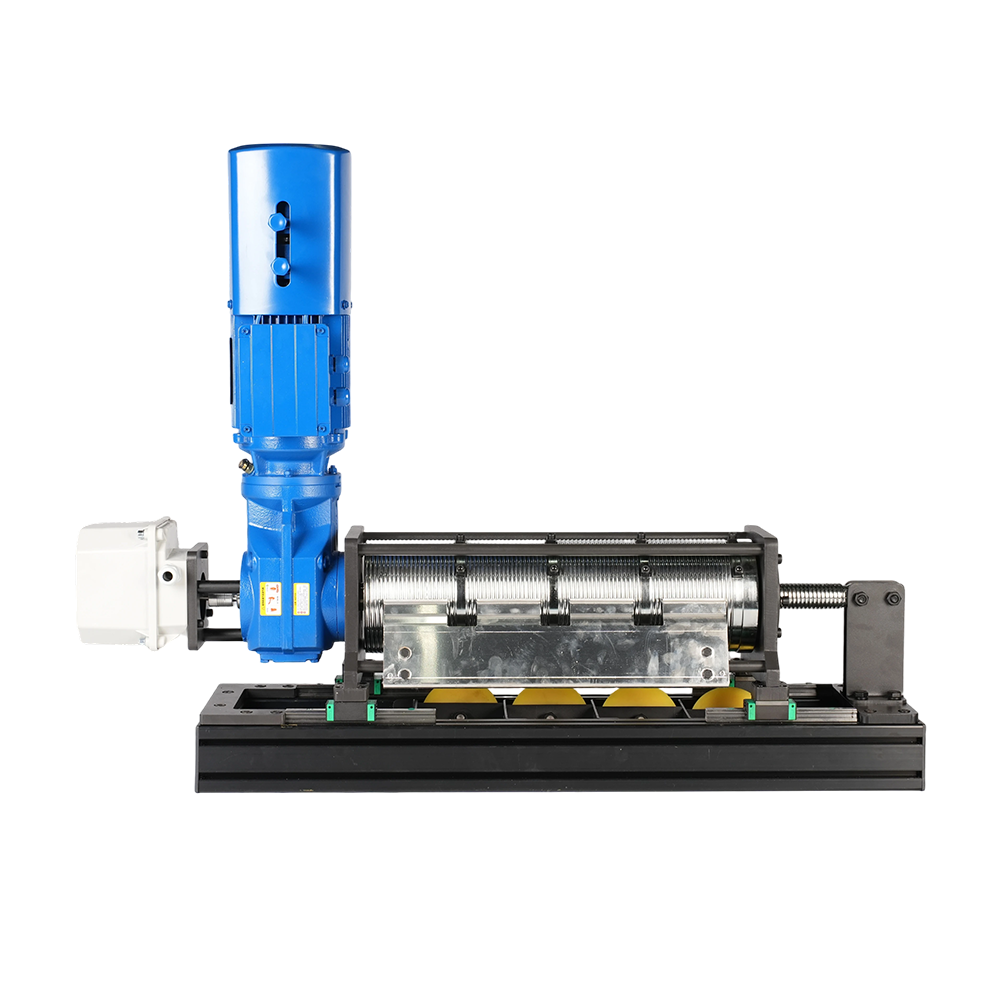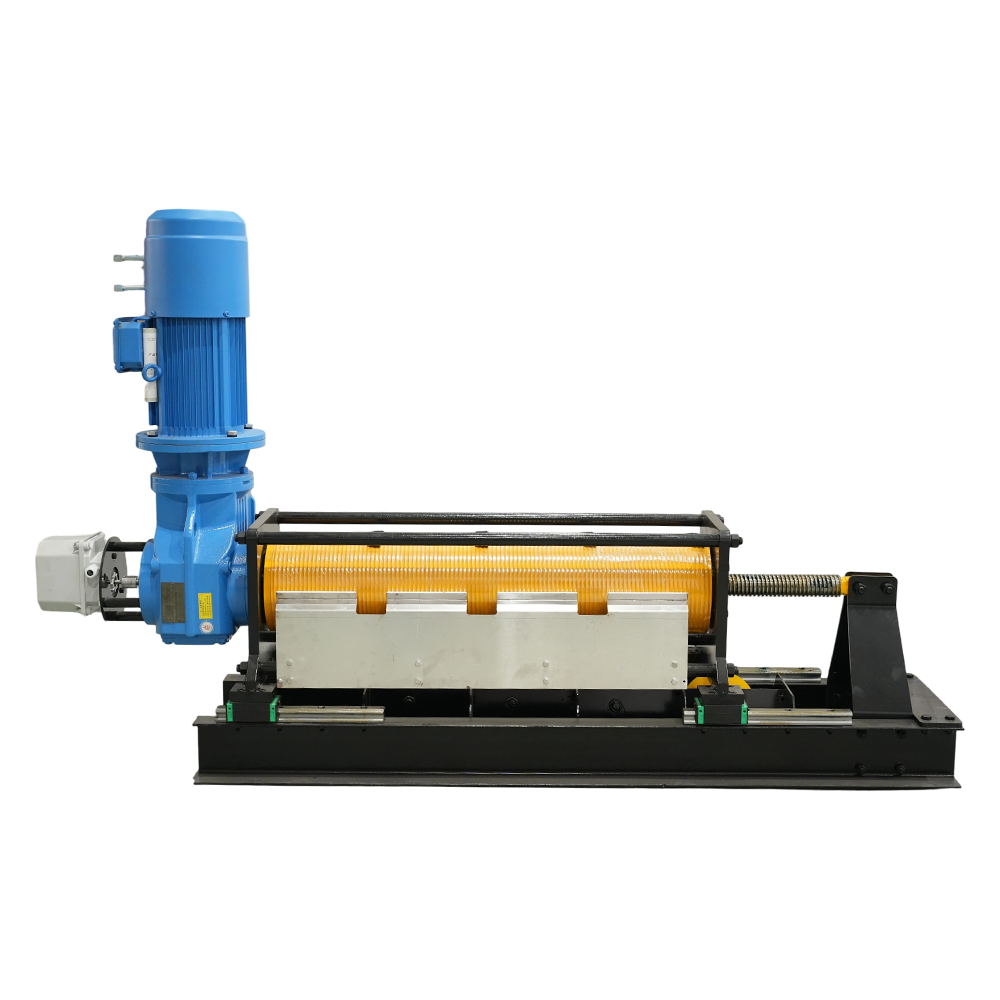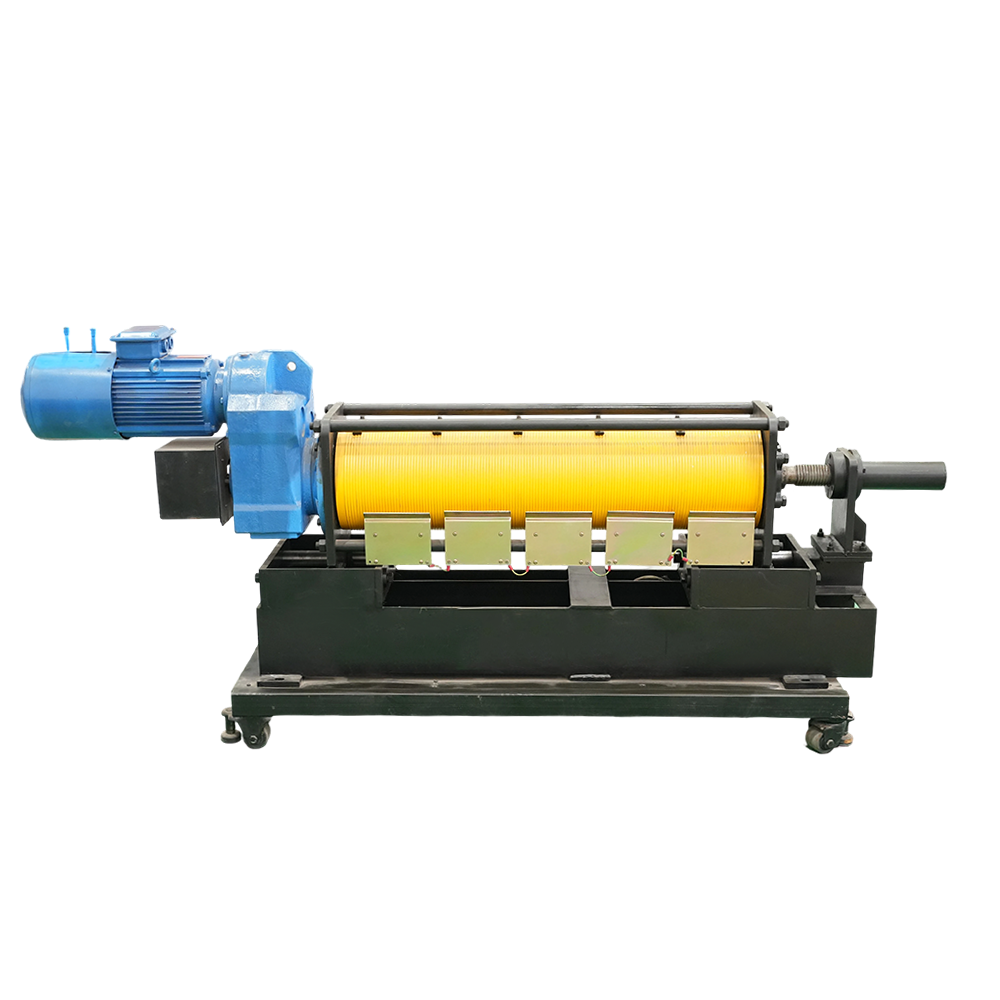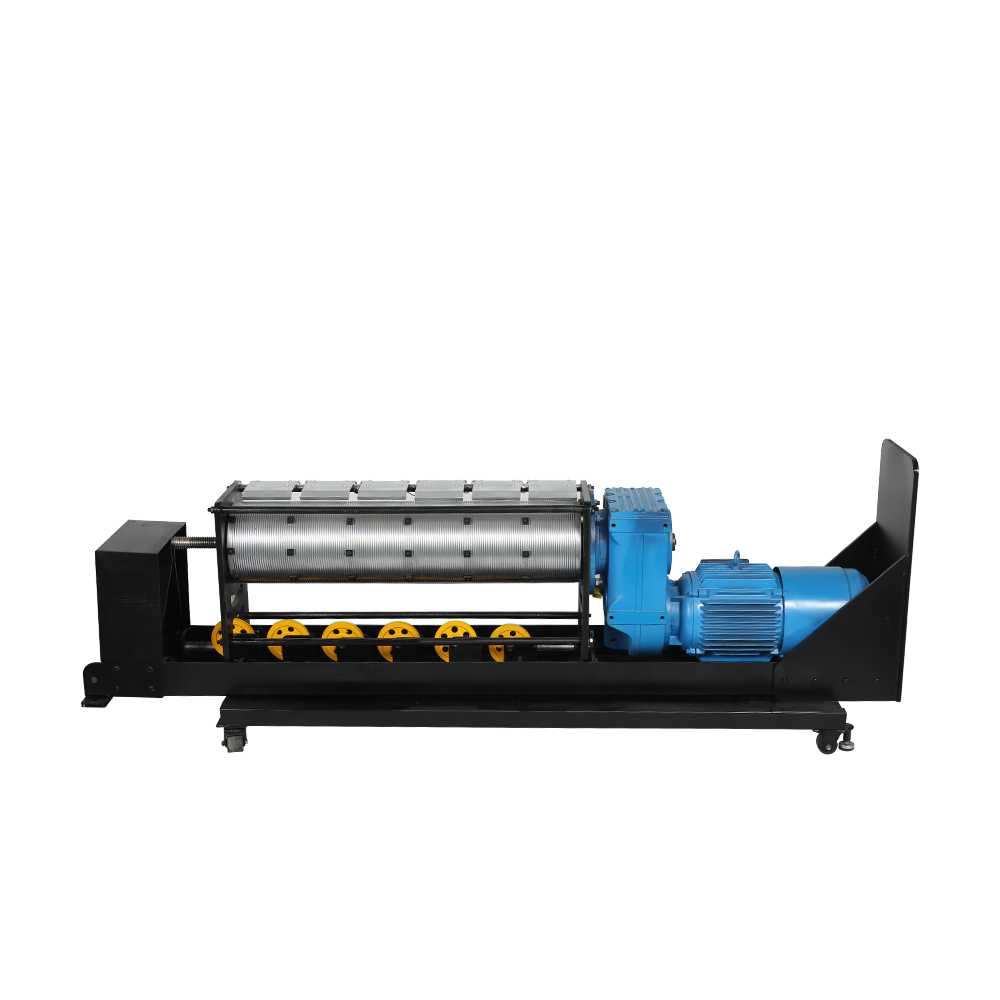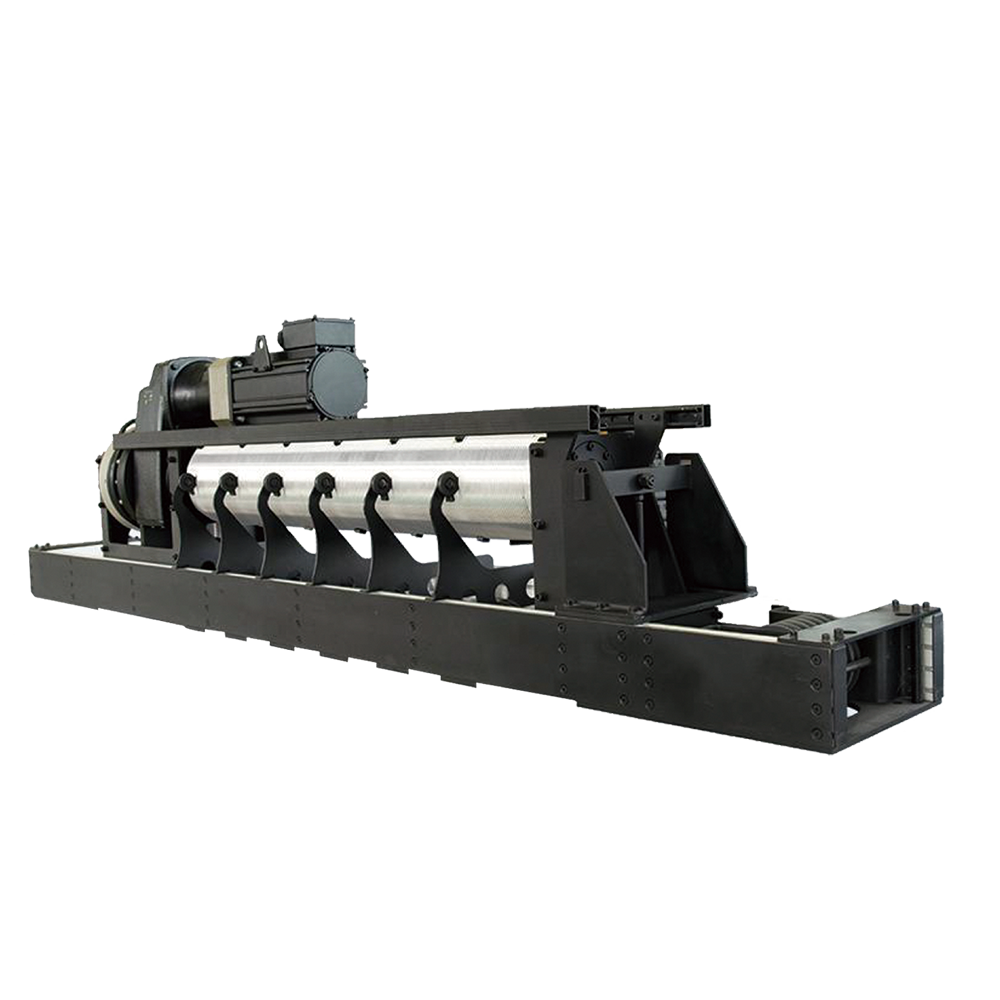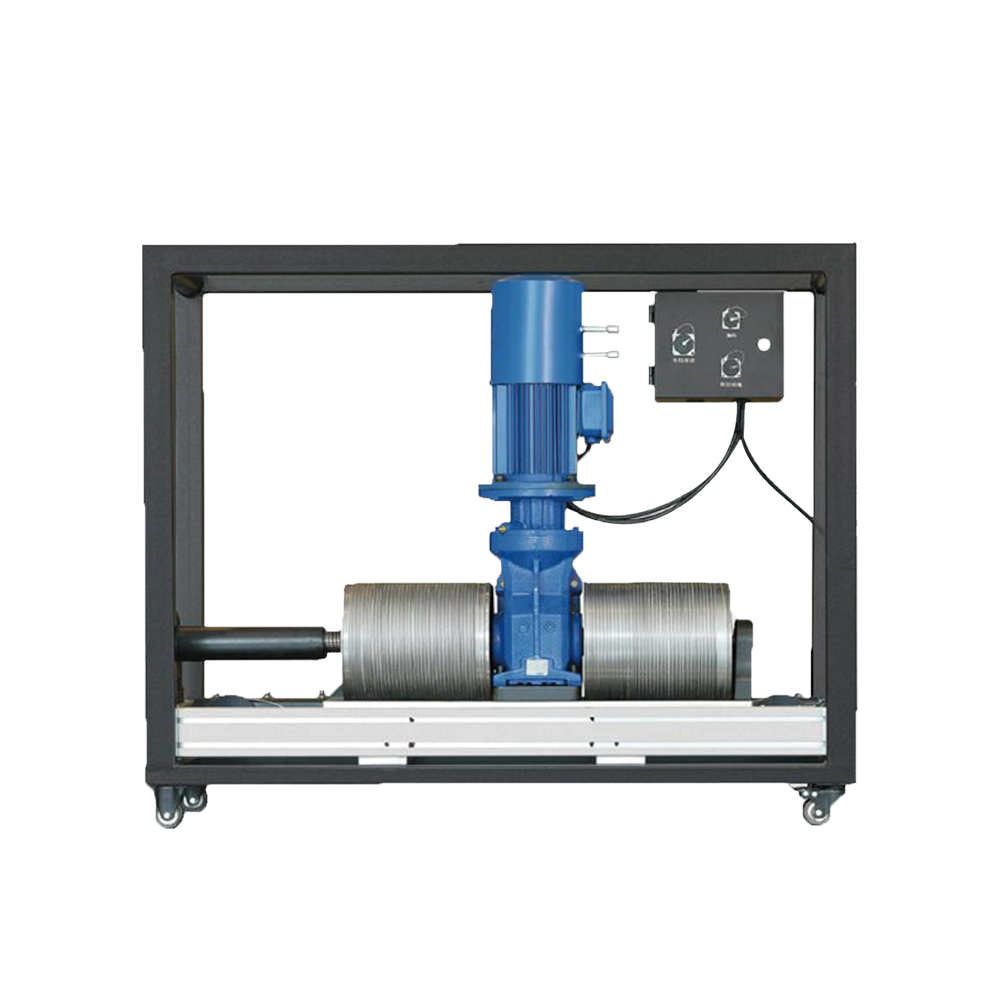
When a scenic element must stop within two millimeters of its mark, the rigging system's gear backlash decides whether the sequence runs smoothly or stalls in front of a full house. Zero Fleet winches are designed to eliminate that backlash, and they offer a level of positioning precision that standard winch systems cannot match. For modern stage lifting, where cues are programmed and repeated scene changes must land exactly, the extra investment in a Zero Fleet winch pays for itself through fewer reset delays and safer load handling. Standard winches still have a place, but their precision ceiling is lower.
Every standard winch contains a drive train with gears, splines, or clutches. When the motor reverses direction, those components must move through their internal tolerances before the drum actually turns. That slack is called backlash. The operator adds a command, but the load does not respond until the gaps are taken up. In a single-point lift, a little play may be acceptable. In a multi-point stage lifting system, the result is misalignment. The points no longer arrive at the same height, and a horizontal batten can tilt.
A Zero Fleet winch uses preloaded mechanical elements that maintain contact between teeth and splines at all times. The dead travel is virtually eliminated, so the drum responds within a fraction of a millimeter. This difference becomes noticeable when a lift is commanded to move 500 mm and then return to a previous position. A standard winch may overshoot or undershoot by 5 to 10 mm per direction change. A Zero Fleet winch will return to the original mark within a very narrow tolerance.
For stage lifting, this precision is not a luxury. It determines whether a scenery piece can be parked flush with the stage floor, whether a backdrop aligns with its projection map, and whether multiple lifts can run synchronized choreography.
In a theatre production, the same lift may be called dozens of times in one evening. Each call should result in the same position. If a winch has 8 mm of backlash, that 8 mm becomes a systematic error. It may be hidden during a slow cue, but during a quick change the far edge of a scenic drop can catch on a line set or scrape against the proscenium. That is a safety risk as well as a show-quality risk.
Zero Fleet winches also improve the behavior of safety brakes and emergency stops. Because the load path is tight, an emergency stop does not cause the load to lurch forward before the brake engages. This predictability is particularly valuable when a heavy counterweight or a performer is involved in the lift.
From a maintenance standpoint, standard winches require periodic adjustment of brakes and re-tensioning of gearboxes as wear increases backlash. Zero Fleet winches, with their preloaded design, maintain consistent performance over a longer service interval. For a venue operating with a small technical crew, this reduces the chance of an unnoticed drift becoming a serious incident.
The following table sums up the typical operational differences that affect a purchasing decision for stage lifting projects.
| Characteristic | Zero Fleet Winch | Standard Winch |
|---|---|---|
| Backlash | Near zero, due to preloaded gear sets | Visible dead travel before drum movement |
| Repeat positioning | ±1 mm or better after direction reversal | ±5 mm or more, depending on wear |
| Control response | Immediate motion as soon as command is sent | Initial offset before the load follows |
| Synchronization | Multiple lifts track together closely | Point-to-point misalignment increases with travel |
| Emergency stop behavior | Predictable, no forward jump | May jerk before brake engages |
| Maintenance | Longer intervals, sealed/preloaded units | More frequent gear and brake adjustments |
| Initial cost | Higher upfront investment | Lower purchase price |
| Best suited for | Programmed multi-cue shows, ballet, opera, arena events | Fixed fly lofts, basic counterweight systems, non-synchronized moves |
The numbers in the table are typical values found in stage lifting practice. Exact specifications should be confirmed with the winch manufacturer for a given load and speed range.
Start with the show you will run. If your venue hosts a mix of touring musicals and corporate events, the lifts may need to handle multiple points with precise blocking. A Zero Fleet winch gives the programmer confidence that a cue will land exactly the same every time. If your facility is a simple lecture hall with a single curtain and a few fixed battens, a standard winch may be sufficient.
Consider the cost of a missed performance. A single reset caused by a misaligned lift can eat up rehearsal time, affect the lighting table, or, in the worst case, damage a piece of scenery. Over the life of the system, the lower maintenance and higher repeatability of a Zero Fleet winch often offset the initial premium. For a new build or a major renovation, the extra engineering expense is small compared to the overall rigging budget.
Also factor in the control system. Zero Fleet winches are designed to work with the servo drives and automation controllers used in modern stage lifting. The encoder feedback that drives the automation relies on a rigid mechanical connection. If the winch has play, the controller cannot compensate properly. Standard winches can be automated, but the achievable positioning accuracy is limited by the physical backlash.
When evaluating alternatives, ask your supplier about the expected repeatability after 100,000 cycles, the maximum drift during temperature changes, and the time needed to re-adjust the gearbox. Those answers will quickly reveal whether a standard winch can meet your show's safety margins.
For stage lifting, precision is not an abstract term. It is the difference between a perfectly smooth scene change and a costly interruption. Zero Fleet winches offer a near-zero backlash drive, which yields repeatable positioning and safer operation. RenteZhihe has manufactured a full line of Zero Fleet stage winches specifically for venues that require this level of control. If your production calls for synchronized scenery, tight alignment, or automated cue stacks, the Zero Fleet design is the better investment. Standard winches serve their purpose in simpler rigging, but they cannot deliver the same consistency when every millimeter matters.
We specialize in delivering advanced stage machinery, rigging systems and intelligent control solutions for performance spaces worldwide.

No. 111 Runfeng Road, Hailing District, Taizhou City, Jiangsu Province, China

rtstage@163.com

+86-139 1771 1698

+86-139 1771 1698
rtstage@163.com
 中文简体
中文简体
 English
 русский
 Français
 Español
 عربى
عربى