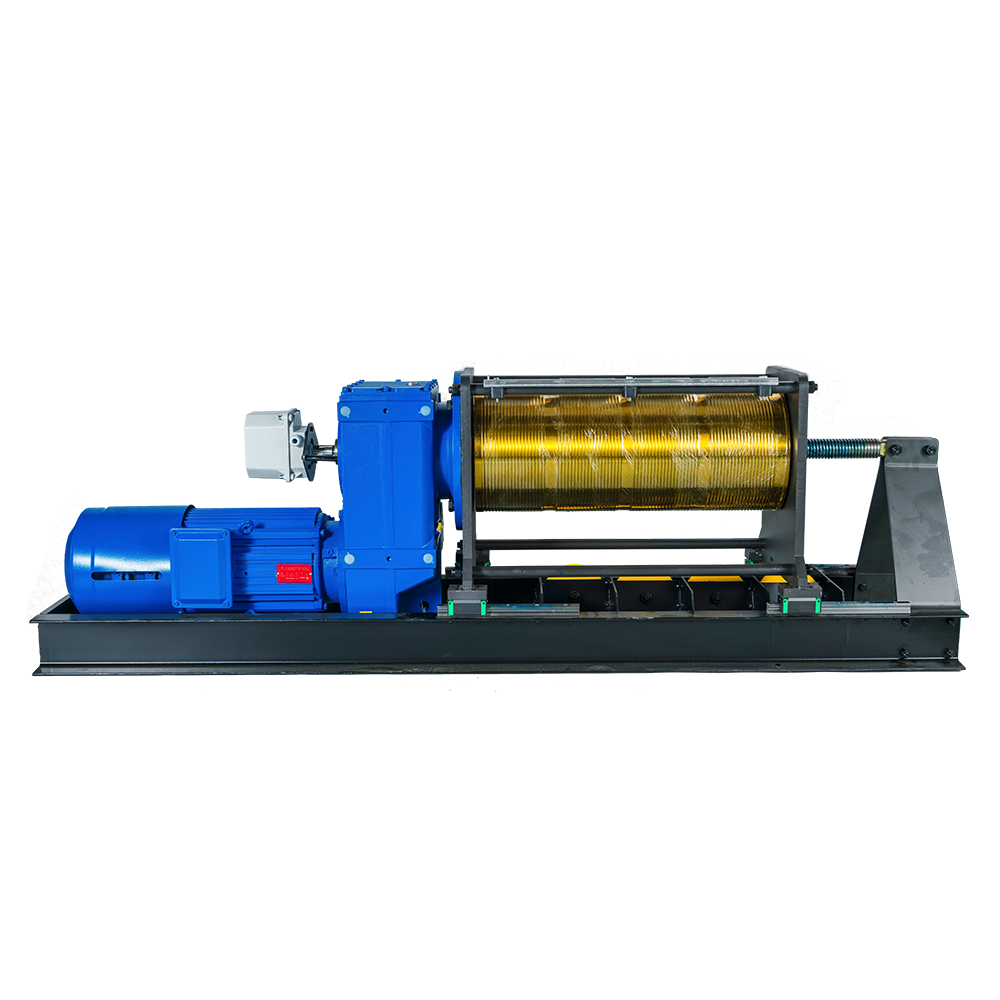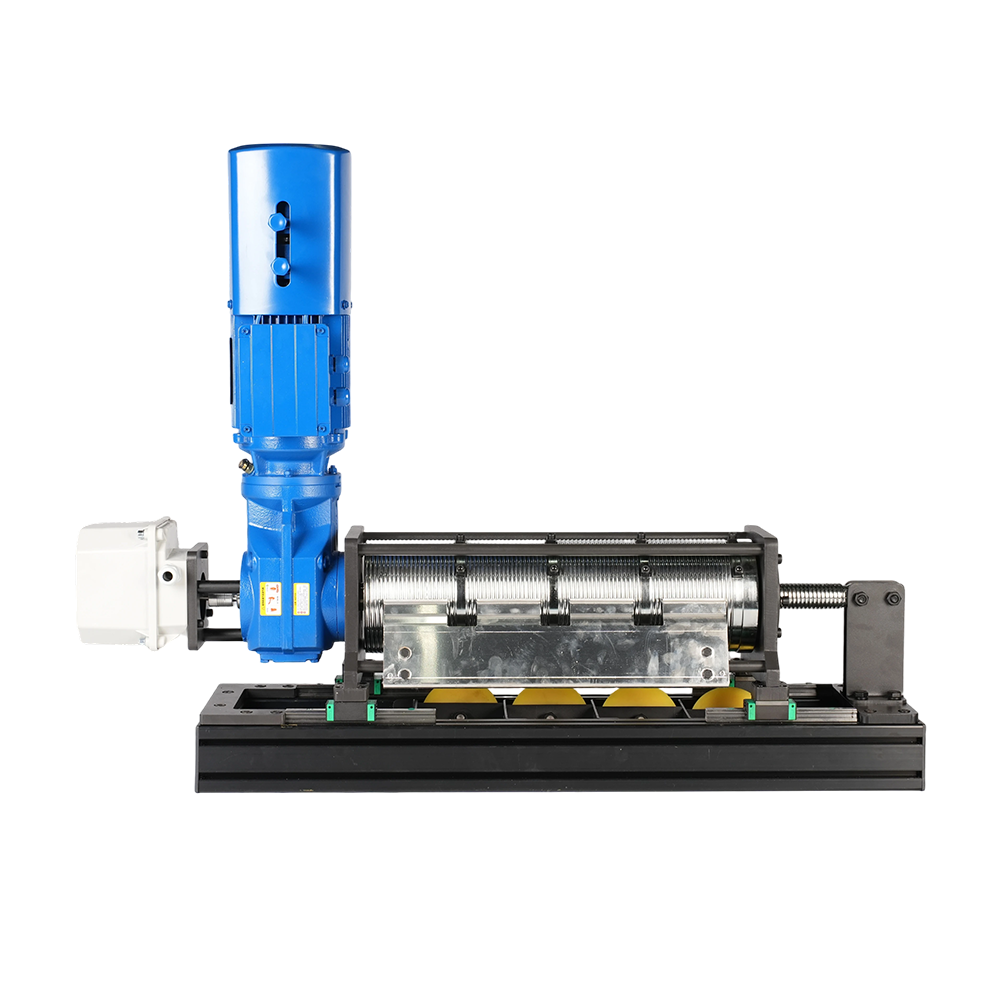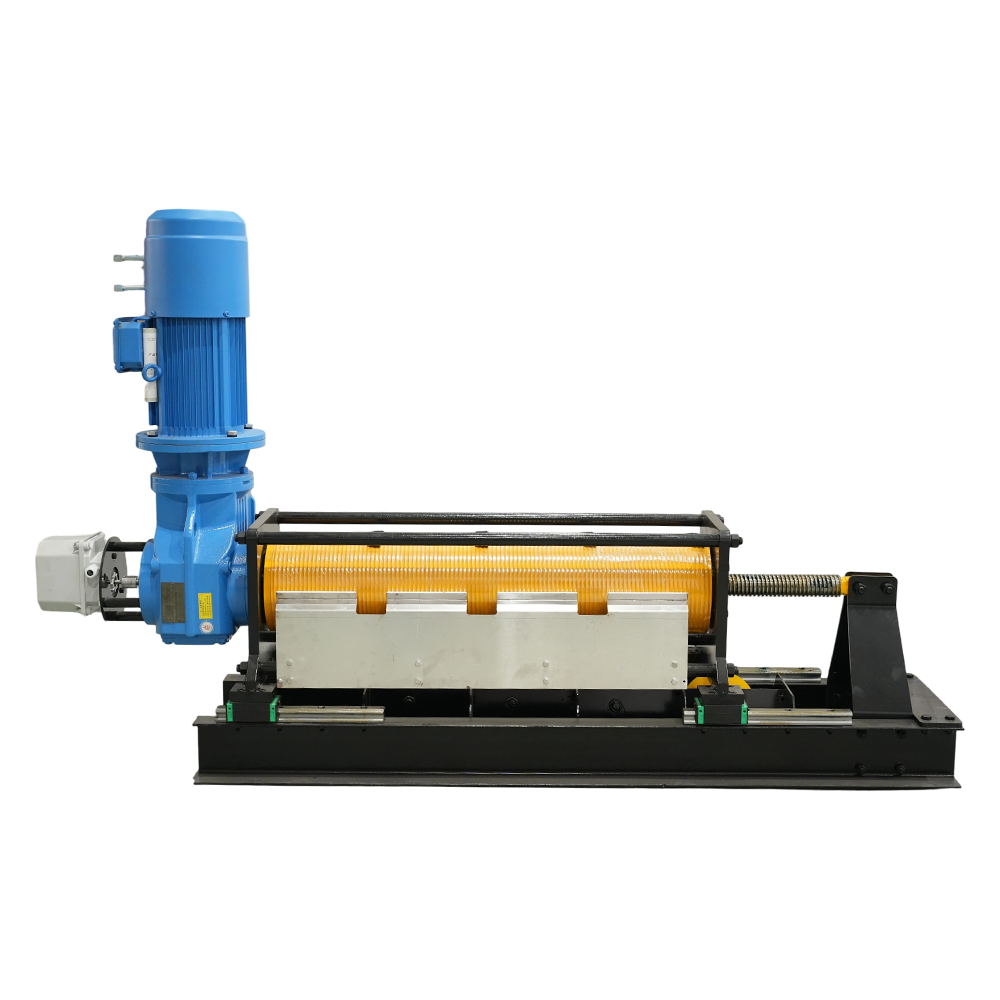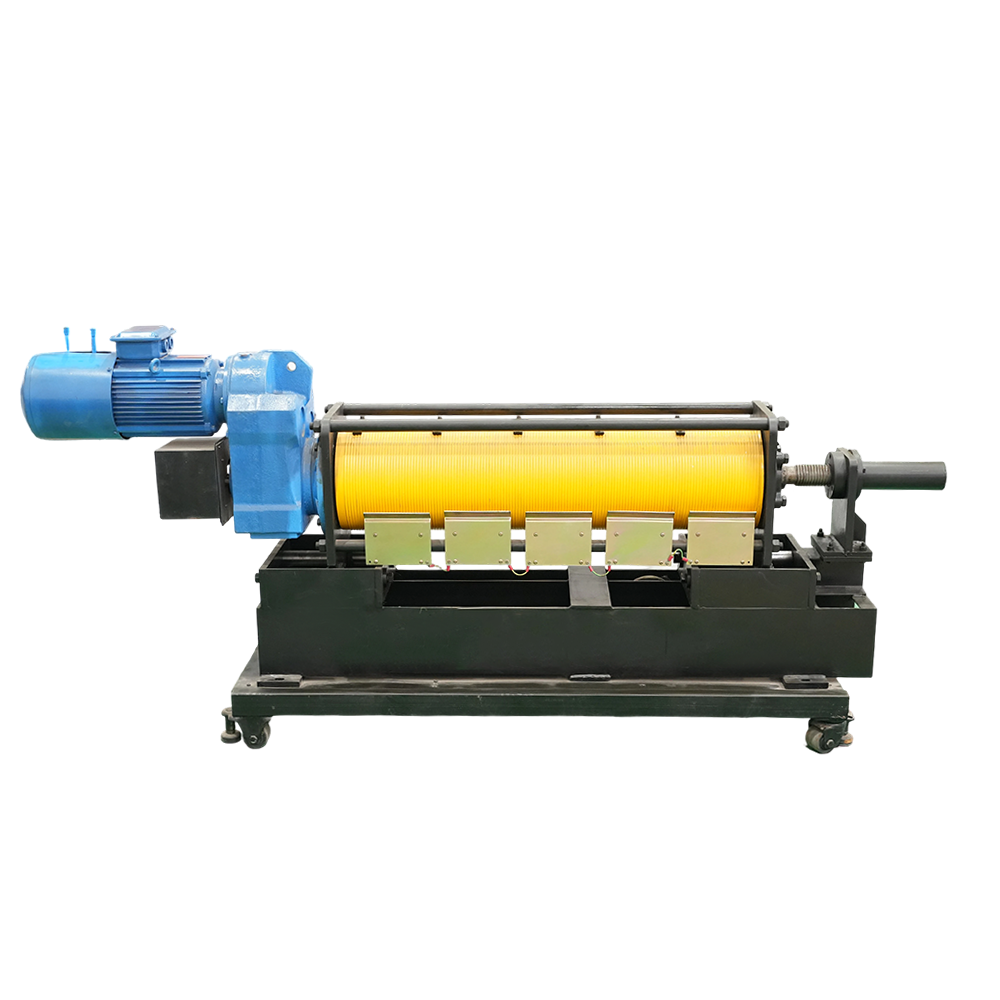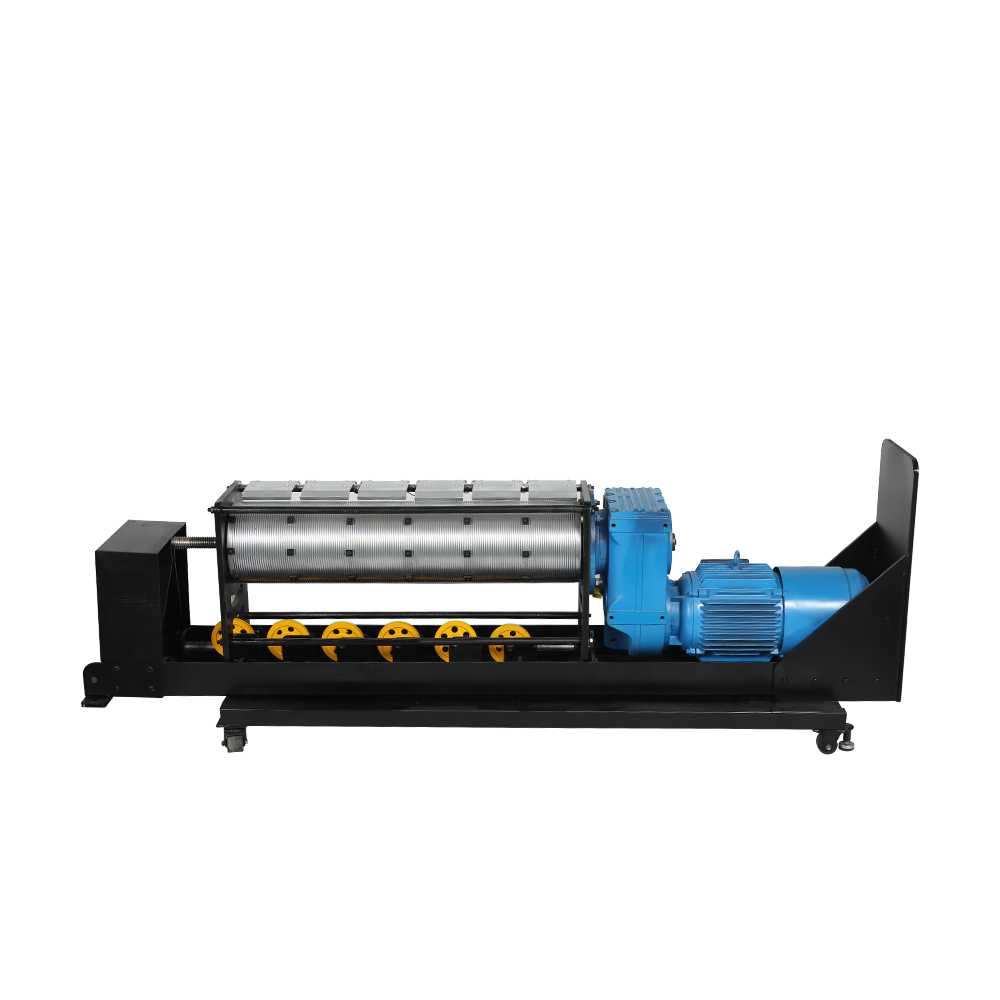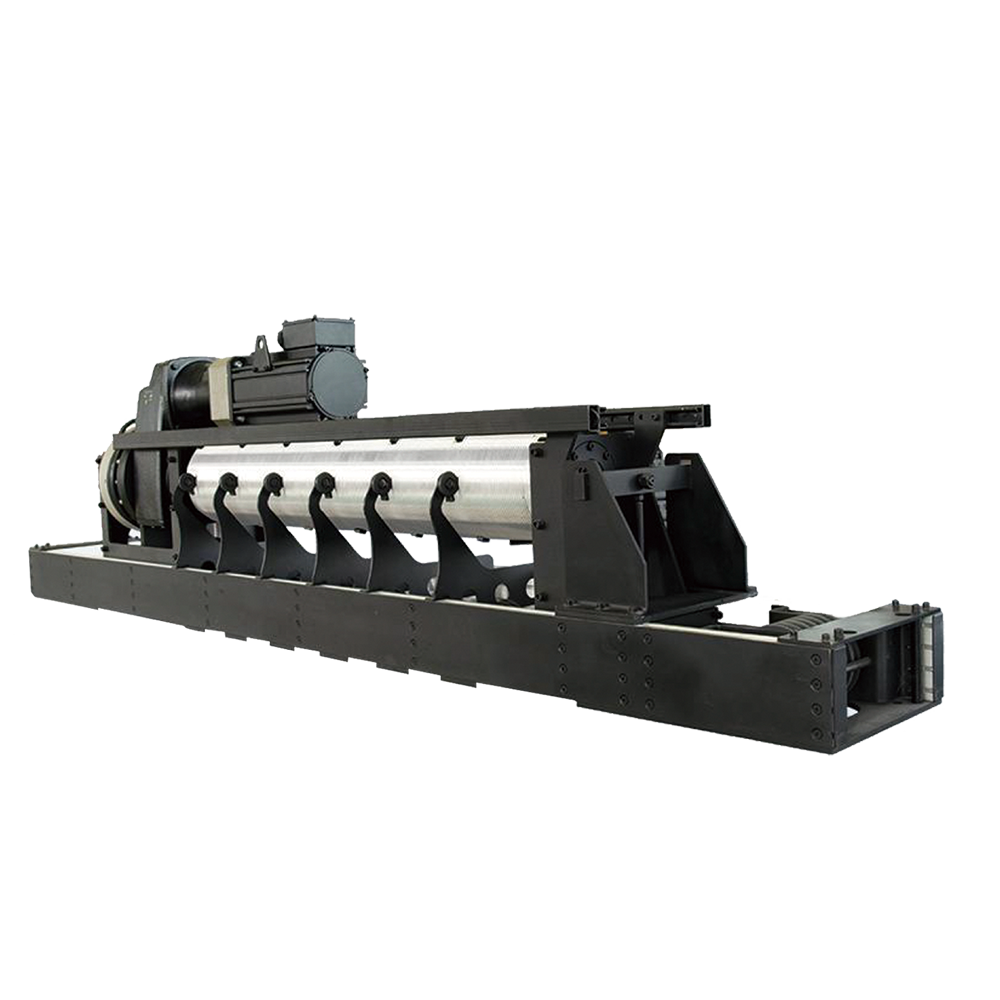
With the rapid development of stage automation, entertainment production, and architectural performance spaces, modern lifting systems are facing increasingly complex requirements. Stage equipment is no longer limited to simple vertical movement. Instead, it must achieve precise positioning, smooth operation, reliable safety control, and flexible integration with automated stage management platforms.
Traditional lifting solutions have played an important role in theatrical applications for many years. However, as performance requirements become more sophisticated, conventional winch structures may face challenges related to cable alignment, mechanical wear, installation flexibility, and long-term operational stability. These challenges have encouraged manufacturers and engineers to develop more efficient solutions for professional rigging environments.
Among these advanced solutions, the in-line zero-fleet stage winch has attracted increasing attention due to its optimized cable management design and improved operational accuracy. By maintaining a direct cable path between the drum and lifting point, this type of winch system helps reduce unnecessary lateral forces and improves the consistency of stage movement.
Compared with traditional lifting mechanisms, an in-line drum winch focuses on improving the relationship between cable arrangement and drum rotation. The optimized structure allows the cable to be wound more evenly, supporting smoother movement and reducing stress caused by misalignment.
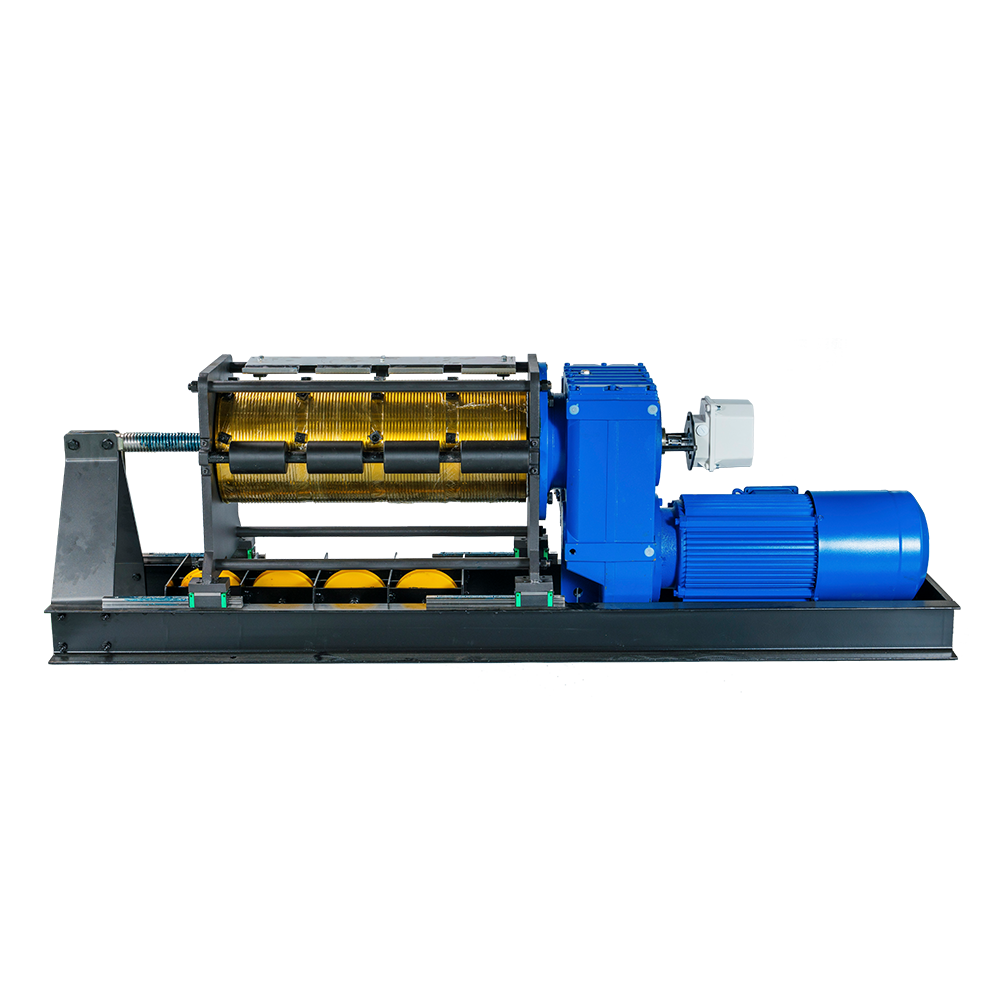
An in-line zero-fleet stage winch is an advanced lifting device designed for stage rigging applications where precise cable alignment and controlled movement are essential. The term “zero-fleet” refers to a cable management concept that minimizes or eliminates side movement of the cable relative to the drum during operation.
In conventional winch systems, the cable may approach the drum from different angles depending on the installation environment. This angled movement can create uneven winding patterns, increase friction, and generate additional stress on both the cable and mechanical components.
The zero-fleet design addresses this issue by ensuring that the cable remains aligned with the drum axis. This alignment improves winding consistency and supports smoother lifting operations.
The main structure of an in-line zero-fleet stage winch generally includes the following components:
| Component | Main Function | Performance Advantage |
|---|---|---|
| In-line Drum | Stores and winds the lifting cable | Provides organized cable arrangement |
| Zero-Fleet Alignment System | Maintains cable direction with drum rotation | Reduces side loading and cable stress |
| Drive Motor | Generates lifting power | Enables stable and controlled movement |
| Control Unit | Manages speed and positioning | Supports automated stage operation |
| Safety Brake System | Holds suspended loads securely | Improves operational safety |
The combination of these components allows the winch to provide more consistent performance in applications requiring repeated movement and accurate positioning.
Unlike basic lifting equipment, a modern stage winch system is not only responsible for moving loads vertically. It must also coordinate with lighting systems, audio equipment, stage platforms, curtains, and other automated elements. Therefore, precision, reliability, and integration capability have become essential factors in equipment selection.
The working principle of an in-line drum winch is based on controlled cable winding and direct mechanical transmission. During operation, the motor drives the drum to rotate, allowing the cable to wind or unwind according to the required lifting direction.
The key difference between an advanced in-line design and a conventional winch is the way cable alignment is managed.
In a standard system, cable movement may not always remain perfectly centered on the drum. Over time, repeated side loading can affect cable performance and create uneven wear patterns. In contrast, an in-line zero-fleet stage winch maintains a more direct cable route, allowing the drum to handle the cable with improved consistency.
The working process can generally be divided into several stages:
The drive motor provides controlled rotational force to the drum. Depending on the control system, the operator can adjust lifting speed, stopping position, and movement sequence.
Modern automated stage winch systems often incorporate electronic control technology to achieve accurate positioning. This allows stage components to move smoothly according to programmed performance requirements.
Cable alignment is one of the most important factors affecting winch performance. The zero-fleet mechanism helps maintain the correct relationship between the cable and drum.
This design reduces unnecessary friction between the cable and surrounding components while improving winding quality.
For applications such as theatrical rigging winch systems, where movement accuracy is extremely important, consistent cable handling can significantly improve overall system reliability.
Advanced stage lifting systems often connect with digital control platforms. Sensors and feedback devices can monitor movement conditions and help maintain accurate positioning.
This integration enables more complex stage automation functions, including synchronized movement between multiple lifting points.
Cable management is a fundamental factor influencing the performance and lifespan of lifting equipment. In entertainment rigging applications, even small mechanical variations can affect movement accuracy and operational safety.
A stage environment usually requires equipment to operate repeatedly under changing conditions. Curtains, lighting structures, scenery, and mechanical platforms may need frequent movement during rehearsals and performances.
If the cable winding process is unstable, several problems may occur:
The application of zero-fleet technology helps solve these issues by maintaining a controlled cable path.
| Performance Factor | Traditional Winch Design | In-Line Zero-Fleet Stage Winch |
|---|---|---|
| Cable Movement | May experience lateral movement | Maintains direct alignment |
| Winding Process | More sensitive to installation angle | More consistent cable arrangement |
| Operational Stability | Depends on setup conditions | Improved movement consistency |
| Maintenance Demand | Requires regular adjustment | Reduced cable-related maintenance |
| Precision Control | Standard positioning capability | Enhanced lifting accuracy |
This improvement makes the technology suitable for professional environments where reliability and precision are critical.
The demand for automated entertainment systems has increased the importance of reliable lifting technology. A modern winch solution must provide more than basic lifting capability. It must support smooth operation, accurate positioning, and long-term durability.
One of the primary advantages of an in-line zero-fleet stage winch is improved cable protection.
When cables experience repeated side forces, the outer surface may experience additional friction and stress. Over extended operation periods, this can affect performance and increase maintenance requirements.
By maintaining proper alignment, the system helps create a smoother winding process and reduces unnecessary mechanical stress.
This advantage is especially valuable in applications where equipment operates frequently, such as theaters, studios, and performance venues.
Accuracy is one of the most important requirements for modern stage automation. In professional performance environments, lifting equipment must move smoothly and stop at precise positions to ensure synchronization between different stage elements.
An in-line zero-fleet stage winch improves movement accuracy by maintaining stable cable positioning throughout the lifting process. When the cable remains properly aligned with the drum, the mechanical system can provide more predictable movement behavior.
This is particularly important for applications involving:
A precision stage lifting system requires consistent mechanical performance because even minor positioning errors can affect the overall coordination of a performance.
With advanced control technology, modern stage winch systems can also support variable speed operation. Operators can achieve smooth acceleration, controlled deceleration, and accurate stopping, which improves both performance quality and equipment safety.
Space limitations are common challenges in modern theaters and entertainment facilities. Many venues require lifting equipment that can deliver high performance while fitting into compact installation areas.
The structural design of an in-line drum winch provides advantages in environments where equipment layout flexibility is important. By optimizing the relationship between the drum, motor, and cable path, the system can achieve efficient installation without requiring excessive additional space.
Compared with traditional lifting arrangements, an optimized in-line structure can simplify equipment placement and reduce installation complexity.
Typical advantages include:
| Installation Feature | Benefit |
|---|---|
| Compact mechanical structure | Requires less installation space |
| Direct cable routing | Simplifies system layout |
| Flexible mounting options | Supports different stage configurations |
| Integrated control compatibility | Easier connection with automation systems |
For theaters, studios, and event venues, flexible installation can help designers create more efficient stage environments while maintaining reliable lifting performance.
Although both in-line drum winches and traditional winches are designed for lifting applications, their structural approaches and performance characteristics can differ significantly.
Traditional systems may be suitable for general lifting tasks, but advanced stage applications require greater control over cable movement, positioning accuracy, and operational stability.
The following comparison highlights the main differences:
| Feature | In-Line Drum Winch | Traditional Stage Winch |
|---|---|---|
| Cable Direction | Maintains direct cable alignment | May involve angled cable movement |
| Cable Winding | More controlled and organized | More affected by installation conditions |
| Precision Control | Designed for accurate positioning | Depends on system configuration |
| Maintenance Requirements | Reduced cable adjustment needs | May require more frequent inspection |
| Automation Integration | Suitable for advanced control systems | Limited depending on design |
| Application Range | Professional stage automation | General lifting applications |
The development of advanced entertainment rigging equipment reflects the increasing demand for intelligent and reliable movement solutions.
While traditional winches remain useful in many situations, modern performance environments increasingly require equipment capable of supporting automated and precise operations.
The application range of an in-line zero-fleet stage winch continues to expand as stage automation technology develops.
Theater environments require highly reliable lifting systems because stage equipment often moves during live performances.
A theatrical rigging winch can be used for:
In these applications, smooth movement and accurate control are essential because equipment operation directly affects performance quality.
The zero-fleet design helps maintain stable cable movement during repeated cycles, making it suitable for professional theatrical environments.
Large-scale concerts often involve complex stage structures that require coordinated movement between multiple systems.
Entertainment rigging equipment must support:
An automated stage winch provides the flexibility required for modern live events by allowing operators to control movement through centralized systems.
The combination of mechanical reliability and digital control enables more creative stage designs and improves production efficiency.
Film studios, television production areas, and temporary event spaces also require flexible lifting solutions.
Compared with permanent installations, these environments often need equipment that can adapt to different layouts and production requirements.
An in-line zero-fleet stage winch provides advantages through:
These characteristics make it a practical solution for various professional production environments.
Selecting the appropriate winch system requires consideration of several technical factors. Different stage applications may have different requirements regarding load capacity, movement speed, installation conditions, and automation compatibility.
The first consideration is the required lifting capacity.
A suitable winch should match the total weight of the equipment being moved, including:
Proper capacity selection helps maintain stable operation and improves system safety.
Different applications require different movement characteristics.
For example:
An advanced stage winch system should provide suitable speed control and positioning accuracy for the intended application.
The design of the drum directly affects cable management performance.
When selecting an in-line drum winch, important factors include:
| Selection Factor | Description |
|---|---|
| Drum Structure | Determines cable winding efficiency |
| Cable Compatibility | Ensures reliable operation |
| Alignment System | Maintains stable cable positioning |
| Material Quality | Influences durability and service life |
| Control Interface | Supports automation requirements |
A properly designed drum system helps improve operational consistency and reduce unnecessary maintenance.
Safety is a fundamental requirement for stage lifting equipment.
Important features may include:
Modern entertainment venues increasingly prefer intelligent systems that combine mechanical safety with digital monitoring.
The stage equipment industry is moving toward higher automation, improved efficiency, and smarter control technologies.
Automation has become one of the most important trends in entertainment production.
Future stage lifting solutions are expected to integrate more advanced control functions, including:
Automated stage winch technology will continue to support more complex performance requirements.
As venue designs become more flexible, equipment manufacturers are focusing on compact solutions that maintain strong performance.
Future winch systems are expected to feature:
The development of compact lifting equipment will allow more creative stage layouts.
Modern entertainment systems increasingly rely on digital management platforms.
A professional precision stage lifting system may integrate with:
This integration allows operators to achieve higher levels of coordination and reliability.
Regular maintenance is essential for maintaining long-term performance.
Although advanced designs reduce mechanical stress, professional inspection remains necessary.
Recommended maintenance practices include:
Operators should check:
Early detection of cable issues helps prevent unexpected downtime.
The drum system should be inspected periodically to ensure:
For automated systems, control components should also be checked regularly.
Inspection may include:
A complete maintenance program helps ensure reliable operation throughout the equipment lifecycle.
An in-line zero-fleet stage winch is a specialized stage lifting device designed to maintain direct cable alignment with the drum during operation. This design helps improve cable management, movement accuracy, and system reliability.
A zero-fleet winch reduces cable wear by minimizing side forces and maintaining a more consistent cable path. This allows the cable to wind more smoothly around the drum and reduces unnecessary friction.
An in-line drum winch focuses on maintaining a direct cable path and improving winding consistency, while traditional winches may be more affected by cable angle and installation conditions.
Theatrical rigging winches are commonly used in theaters, concert halls, studios, event venues, and other professional entertainment environments where controlled lifting is required.
Selection should consider load requirements, movement accuracy, installation space, safety features, cable compatibility, and automation requirements.
The development of modern performance environments has created new requirements for stage lifting technology. Equipment must provide not only reliable lifting capability but also precise control, flexible installation, and long-term operational stability.
An in-line zero-fleet stage winch addresses these requirements through improved cable alignment, optimized drum design, and advanced control compatibility. By reducing cable stress and improving movement consistency, this technology provides valuable advantages for theaters, concert venues, studios, and professional entertainment applications.
At the same time, the combination of in-line drum winch technology and automated control systems represents the future direction of stage automation. As performance designs become more complex, reliable and precise lifting solutions will continue to play an important role in improving efficiency, safety, and creative possibilities.
For organizations seeking advanced entertainment rigging equipment, selecting a high-quality zero fleet winch system can provide a foundation for more stable operations and enhanced stage performance capabilities.
We specialize in delivering advanced stage machinery, rigging systems and intelligent control solutions for performance spaces worldwide.

No. 111 Runfeng Road, Hailing District, Taizhou City, Jiangsu Province, China

rtstage@163.com

+86-139 1771 1698

+86-139 1771 1698
rtstage@163.com
 中文简体
中文简体
 English
 русский
 Français
 Español
 عربى
عربى