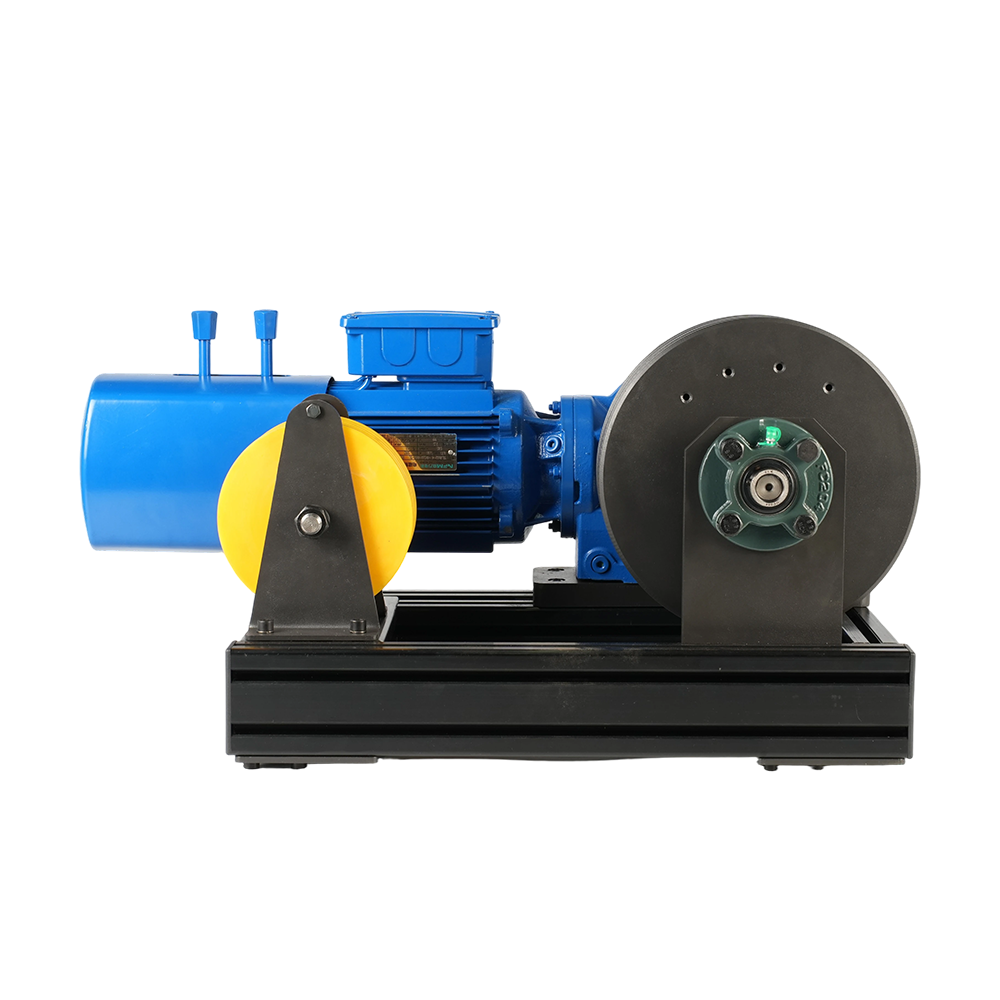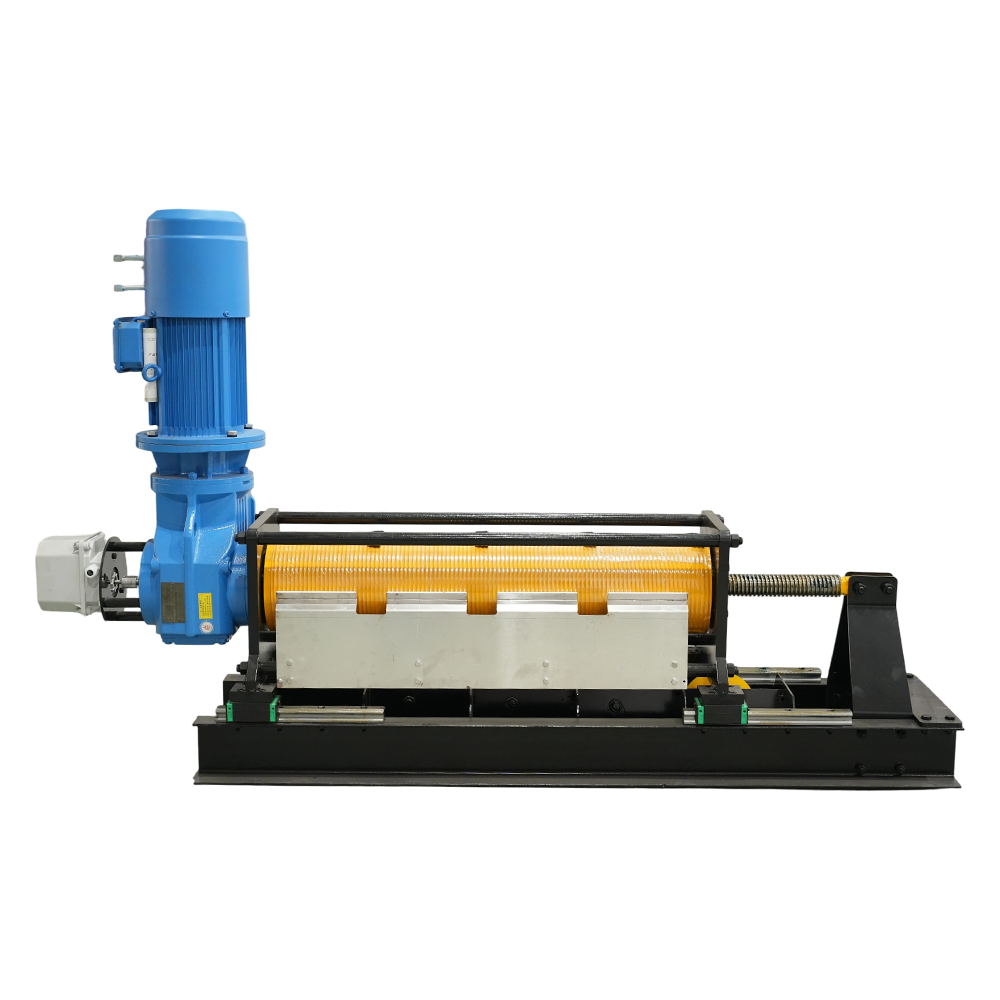
As theaters, performing arts centers, television studios, concert halls, convention centers, and large entertainment venues continue to embrace intelligent and automated technologies, stage machinery systems are facing increasingly demanding performance requirements. Modern stages are expected to accomplish far more than simple lifting operations. They must deliver precise positioning, synchronized motion, reliable safety, and complex stage effects. At the heart of these capabilities is the Stage Winch, the primary driving component responsible for lifting, lowering, suspending, and positioning various stage equipment, making it an indispensable part of any Stage Lifting System.
Whether lifting stage curtains, lighting battens, audio equipment, LED screens, scenery, or special effects devices, the Stage Winch provides the stable and accurate driving force required for safe and efficient operation. With the rapid advancement of digital control technologies, today's Stage Winch has evolved beyond a mechanical lifting device into an intelligent actuator within a modern Stage Automation System.
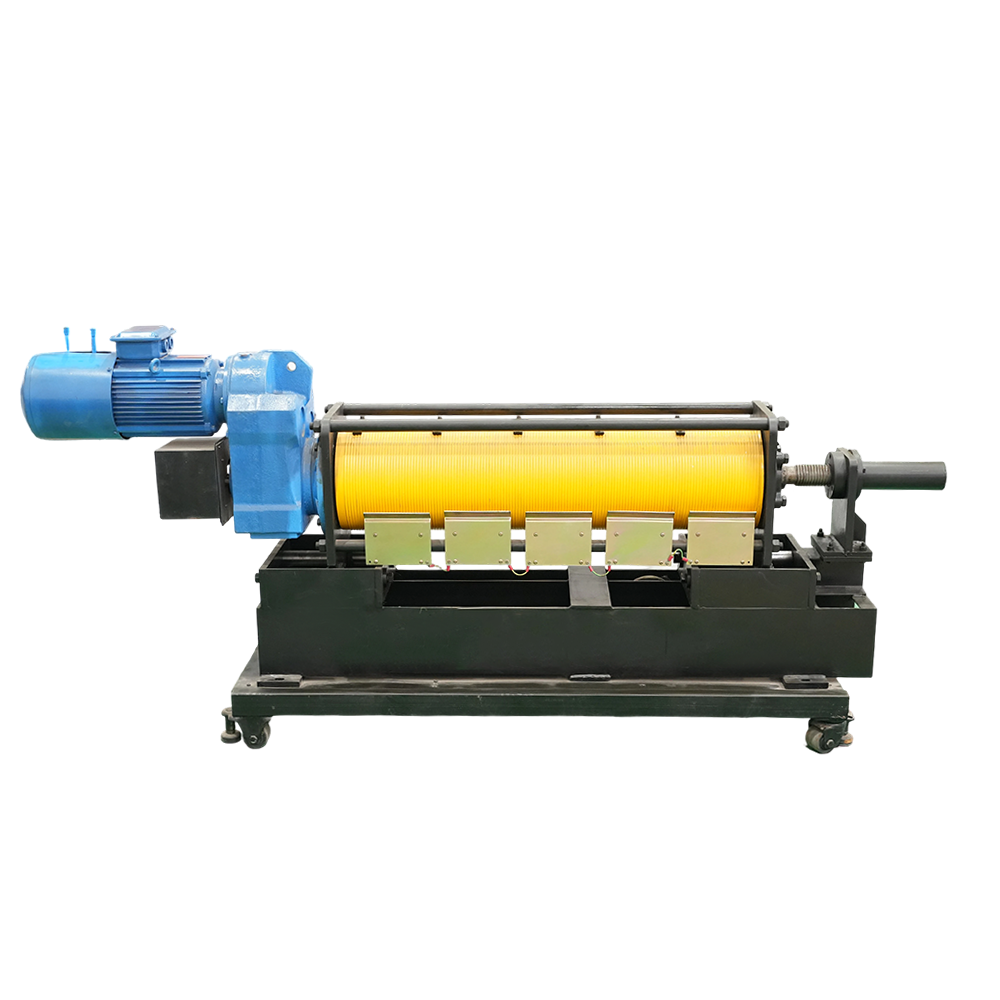
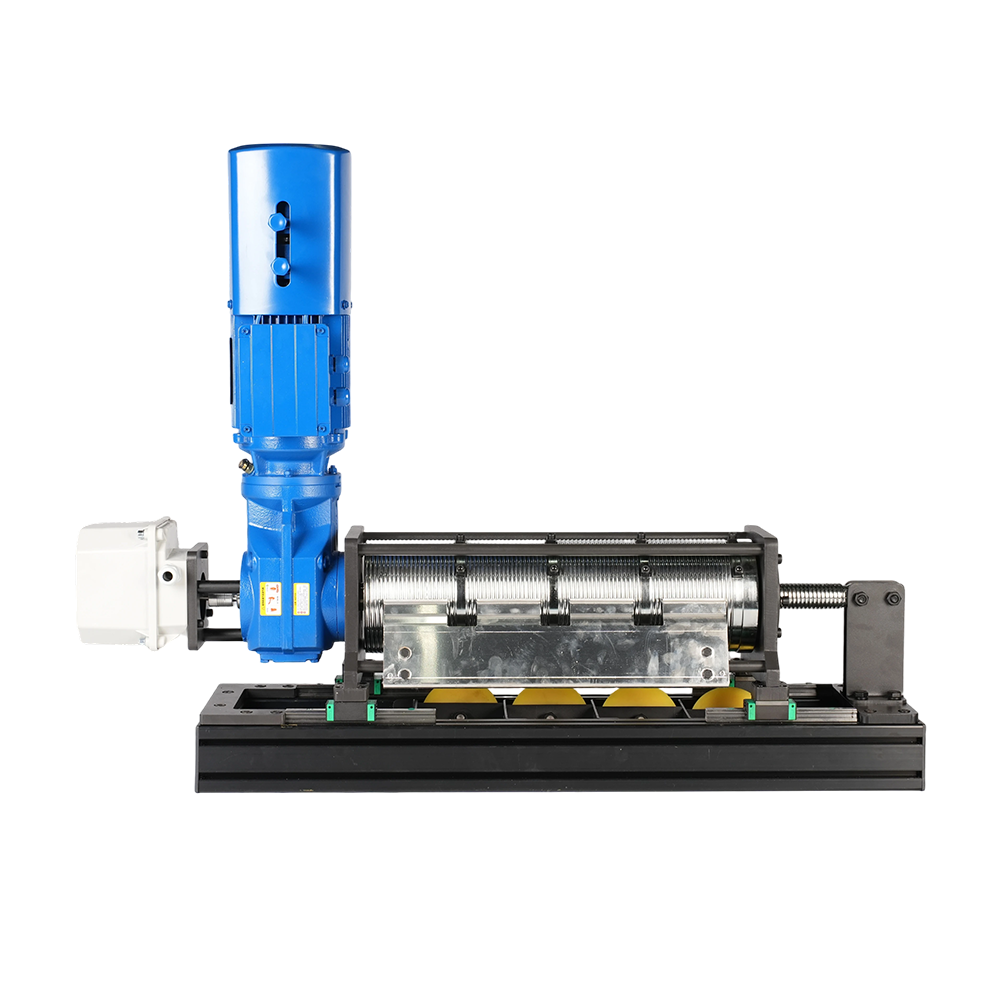
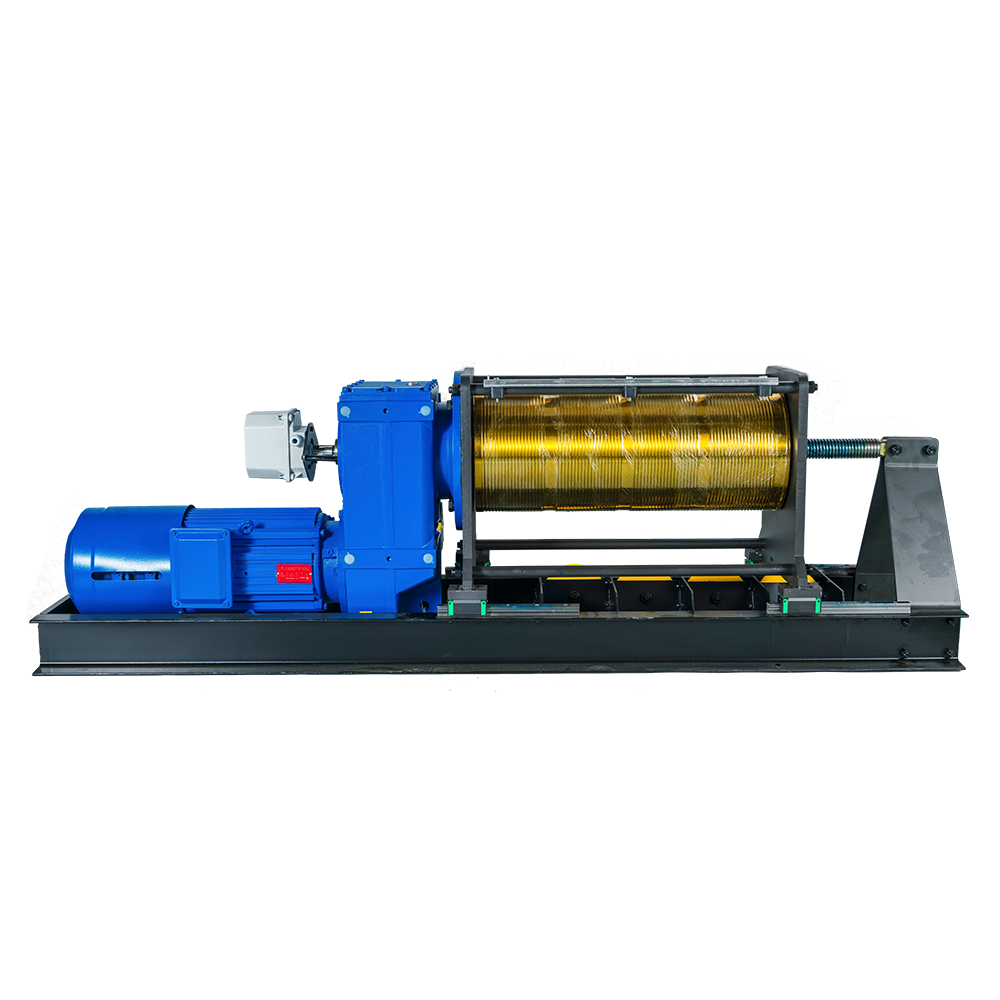
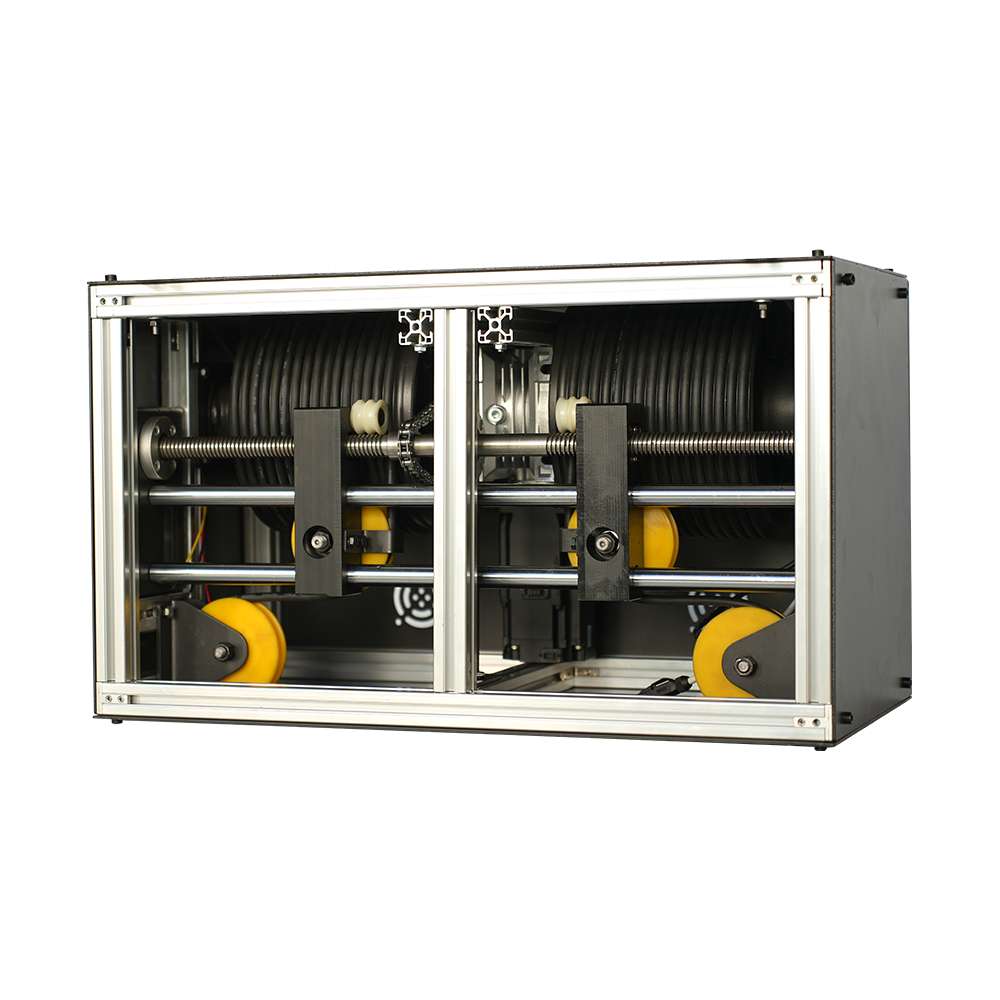
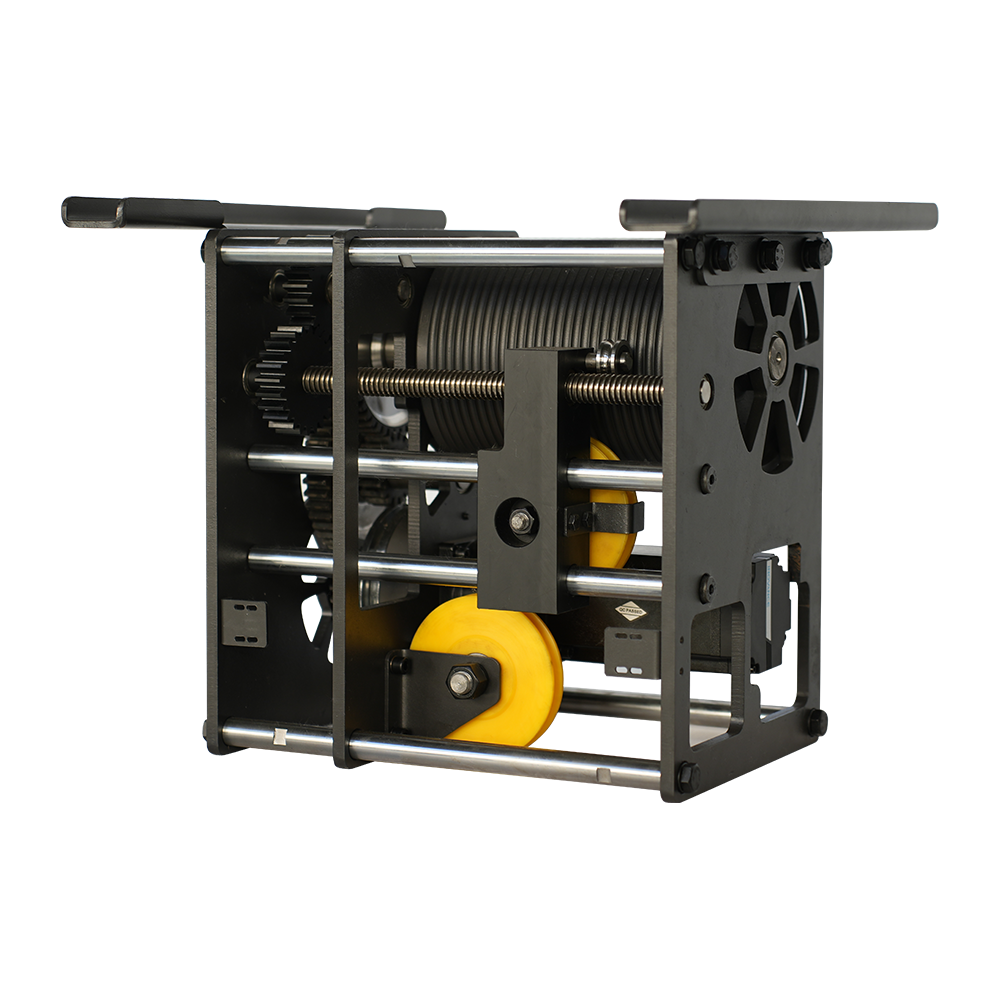
A Stage Winch is a lifting device specifically designed for stage machinery applications. It operates by winding and unwinding a steel wire rope around a drum to raise, lower, suspend, and position a wide range of stage equipment. It is widely used in theaters, opera houses, TV studios, multipurpose auditoriums, and large entertainment venues.
Unlike conventional industrial winches, a Stage Winch places greater emphasis on smooth operation, positioning accuracy, safety, and low-noise performance to satisfy the demanding requirements of live performances. During large-scale productions, multiple Stage Winches often operate simultaneously and must remain perfectly synchronized to execute programmed stage movements safely and accurately.
A complete Stage Winch generally consists of an electric motor, gearbox, drum, steel wire rope, braking system, limit switches, and a control system. These components work together to ensure reliable long-term performance.
| Component | Primary Function |
| Electric Motor | Provides the driving power |
| Gear Reducer | Adjusts output torque and operating speed |
| Drum | Winds and unwinds the steel wire rope |
| Steel Wire Rope | Supports and lifts stage equipment |
| Braking System | Ensures safe stopping during operation |
| Limit Switches | Prevent over-travel and overrun |
| Control System | Manages speed, direction, and positioning |
Although the basic operating principle of a Stage Winch is relatively straightforward, its control logic is highly sophisticated in order to meet the demanding safety and precision requirements of modern stage machinery.
When the system starts, the electric motor generates rotational power, which is transmitted through a gearbox to produce the appropriate torque and speed. The drum then winds or unwinds the steel wire rope, allowing stage equipment to be raised or lowered smoothly.
Throughout operation, the control system continuously monitors the equipment's position, speed, load, and operating status. As the load approaches its preset position, the system automatically slows down to ensure a smooth and accurate stop while minimizing vibration and mechanical impact.
At the same time, multiple safety mechanisms remain active. Overload protection prevents excessive loads, limit switches stop travel beyond preset positions, and the braking system responds immediately during emergencies to ensure operational safety.
These advanced control technologies enable the Stage Winch to achieve the high level of precision and reliability required by modern stage applications.
To accommodate different performance environments and stage machinery requirements, several types of Stage Winches have been developed.
The Electric Stage Winch is currently the most widely used solution. It offers high efficiency, quiet operation, excellent positioning accuracy, and seamless compatibility with automated control systems, making it ideal for modern theaters and performing arts venues.
Fixed Stage Winches are commonly installed in permanent positions above the stage and are primarily used for lifting fixed equipment. Variable-speed Stage Winches allow operators to adjust lifting speed according to performance requirements, ensuring smooth acceleration and deceleration.
Intelligent Stage Winches have become increasingly popular in recent years. These systems often support PLC control, network communication, remote monitoring, and automated scene programming, enabling higher levels of stage automation.
No modern Stage Lifting System can operate effectively without a reliable Stage Winch.
Stage lifting systems perform numerous complex tasks, including raising lighting battens, moving scenery, operating curtains, lifting LED displays, and supporting flying systems for performers. These applications require not only sufficient lifting capacity but also exceptional positioning accuracy and synchronized motion.
The Stage Winch serves as the primary actuator responsible for executing these movements. Through high-precision drive control, multiple winches can start, stop, and travel simultaneously while maintaining consistent speed, allowing complex stage effects to be performed safely.
In addition to improving operational efficiency, Stage Winches significantly reduce manual labor and minimize the risk of human error, contributing to a safer performance environment.
Today, the Stage Winch has become an essential component of modern Theater Stage Equipment.
In professional theaters, Stage Winches operate lighting battens, scenery battens, fire curtains, and decorative stage elements. During concerts, they lift large LED displays, sound systems, and special effects equipment. Television studios rely on Stage Winches for rapid scene changes, while convention centers and multipurpose auditoriums use them to automate various stage functions.
As stage designs become increasingly sophisticated, a single large theater may employ dozens or even hundreds of Stage Winches operating together within an integrated stage machinery network.
The Stage Rigging System provides the structural framework that supports stage equipment, while the Stage Winch supplies the driving force. Together, they form the foundation of modern stage machinery.
The rigging system is responsible for suspension, load distribution, and structural safety, whereas the Stage Winch performs the lifting and lowering actions according to control commands. Only through close coordination can the entire system achieve safe and efficient operation.
For example, during large-scale productions, multiple suspension points must move in perfect synchronization. Even a slight speed difference between individual Stage Winches may cause equipment to tilt or compromise safety. High-performance control systems continuously monitor every winch and automatically correct synchronization errors.
Compared with traditional lifting solutions, the Electric Stage Winch offers numerous performance advantages.
Electric drive systems deliver stable power output while maintaining relatively low operating noise, making them well suited for theaters and concert halls where quiet performance is essential.
Variable frequency drive technology enables smooth acceleration and deceleration, significantly reducing mechanical impact and extending equipment service life.
Furthermore, Electric Stage Winches integrate seamlessly with automated control systems, allowing centralized management, remote operation, and automated performance execution.
| Comparison Item | Electric Stage Winch Performance |
| Positioning Accuracy | High |
| Control Method | Automated and intelligent |
| Operating Noise | Low |
| Energy Efficiency | Excellent |
| Maintenance Cost | Relatively low |
| Automation Compatibility | Outstanding |
As intelligent stage technology continues to advance, the Stage Automation System has become an essential feature of modern theaters, with the Stage Winch serving as one of its most important actuators.
Modern automation platforms allow operators to pre-program complete performance sequences. Once activated, every Stage Winch executes synchronized movements according to predefined commands, enabling coordinated operation of lighting, scenery, curtains, and other stage equipment.
The automation system also continuously collects operating data, monitoring speed, position, load, and equipment status. If abnormal conditions are detected, alarms or protective actions can be triggered immediately, further enhancing operational safety and system reliability.
Selecting the appropriate Stage Winch requires careful evaluation of the project's operational requirements.
The rated lifting capacity should match the weight of the stage equipment, while lifting height and operating speed should correspond to the venue's design. Projects involving frequent operation should also consider duty cycle ratings to ensure long-term reliability.
Control accuracy, safety features, and compatibility with automation systems are equally important. For modern intelligent theaters, Stage Winches that support PLC control, variable frequency drives, and network communication generally provide greater flexibility and future scalability.
| Selection Factor | Consideration |
| Rated Load | Matches equipment weight requirements |
| Lifting Height | Fits the available stage space |
| Lifting Speed | Meets performance requirements |
| Control Method | Supports intelligent automation |
| Safety Features | Includes brakes, limit switches, and overload protection |
| Maintenance | Easy servicing and reliable operation |
Routine maintenance is essential for ensuring the long-term reliability of a Stage Winch.
Regular inspections should focus on the condition of the steel wire rope, checking for wear, broken strands, or deformation. Operators should also verify smooth drum rotation and proper brake performance while maintaining adequate lubrication to reduce component wear.
Electrical systems require periodic inspection as well, including the motor, limit switches, encoders, and electrical connections. Preventive maintenance helps extend equipment lifespan while reducing the likelihood of unexpected failures.
Future Stage Winches will continue to evolve toward greater intelligence, precision, and digital integration. As technologies such as the Internet of Things, big data, and intelligent control become increasingly common, Stage Winches will offer enhanced data collection, remote diagnostics, and predictive maintenance capabilities.
Meanwhile, more efficient drive technologies and energy-saving designs will continue to improve performance while reducing operating costs. Rather than functioning solely as lifting equipment, future Stage Winches will become intelligent components within comprehensive smart stage ecosystems, providing safer, more precise, and more efficient motion control for modern performance venues.
As the core driving component of modern stage machinery, the Stage Winch not only determines lifting performance but also directly influences the efficiency, precision, and safety of the entire Stage Lifting System, Stage Rigging System, Theater Stage Equipment, and Stage Automation System. As the entertainment industry continues to adopt intelligent and digital technologies, high-performance Electric Stage Winches featuring precise control, reliable operation, and seamless automation integration will play an increasingly important role in delivering safe, efficient, and highly adaptable stage solutions for theaters and performance venues worldwide.
We specialize in delivering advanced stage machinery, rigging systems and intelligent control solutions for performance spaces worldwide.

No. 111 Runfeng Road, Hailing District, Taizhou City, Jiangsu Province, China

rtstage@163.com

+86-139 1771 1698

+86-139 1771 1698
rtstage@163.com
 中文简体
中文简体
 English
 русский
 Français
 Español
 عربى
عربى