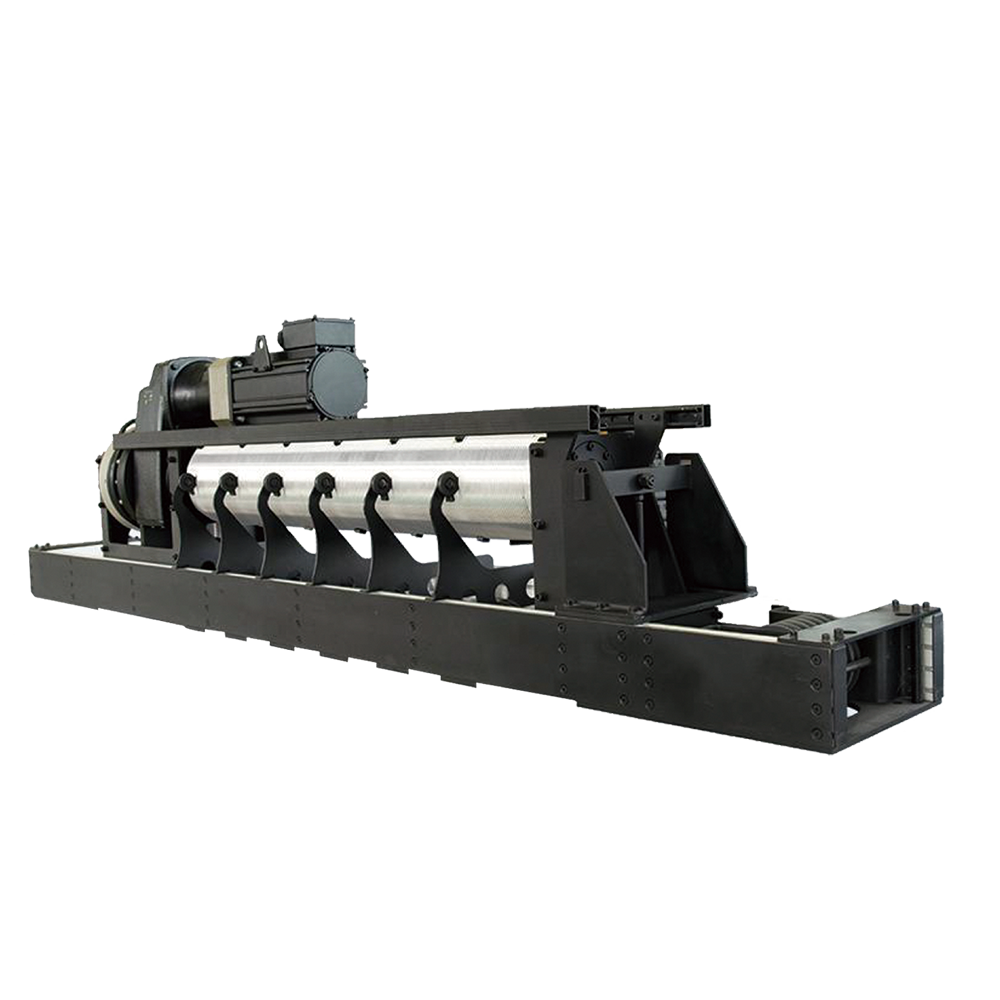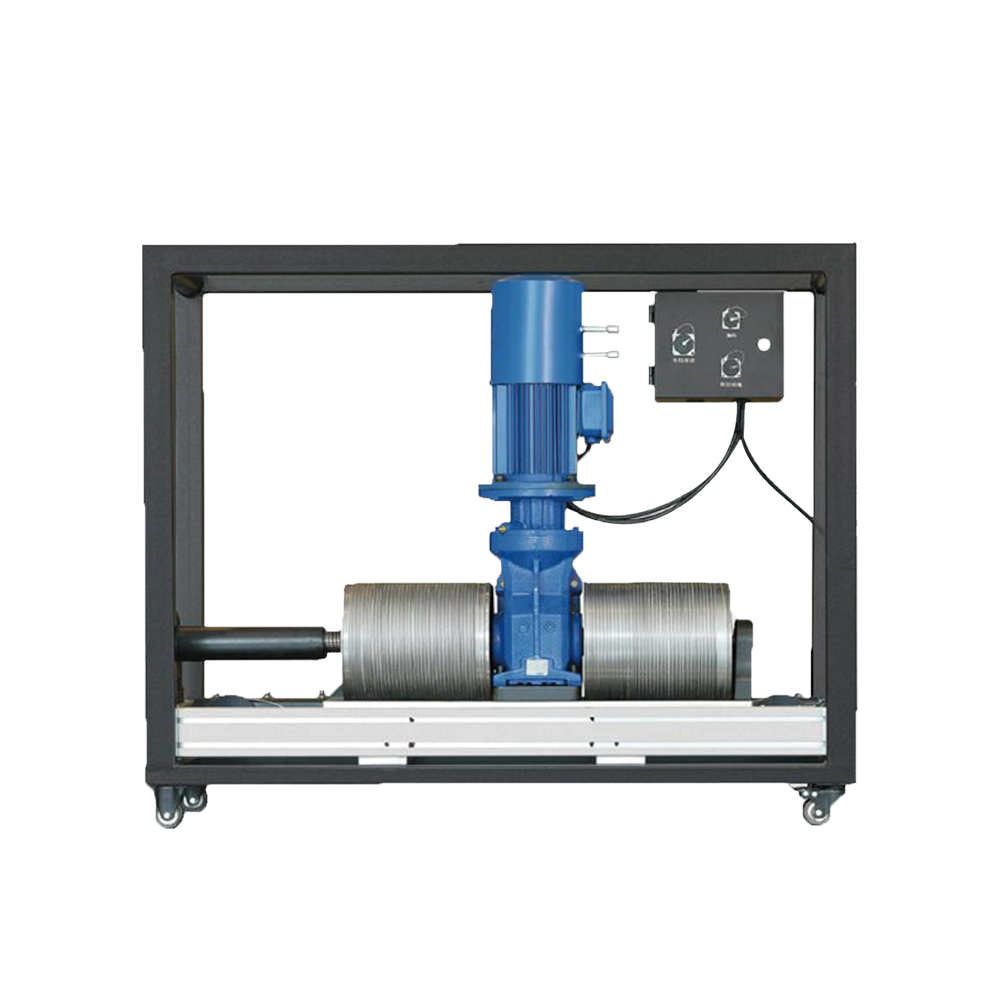
The evolution of stage machinery has demanded increasingly sophisticated solutions for moving scenery, lighting, and performers with precision and safety. Among the most significant developments in this field is the Zero Fleet Winch, a technology that addresses a fundamental challenge in wire rope handling: the fleet angle problem. This article explores the engineering principles, performance characteristics, and practical applications of zero fleet winch technology for industry professionals seeking reliable hoisting solutions.
Conventional drum winches have historically faced a persistent mechanical limitation. When wire rope spools onto a drum, the angle at which it approaches the drum flange changes as the rope winds from one side to the other. This deviation from perpendicular, known as the fleet angle, typically ranges from 0.5 to 1.5 degrees in standard configurations. While this may appear insignificant, the effects accumulate rapidly in demanding stage applications.
The fleet angle causes the wire rope to scrub against adjacent wraps and the drum flange with each rotation. Over time, this produces accelerated wear on both the rope and the drum surface. The rope may experience "birdcaging" where individual strands separate, or develop flat spots that compromise load capacity. In severe cases, the rope can climb over the drum flange, creating a catastrophic tangling condition known as "jumping the drum."
For stage environments where equipment operates in full view of audiences, these mechanical issues create additional concerns beyond safety. Noisy operation, irregular spooling patterns, and visible rope misalignment can detract from production quality. Maintenance intervals shorten dramatically, and replacement costs for wire rope increase substantially.
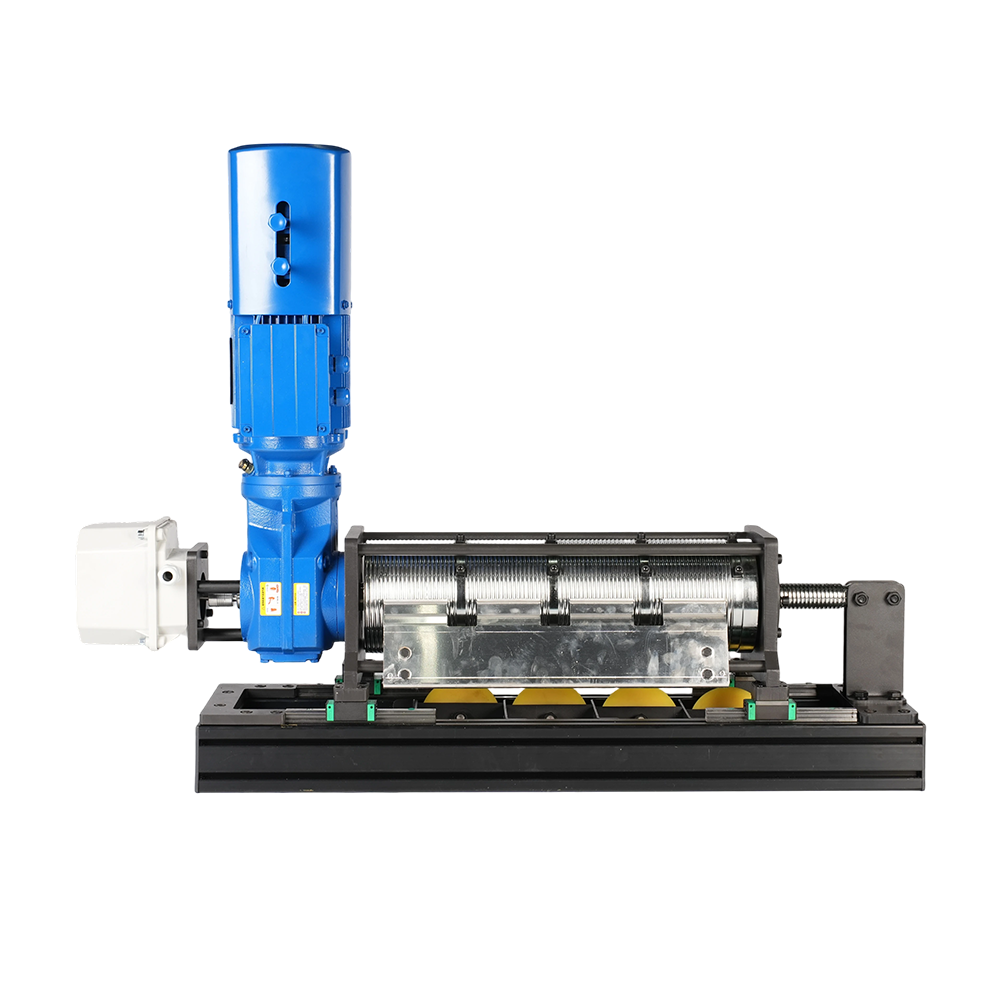
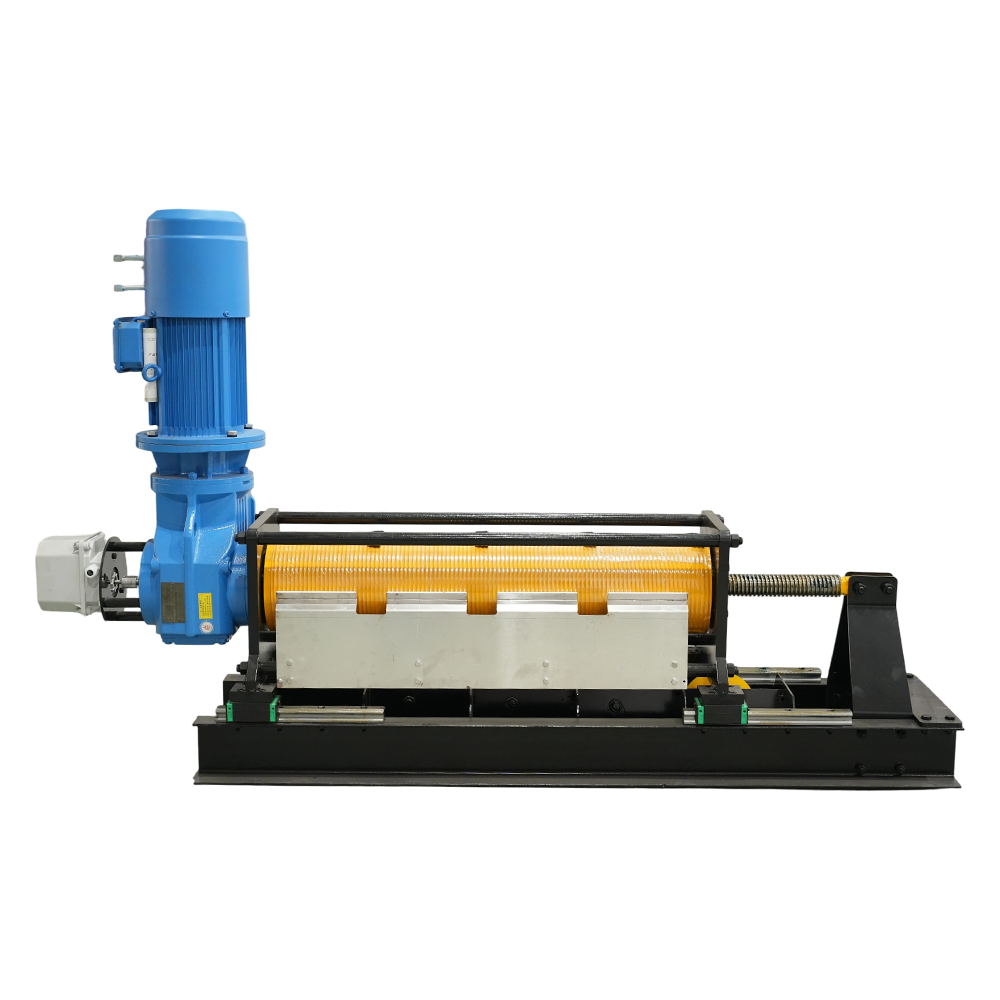
A Zero Fleet Winch eliminates this problem through a fundamentally different approach to wire rope guidance. Rather than allowing the rope angle to change as the drum rotates, the zero fleet mechanism maintains a constant perpendicular relationship between the rope and the drum axis. This is achieved through a synchronized sheave assembly that moves in precise coordination with the winding rope.
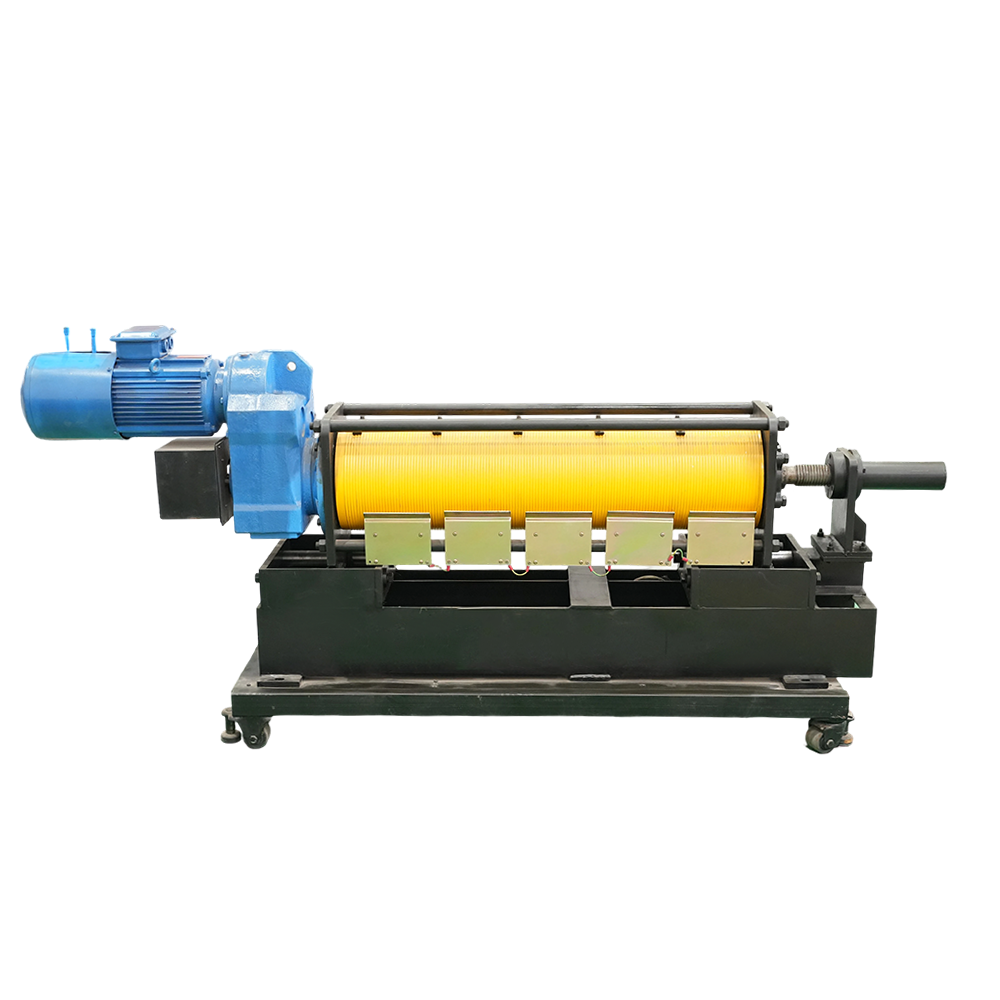
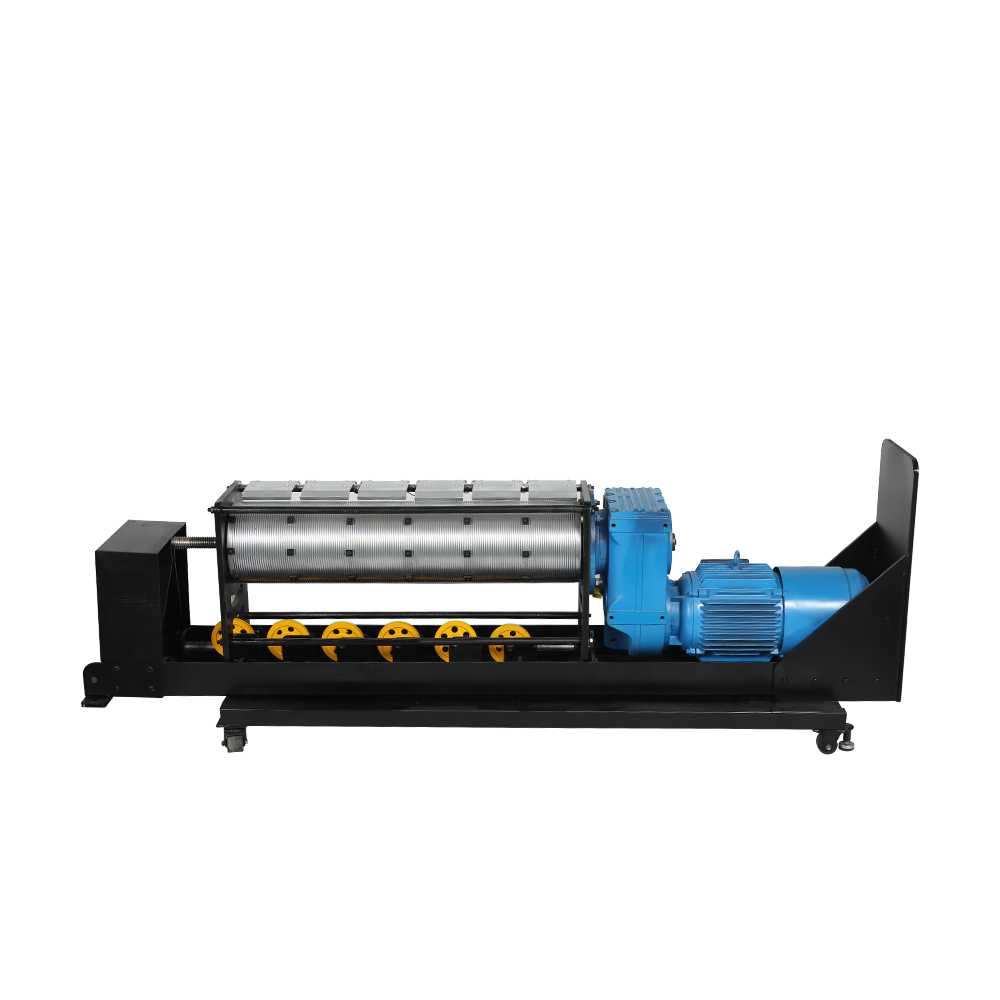
The core operating principle involves a traversing sheave block that travels along the drum axis at the same speed and direction as the rope winds. The lead screw that moves the sheaves is timed to the pitch of the spiral grooves on the drum. This ensures the rope always enters the drum groove at the correct location, regardless of how much rope is wound or unwound. The result is a consistently orthogonal entry angle that eliminates fleet angle effects entirely.
This design represents a departure from traditional approaches that attempt to minimize fleet angle through drum geometry adjustments or guide rollers. Those methods reduce the problem but cannot eliminate it completely. The zero fleet approach addresses the root cause rather than managing the symptoms, providing a true engineering solution to a long-standing mechanical challenge.
Zero Fleet Winch systems exhibit several measurable performance advantages that make them suitable for demanding stage applications. The elimination of fleet angle directly translates to reduced rope wear, with operators reporting significantly extended wire rope service life compared to conventional designs. The consistent rope orientation also produces smoother operation with less vibration and reduced noise levels.
Load capacity and speed capabilities vary by configuration but generally accommodate the full range of stage hoisting requirements. Standard zero fleet winches can achieve line speeds up to 7.5 feet per second while handling line pulls ranging from several hundred pounds to over 1200 pounds in point hoist arrangements. The compact tubular enclosure design allows multiple units to be mounted side by side without interference, enabling complex multi-point hoisting systems in limited space.
The zero fleet mechanism contributes to operational reliability in several ways. By eliminating rope abrasion against drum flanges, the system maintains consistent load distribution across the rope cross-section. This reduces the risk of localized fatigue and extends the safe working life of the lifting medium. The synchronized sheave action also prevents rope overlap and ensures even spooling, which is essential for applications requiring precise positioning.
Zero fleet winch systems are available in various configurations to suit different stage applications. The following table provides representative technical specifications for typical zero fleet winch models.
| Parameter | Zero Fleet Standard | Zero Fleet Compact |
|---|---|---|
| Max Line Speed | 7.5 ft/s | 6.75 ft/s |
| Max Line Pull | 1247 lbs (point hoist) | 209 lbs |
| Dimensions | 22" L x 10.25" W x 46" H | 48" L x 6.375" W x 12" D |
| Weight | 350 lbs | 150 lbs |
| Drum Type | Large diameter grooved | Standard diameter grooved |
| Brake System | Dual (primary + auxiliary) | Dual (primary + auxiliary) |
| Enclosure Type | Tubular aluminum | Tubular aluminum |
Understanding the differences between zero fleet technology and conventional winch systems helps professionals make informed equipment decisions. The following comparison highlights the key distinctions.
| Feature | Zero Fleet Winch | Conventional Winch |
|---|---|---|
| Rope Entry Angle | Constant 90 degrees | Varies with spool position |
| Rope Wear Rate | Significantly reduced | Accelerated by fleet angle |
| Noise Level | Lower (smooth spooling) | Higher (rope scrubbing) |
| Spooling Reliability | Consistent, even layers | Potential for uneven layers |
| Maintenance Frequency | Extended intervals | More frequent rope replacement |
| Space Efficiency | Compact tubular design | Varies by manufacturer |
| Safety Margin | Enhanced by consistent operation | Dependent on maintenance |
Zero fleet winch technology serves diverse applications across the performance venue industry. The versatility of the design makes it suitable for both permanent installations and touring productions.
Point hoist applications represent one of the most common uses for zero fleet winches. In this configuration, the winch lifts individual loads such as lighting trusses, video walls, scenic elements, and performer flying systems. The consistent zero fleet operation ensures smooth, precise movement essential for cue-intensive productions. Multiple point hoists can be coordinated through control systems to create complex synchronized movements.
Zero fleet winches drive traveler tracks that move scenery horizontally across the stage. The winch can pull items along straight or curved tracks, with one cable part paying out while the other winds in. This bi-directional capability allows for controlled positioning of stage elements, soft goods, and masking curtains. The horizontal orientation of some zero fleet configurations suits under-stage or side-stage installation.
In counterweight-assist line set applications, zero fleet winches provide motorized operation for traditional counterweight systems. This hybrid approach combines the speed and efficiency of mechanical counterweight with the precision of motorized control. Both cables can be wound or unwound simultaneously, making the system suitable for applications requiring coordinated movement of multiple lines.
Dead-haul applications involve moving heavy scenic units or soft goods across the stage floor. In this configuration, the winch applies direct pulling force without counterweight assistance. Zero fleet winches provide smooth, controlled pulling action that is essential for moving large set pieces or operating deck track systems.
Stage deck tracks incorporate zero fleet winches to drive wagons, platforms, and other mobile elements. The even spooling characteristics of zero fleet operation ensure consistent speed and positioning, which is critical for automated scenery changes and stage transformations. The compact nature of the winch design allows integration into tight under-stage spaces.
Choosing the appropriate zero fleet winch for a specific application requires careful evaluation of several factors. The following considerations help guide the selection process.
The maximum load that the winch must handle is the primary selection criterion. Point hoist applications typically require higher line pulls than traveler track or deck track applications. Understanding both the static load and dynamic loads ensures adequate capacity selection. Manufacturers provide load ratings for different configurations, and it is recommended to select a winch with a capacity that exceeds the maximum anticipated load by a reasonable safety margin.
Speed requirements vary by application. Productions with quick scene changes require faster winch speeds, while applications involving performer movement or delicate scenery handling may require slower, more controlled motion. Zero fleet winches are available with different gear ratios and motor configurations to match specific speed requirements.
The available installation space significantly influences winch selection. Venues with limited overhead clearance benefit from low-profile horizontal configurations, while fly towers with vertical space availability can accommodate taller vertical configurations. Zero fleet winches are designed with compact tubular enclosures that maximize space efficiency, but careful measurement of available installation areas remains essential.
Modern stage machinery relies on sophisticated control systems for precise positioning and synchronized movement. Zero fleet winches can be equipped with encoders, limit switches, and other feedback devices that integrate with automated control platforms. Consideration of control system requirements ensures compatibility and enables full utilization of the winch capabilities.
Stage hoisting applications demand robust safety systems. Zero fleet winches incorporate primary and auxiliary braking systems, with the secondary brake mounted directly to the drum for independent operation. Limit switches prevent over-travel, and overload detection options provide additional protection. Selection should consider the specific safety requirements of the application, particularly for overhead rigging and performer flying.
Proper installation is essential for optimal zero fleet winch performance. The following considerations apply to typical installations.
Regular maintenance extends the service life of zero fleet winches and ensures continued reliable operation.
The stage machinery industry continues to evolve with technological advancements and changing performance requirements. Several trends are shaping the future of zero fleet winch technology.
Zero fleet winch technology represents a significant advancement in stage machinery engineering, addressing the persistent fleet angle challenge that has affected conventional drum winches for decades. The synchronized sheave mechanism maintains constant perpendicular rope entry, eliminating wear, noise, and reliability issues associated with traditional designs. For stage applications requiring precise, reliable hoisting performance, zero fleet winch systems offer measurable advantages in rope life, operational smoothness, and installation flexibility.
A zero fleet winch is a stage hoisting system that eliminates the fleet angle problem found in conventional drum winches. It works through a synchronized sheave assembly that moves along the drum axis at the same speed and direction as the wire rope winds. This keeps the rope entry angle at a constant 90 degrees to the drum, preventing abrasion, uneven spooling, and premature rope wear.
Zero fleet winches offer several advantages compared to conventional winch designs. The elimination of fleet angle significantly reduces wire rope wear, extending service life and reducing replacement frequency. The consistent spooling produces smoother operation with less vibration and lower noise levels. The compact tubular enclosure design allows side-by-side mounting for multi-point systems.
Zero fleet winches serve multiple stage machinery applications including point hoist systems for lifting lighting trusses, video walls, and scenic elements. They drive traveler tracks for horizontal movement of scenery and curtains. They provide motorized operation for counterweight-assist line sets. They perform dead-haul pulling for moving heavy scenic units, and they power deck track systems for automated stage transformations.
Standard models can achieve line speeds up to 7.5 feet per second with line pulls up to 1247 pounds in point hoist configurations. Compact models offer speeds up to 6.75 feet per second with line pulls appropriate for lighter-duty applications.
Zero fleet winch systems incorporate a primary motor brake, an auxiliary safety brake mounted directly to the drum, limit switches to prevent over-travel, position feedback devices such as encoders, and overload detection options.
Zero fleet winches can be installed in horizontal or vertical orientation depending on the application. Installation requires proper foundation support, correct cable spooling direction, and careful sheave positioning. Configuration includes setting limit switch positions, calibrating position sensors, and programming control system parameters.
We specialize in delivering advanced stage machinery, rigging systems and intelligent control solutions for performance spaces worldwide.

No. 111 Runfeng Road, Hailing District, Taizhou City, Jiangsu Province, China

rtstage@163.com

+86-139 1771 1698

+86-139 1771 1698
rtstage@163.com
 中文简体
中文简体
 English
 русский
 Français
 Español
 عربى
عربى