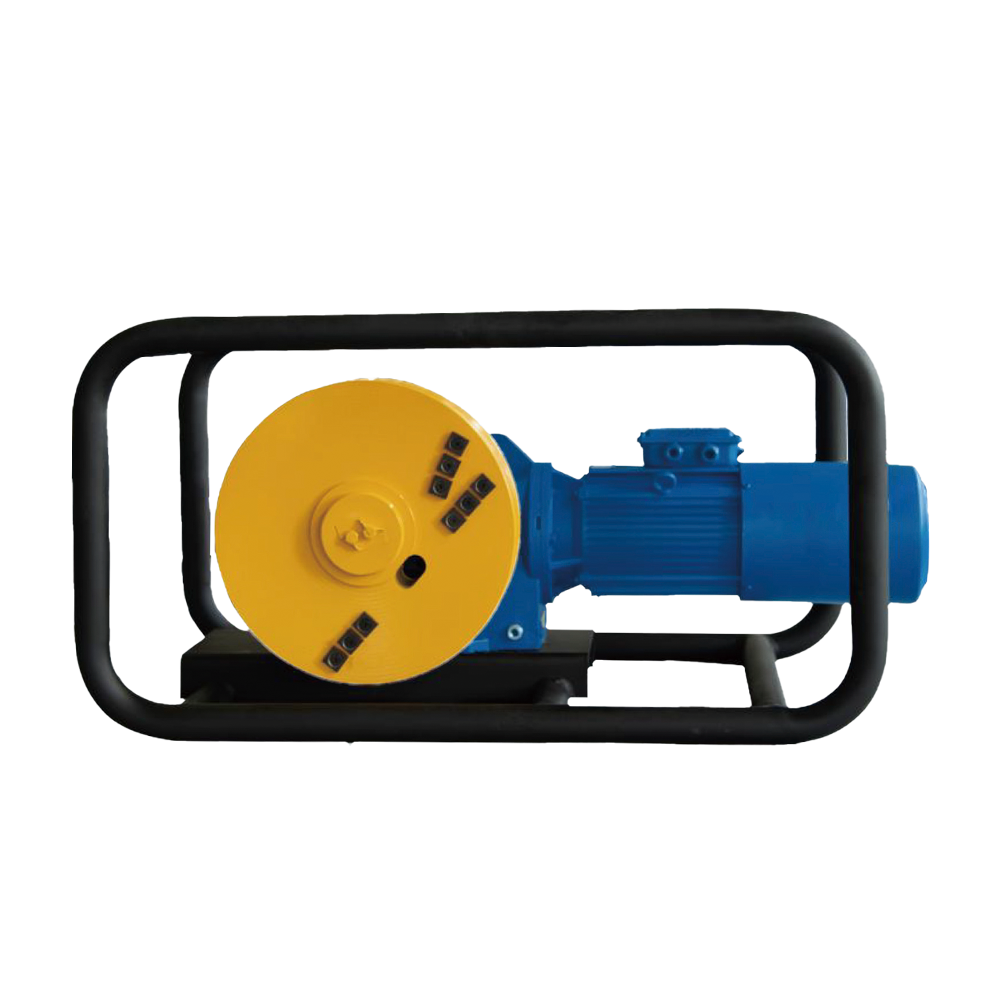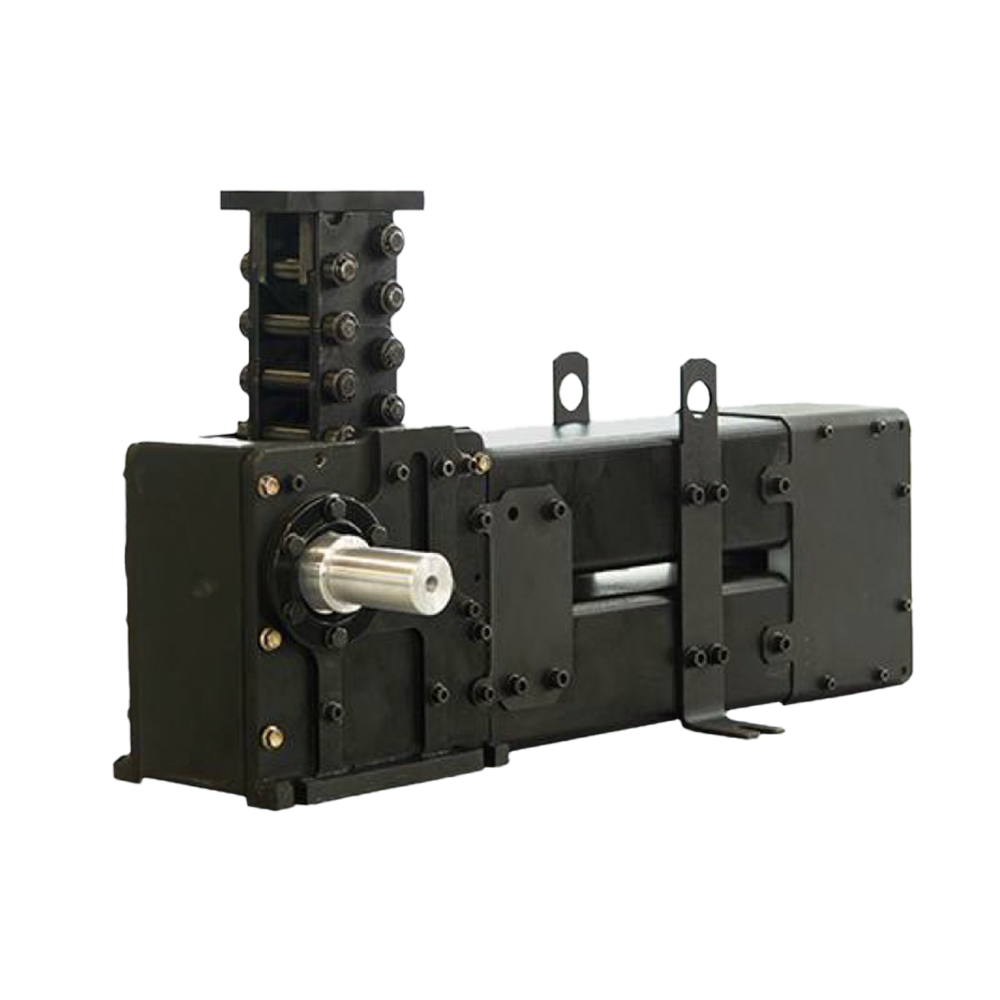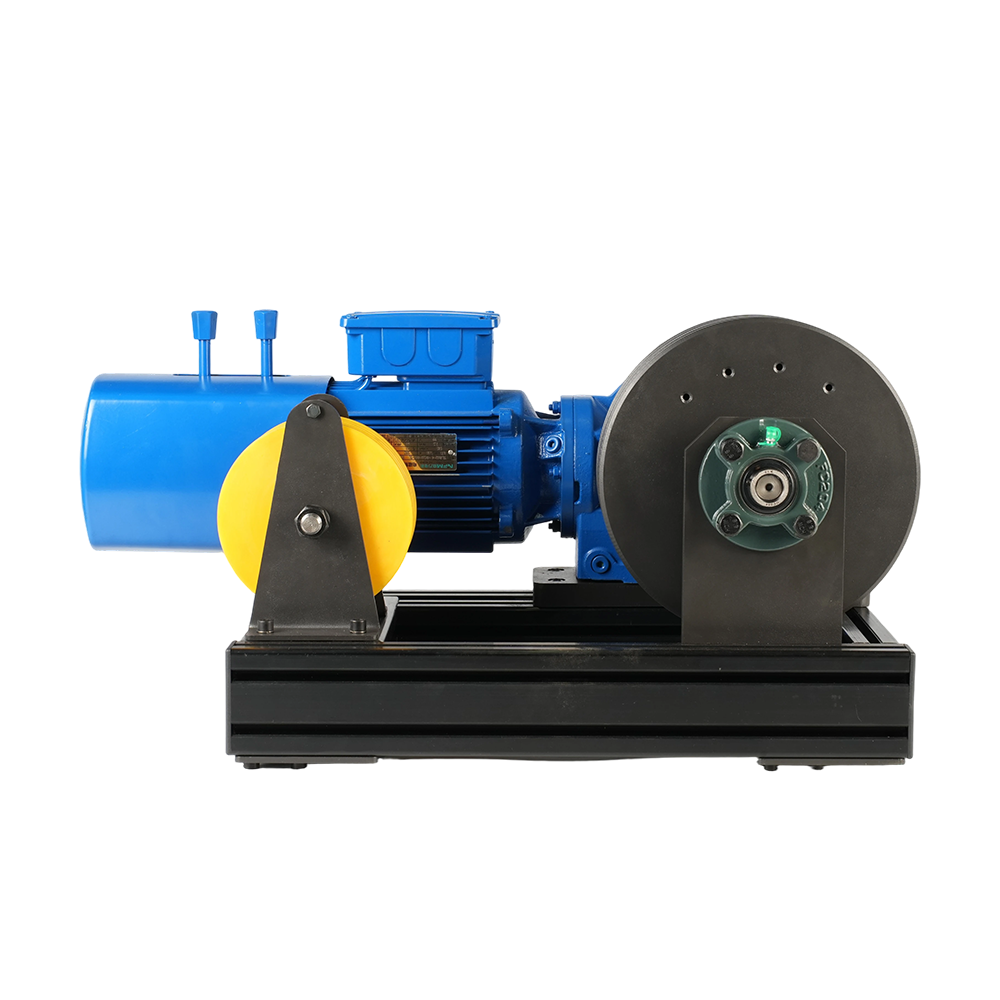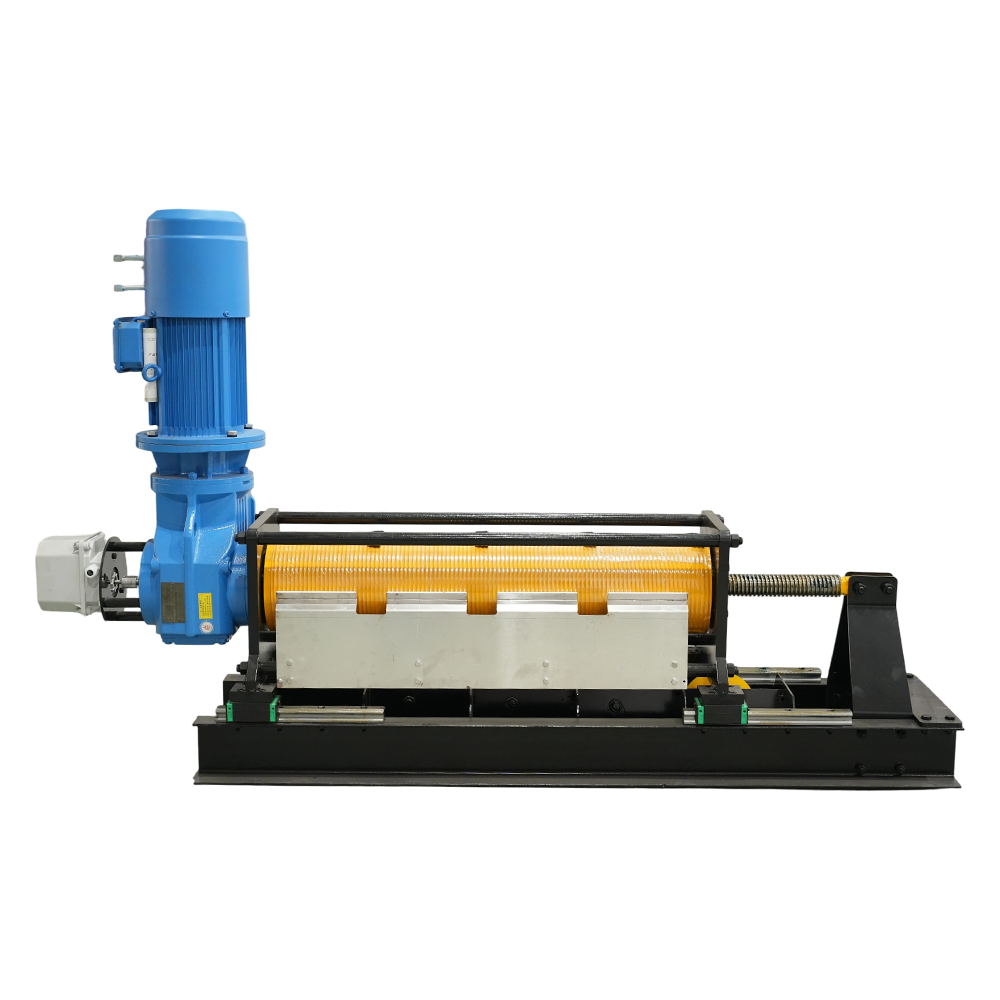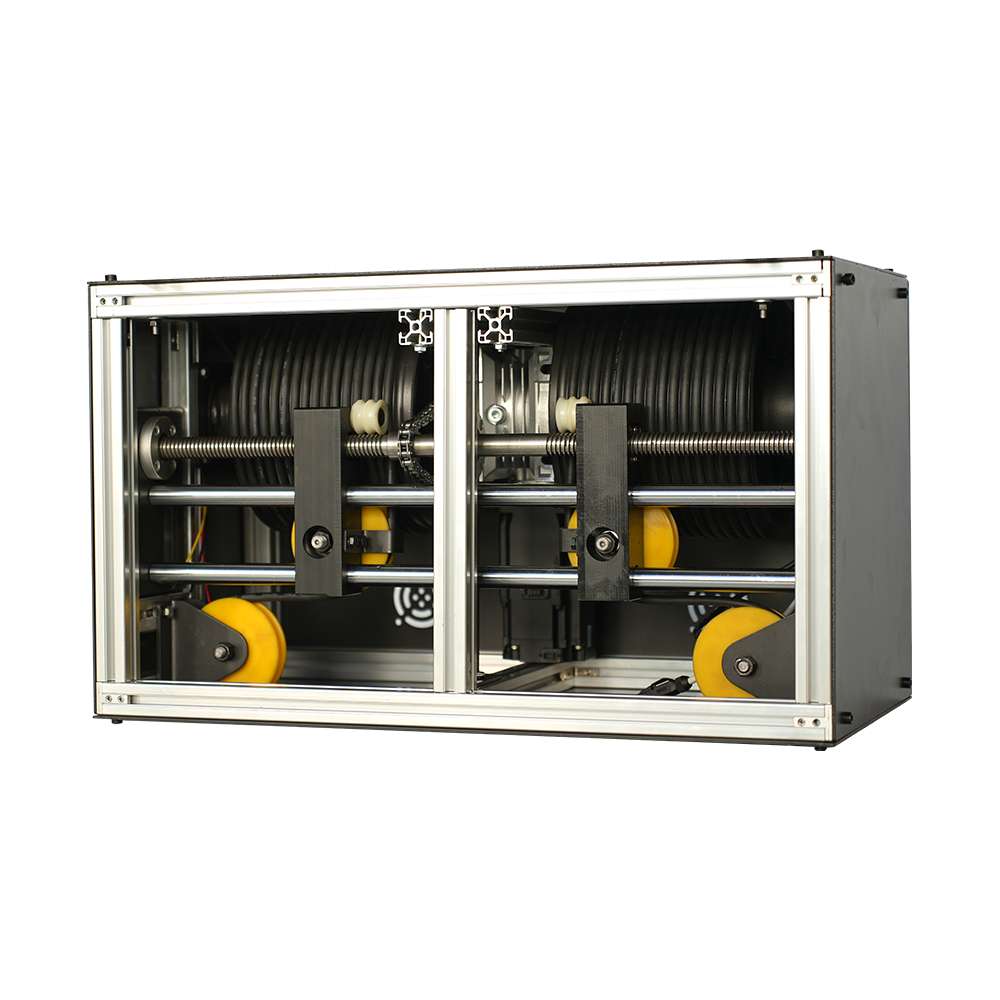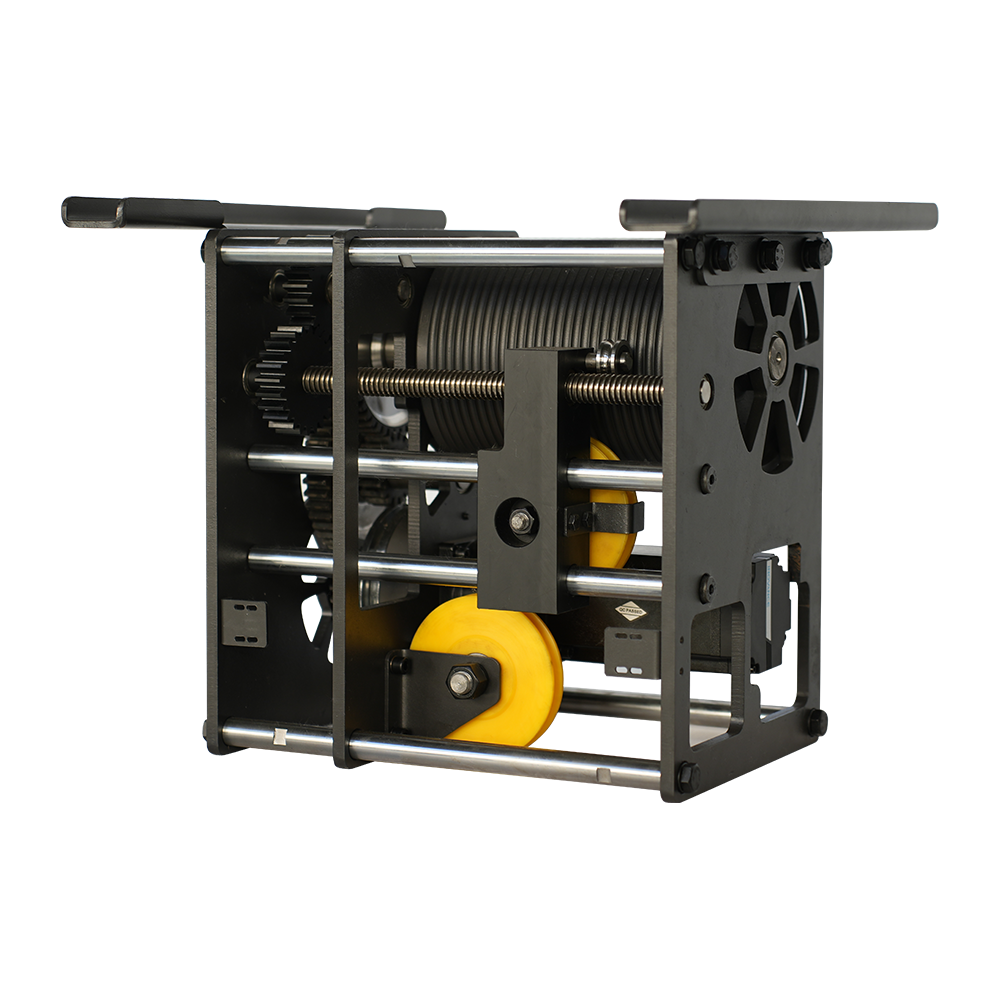
Stage rigging equipment carries more than mechanical load — it carries scenery, lighting rigs, and sometimes performers directly over an audience, which is why the difference between a general-purpose winch and a purpose-built stage winch matters far more than it might for other lifting applications. Understanding what separates stage winches, rigging winches, and hoists helps in specifying the right equipment for a production or venue.
A stage winch is a motorized lifting mechanism engineered specifically for theatrical, event, and performance environments, designed to raise and lower scenery, lighting trusses, curtains, and other overhead rigging with precise, controlled motion. Unlike general industrial winches, stage winches are built around the safety, quiet operation, and positioning accuracy that live performance environments demand — smooth acceleration and deceleration, minimal noise, and fail-safe braking are core requirements rather than optional features.
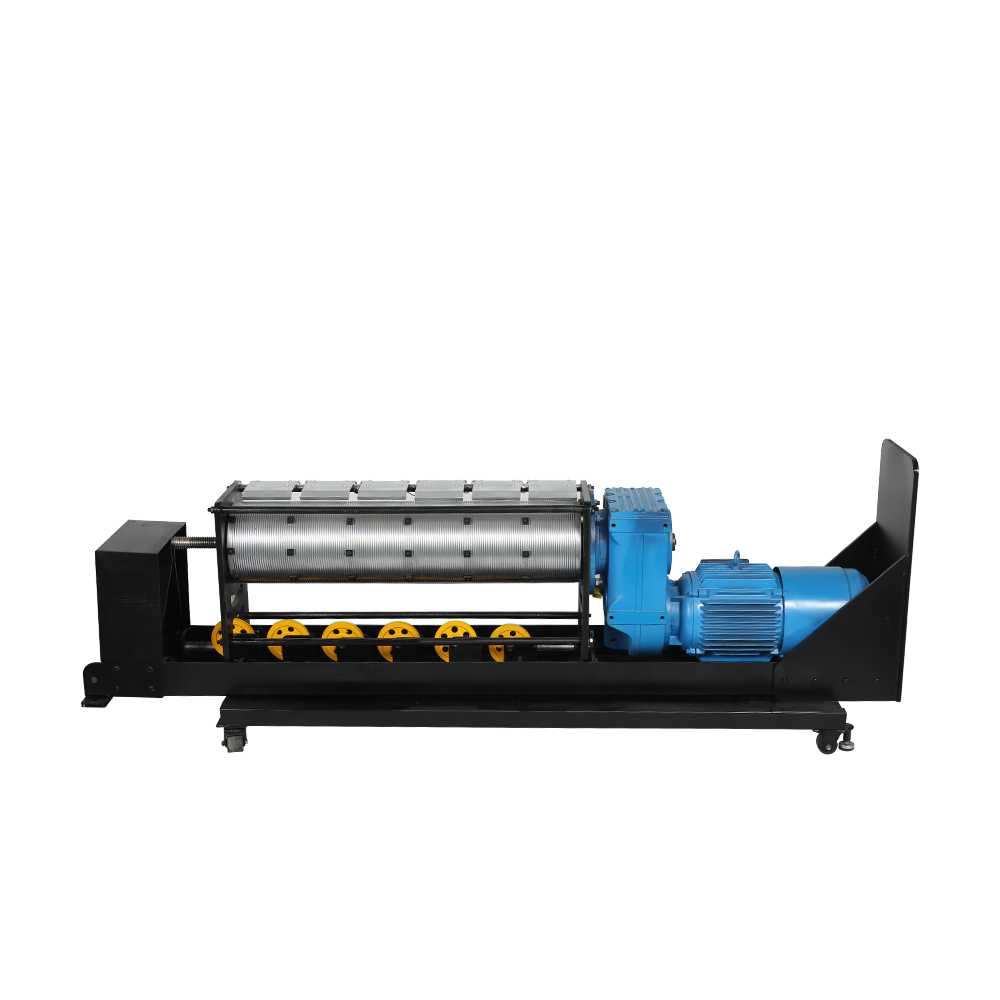
Variable frequency drives allow smooth, controlled acceleration and deceleration, critical for scenery moves that need to look intentional rather than mechanical.
Dual or backup braking mechanisms ensure the load holds position safely even in the event of a primary brake or power failure.
Load monitoring systems detect and stop operation if the rated capacity is exceeded, protecting both equipment and personnel below.
Enclosed gearing and quiet motor design keep operational noise from interfering with live performances or recordings.
Encoders and control systems allow repeatable, programmed positioning for cues that need to hit the same mark show after show.
Built to entertainment rigging standards with certified working load limits and safety factors well above the equipment's rated capacity.
A stage rigging winch is specifically engineered for overhead theatrical rigging rather than general material handling, and the differences show up in both design and certification. Rigging winches typically carry higher safety factors (often 8:1 or higher against breaking strength, compared to lower ratios common in industrial lifting equipment), since the equipment operates directly over performers and audiences. They're also built for smooth, silent, and precisely repeatable motion — qualities that matter far less in a warehouse or construction lifting application but are essential when a winch is flying scenery in and out during a live cue.
Stage hoists are the broader category of motorized lifting equipment used in theatrical and event rigging, of which stage winches are one common type. The term "hoist" typically emphasizes vertical lifting capacity and mounting configuration — often fixed overhead in a grid or truss structure — while "winch" more often refers to the drum-and-cable mechanism doing the actual lifting work. In practice, the two terms are frequently used interchangeably in the entertainment rigging industry, with the specific equipment classification depending more on load capacity, mounting method, and control system than on strict terminology.
| Term | Common Usage |
|---|---|
| Stage Winch | Emphasizes the drum-and-cable lifting mechanism, often used for scenery and truss lifting |
| Stage Hoist | Broader term covering fixed overhead lifting equipment, sometimes chain-based rather than cable-based |
| Chain Hoist | A hoist variant using a chain rather than a wire rope, common for direct point lifting |
| Rigging Winch | General term for winches specifically rated and certified for overhead entertainment rigging |
Because stage rigging equipment operates overhead in spaces occupied by performers, crew, and audiences, safety margins and redundancy are non-negotiable design requirements rather than optional upgrades. Regular inspection schedules, load testing, and adherence to a documented maintenance program are standard practice across the industry, and most professional venues require rigging equipment to be certified and periodically re-certified against applicable entertainment industry safety standards rather than relying solely on the manufacturer's original rating.
We specialize in delivering advanced stage machinery, rigging systems and intelligent control solutions for performance spaces worldwide.

No. 111 Runfeng Road, Hailing District, Taizhou City, Jiangsu Province, China

rtstage@163.com

+86-139 1771 1698

+86-139 1771 1698
rtstage@163.com
 中文简体
中文简体
 English
 русский
 Français
 Español
 عربى
عربى