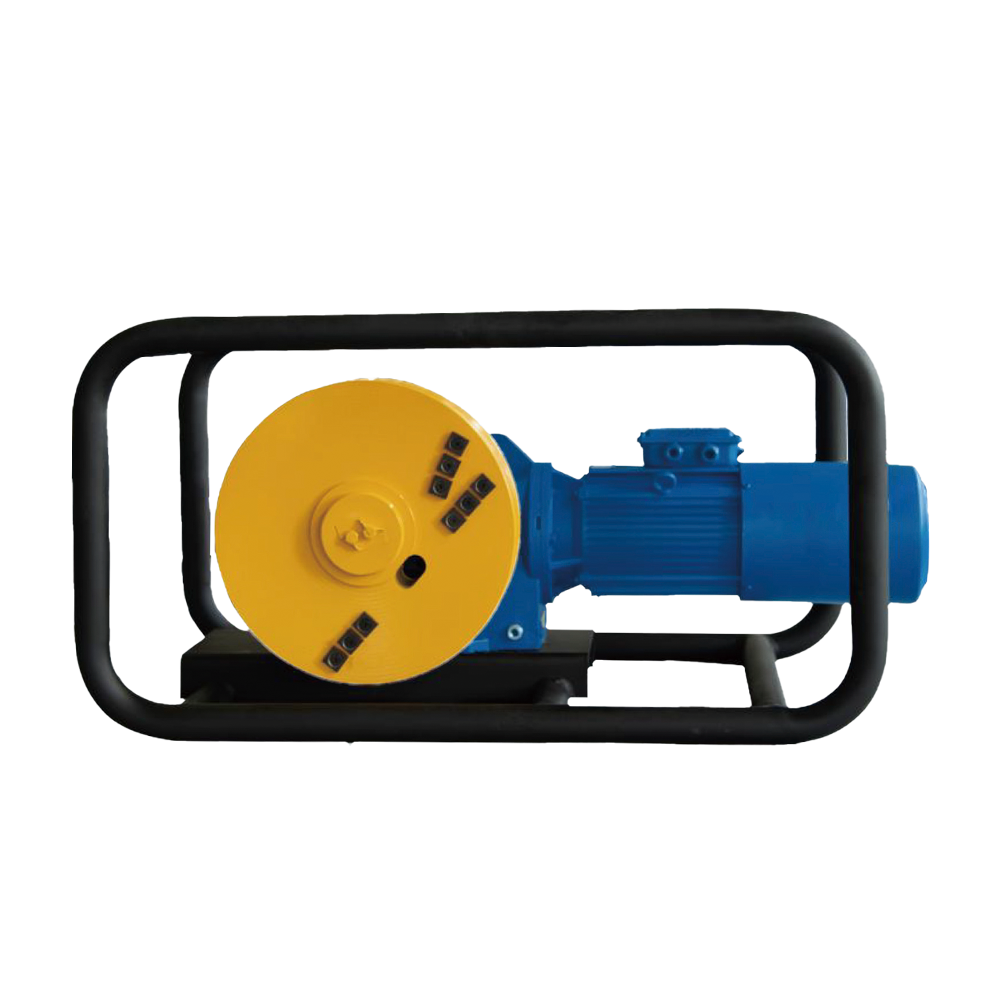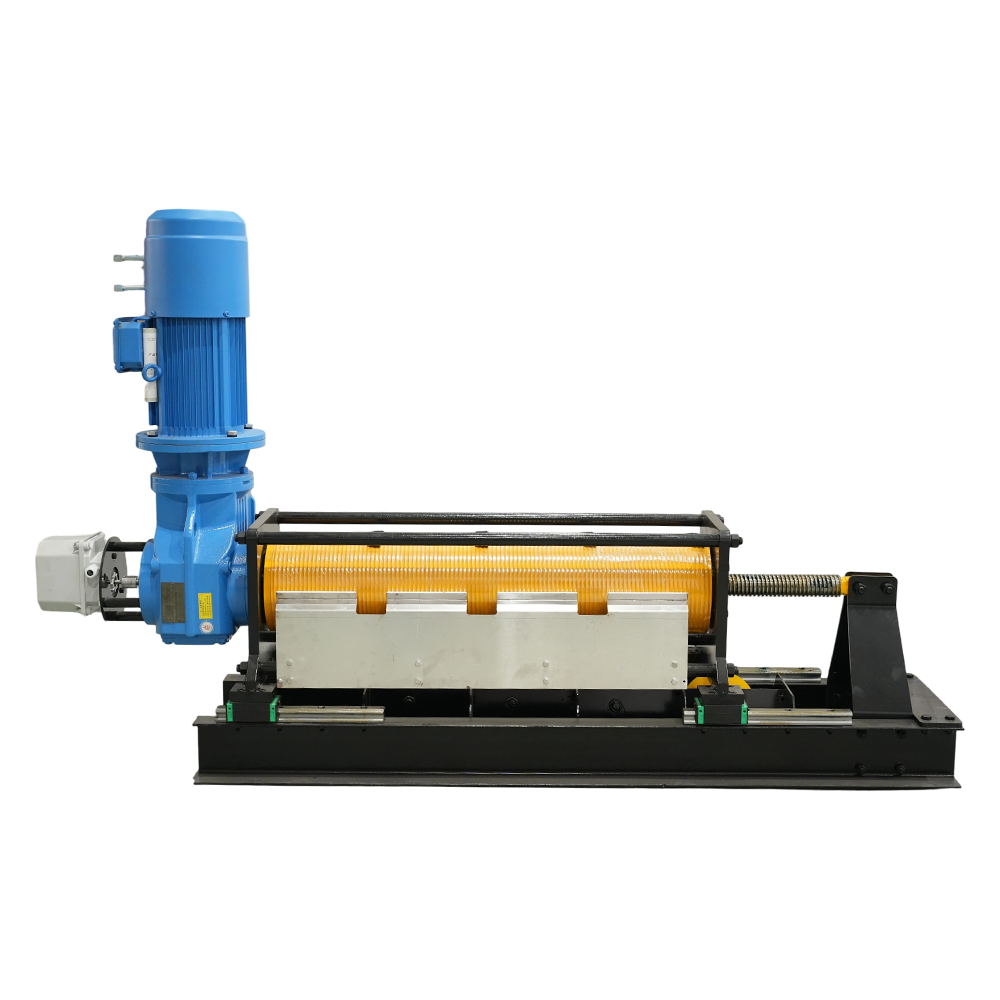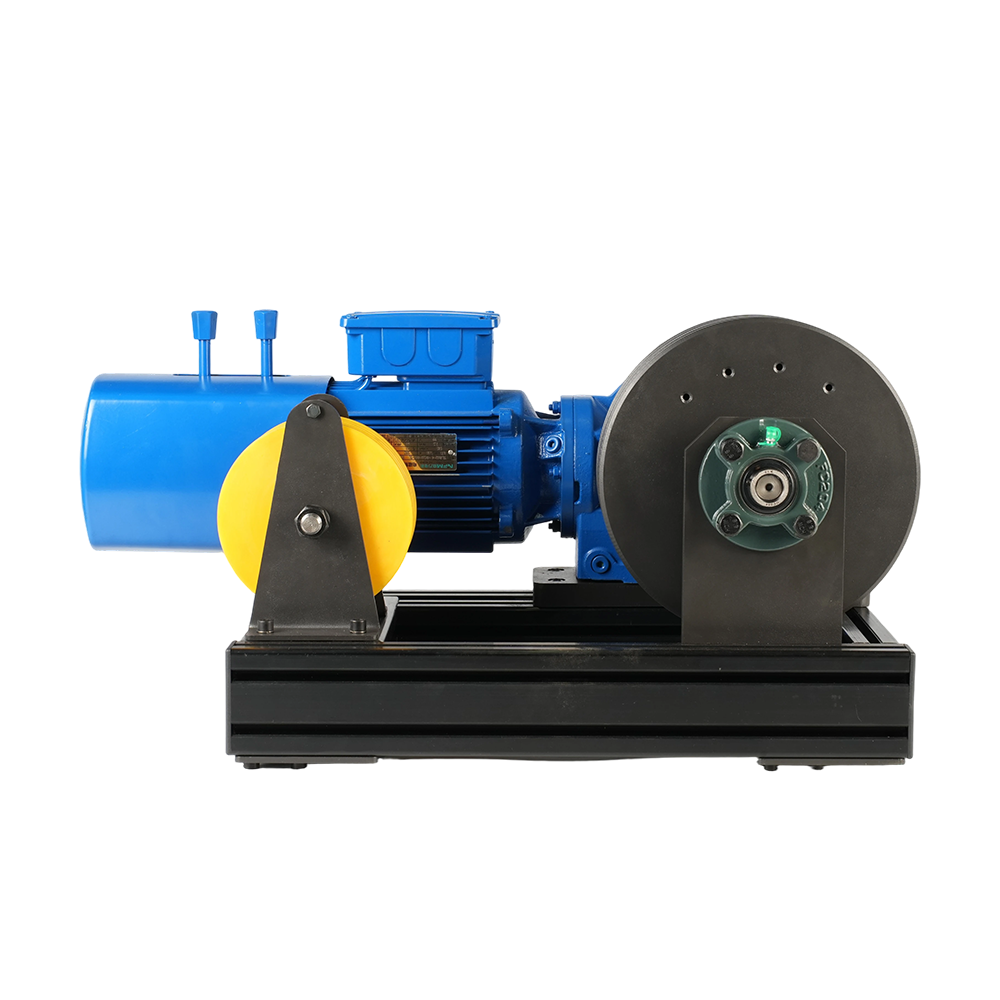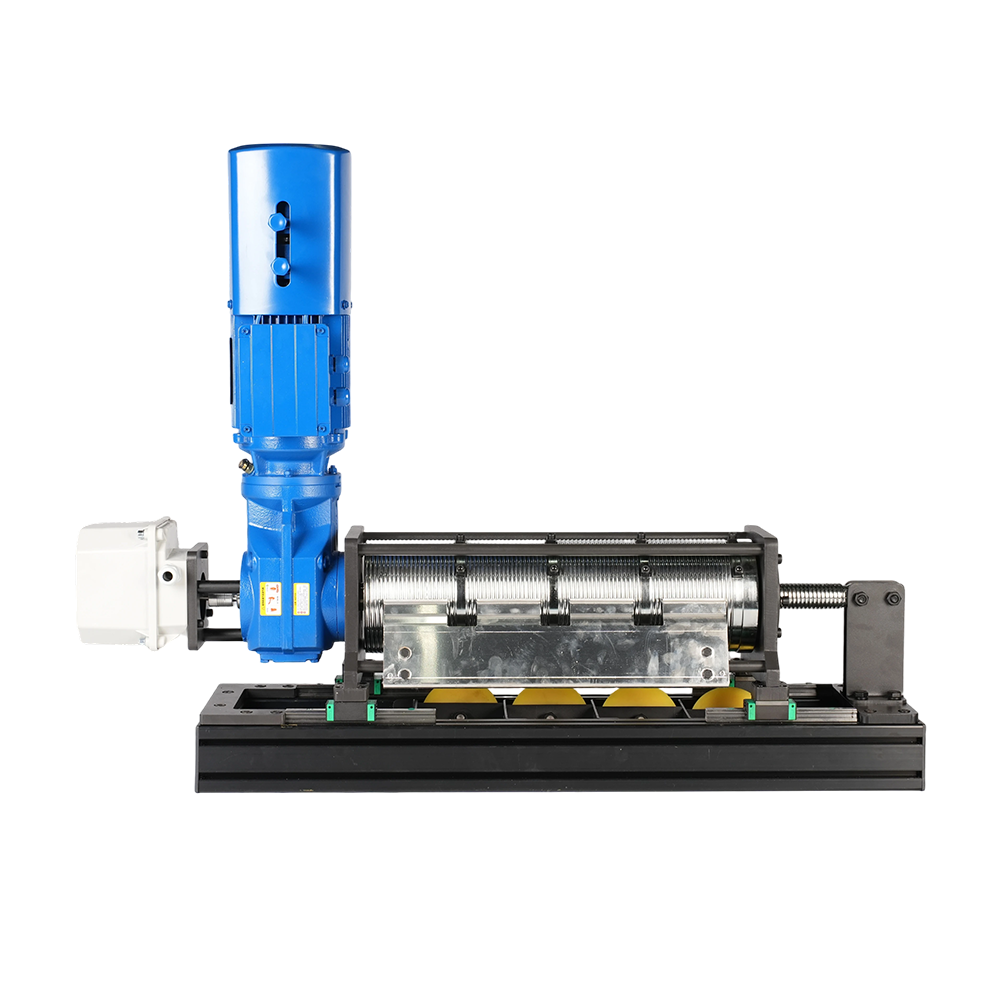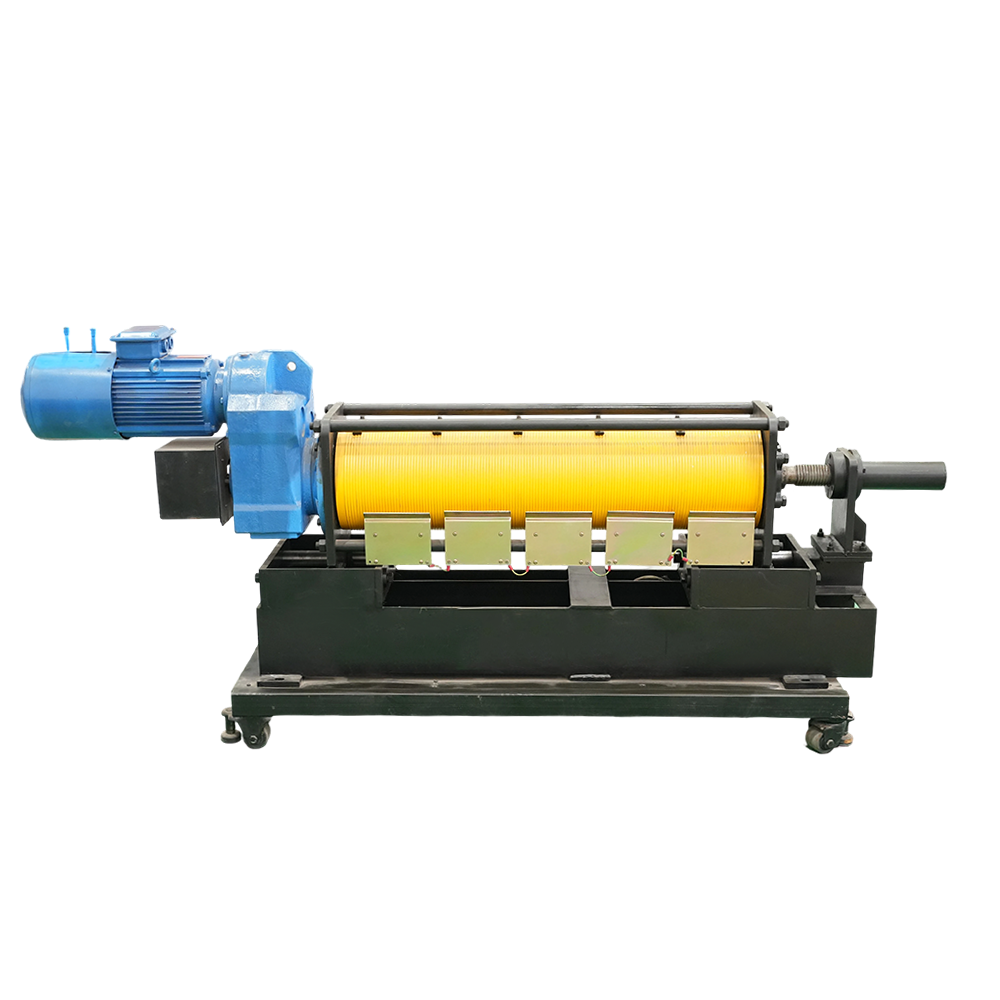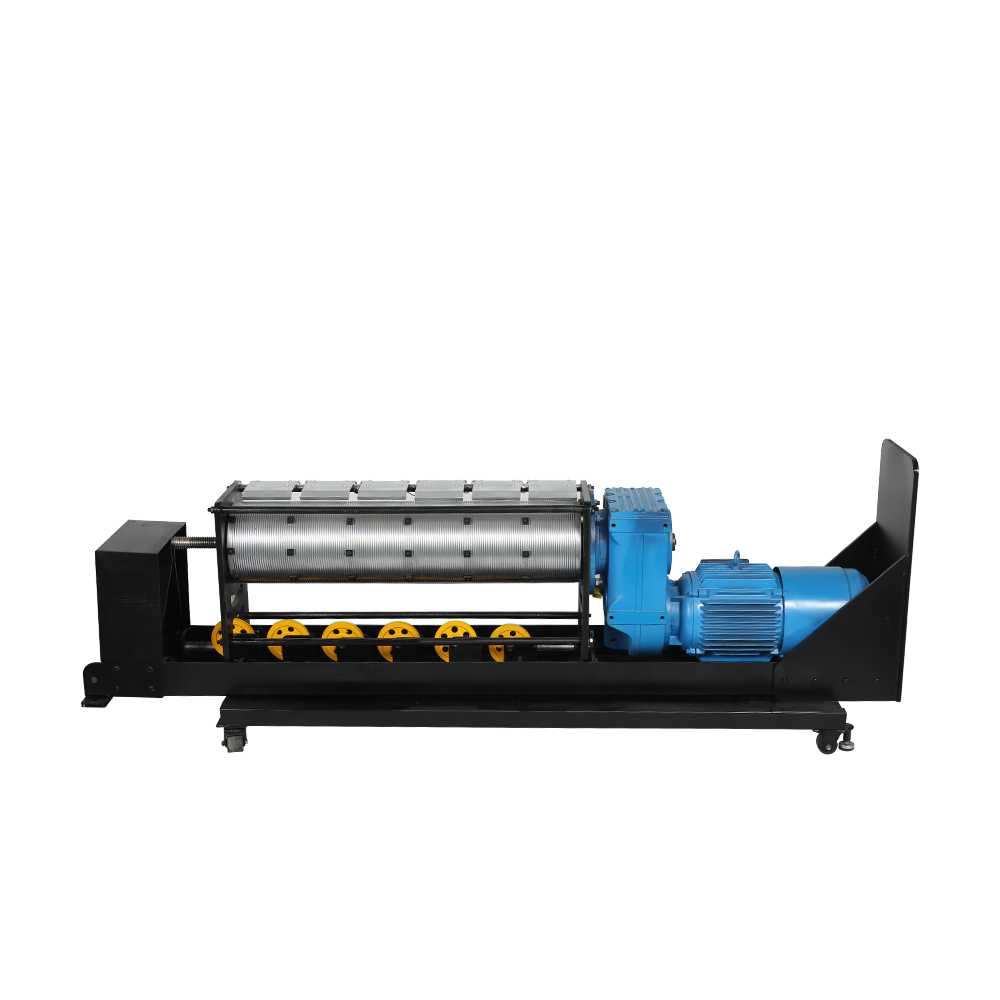
When theater operators and venue technical directors face the challenge of upgrading their rigging systems, the choice between a pilewind stage winch and a traditional drum winch often determines the feasibility and efficiency of the entire installation. The fundamental difference lies in how each system winds wire rope—and that difference has profound implications for space, safety, and operational flexibility.
Choose a Pilewind Stage Winch if your venue has limited side clearance in the fly tower or technical gallery, or if you need to lift multiple points with perfect mechanical synchronization. Pilewind winches are the superior choice for theaters and performance venues where space is tight and precision is paramount.
Choose a Traditional Drum Winch only if your installation has ample lateral space available and you are working with a simple single-line lifting application that does not require multiple synchronized lifting points.
These figures reveal the stark advantages of pilewind technology for theatrical applications. The space efficiency gains alone can make the difference between a viable installation and a project that cannot proceed due to physical constraints.
The most significant engineering advantage of the pilewind stage winch is its elimination of the "fleet angle"—the lateral angle created when wire rope winds onto a traditional drum. In conventional drum winches, the rope must traverse horizontally across the drum face, requiring substantial side clearance to prevent the rope from riding up against the drum flanges or the side of the drum.
Pilewind winches, by contrast, allow multiple steel wire ropes to pile vertically on top of themselves within segmented drum channels. This vertical winding creates what engineers call a "zero fleet angle" system. The lift lines drop perfectly vertical without any lateral travel, delivering precise positioning every time. The result is that pilewind winches can be installed in spaces where traditional winches simply cannot fit.
Wire ropes stack vertically within segmented drum channels. Multiple lines wind simultaneously on a single drum, eliminating lateral travel.
Lift lines drop perfectly vertical without any side pull. The "zero fleet angle" design eliminates the need for head blocks and lateral clearance.
All lines on the same drum synchronize mechanically. No complex electronic alignment is needed for precise multi-point lifting.
The multi-directional line feed capability allows the winch to be placed almost anywhere within the system, potentially eliminating the need for head blocks entirely. This flexibility is particularly valuable in retrofitting existing venues where structural modifications are costly or impractical.
Modern pilewind stage winches are available in a range of capacities and configurations to suit different venue requirements. Rentezhihe (Jiangsu) Equipment Technology Co., Ltd. offers Pilewind Stage Winch systems with capacities ranging from 250kg to over 1,500kg, with variable speed control using VFD technology. For a Pilewind Stage Winch, the ability to support 2 to 8 hanging points from a single segmented drum provides exceptional flexibility for complex productions.
| Feature | Pilewind Stage Winch | Traditional Drum Winch |
|---|---|---|
| Winding Direction | Vertical stacking | Horizontal winding |
| Fleet Angle | Zero fleet angle | Requires fleet angle management |
| Side Clearance Required | Minimal (winch footprint only) | Substantial (requires wing space) |
| Lifting Lines per Drum | 2 to 6 or more lines | 1 line per drum |
| Synchronization | Mechanical (inherent) | Requires electronic control |
| Space Requirement | Compact | Large, requires extensive room |
| Head Block Requirement | Can eliminate head blocks | Typically requires head blocks |
| Dual Motor Redundancy | Yes (integrated design) | May require separate backup |
| Ideal Application | Multi-point lighting bars, scenery | Single line lifts, simple applications |
The technical advantages of pilewind winches extend beyond space savings. The ability to support multiple lifting points from a single drum means that a Pilewind Stage Winch can synchronize multiple lines mechanically, eliminating the need for complex electronic controls to keep everything aligned.
The practical benefits of pilewind winches are well-documented in real-world installations. A notable example is the Gaiety Theatre in Ayr, Scotland, where four 500kg electric pilewind winches were installed to replace outdated hand winches. The project demonstrated several key advantages:
The lifting equipment industry is experiencing a significant regulatory shift. New SOLAS Regulation II-1/3-13, effective from January 1, 2026, establishes comprehensive requirements governing the design, construction, operation, testing, and maintenance of lifting appliances. For stage winch installations, this means:
While SOLAS applies primarily to marine applications, these standards set a benchmark for lifting equipment safety that many entertainment venues and manufacturers are adopting. Pilewind stage winches with integrated overload sensors, slack line detection, and redundant braking systems are well-positioned to meet or exceed these emerging expectations.
We specialize in delivering advanced stage machinery, rigging systems and intelligent control solutions for performance spaces worldwide.

No. 111 Runfeng Road, Hailing District, Taizhou City, Jiangsu Province, China

rtstage@163.com

+86-139 1771 1698

+86-139 1771 1698
rtstage@163.com
 中文简体
中文简体
 English
 русский
 Français
 Español
 عربى
عربى