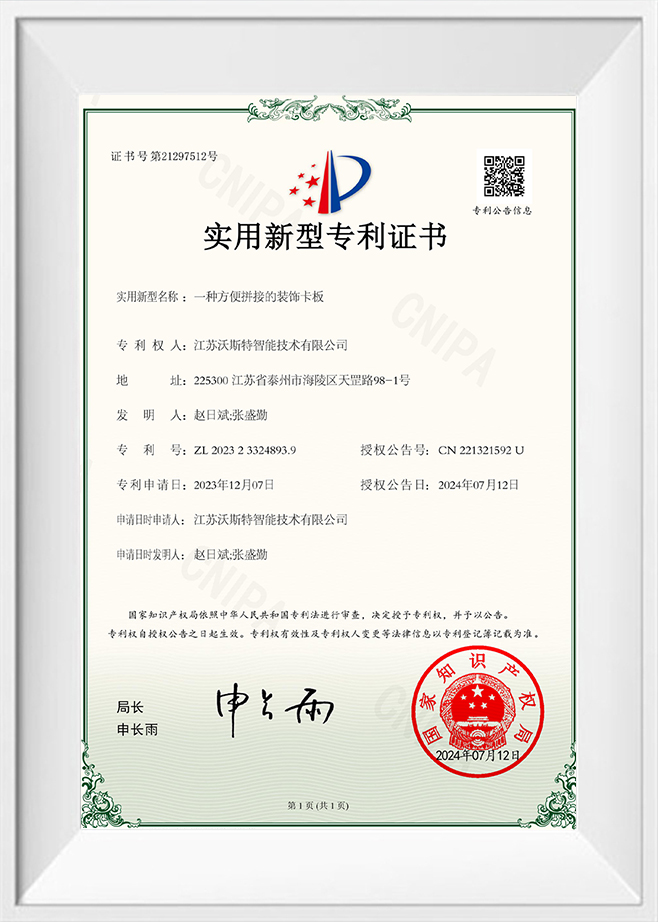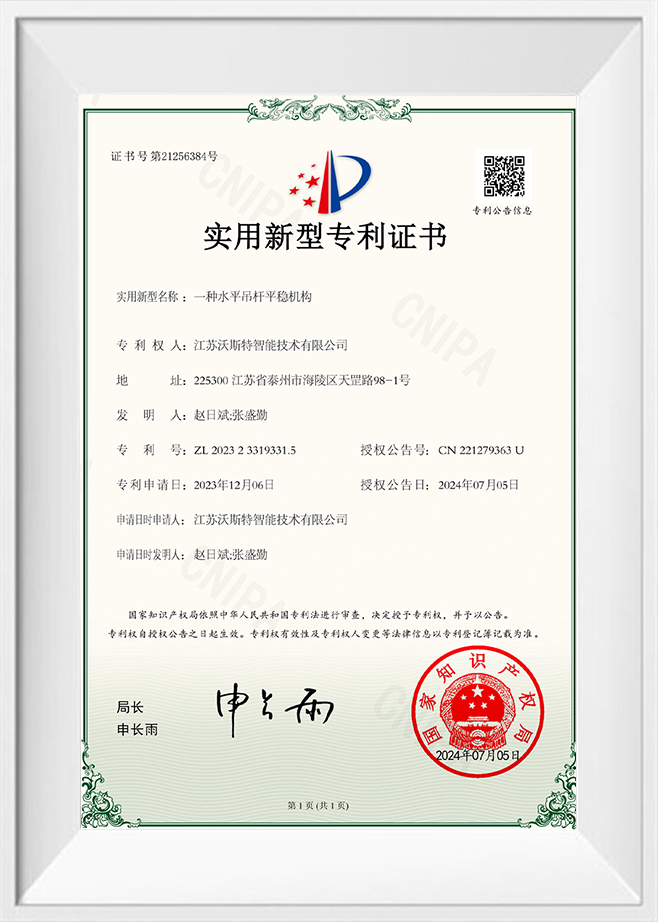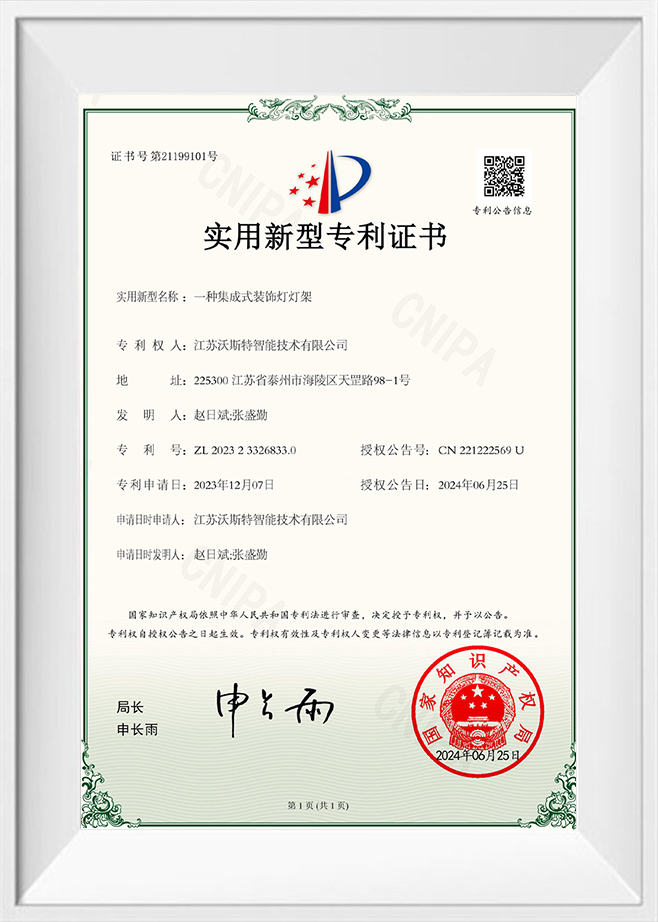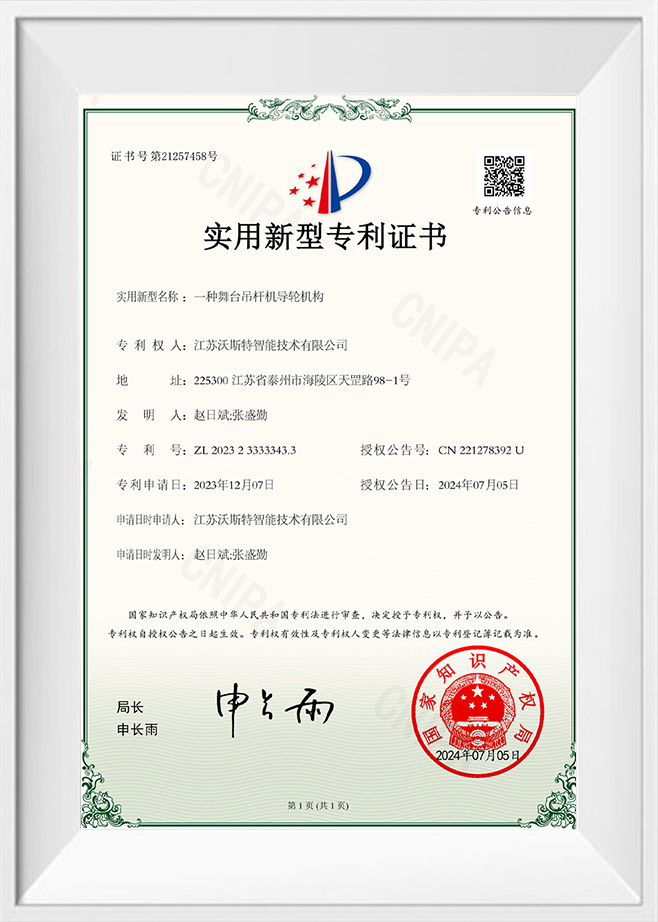
 中文简体
中文简体
 English
 русский
 Français
 Español
 عربى
عربى
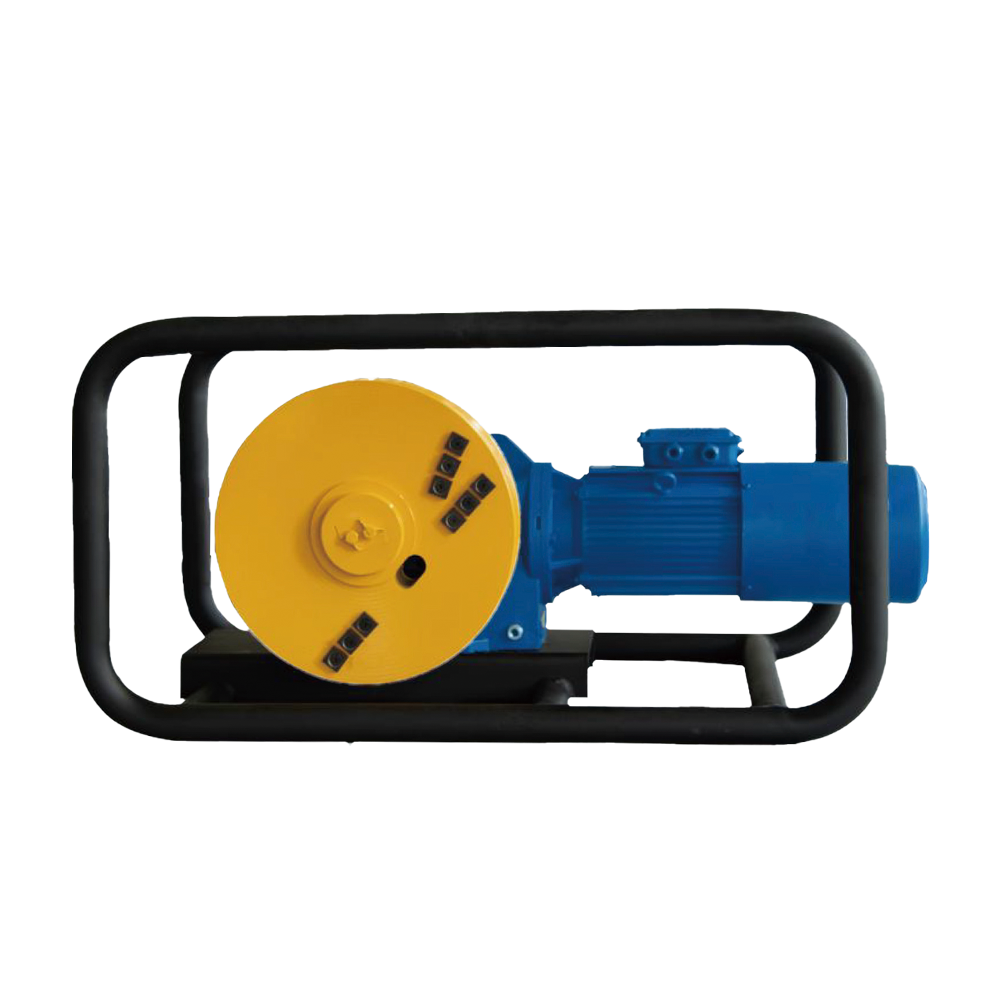
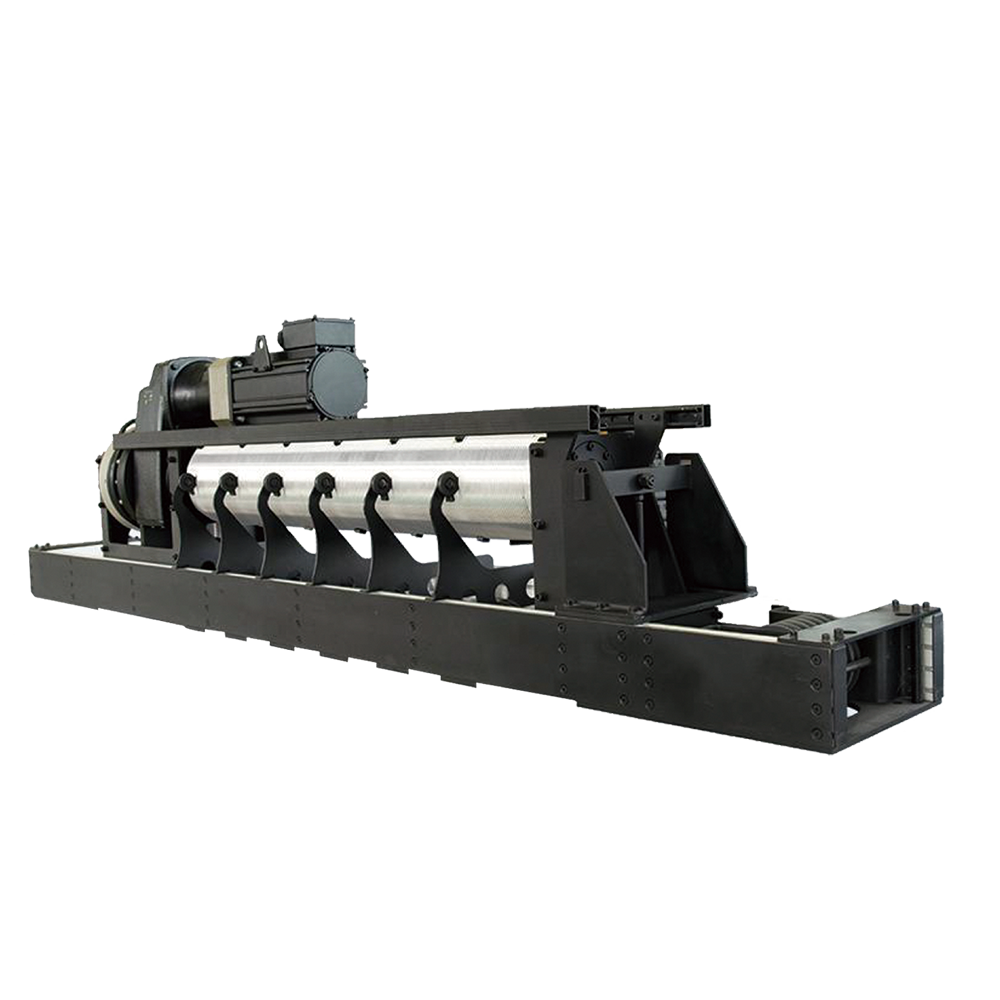
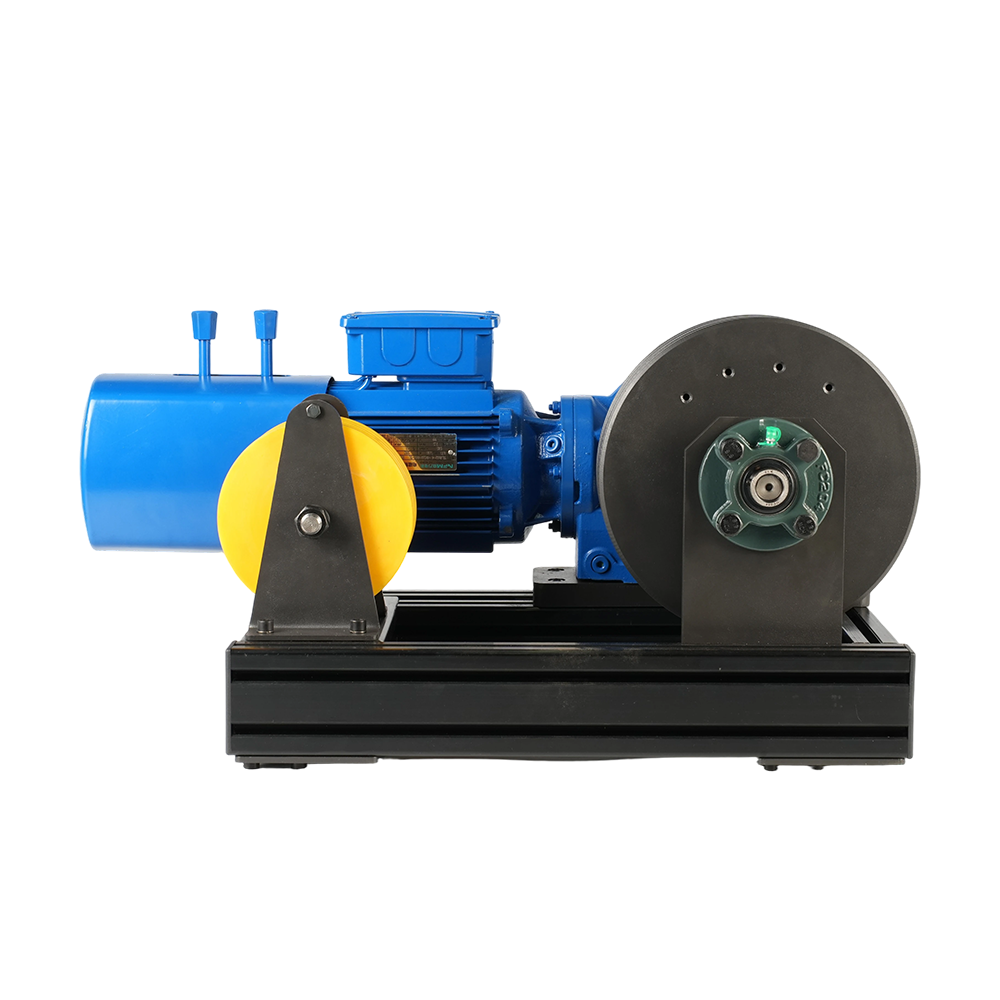
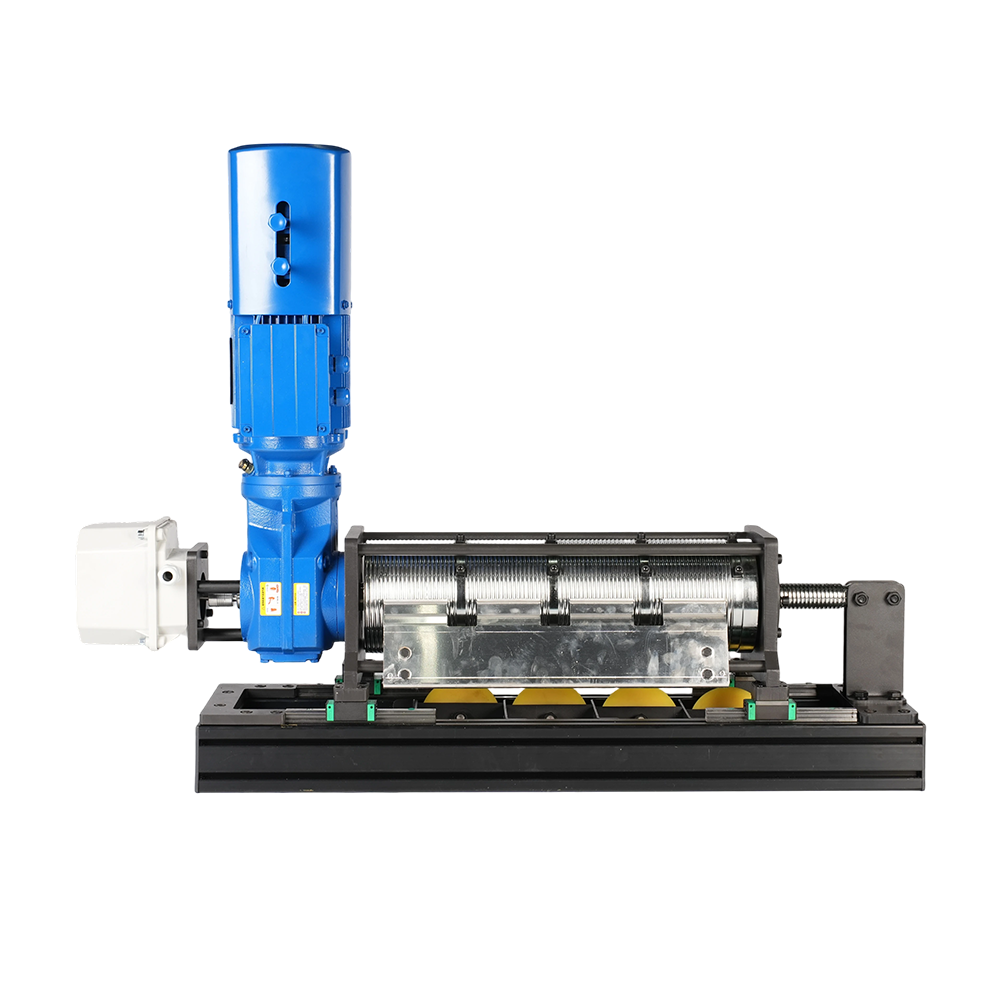
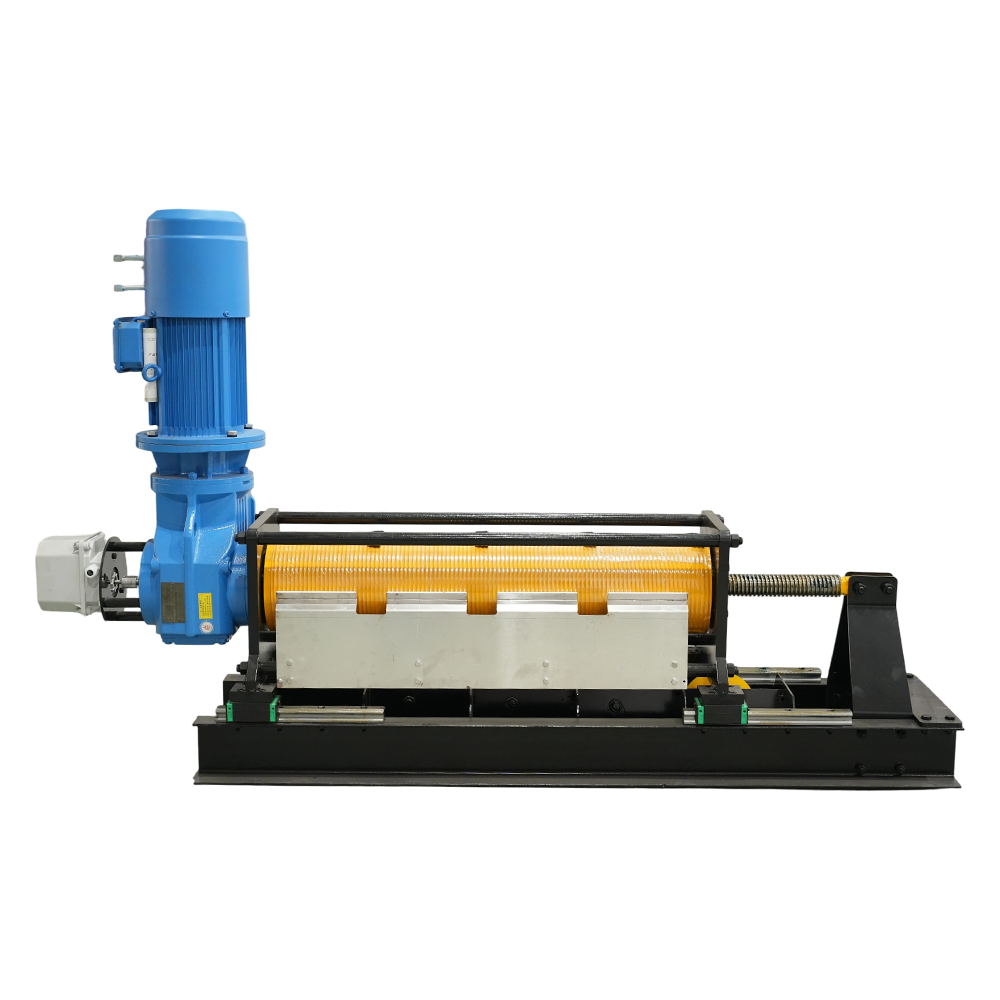
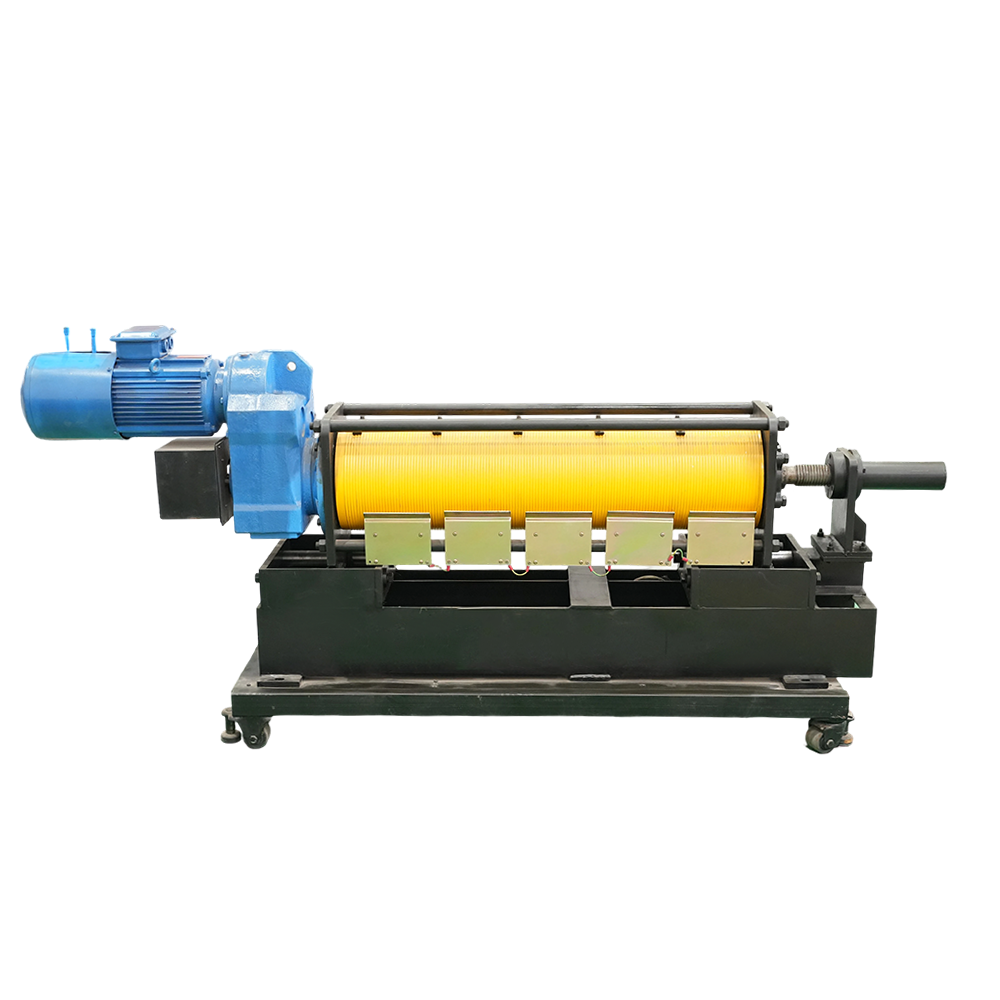
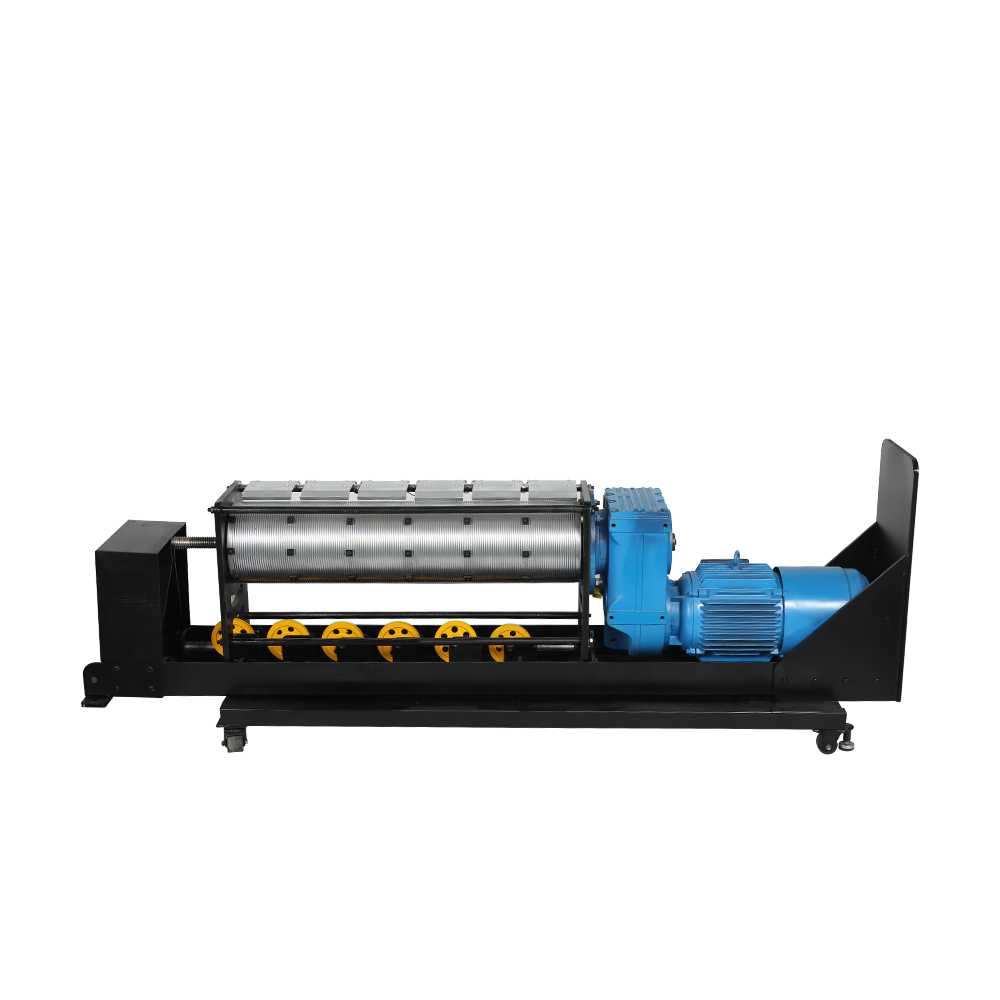
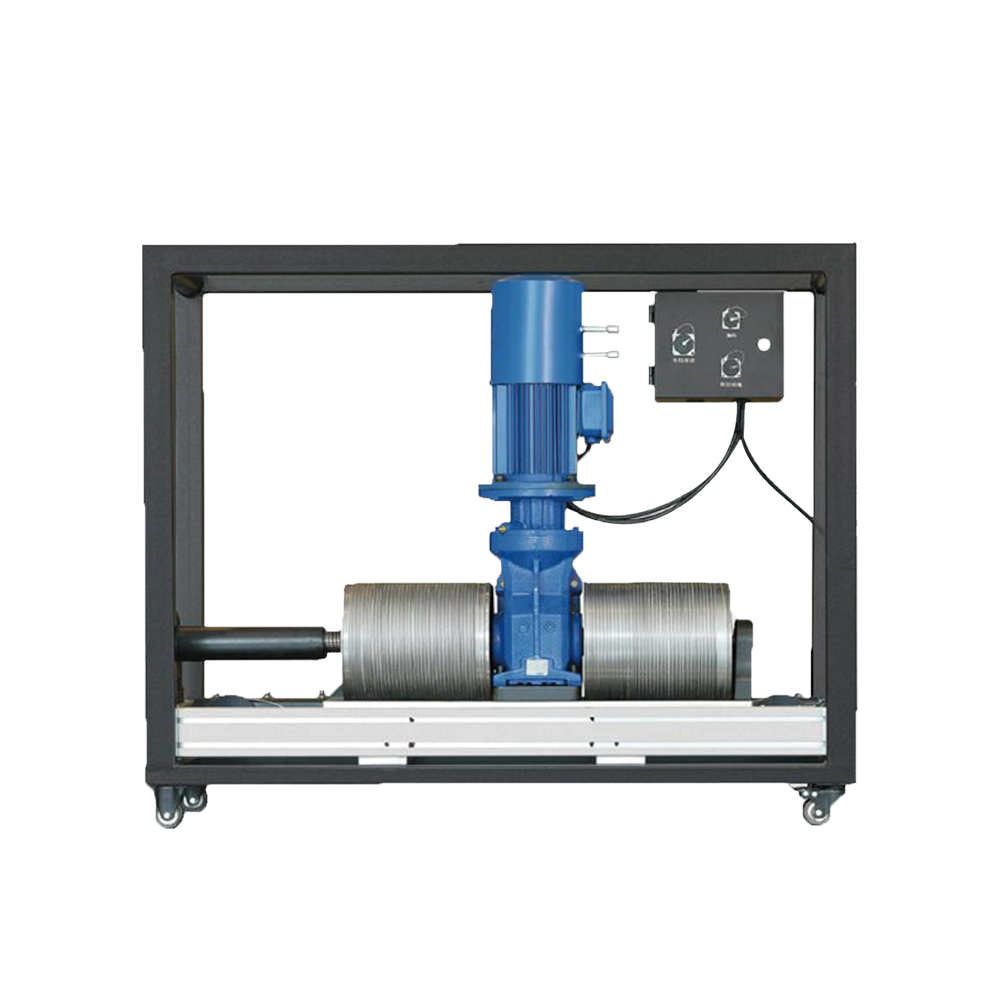
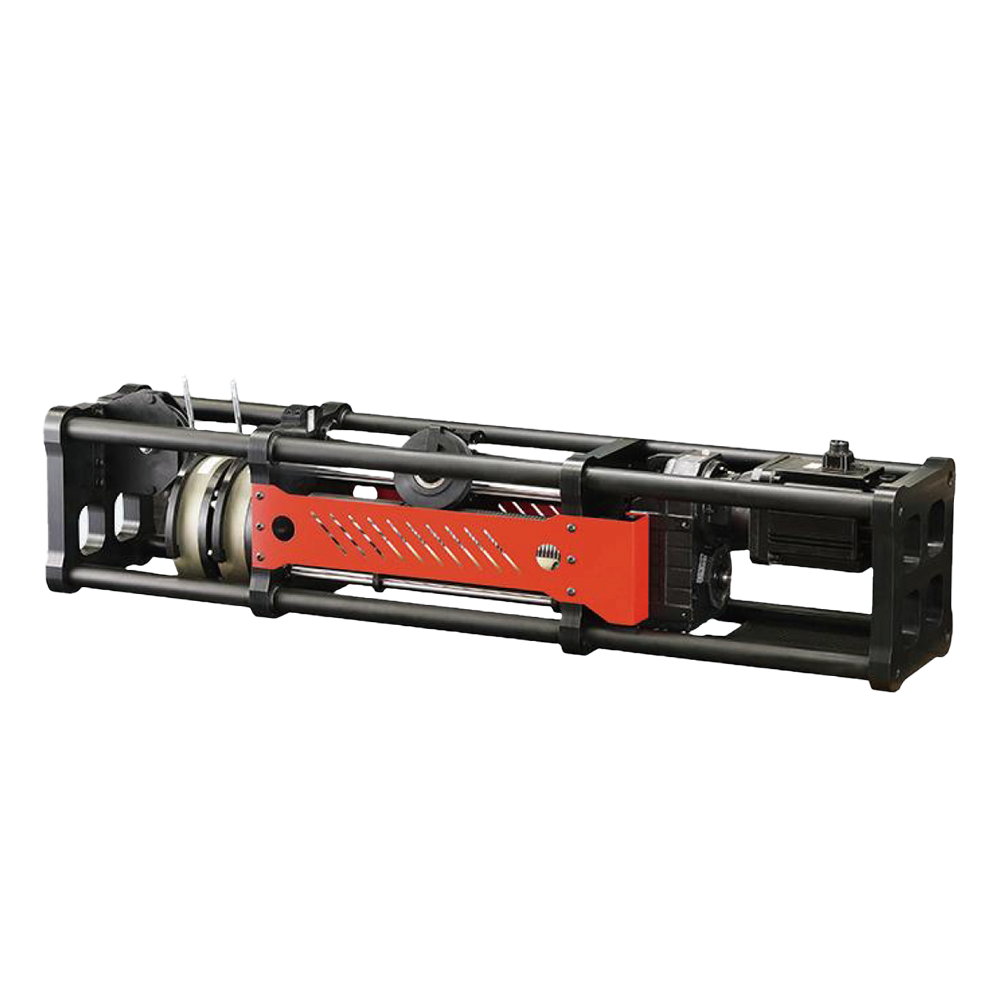
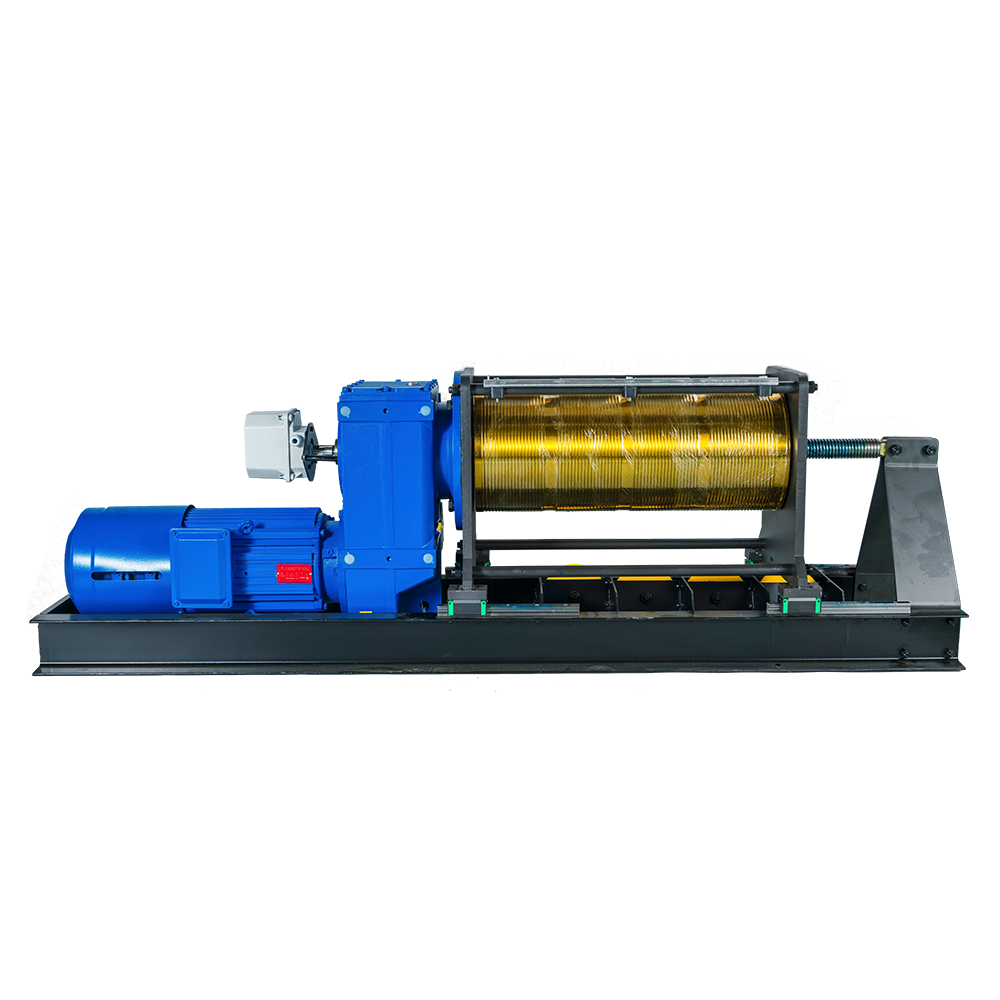
RenteZhihe (Jiangsu) Equipment Technology Co., Ltd. is a national high-tech enterprise integrating the R&D and production of stage machinery, performance equipment, industrial machinery, and intelligent systems.
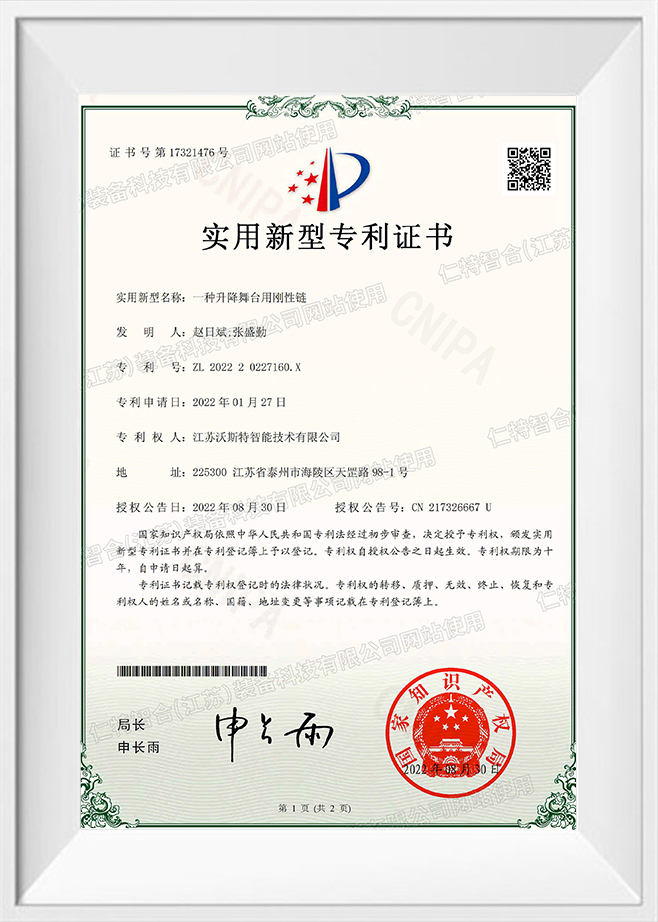
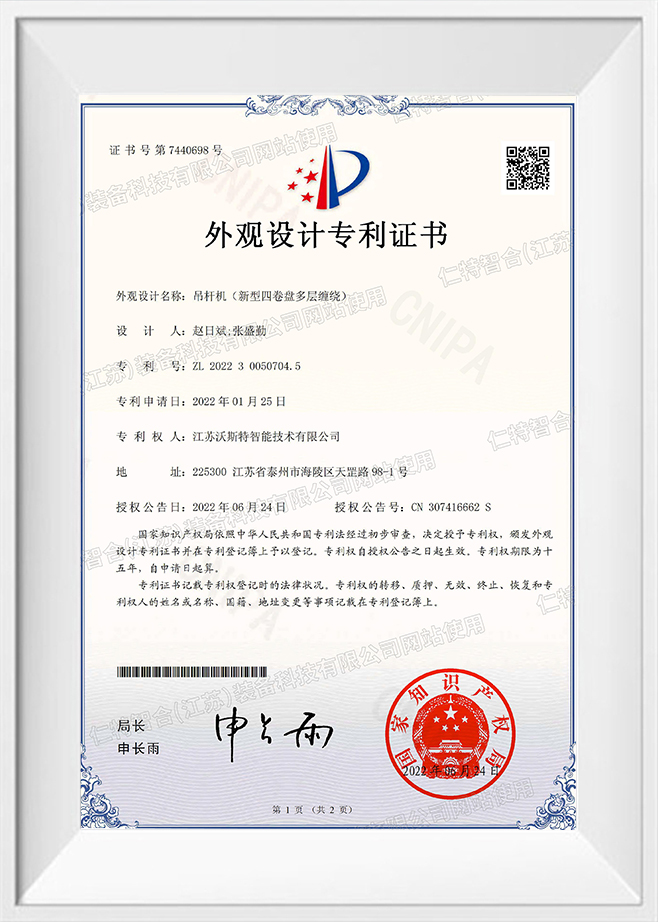
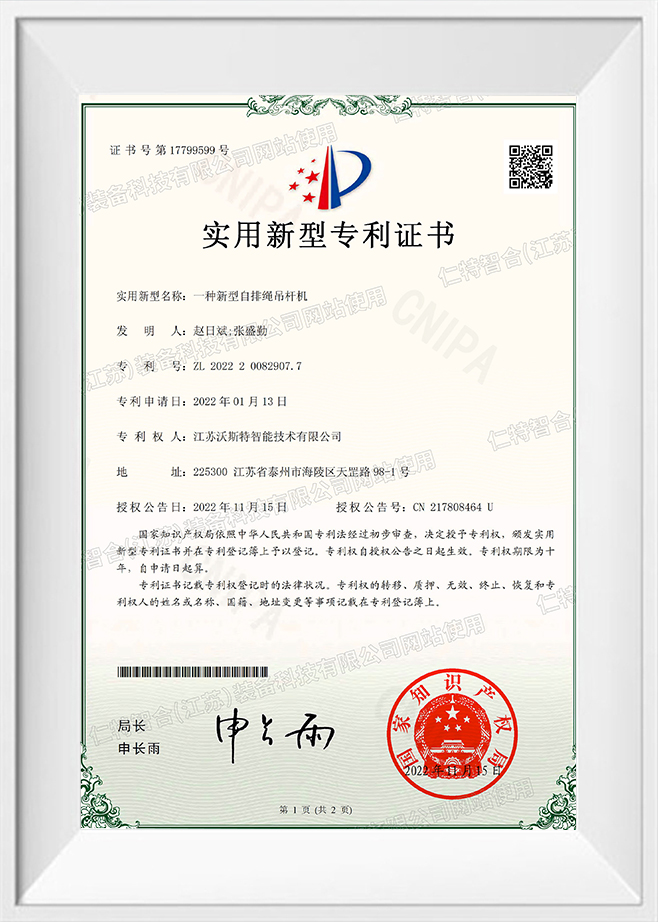
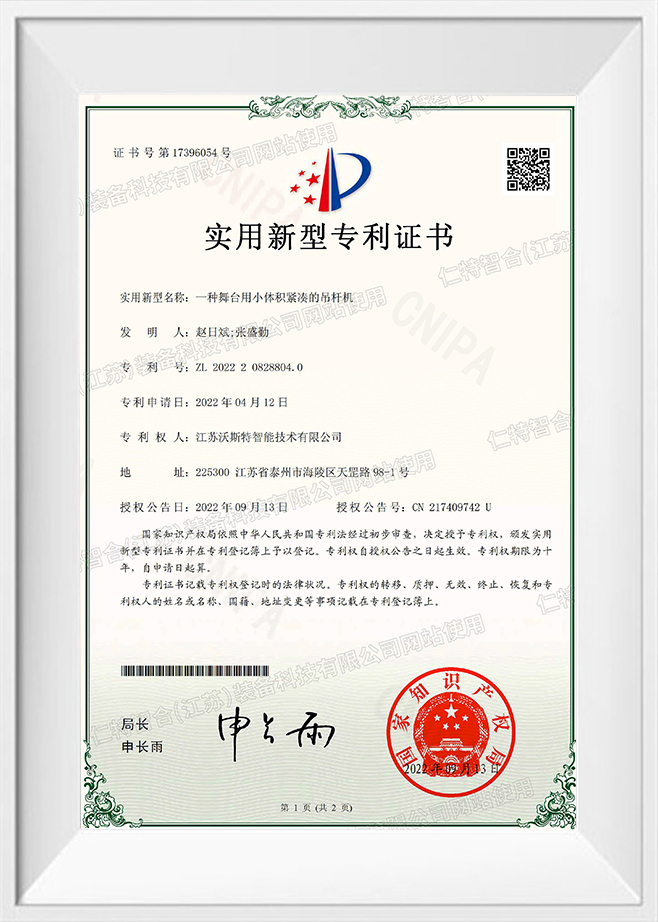
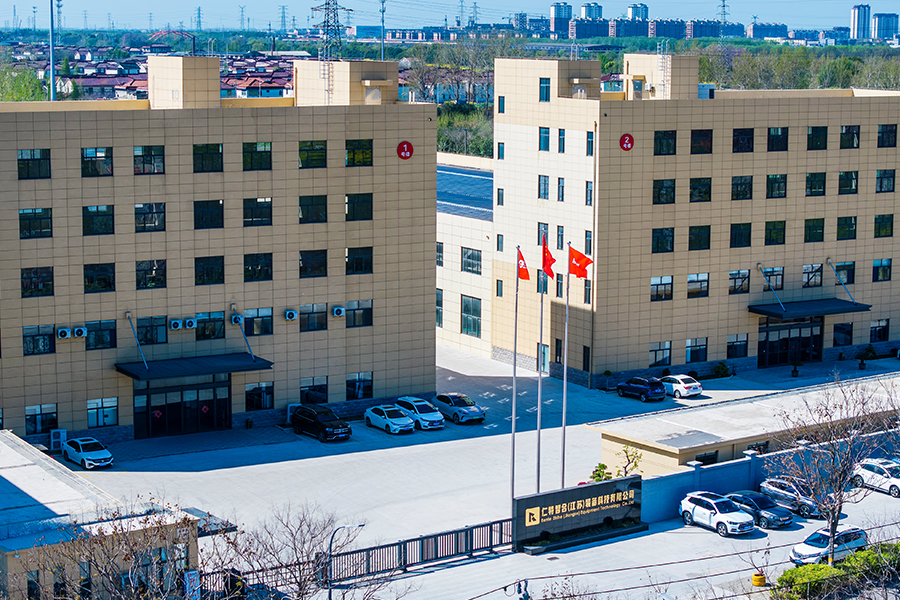
We are China Pilewind Winch System with Manual Emergency Drive Manufacturers and Wholesale Pilewind Winch System with Manual Emergency Drive OEM/ODM Suppliers, the company owns two modern production workshops covering an area of 13,000 square meters and a 7,000-square-meter office building. Since its establishment in 2012, relying on superior quality and technological innovation, it has gradually developed into a professional manufacturer of stage machinery and equipment that integrates R&D and design, production and sales, installation and commissioning, as well as technical services.
It has eight offices nationwide, covering major core cities in North China, East China, South China, Northwest China, and Southwest China. Equipped with a professional technical team and more than 30 sets of production equipment, the company always regards technological innovation as the core driving force of enterprise development. With over ten years of experience accumulation and technological innovation, it has provided high-quality stage machinery and equipment for more than 1,000 engineering projects, including cultural and art centers, gymnasiums, conference centers, theaters, school auditoriums, and entertainment performance venues, as well as long-term maintenance services for products and equipment.
In addition, the company also provides OEM processing and non-standard customization services for stage machinery and equipment. Its products sell well both at home and abroad, winning high recognition from customers, project owners, and all sectors of society.
Technical Specifications
| Model | PW-MED-500 / PW-MED-1000 |
| Load Capacity | 500 kg / 1000 kg |
| Lifting Speed (Electric) | 0.15 – 0.35 m/s |
| Lifting Speed (Manual) | Approx. 0.02 – 0.05 m/s |
| Lifting Height | Up to 20 meters |
| Motor Power | 2.2 kW – 5.5 kW |
| Power Supply | 380V / 50Hz / 3-Phase |
| Manual Drive Ratio | 1:100 to 1:200 gear reduction |
| Manual Drive Input | 19mm hex socket (standard drill drive) |
| Brake System | Electromagnetic with manual release |
| Protection Class | IP54 |
| Weight | Approx. 250 – 550 kg |
Applications
Emergency Backup Systems – Essential backup for critical lifting applications.
Safety-Critical Installations – Required for applications where power interruption could be hazardous.
Performer Flying Systems – Provides emergency evacuation capability for performer applications.
Heritage Theatre Installations – Backup capability for historical venues with power constraints.
Remote or Unstable Power Locations – Suitable for areas with unreliable power supply.
Rental and Event Applications – Emergency capability for temporary power situations.
Key Advantages
Emergency Operation – Enables safe load movement during power or control system failures.
Simple Manual Drive – Standard hex drive compatible with common power drill attachments.
Automatic Disconnect – Manual drive automatically disconnects during electric operation.
Controlled Descent – Manual drive provides controlled lowering capability for safe load evacuation.
Minimal Maintenance – Simple mechanical mechanism requires minimal maintenance.
Visual Status Indication – Clear indication of drive engagement status.
Payment & Shipping
Payment Terms: T/T (30% + 70%), L/C at sight.
Lead Time: 30–45 working days.
Packaging: Export crating with manual drive components packaged separately.
Shipping: FOB Shanghai.
Training Provided: Emergency operation training included.
Warranty: 24 months standard.
Frequently Asked Questions
Q: How does the manual emergency drive work?
A: The manual drive engages a secondary gear train that allows the winch to be operated using a hand crank or power drill. An automatic clutch disengages the electric motor when the manual drive is used.
Q: What is the manual lowering speed?
A: The manual lowering speed is approximately 0.02-0.05 m/s, which is suitable for controlled emergency evacuation of loads.
Q: Is the manual drive suitable for regular use?
A: The manual drive is designed for emergency use only. For regular operation, we recommend using the electric drive.