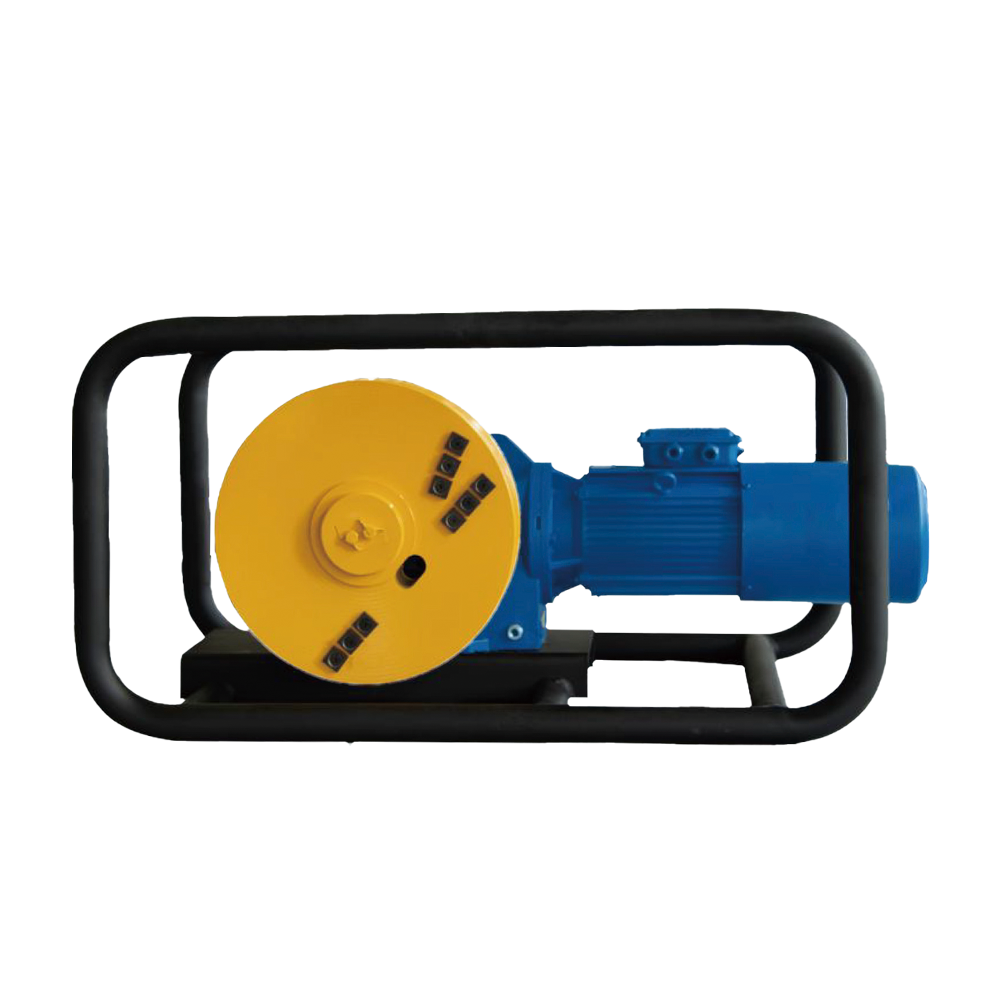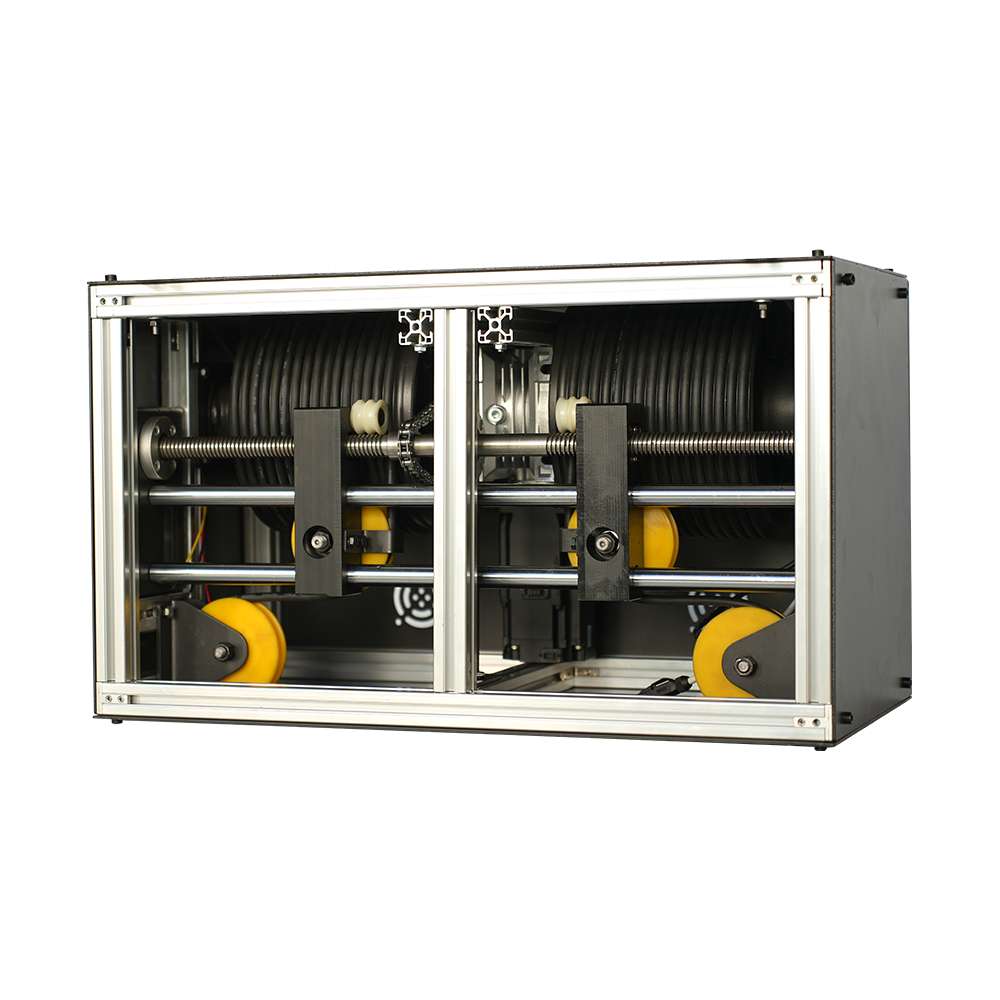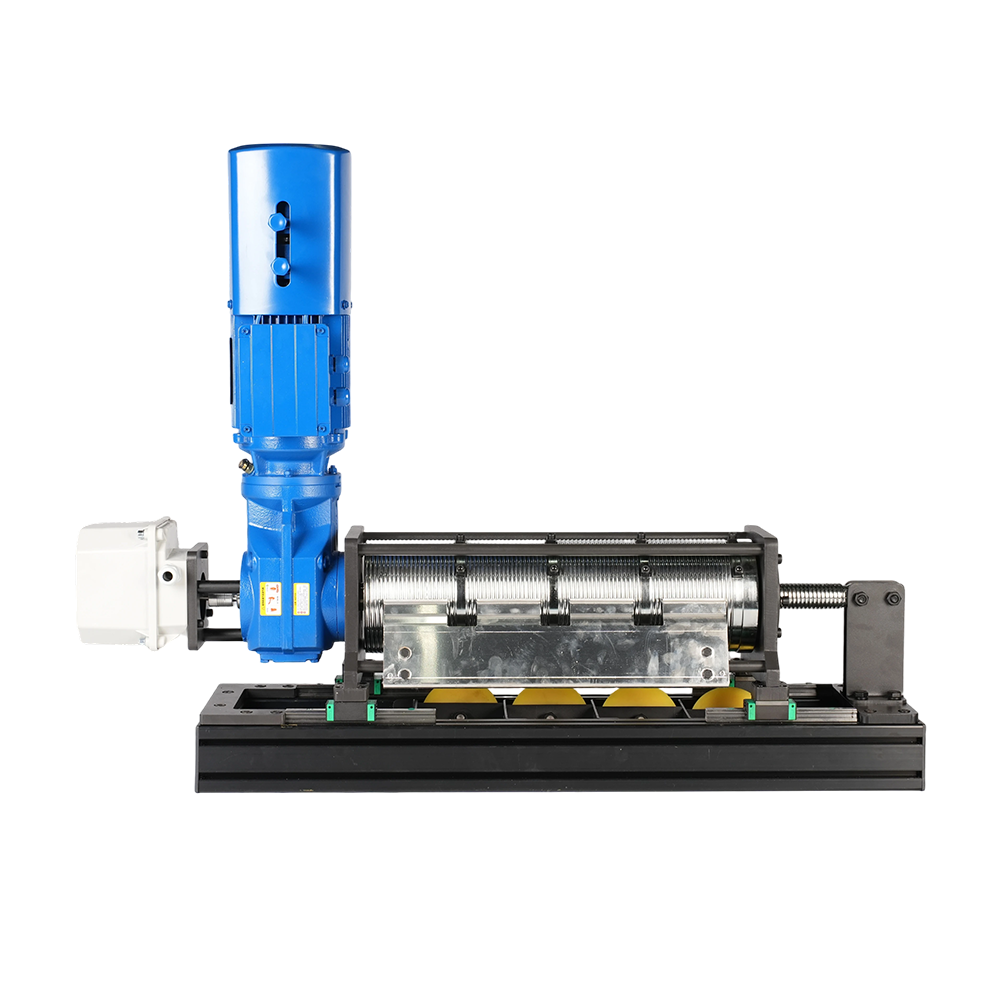
For many theater operators and venue technical directors, the most significant constraint in rigging system design is not budget or load capacity—it is space. Historic theaters and modern performance spaces alike often struggle with limited fly tower dimensions, making it challenging to install traditional drum winches that require substantial side clearance. This guide examines how Pilewind Stage Winch technology addresses these spatial constraints, enabling multiple lifting points in tight spaces where conventional systems simply cannot fit.
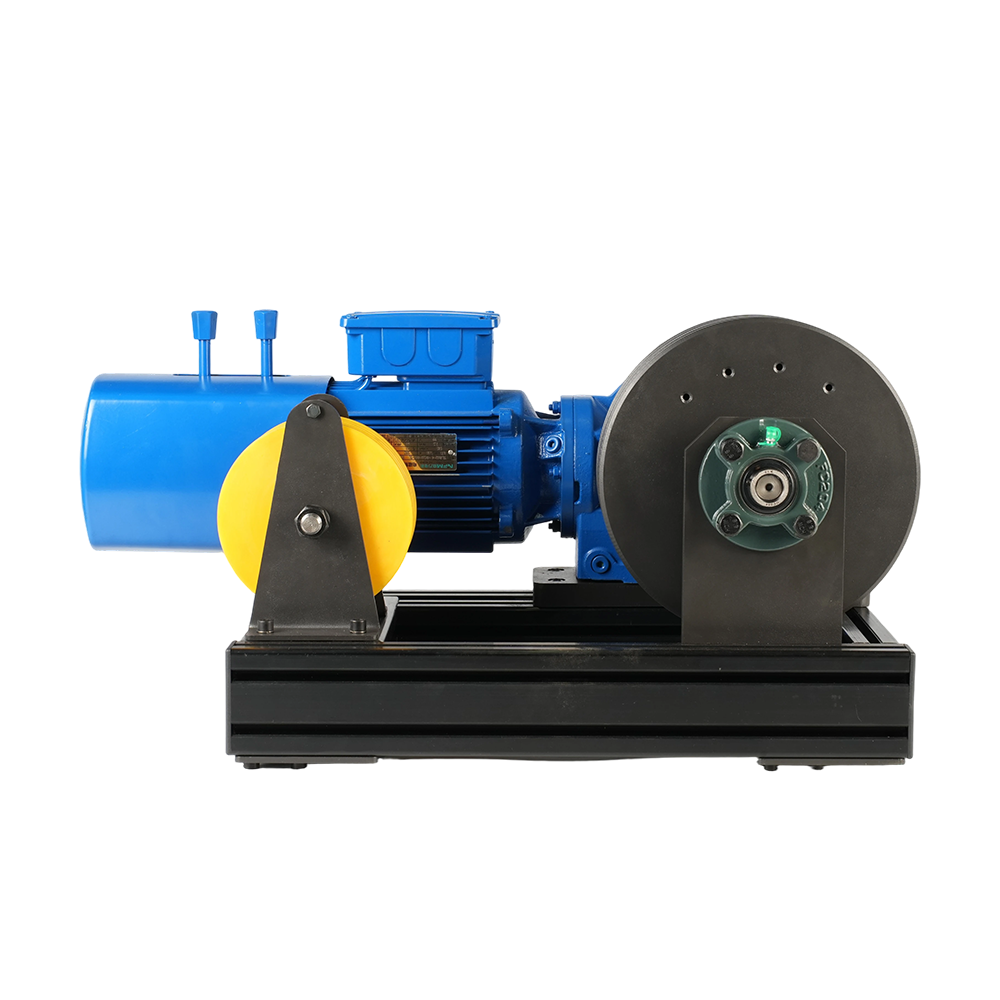
Yes. The zero fleet angle design of a Pilewind Stage Winch eliminates the need for side clearance and complex head block arrangements. With segmented drum chambers that allow multiple steel wire ropes to pile vertically, a single Pilewind winch can support 2 to 8 lifting points within a compact footprint—saving up to 75% of the space required by traditional drum winch systems. This makes it the ideal solution for venues with constrained fly towers, shallow technical galleries, or existing structural limitations.
Pilewind winches require only 25% of the space of traditional drum winch systems for equivalent lifting capacity.
The space efficiency of Pilewind winches is not merely a theoretical advantage—it is a practical solution that makes rigging upgrades possible in venues where traditional systems are physically impossible to install.
The fundamental limitation of traditional drum winches is the "fleet angle"—the lateral angle created as wire rope winds across the drum face. In conventional systems, the rope must traverse horizontally, requiring significant side clearance to prevent the rope from riding up against the drum flanges. This side clearance often demands an additional 1 to 2 meters of width beyond the winch itself, making installation impossible in many historic theaters and tight technical galleries.
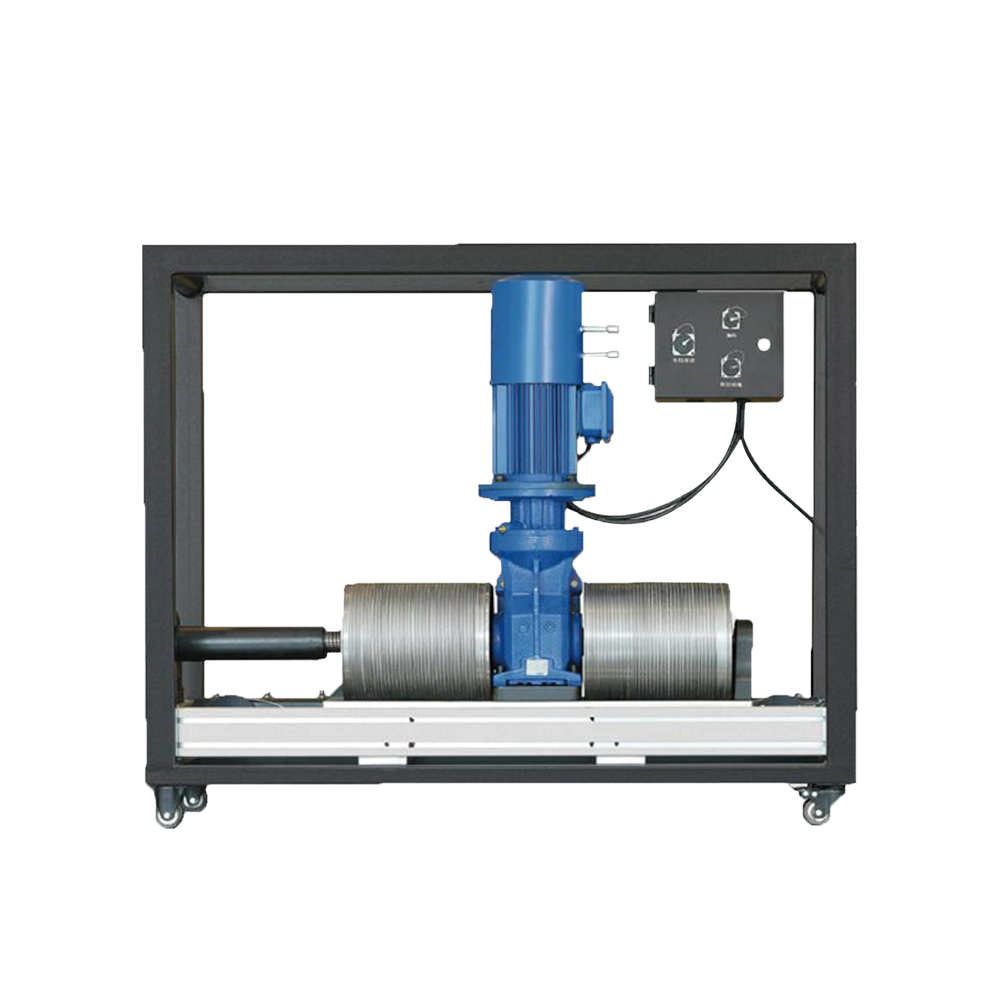
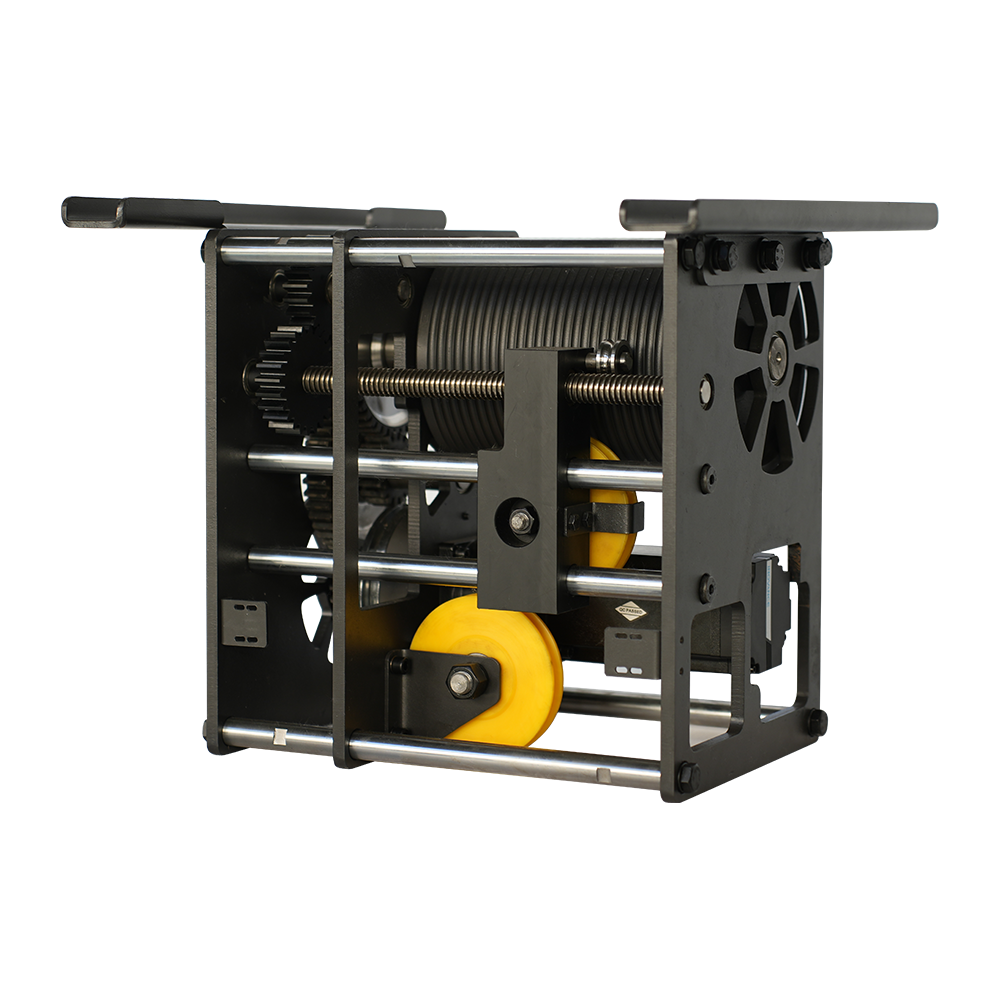
Pilewind winches solve this problem through a fundamentally different winding mechanism. Instead of horizontal traversal, wire ropes stack vertically within segmented drum chambers. The result is a "zero fleet angle" system where lift lines drop perfectly vertical without any lateral travel. This eliminates the need for side clearance entirely, allowing the winch to be placed in spaces where traditional winches simply cannot fit.
Multiple wire ropes wind vertically in dedicated drum channels. Each chamber accommodates one lifting line, with up to 8 chambers per drum.
Lines drop perfectly vertical from the drum. No lateral travel means no side clearance is required. No head blocks are needed for line alignment.
All lines on the same drum move in perfect mechanical synchronization. No complex electronic alignment is required for multi-point lifting.
This mechanical synchronization is a significant advantage over multi-winch systems that require electronic alignment. With a Pilewind winch, all lifting points on the same drum are inherently synchronized by the mechanical connection through the drum shaft.
Traditional multi-line lifting systems require head blocks—sheave assemblies mounted at the top of the fly tower that redirect lines from the winch drum to the desired pickup points. Head blocks require substantial structural support and introduce additional friction points that reduce efficiency and require regular maintenance.
Because Pilewind winches drop lines vertically from the drum, they often eliminate the need for head blocks entirely. The winch can be positioned directly above the lifting points, or the multi-directional line feed capability allows the winch to be placed almost anywhere within the system with minimal line redirection. This simplifies structural requirements, reduces maintenance overhead, and improves system efficiency.
One of the most powerful features of Pilewind winch technology is the ability to support multiple independent lifting points from a single drum. Each line in the segmented drum chamber can operate independently or in synchronized groups, providing exceptional flexibility for complex productions.
| Feature | Pilewind Stage Winch | Traditional Multi-Winch System |
|---|---|---|
| Lifting Points | 2-8 lines per drum | 1 line per winch |
| Space Required | Compact (winch footprint only) | Extensive (multiple winches + side clearance) |
| Synchronization | Mechanical (inherent) | Electronic (requires control system) |
| Head Blocks | Often eliminated | Typically required |
| Installation Cost | Lower (single unit) | Higher (multiple units + structure) |
| Maintenance Complexity | Single unit to service | Multiple units plus head blocks |
| Ideal Application | Lighting bars, scenery, drapery | Simple single-line lifts |
For lighting bars requiring multiple pickup points, the Pilewind approach is particularly advantageous. A single Pilewind winch can support all the lines needed for a lighting truss, eliminating the need for multiple winches and reducing both installation and maintenance costs.
The practical benefits of Pilewind winch technology are especially evident in retrofit projects. Historic theaters often have fly towers with limited dimensions that were designed for hand-operated counterweight systems, not modern motorized winches. The Gaiety Theatre in Ayr, Scotland, serves as a compelling example. Four 500kg Pilewind winches were installed to replace outdated hand winches, operating at 125mm per second and featuring slack line sensors and overload protection. The compact footprint of the Pilewind units made the retrofit feasible where traditional drum winches would have been impossible to fit.
We specialize in delivering advanced stage machinery, rigging systems and intelligent control solutions for performance spaces worldwide.

No. 111 Runfeng Road, Hailing District, Taizhou City, Jiangsu Province, China

rtstage@163.com

+86-139 1771 1698

+86-139 1771 1698
rtstage@163.com
 中文简体
中文简体
 English
 русский
 Français
 Español
 عربى
عربى