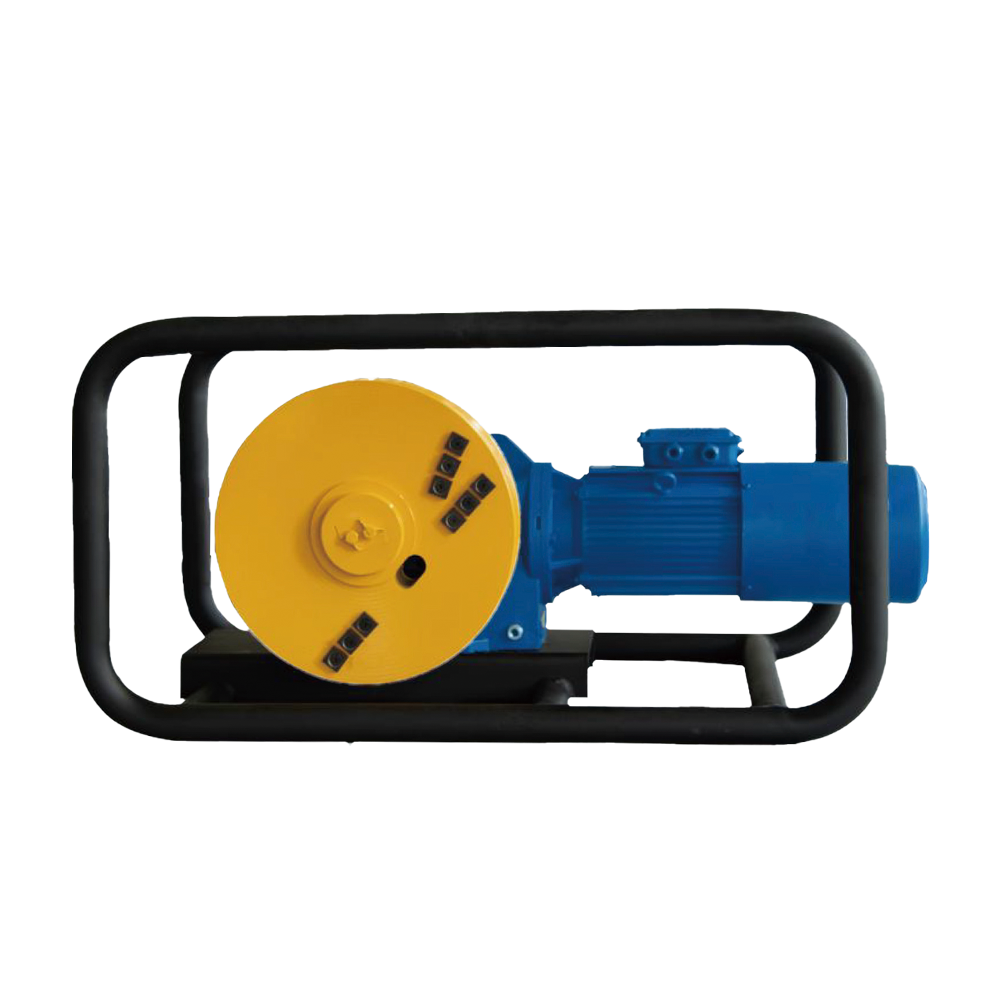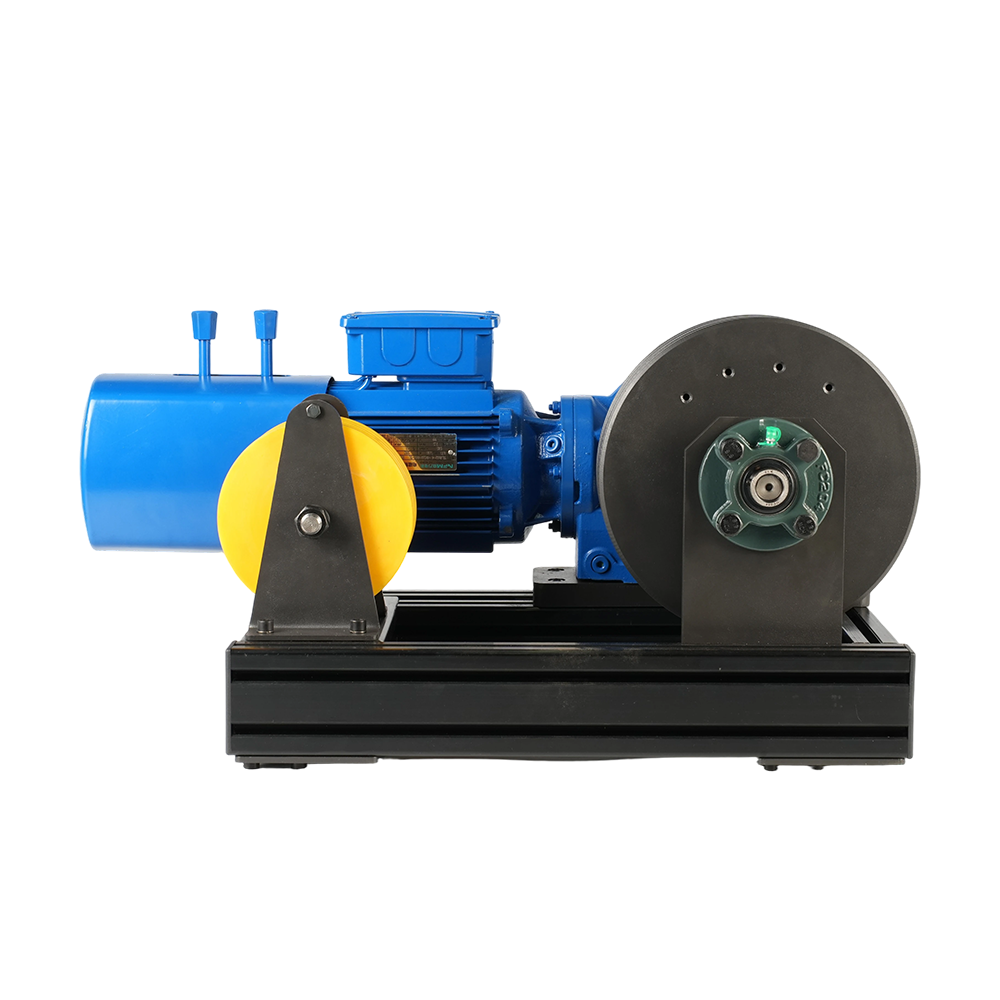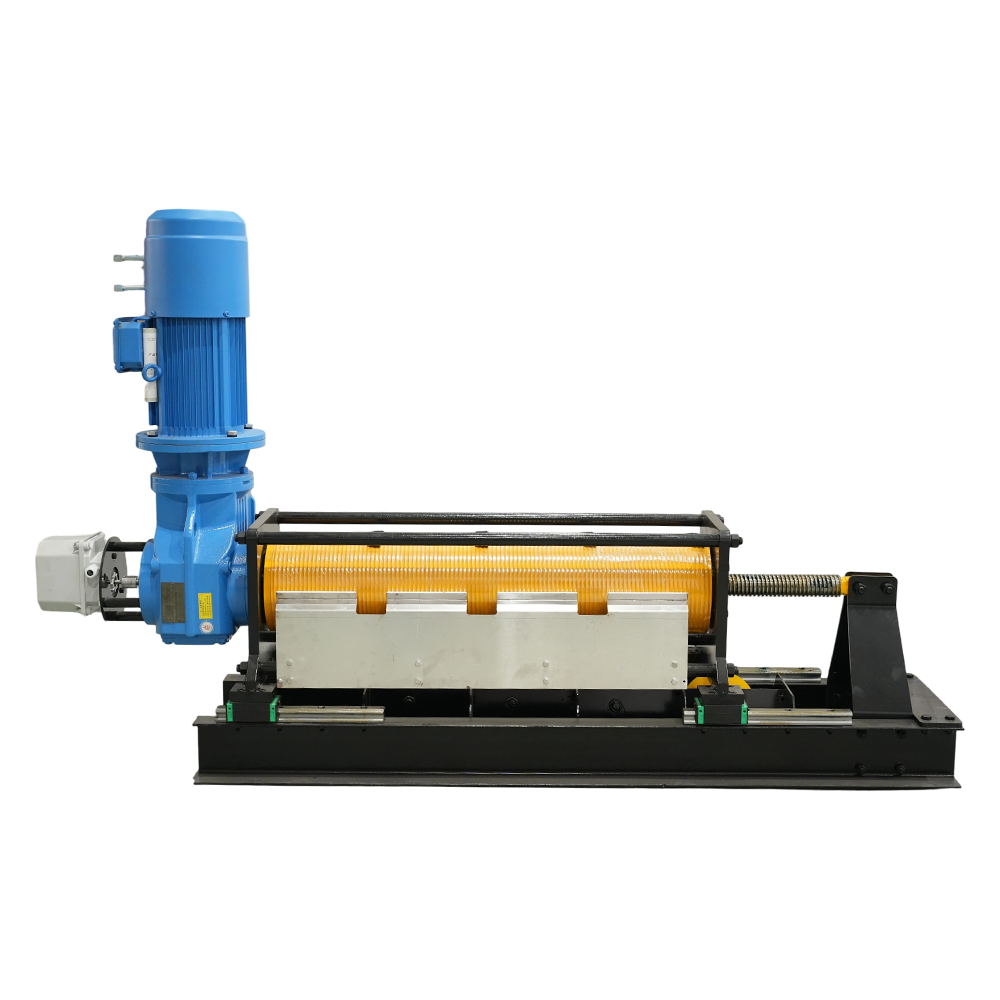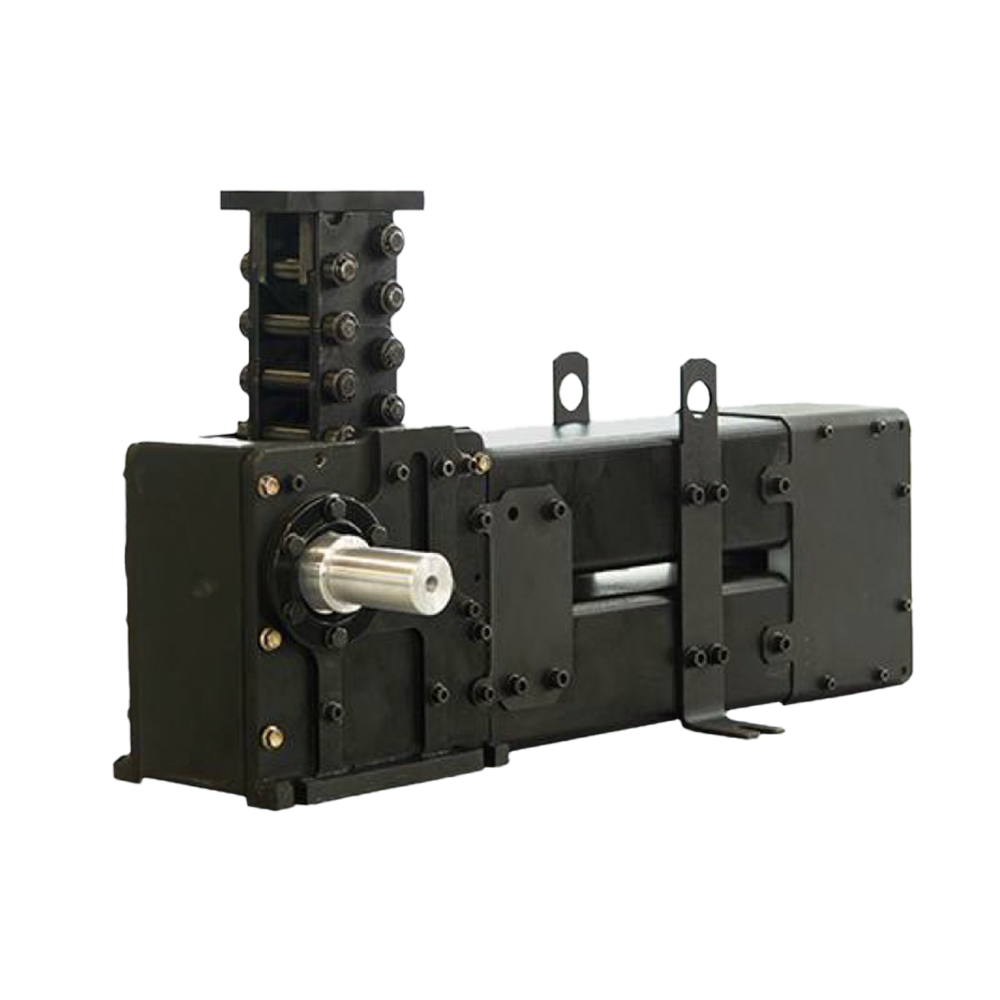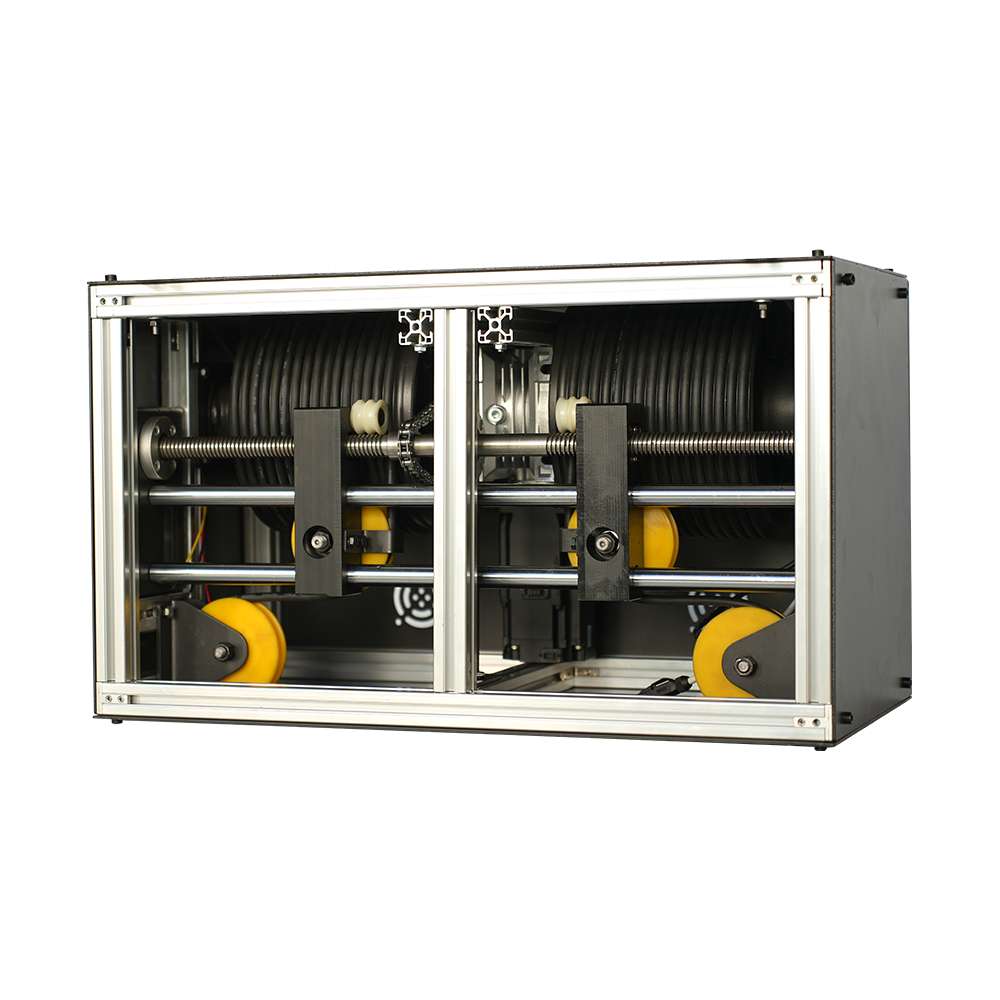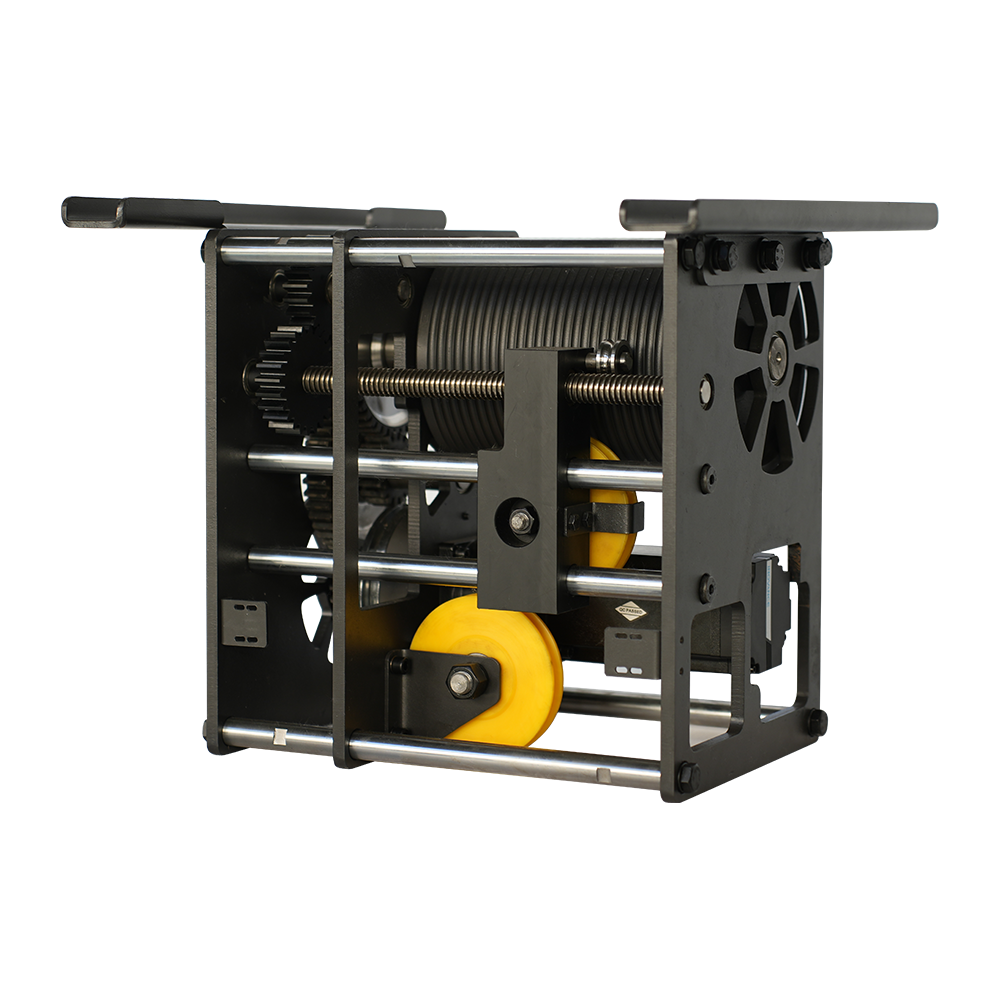
Modern theatrical productions increasingly demand seamless integration between rigging systems and show control networks. For venue technical directors and system integrators, the ability to synchronize stage winches with lighting, audio, and video systems is no longer a luxury—it is a necessity. This guide examines how Pilewind Stage Winch systems integrate with DMX, Art-Net, sACN, and other control protocols, providing practical insights for achieving flawless automated performances.
Yes. Modern Pilewind Stage Winch systems are designed to integrate with industry-standard control protocols including DMX512, Art-Net, and sACN. With the appropriate control interface, a Pilewind Stage Winch can be programmed to respond to timecode, manual fader input, or complex cue sequences, enabling seamless synchronization with lighting, audio, and other automated stage elements.
Pilewind Stage Winch systems support all major show control protocols for seamless integration.
Theatrical stage winches operate as nodes within a larger show-control network. The control ecosystem typically consists of four layers:
A Pilewind Stage Winch system integrates at the protocol layer, typically through an Ethernet connection (Art-Net/sACN) or via a DMX link using a dedicated interface. This allows the winch to receive real-time position and speed commands from the show controller.
The show controller sends a position or speed command via Art-Net, sACN, or DMX. Commands are typically 16-bit for high resolution.
The winch control interface translates protocol commands into motor drive signals. A VFD adjusts motor speed and torque accordingly.
An absolute encoder provides real-time position feedback. The control system compensates for any deviation, ensuring precise positioning.
Understanding the differences between control protocols is essential for system design.
| Protocol | Best For | Key Advantage | Limitation |
|---|---|---|---|
| DMX512 | Small venues, legacy systems | Widely supported, simple | 512 channels per universe, limited bandwidth |
| Art-Net | Large venues, complex shows | 32,768 universes over Ethernet | Requires network configuration |
| sACN | Modern installations, multi-vendor | Open standard, multicast support | Requires network configuration |
For a Pilewind Stage Winch system, Art-Net is often the preferred protocol due to its ability to handle multiple universes and high-resolution 16-bit channels. This is critical for achieving ±1mm positioning accuracy. Many modern lighting consoles, such as those from MA Lighting and ETC, support Art-Net natively.
When integrating a Pilewind Stage Winch with a show control system, proper channel mapping is essential. A typical winch requires at least two DMX channels for 16-bit position control (coarse and fine) and may require additional channels for speed control, emergency stop, and status feedback. Proper addressing ensures that each winch on the network responds to the correct control signals.
For complex productions with multiple winches, using Art-Net allows each winch to be assigned to a separate universe, eliminating channel conflicts and enabling independent control of each lift point. The show programmer can then create cues that synchronize winch movement with lighting, audio, and video elements.
We specialize in delivering advanced stage machinery, rigging systems and intelligent control solutions for performance spaces worldwide.

No. 111 Runfeng Road, Hailing District, Taizhou City, Jiangsu Province, China

rtstage@163.com

+86-139 1771 1698

+86-139 1771 1698
rtstage@163.com
 中文简体
中文简体
 English
 русский
 Français
 Español
 عربى
عربى