Elevating Stage: Multi-scenario Adaptation & Safety and Intelligent Upgrade
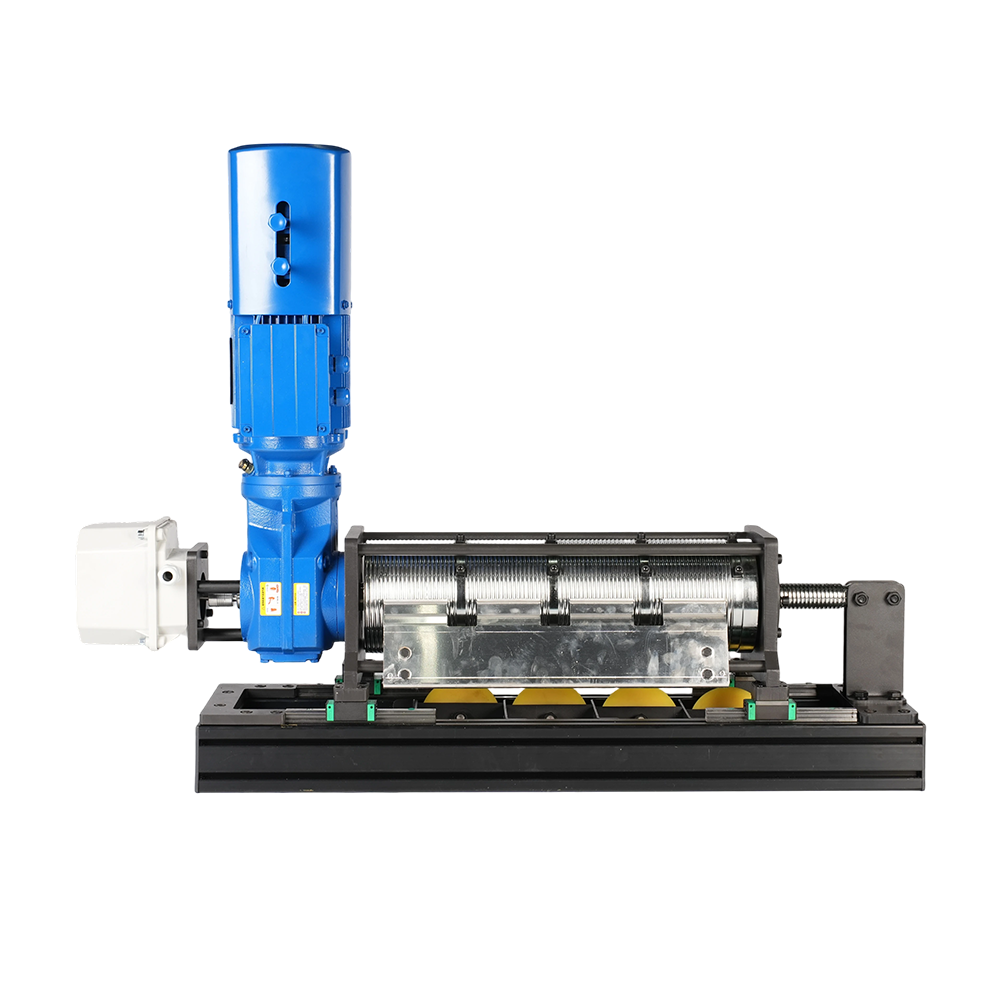
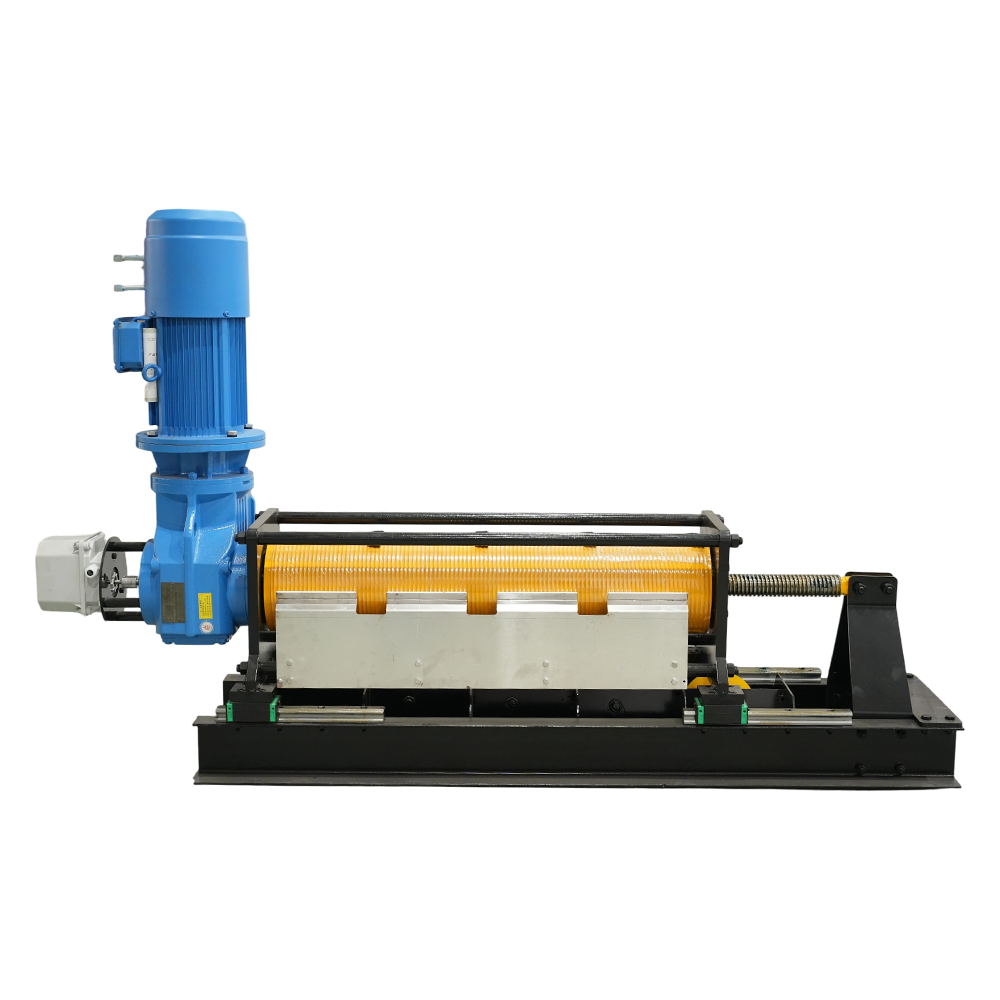
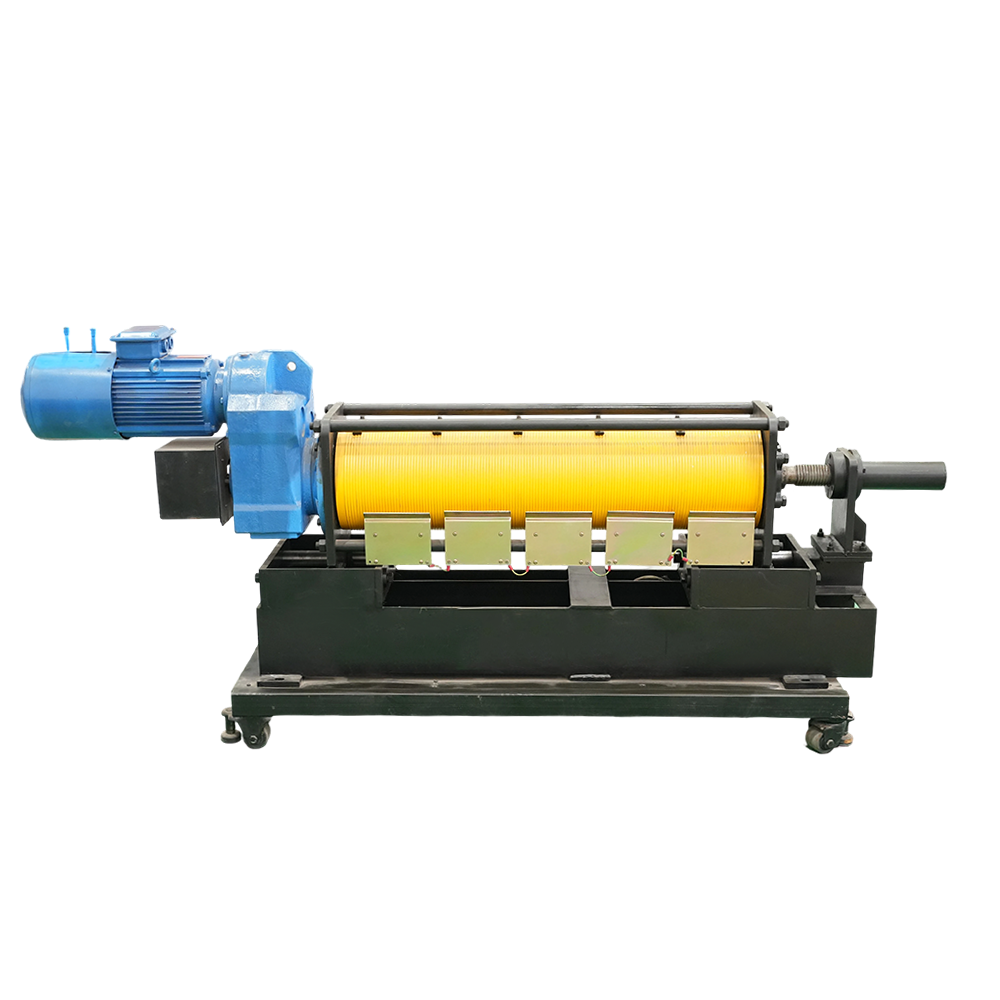
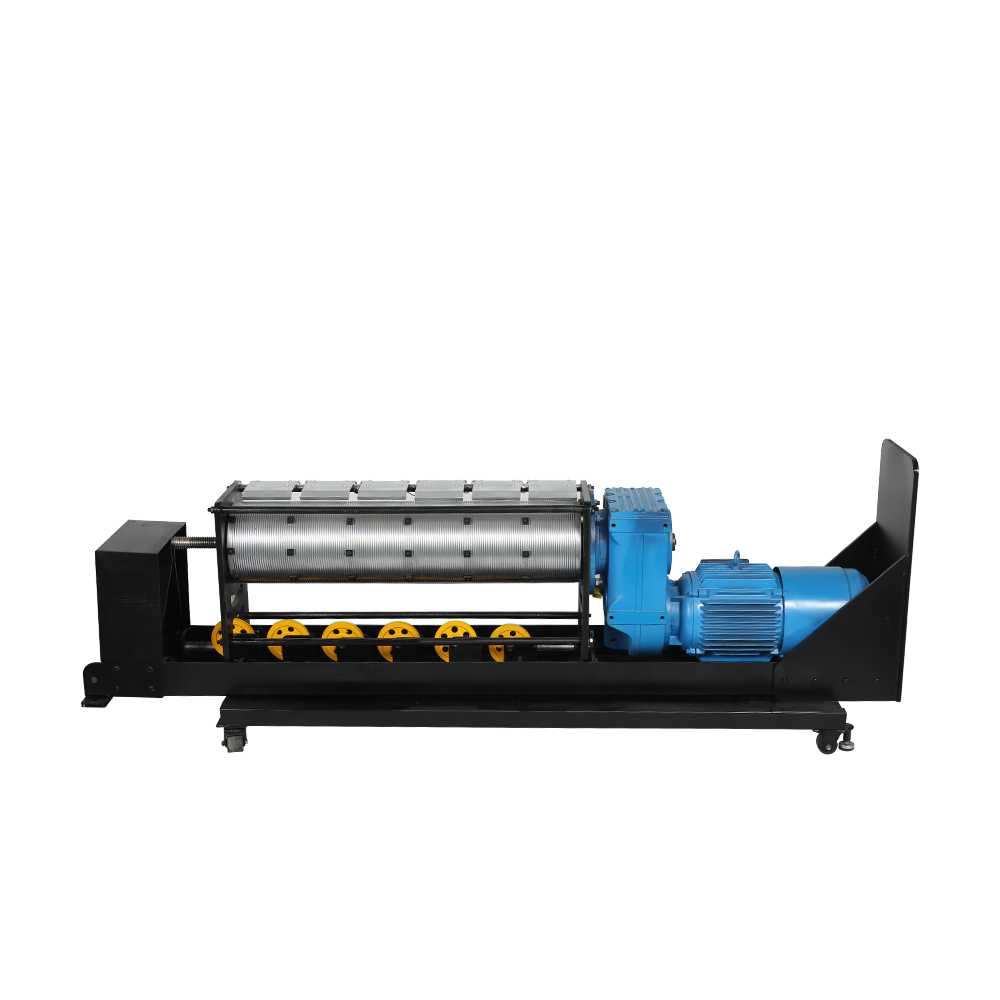
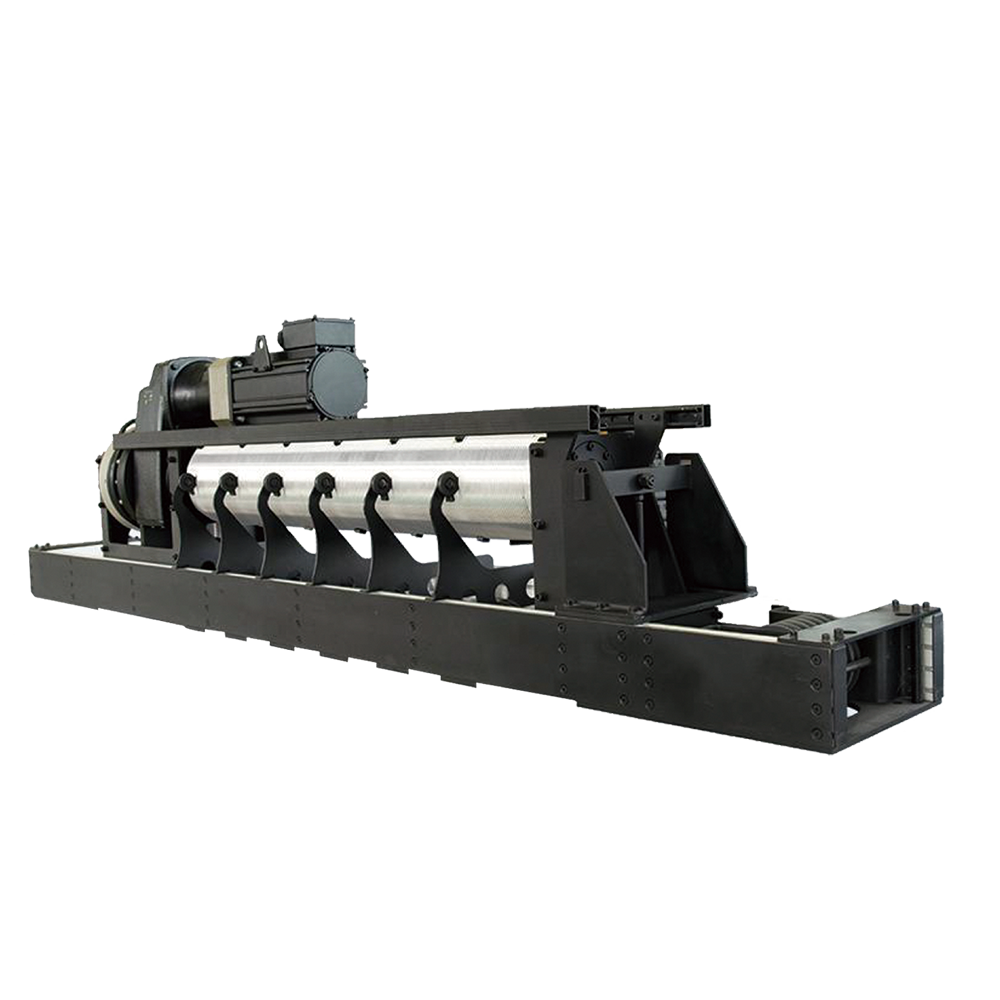
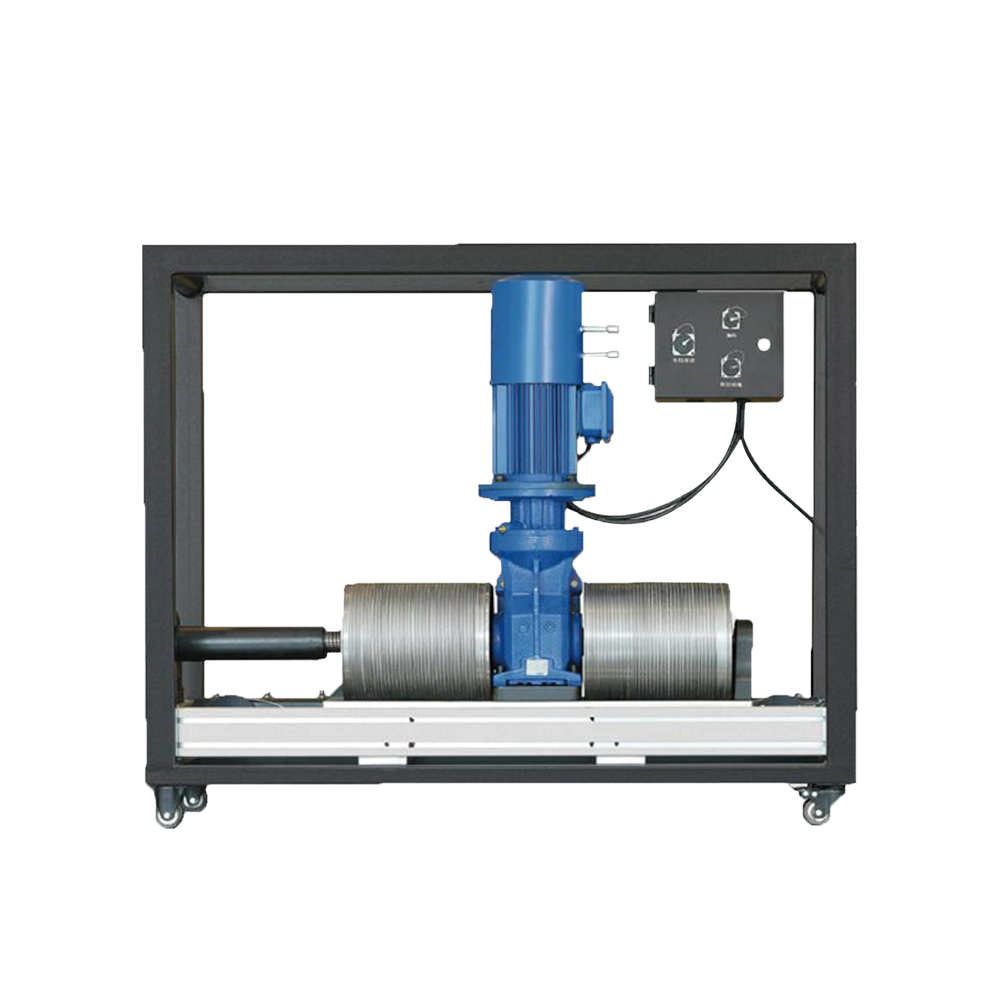
As core equipment for stage visual presentation, lifting stages focus their technical development on stability, safety, and intelligence. Common driving types include hydraulic, rigid chain, and scissor structures, which are suitable respectively for scenarios such as precise and silent operation in theaters, heavy-load long-travel use, and rapid setup for concerts.
The lifting stages used in theaters feature millimeter-level positioning and low-noise operation to ensure synchronous coordination of multiple units. For concert applications, priority is given to high load capacity, frequent start-stop performance, and dynamic response capability.
Safety design has been continuously optimized, with updated industry standards adding requirements for intelligent control redundancy and real-time monitoring. Sensors keep track of load, displacement, and operating status in real time. Equipped with emergency braking and fault early warning functions, they effectively reduce operational risks.
Intelligent control systems support synchronous or asynchronous operation of multiple lifting stages, with coordination error kept within ±1 mm and response latency below 50 milliseconds. Modular design shortens installation and reconstruction time, while improving equipment versatility and maintainability.
Driven by the integration of culture and tourism as well as the growth of immersive performances, lifting stages have expanded from traditional theaters to cultural tourism complexes, convention and exhibition centers, and outdoor performance venues, enabling in-depth integration of equipment functions and artistic expression.